We had one week of vacation after a month of intense training. I hadn’t anticipated this break, as I only discovered the exact schedule in June. So, I gathered some ideas here and there and ended up organizing a nice program for the week:
- A weekend with one of the students and his friends at Leopard Song, a property in Dinokeng Reserve next to the academy.
- An extended wilderness trail in Hluhluwe Imfolozi Park for 4 days before heading back to camp.
Leopard Song
The stay at Leopard Song was really interesting. I had a real guest experience and gained access to Pride of Africa, an area typically inaccessible to students. It was very different from my experience in Kenya, as we had a private vehicle. Here, the game viewer was shared with various tourists, many of whom were airline crew members like pilots and flight attendants.
I also observed the different types of guests that might end up on a game viewer—a bit of a preview of what I’ll experience during training. I noticed several things: some guests were clearly not dressed for the bush or the cold wind while driving, and many talked most of the time instead of paying attention to the surrounding nature (sometimes quite loudly). Without entering into much details, some even overstepped by asking too much of the guide.
The main focus, in general, was spotting big animals, especially the Big Five, and taking pictures or videos for social media.
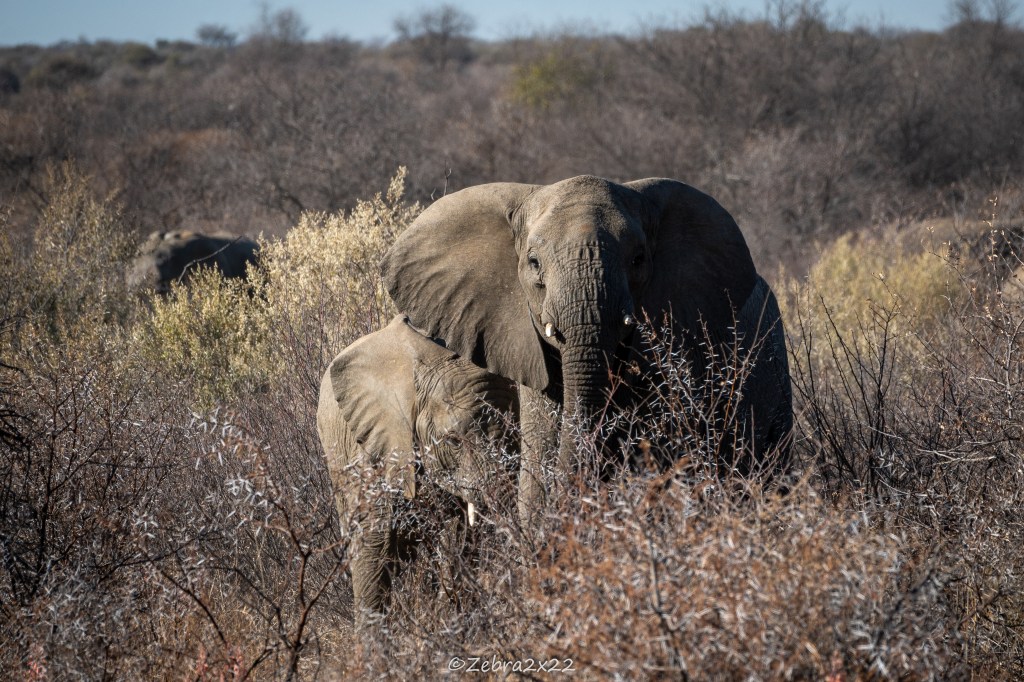
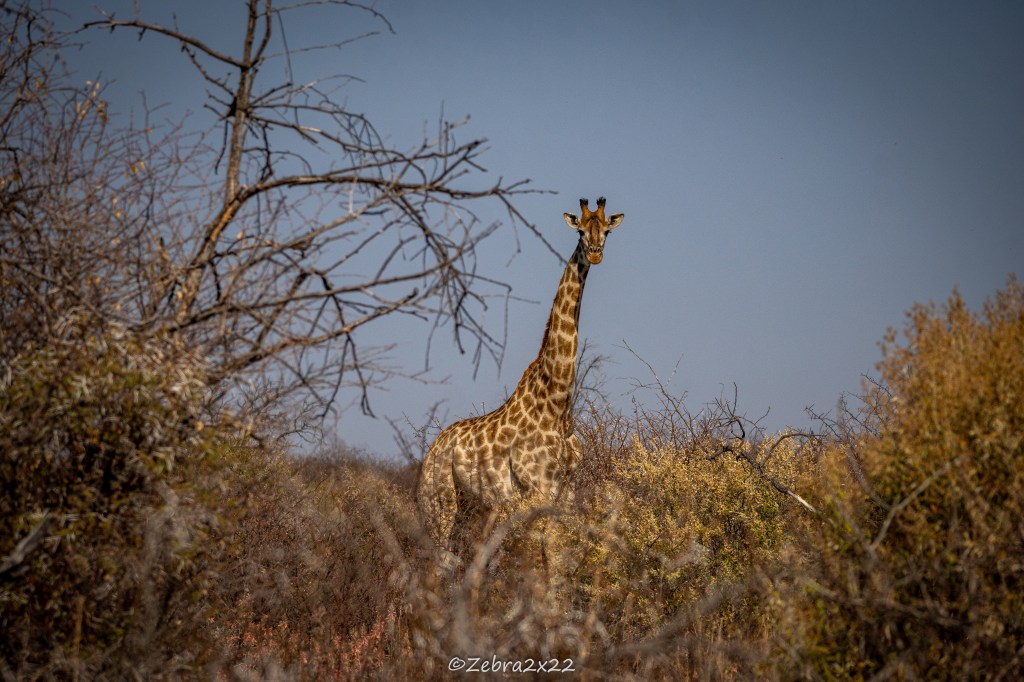
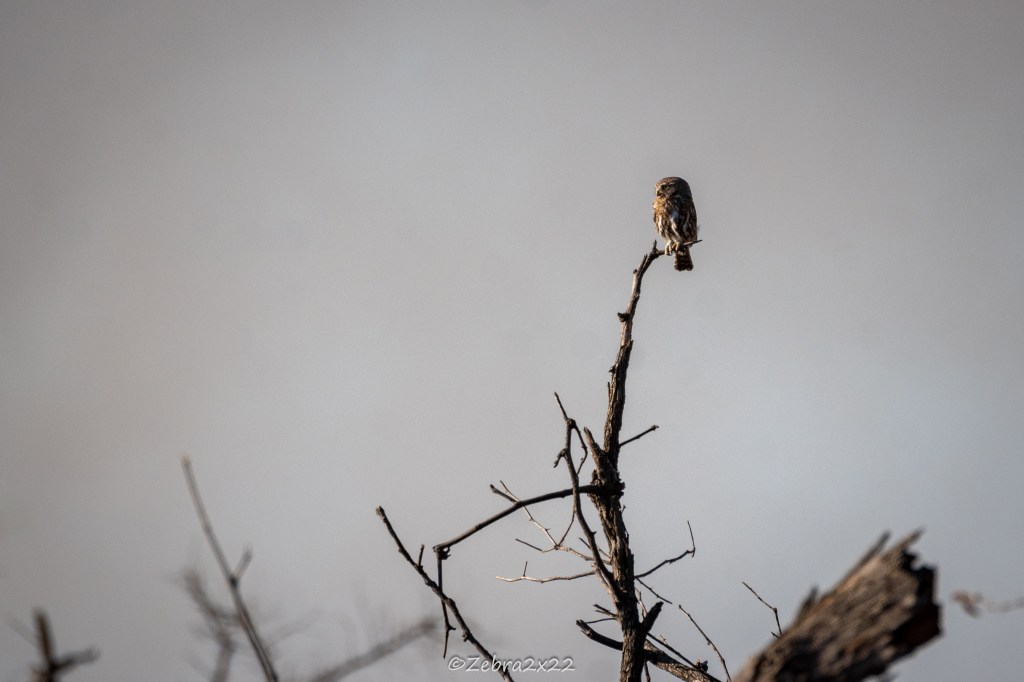
Our guide did an excellent job, and we saw elephant herds feeding, lions, white rhinos, and a buffalo herd, along with birds, snakes, antelopes, and giraffes.


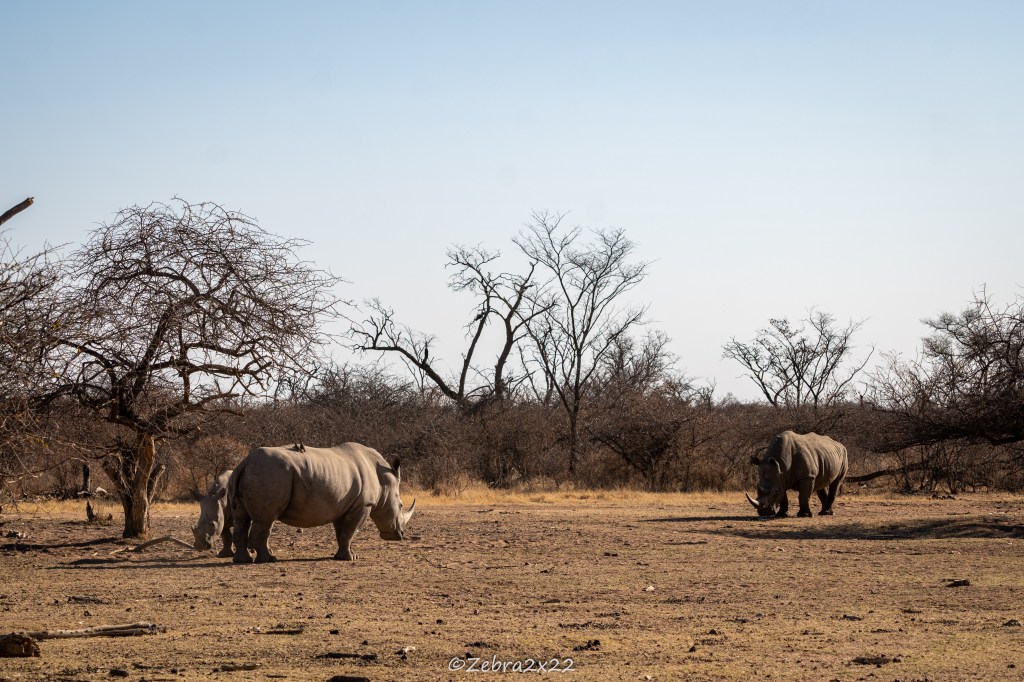

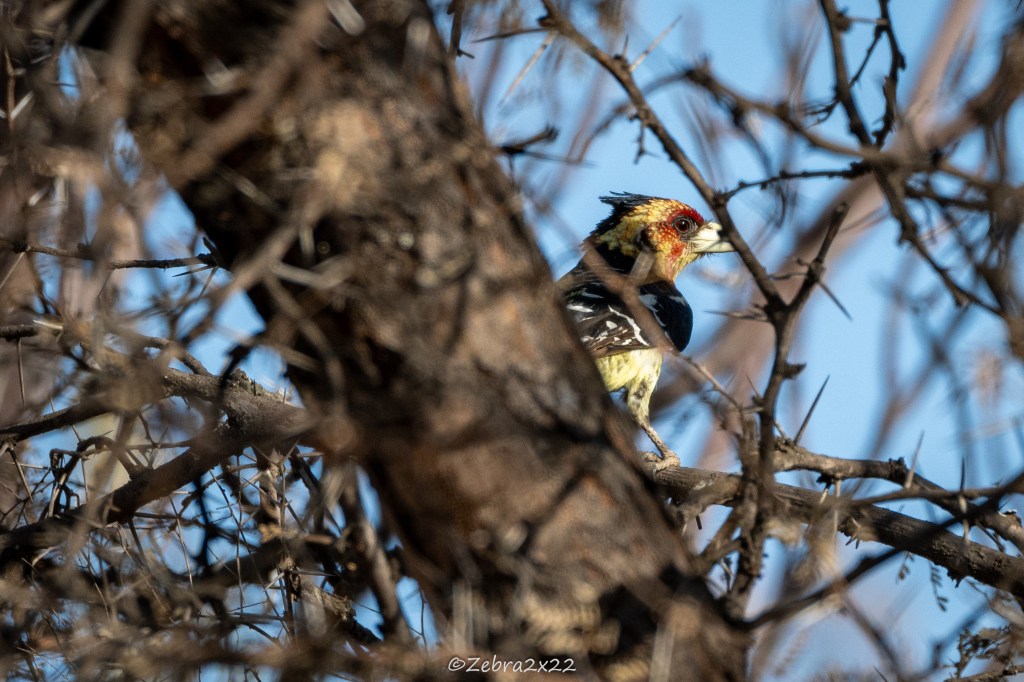
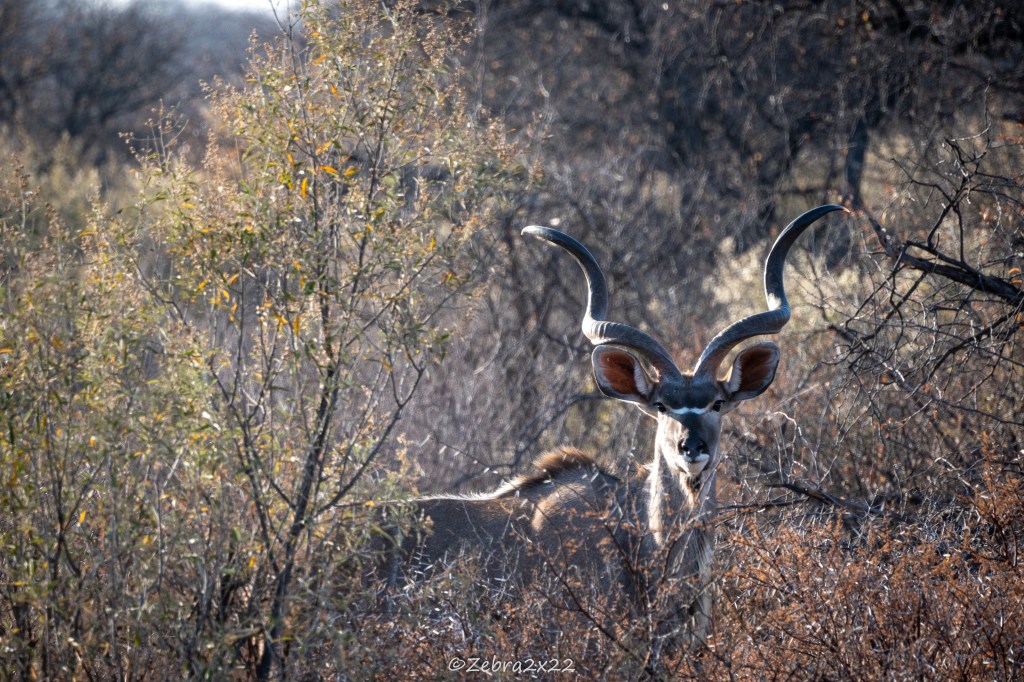
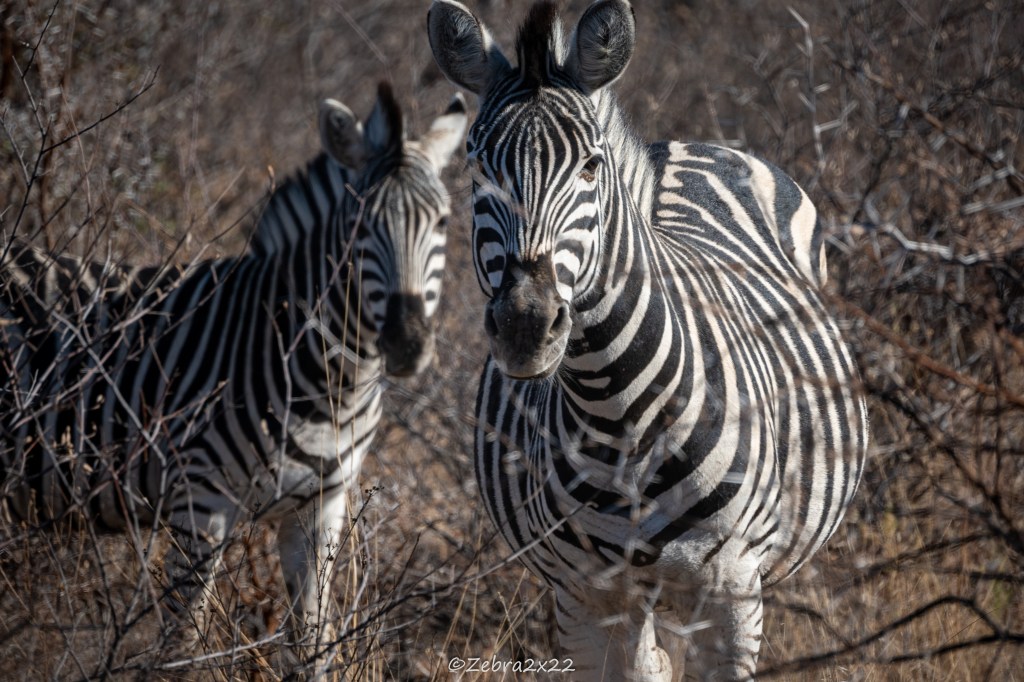
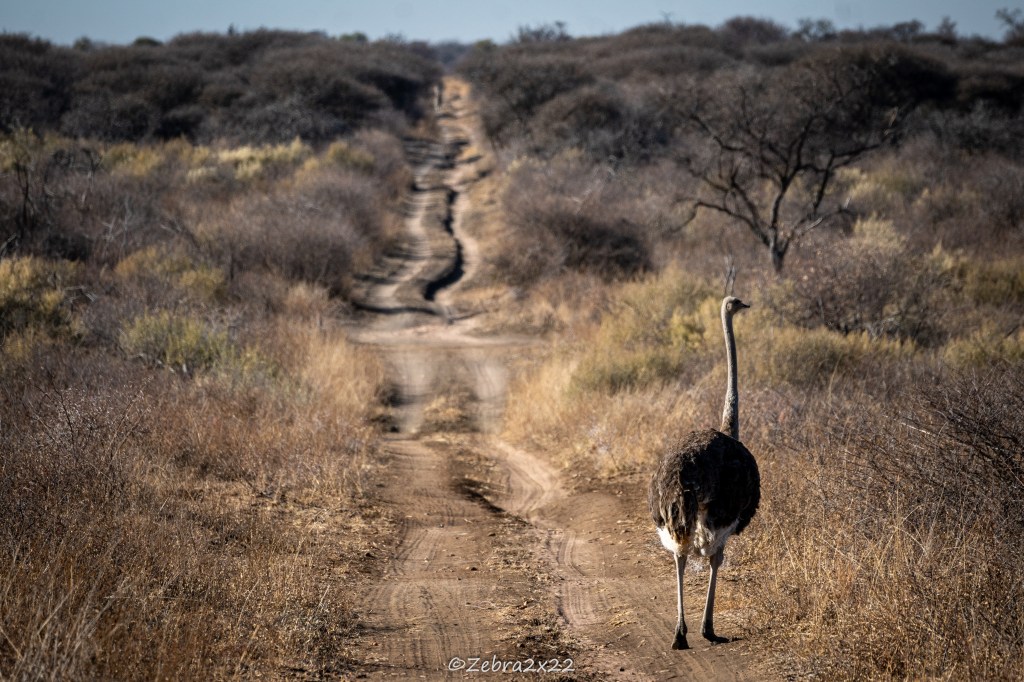
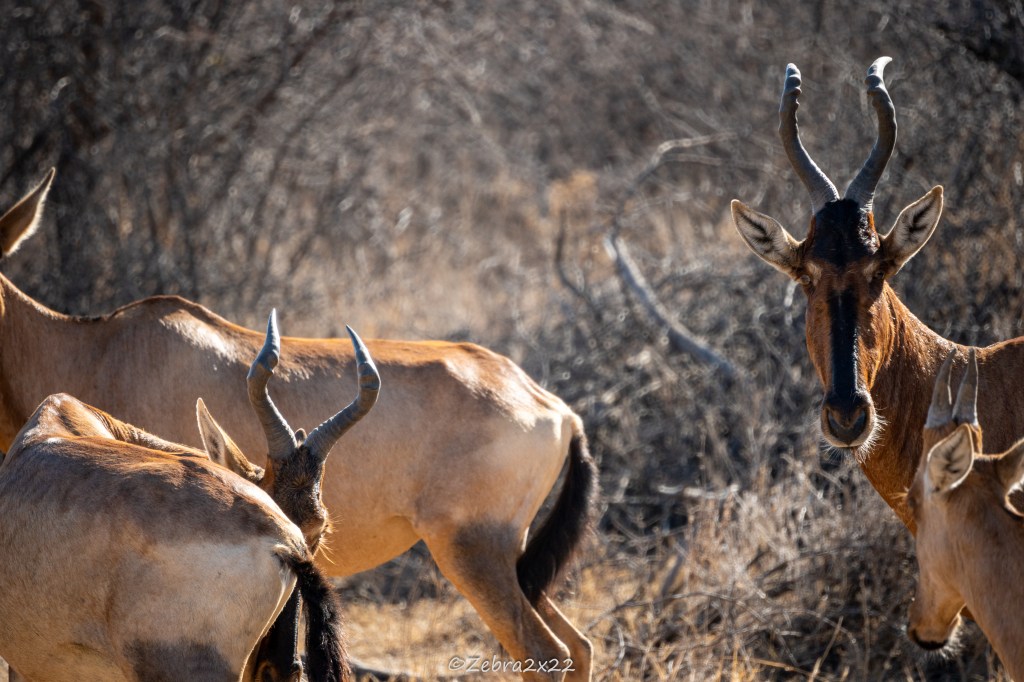
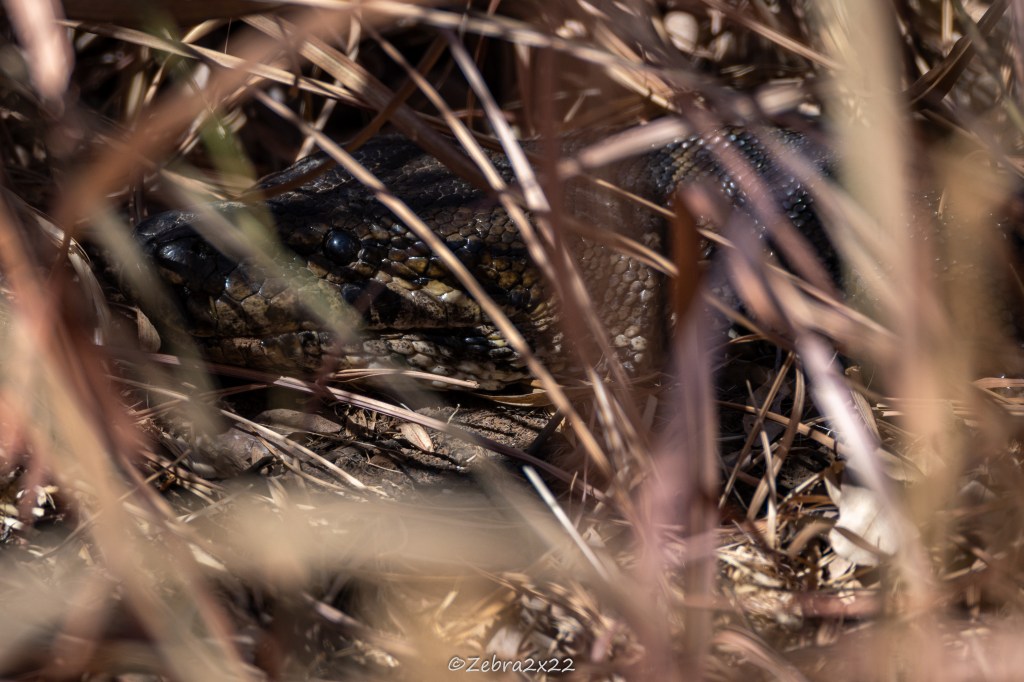
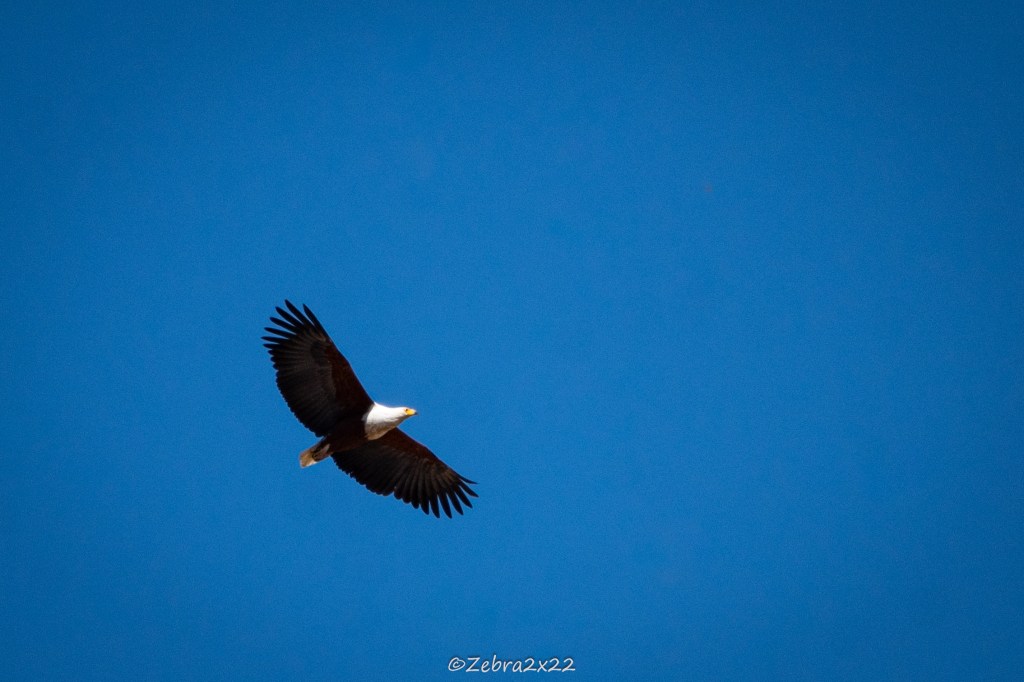
At night, Marakele, the dominant lion in the reserve, was growling near our camp. Our guide did something unexpected, which I’m very grateful for: he decided to take us out at night so we could try to find him. And we did. We ended up between the male lion and the Northern Pride female, as they were calling to each other. The calls were loud and incredibly impressive. I felt like the sound was resonating deep within my body. I hope you’ll get a sense of that experience by watching the short video from my previous article.
During the weekend, I focused on understanding the role of the guide and observing how things were done. It was a great experience. Our guide even quickly repaired a punctured tire while we were still in the vehicle. I asked him many questions, and I was lucky enough to have a private drive toward the end, where he could show me some less typical sights, focusing on birds, antelopes, and snakes. We also discussed different types of guests. Some can be worse than the ones I encountered, bringing alcohol, littering the reserve, or being excessively loud. The nationality of the guests can also influence the experience.
However, I was a bit concerned about the radio during the drives. It was quite loud and active. This worries me because I don’t understand most of what is said. You need to know the reserve inside out, be familiar with local terminology, and have a clear understanding of the cardinal points and roads. I’m unsure if I’ll be able to use it effectively and deliver the kind of experience that guests expect, ensuring I’m at the right sightings at the right time.
I found a book about the conception of Dinokeng Reserve and its early challenges. I took notes in preparation for my practice drives and made a list of all the birds, intending to study them during the vacation. Most importantly, I need to learn their calls, as this is a skill I currently lack, and I will need it for the upcoming bird week during my training.
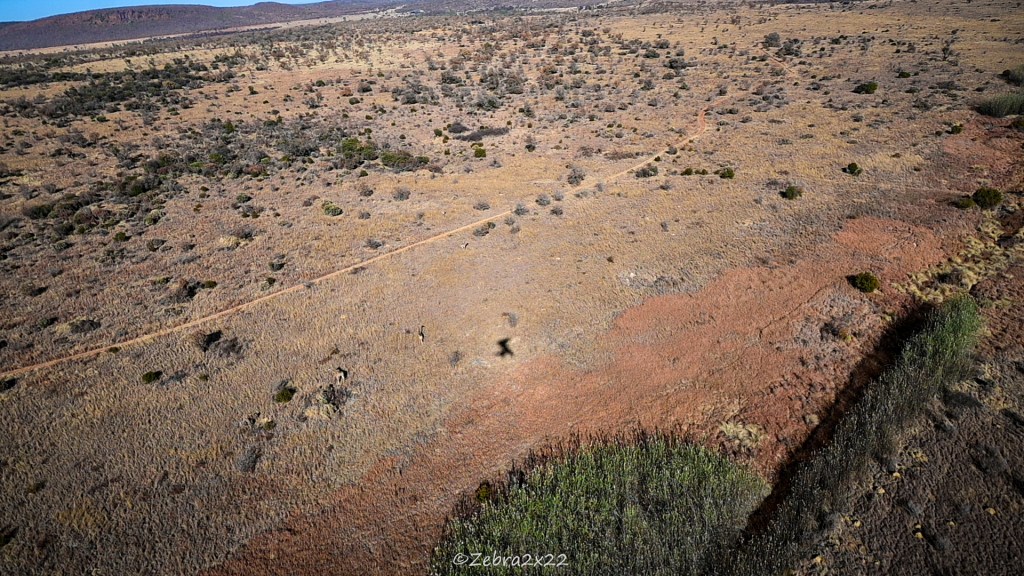
Last but not least, I was grateful to take part in the microlight experience, flying over the Dinokeng Reserve for approximately half an hour. It was a wonderful way to discover the landscape and observe the wildlife from above. See for yourself.

Hluhluwe Imfolozi
Afterward, I headed to Hluhluwe Imfolozi on my own. I flew to Durban, spent a night in a guesthouse, rented a car to practice driving on the left side of the road, and managed to reach the park on time.
I booked 4 days and 3 nights in the park. Our group consisted of five people: two additional French guests (one on vacation and his tour guide, who has been living in South Africa since 1998) and two armed trail guides.
The wilderness area of the park remains untouched by recent human activity and is incredibly wild. There are no roads or signs of human presence, except for some pottery left by the first settlers. It’s a privilege to walk in such a place.
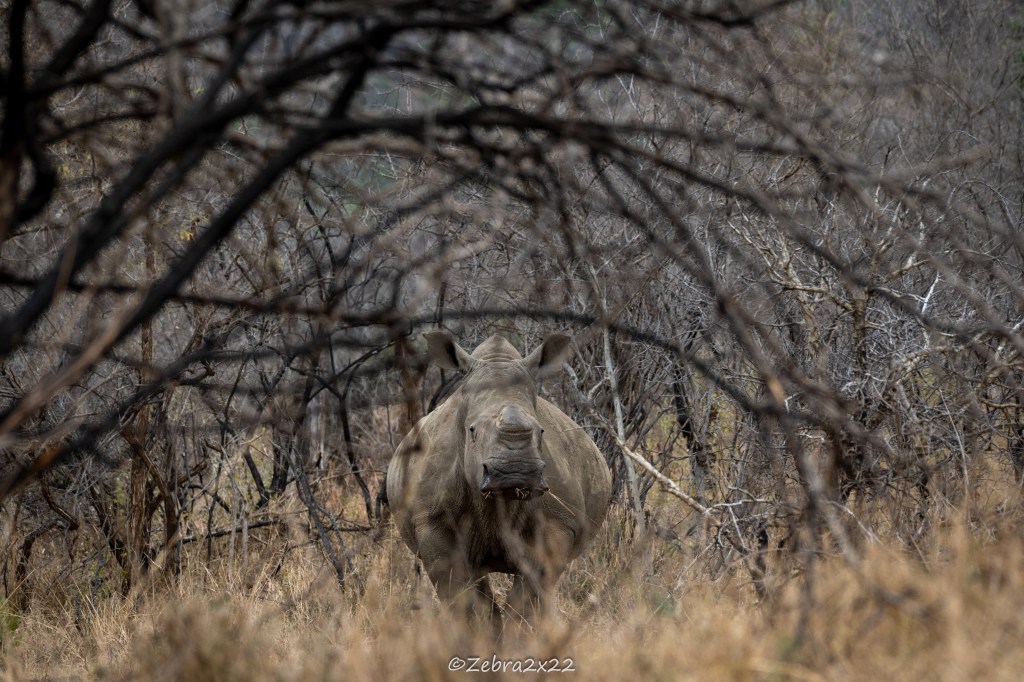
The landscape features a river, cliffs, abundant vegetation, and wildlife, including the Big Five. The reserve is also famous for its black and white rhinos. In fact, most of the white rhinos in South Africa were originally relocated from this park to help repopulate the country.
On the first day, we walked about 7-8 km to our camp. We were briefed on safety procedures: no talking while walking, staying in a line between our guides and rotating positions, recognizing agreed-upon danger signals, and strictly following our guides’ instructions.
I was amazed at our guide’s ability to spot birds and mammals long before I could see them. He’s been working in this reserve for 16 years. Our other guide, a woman with 9-10 years of experience, was equally skilled in leading tourists through the bush.
We arrived at camp after crossing the river barefoot. It was a genuine luxury camp: each person had their own tent, there was a bonfire area where we gathered to eat and talk at night, and we were provided with half a bucket of hot water. Meals were cooked by a local chef, a talented woman. The camp also adhered to a strict “leave no trace” policy—everything, including ingredients, was brought in by donkeys, and human waste was handled with a shovel. The camp changes location every 3 months and is inspected regularly.
We set out at 8 a.m. each morning, walking 10-15 kilometers per day, and returned to camp around 3 or 4 in the afternoon. Each day, a freshly baked cheese bread awaited us, prepared by the cook—a true luxury. Conversations were pleasant, and during the day, we had several incredible wildlife encounters.
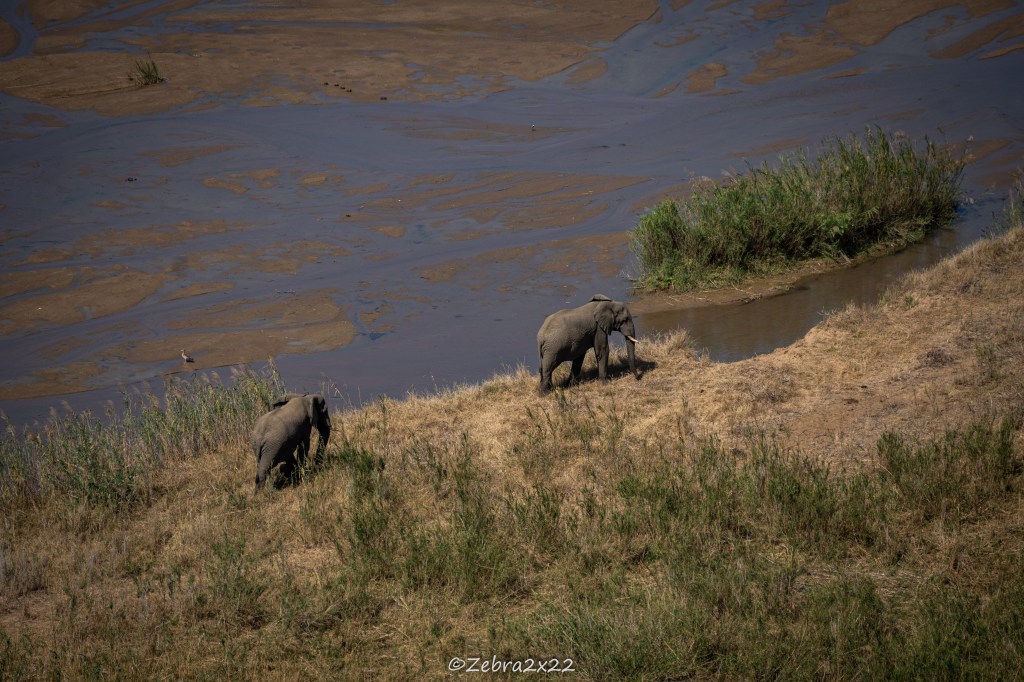
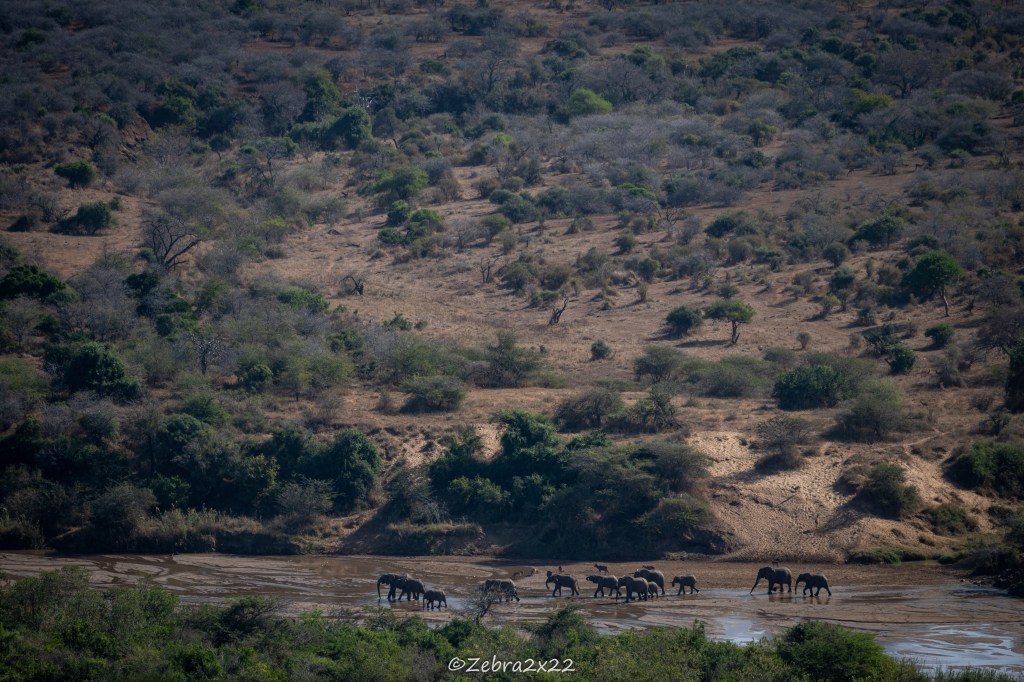
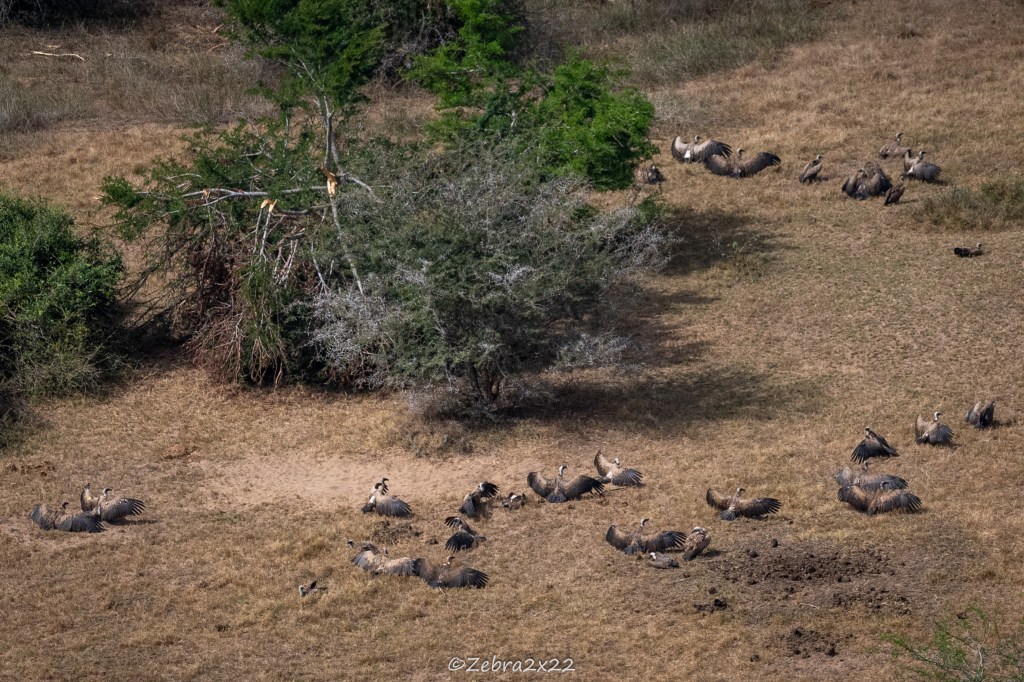
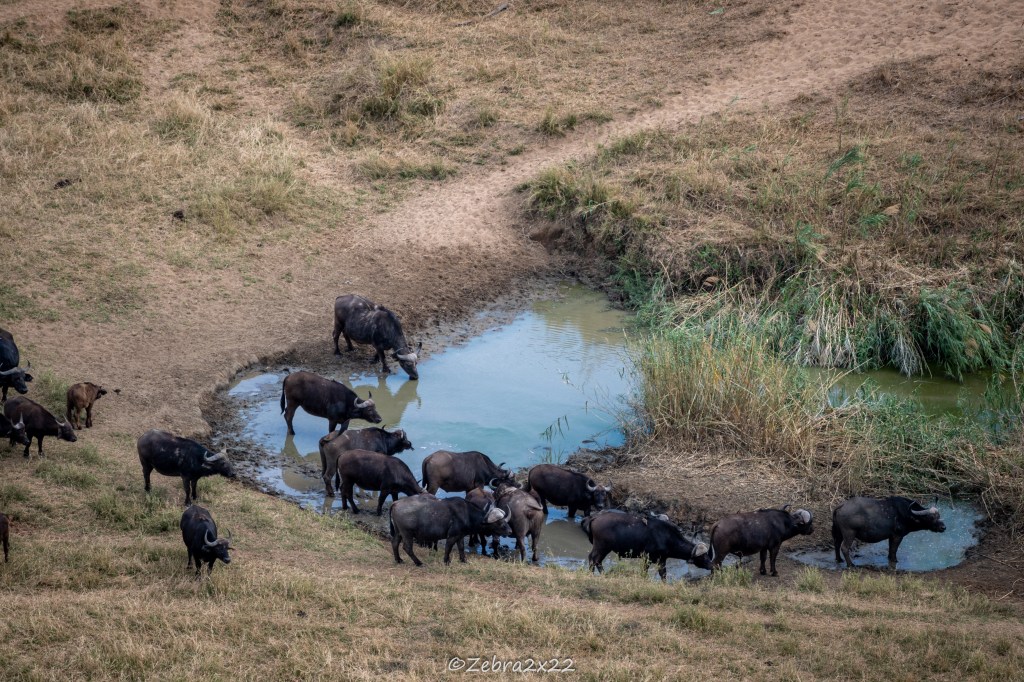
From the cliffs, we watched lionesses hunt warthog piglets, and we saw giraffes, white rhinos, elephant herds, buffalos, and many types of antelope.
On foot, we had several close encounters with elephants, white rhinos, and buffalos. Three encounters stand out in my memory:
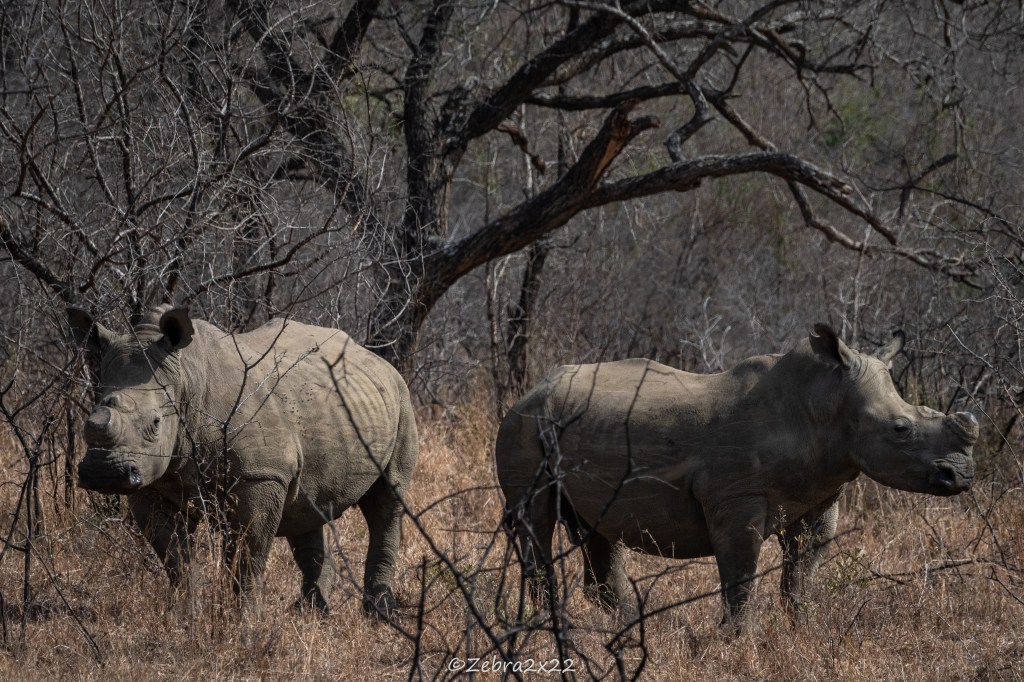
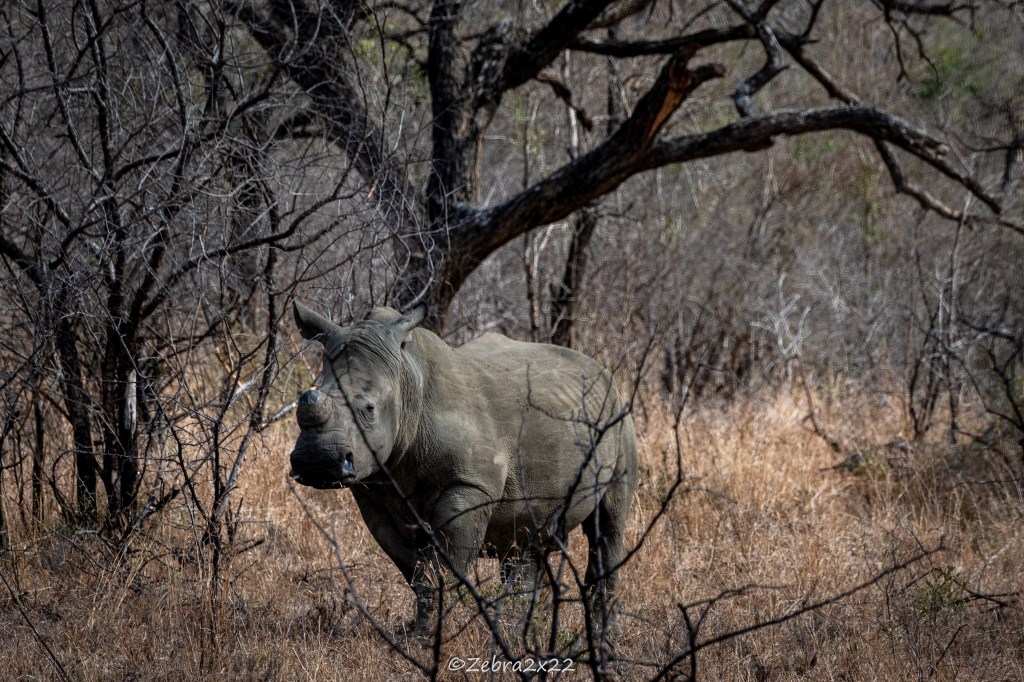
The first was with two white rhinos. We had to approach them barefoot, crossing the river to get closer. Unfortunately, we were spotted by snorting impalas—their alarm call—which caused the rhinos to move away quickly. Later, we were fortunate to find two more white rhinos grazing. We were able to observe them for quite some time. It was my first time seeing dehorned rhinos, and it struck me how different they looked. The horns are not just for show—they play a key role in self-defense and in establishing dominance during mating. While I understand the need to dehorn them for their safety, it was still sad to see.
The second encounter occurred on our way back to camp. We ran into a solitary elephant bull, who seemed curious and started moving in our direction. The woman guide reacted quickly, vocalizing sounds to scare him away. It worked—the bull didn’t come any closer and simply passed by.
The third memorable encounter was with a buffalo herd. As we approached, they noticed us and bolted in the opposite direction. It was impressive to witness, and it gave me a real understanding of why they are considered so dangerous.
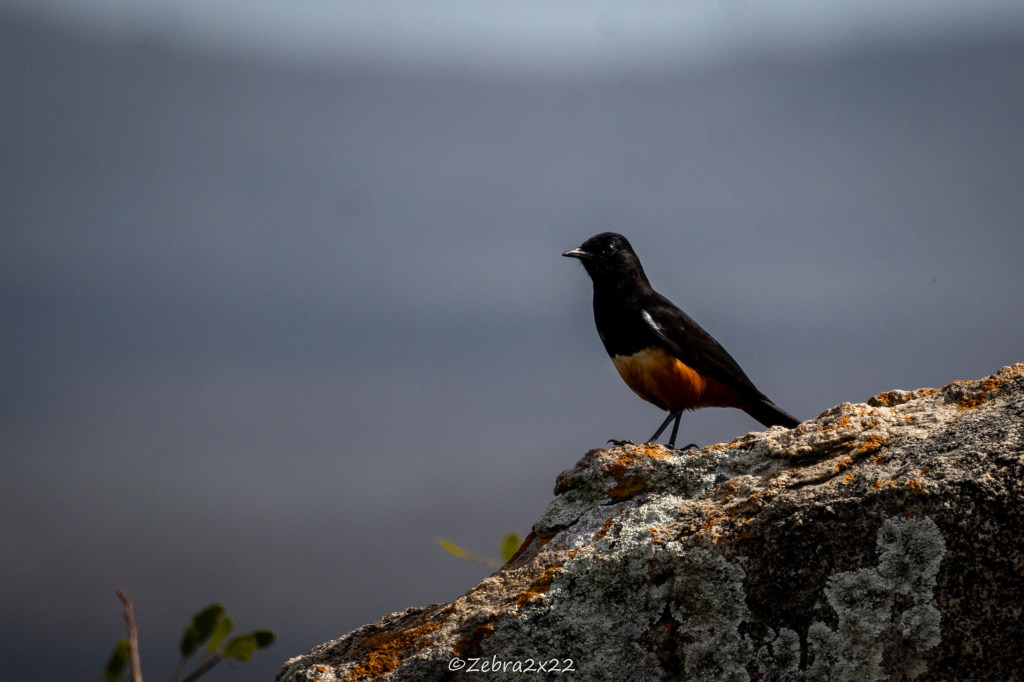
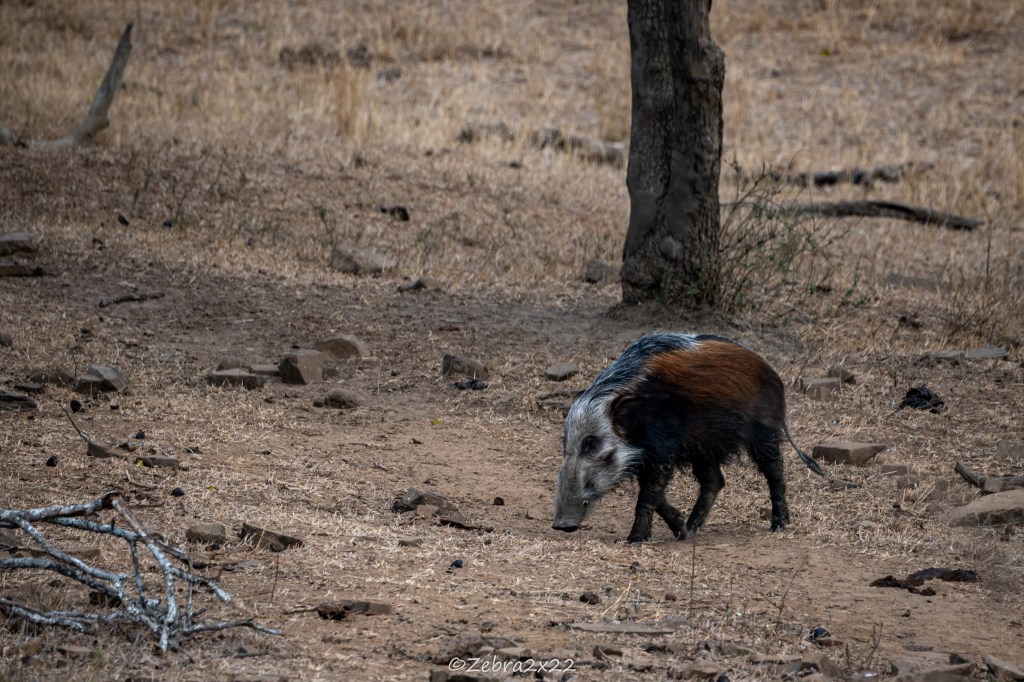
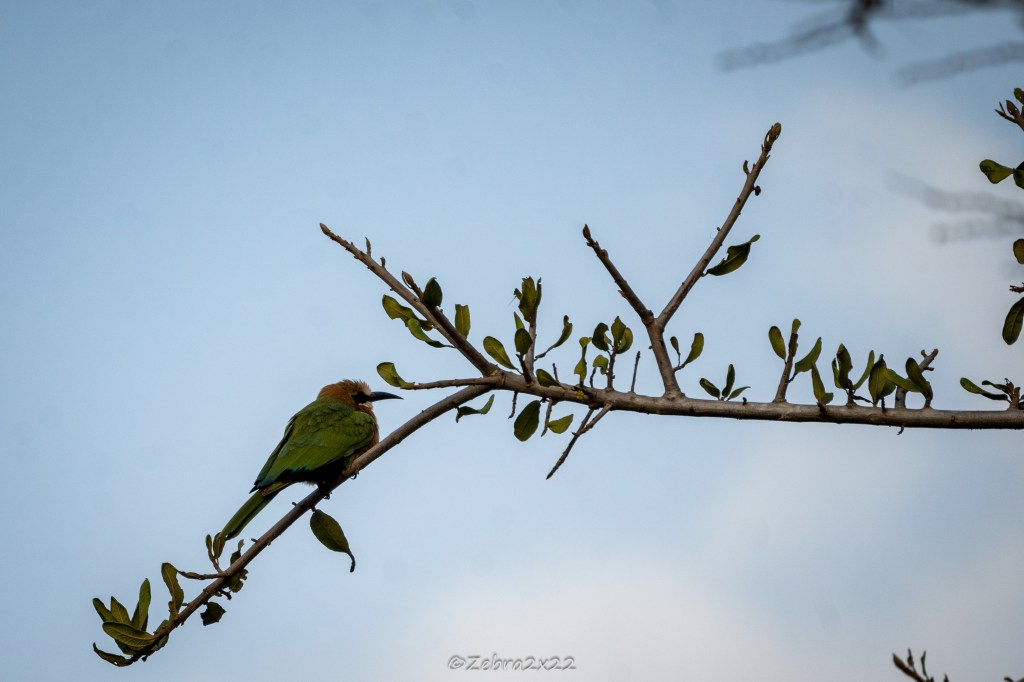
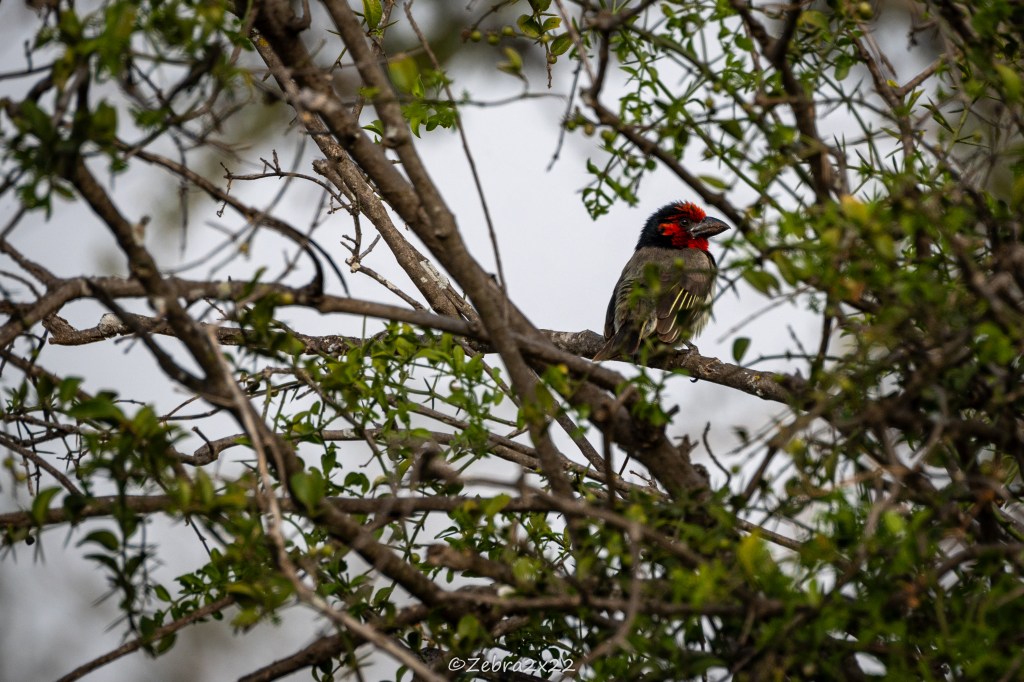
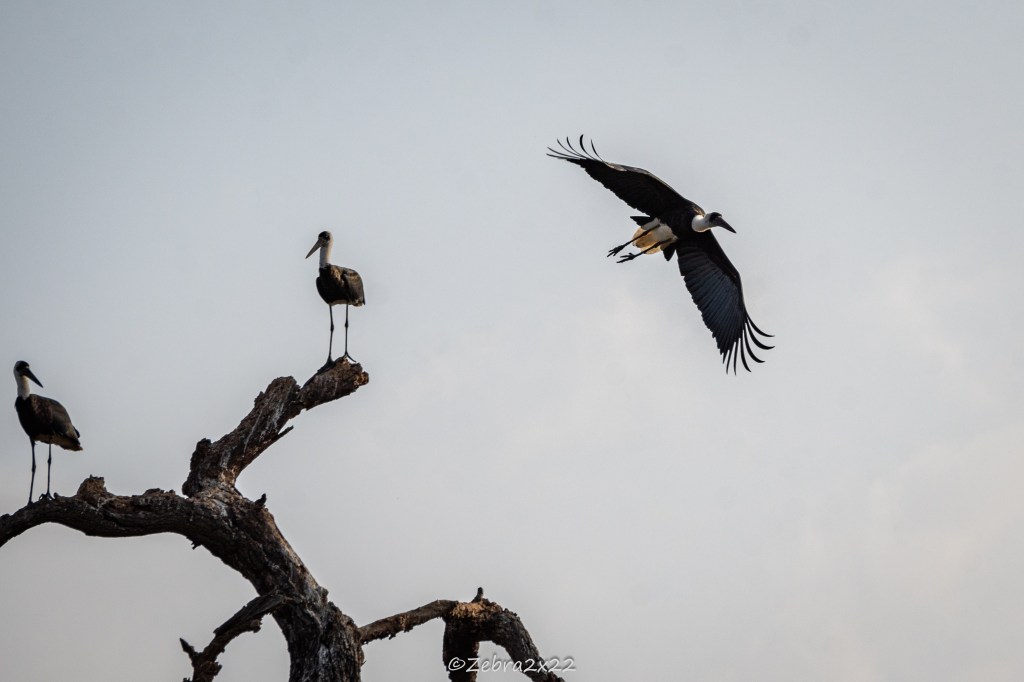
Overall, the guides aim to teach you about tracks, plants, birds, and wildlife—the complexity of the nature surrounding us. It was very instructive. Here’s a glimpse of the other encounters we had:


St. Lucia
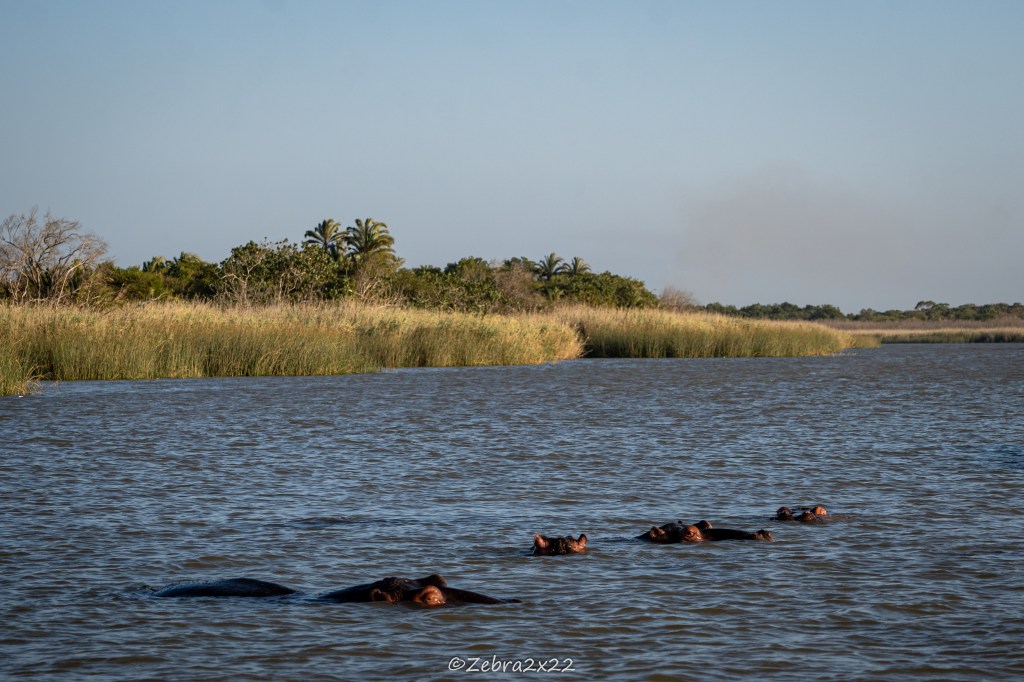
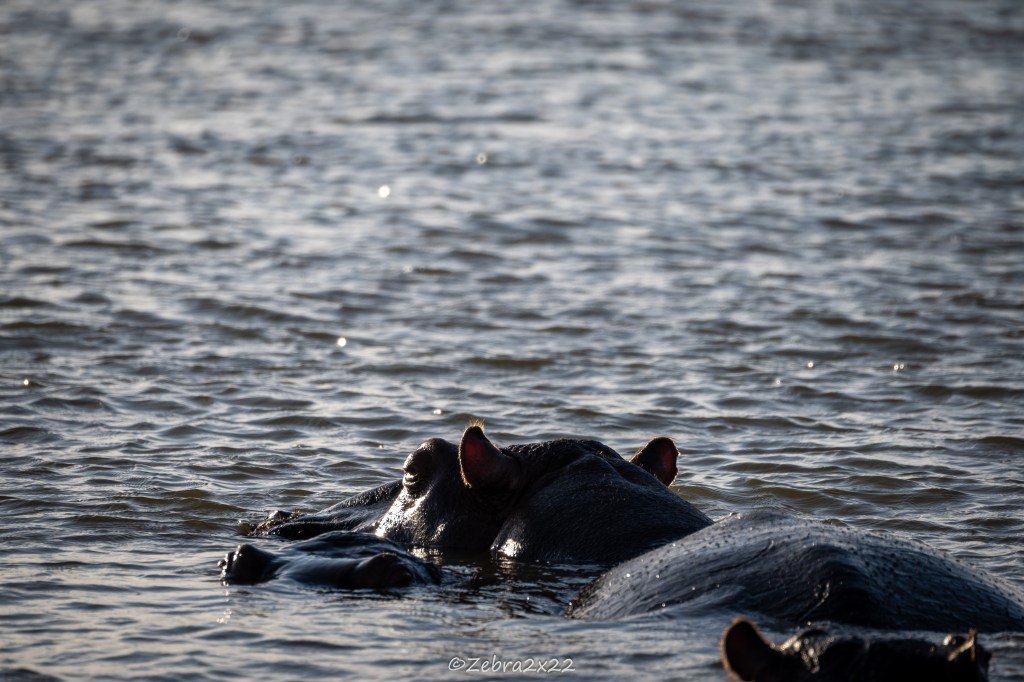
After the trail ended, I headed to St. Lucia to observe hippos and birds. I enjoyed an informative cruise where I learned more about the local wildlife and biomes.
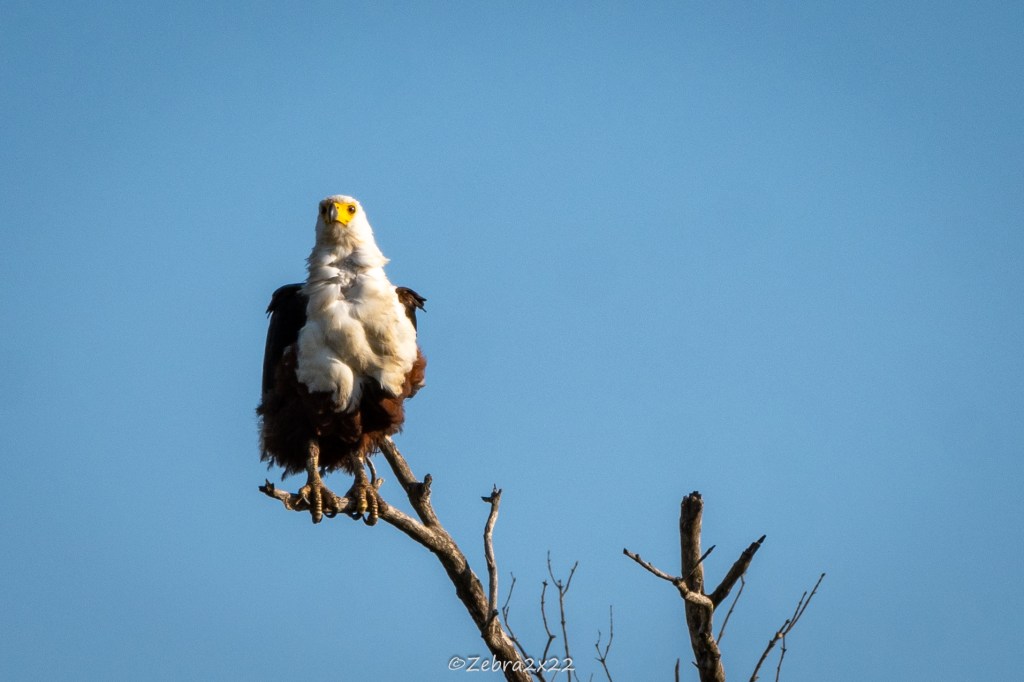
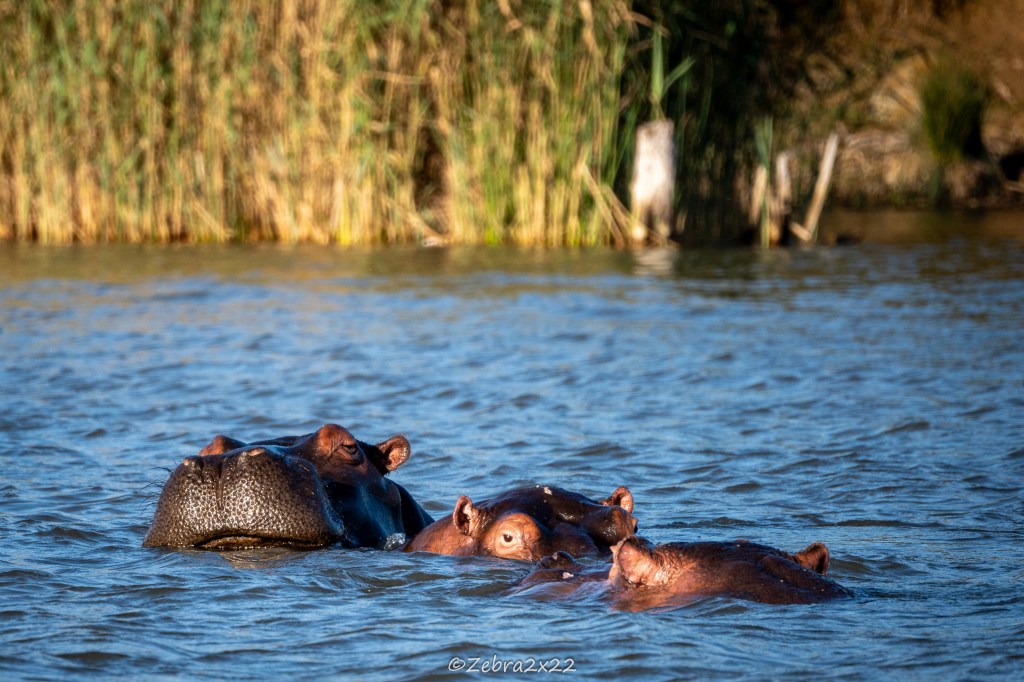
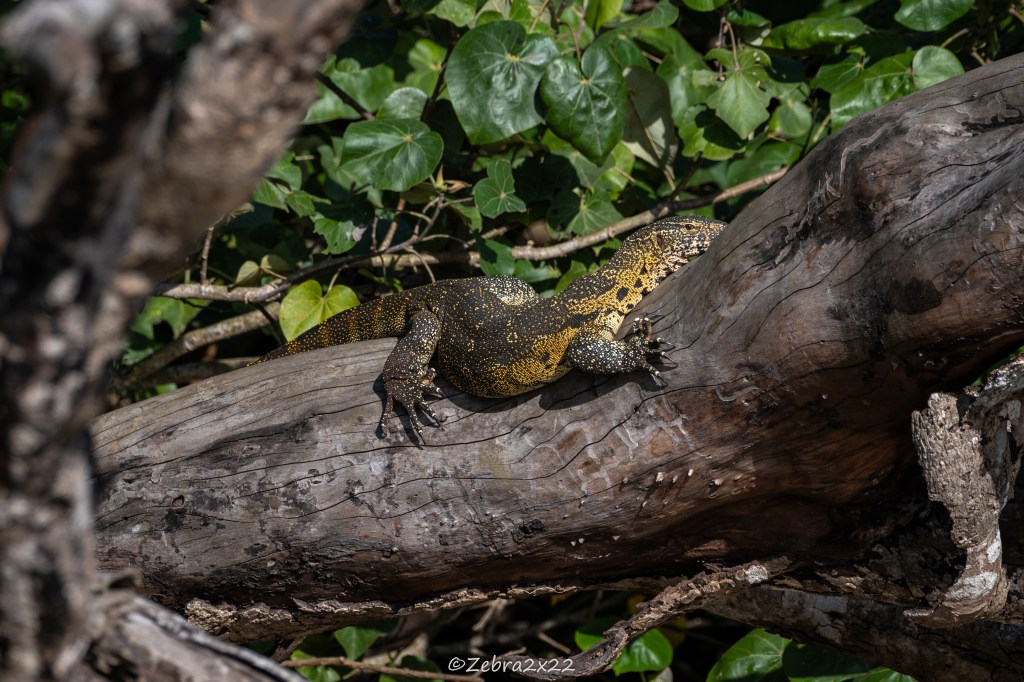
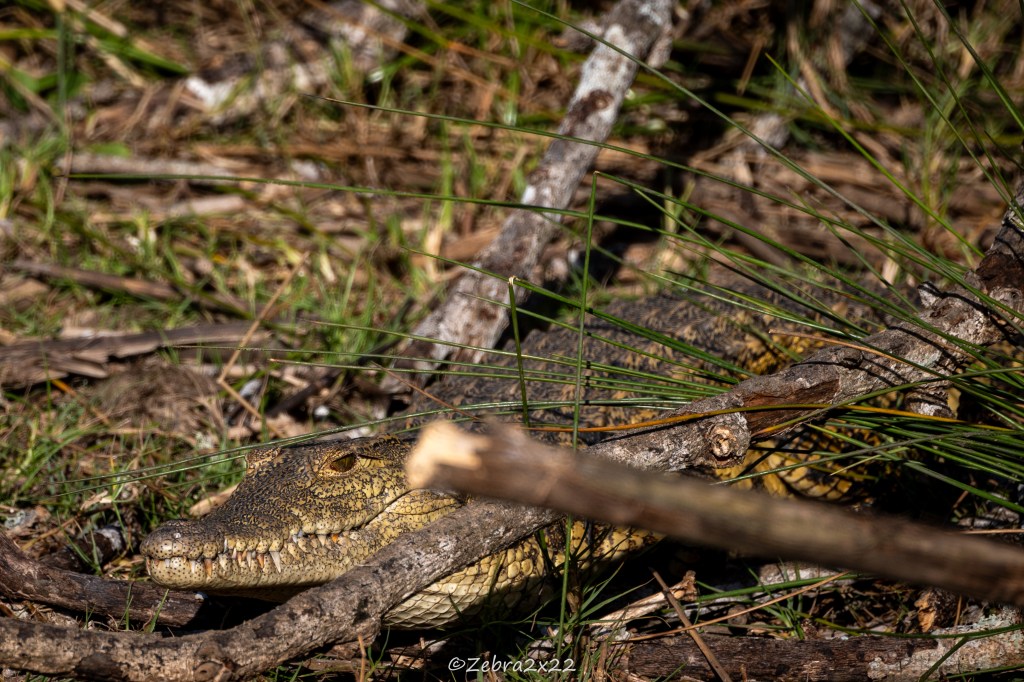


This is how I ended my vacation week. I felt proud to travel on my own, drive on the left side of the road, go to restaurants alone, and get to know more about the country. It might sound small, but it was a real challenge for me a few years ago and something that probably held me back from exploring the world. I’ve always been afraid to travel alone and felt uncomfortable in most situations. But now, I’m starting to enjoy it. I’ve met new travel buddies and feel a wonderful sense of freedom.

 Zebra2x22
Leave a comment