After my internship, I headed to Botswana for 10 days. The idea was to explore different lodges, get to know the area, and travel from one lodge to another by 4×4—all in the middle of the rainy season.
Botswana hadn’t seen this much rain in several years, and let me tell you, the conditions were intense. Driving a 4×4 in the Okavango Delta under such circumstances proved to be quite a challenge.
The 4×4 Journey
When renting a 4×4, there are a few steps you go through with the agency. As usual, you do a full inspection of the vehicle, making sure all existing scratches are documented. Since it’s a 4×4, the rental company ensures you understand how the gear system works, how to change a tire, and the maximum water level the vehicle can handle. Even if you opt for full insurance, any damage caused by driving through water above the maximum level won’t be covered. This level is approximately 40–60 cm high—about halfway up the tire.
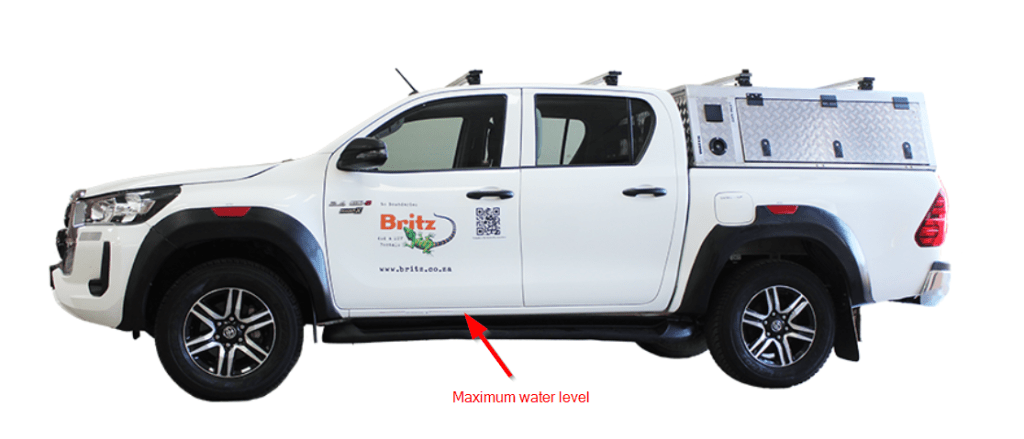
When we picked up the car, we noticed that the front bumpers were a bit loose, but we didn’t pay much attention to it.
After spending our first night in Maun, we had a packed itinerary ahead.
Here’s the area we were exploring in the Okavango Delta.
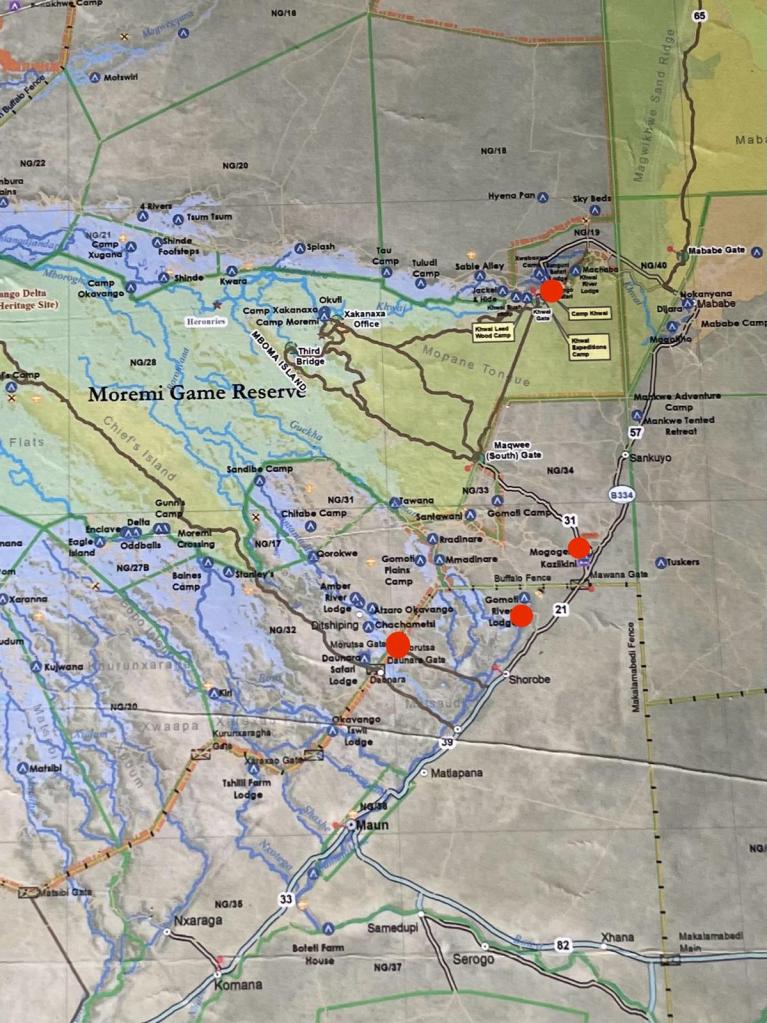
When you start your 4×4 journey and enter the delta, you leave the tarmac road behind and drive on sandy or clay roads. If the ground is dry, these roads are fairly easy to navigate, as you can see.
Things get more complicated when water is involved. We first got stuck in a very soft mud puddle. After an hour of trying to get out on our own without success, we were finally towed out by someone heading in the same direction. The roads in this area aren’t very busy, so getting stuck can mean a long wait for help—something to keep in mind.
After this first incident, we became more cautious. Since my feet were already wet, I started walking through puddles we were unsure about to check their depth. You have to imagine that we were in a national park, with dangerous wildlife potentially nearby. So while one of us was out testing the puddles on foot, the driver had to stay alert and keep an eye on the surroundings.
Despite our precautions, the front bumper became very loose, and we had to “fix” it multiple times on our way to the Khwai River.
Before heading back to Maun, we decided to secure it with cable ties.
On our return journey, I took over driving. I made it through several puddles, but I hit one harder than expected—or maybe it was deeper than I thought, or both. I kept driving for another 20 kilometers through more puddles before I noticed a strange noise. That’s when I decided to stop and check the vehicle.
Look at what we found! I had never wrecked a car to that extent before. Luckily, we had full insurance, and everything went smoothly with the rental agency.
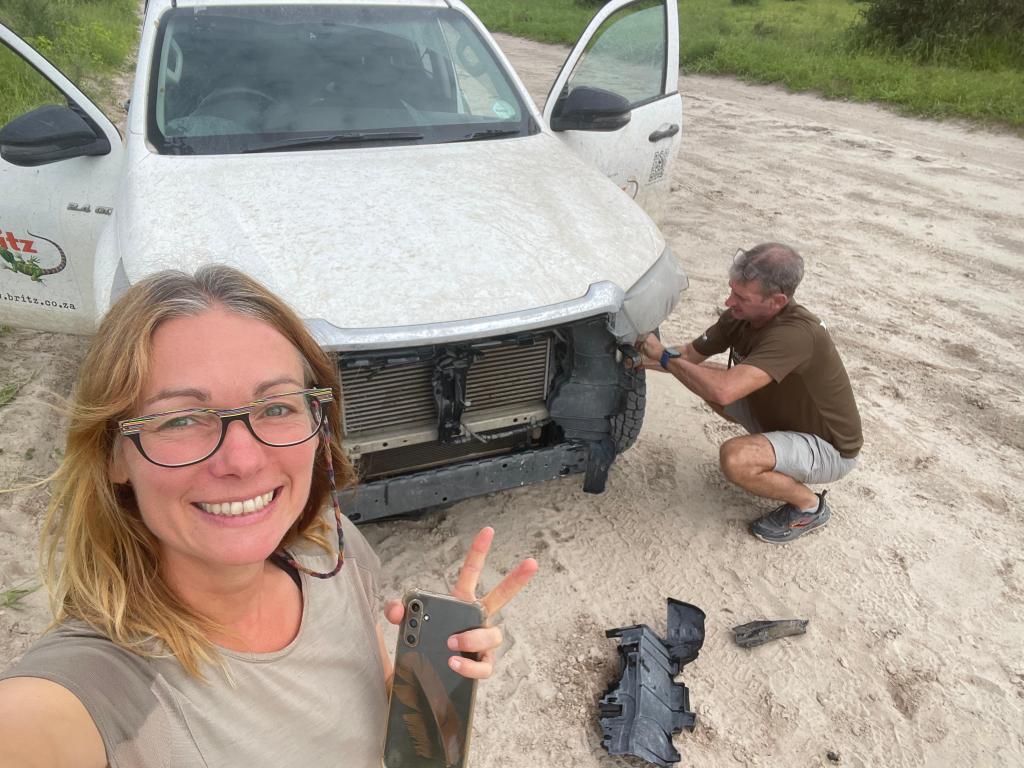
Here’s what the car looked like at our last stop before taking off the following day. Keep in mind, this photo was taken in a very posh place!

So, the conclusions from this adventure are :
- Do not hesitate to take full coverage when renting a 4×4.
- The rainy season in Botswana, especially in January, can be extremely intense. Consider alternative means of transport—unless you have a strong taste for adventure.
Overview of water levels in the Delta
Here’s a look at how flooded the area was during my visit. In some places, the water was so deep that the game viewer’s lights were completely submerged.
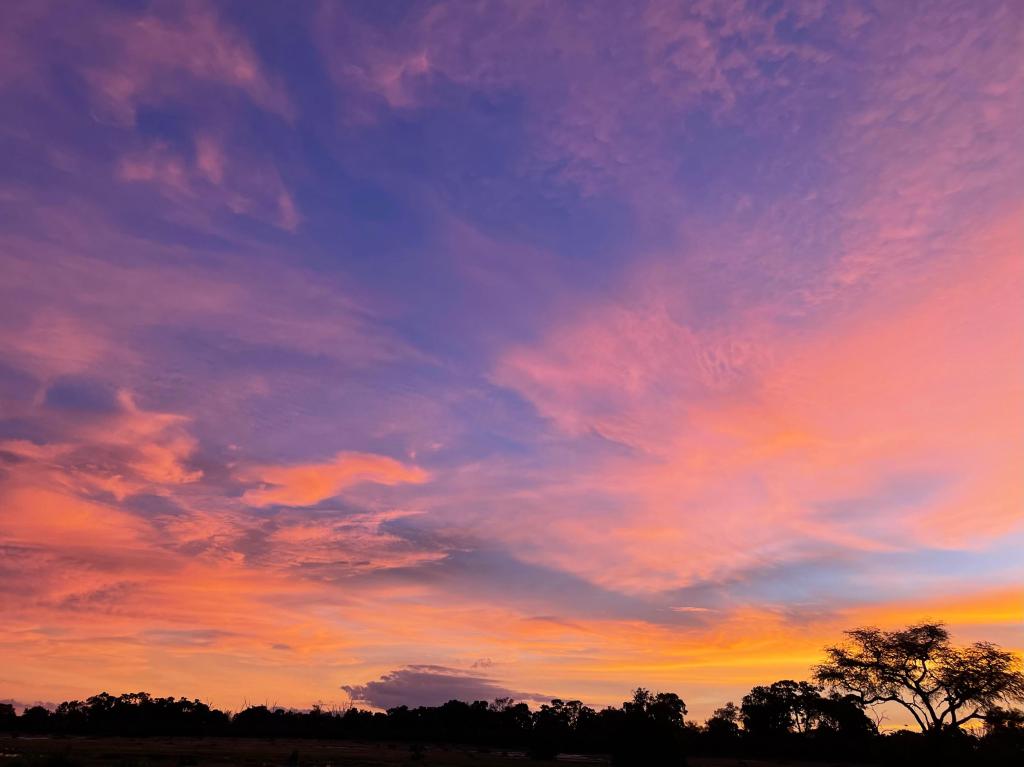
Botswana offers stunning sunsets
See for yourself:

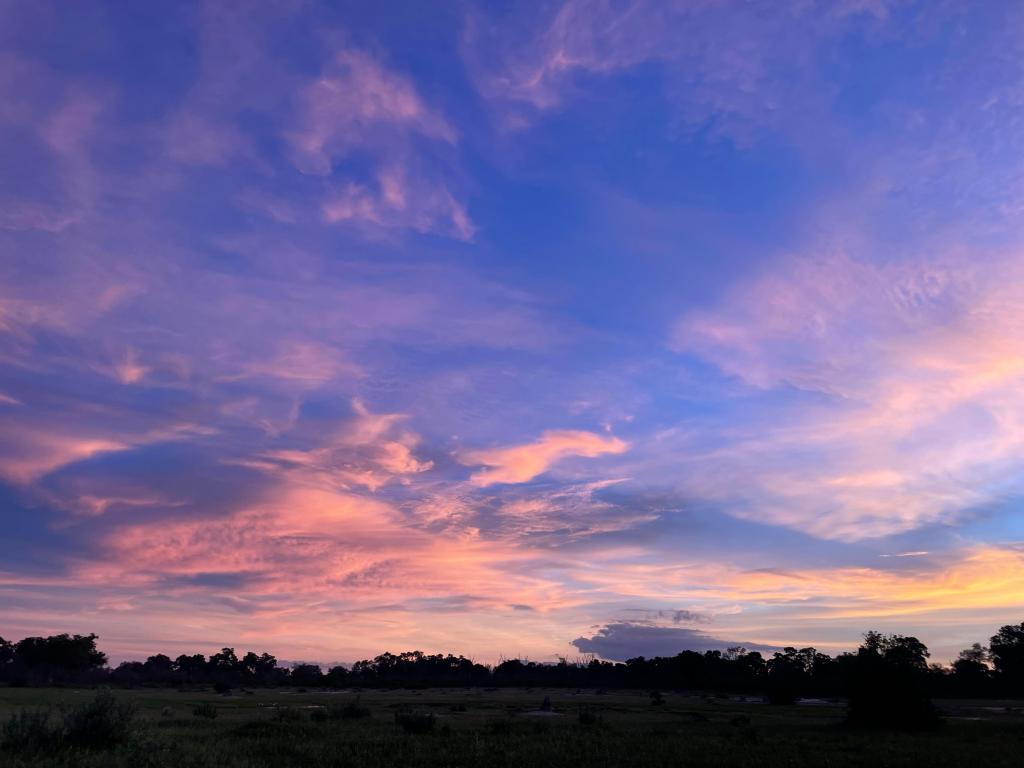


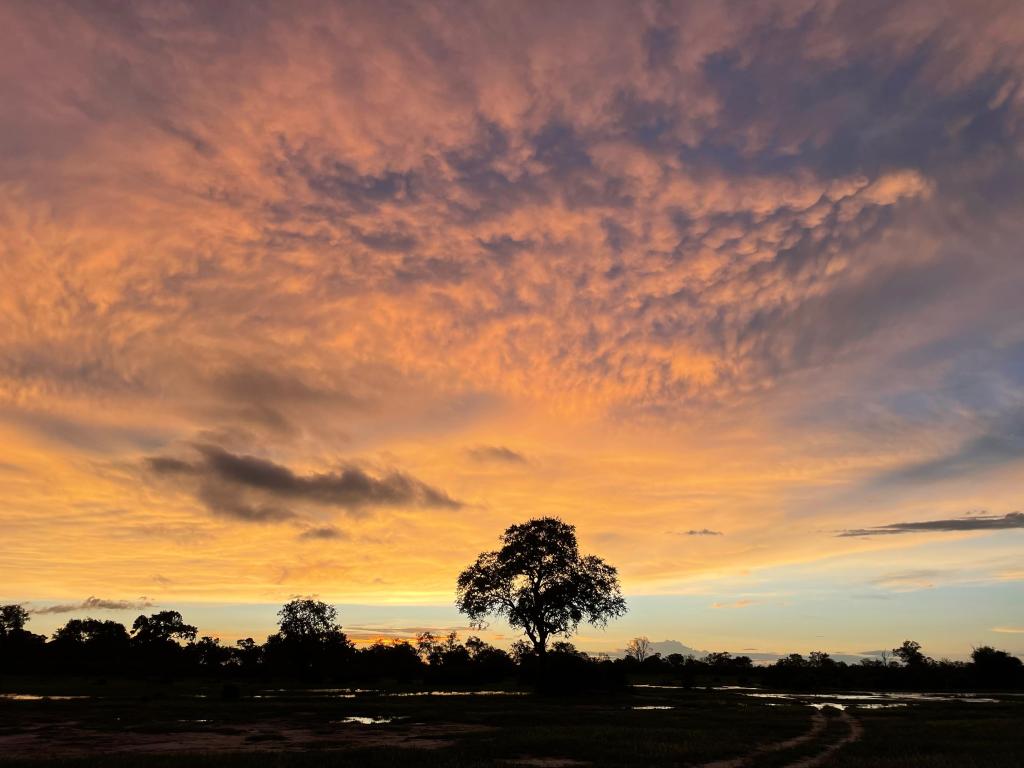


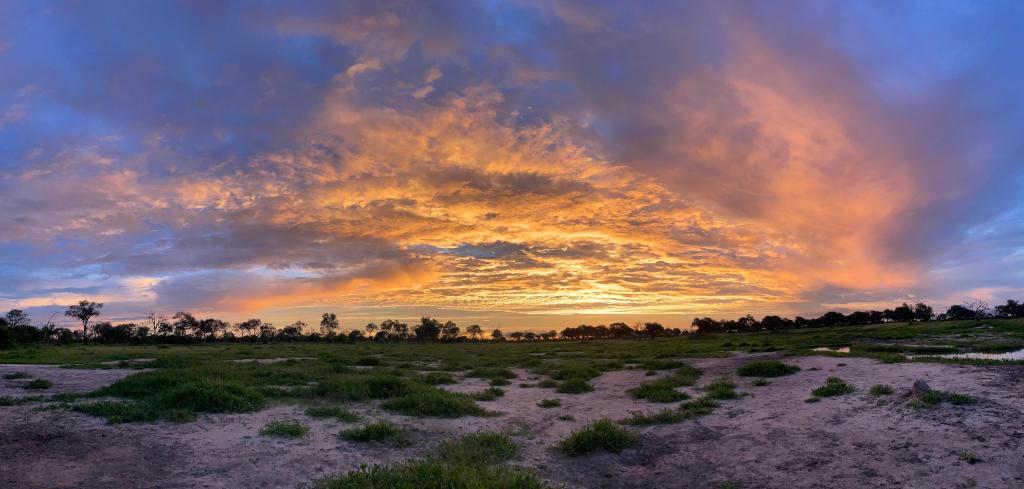
Lush and Abundant Vegetation
A Singing Culture
It would be incomplete to talk about Botswana without mentioning its wonderful sense of hospitality and incredible singing traditions. In many lodges, the staff welcome guests with songs and also perform a few songs during mealtimes.
Listen to the following samples:
Wildlife
Although the rainy season isn’t the best time for wildlife viewing—since animals are more dispersed, food and water are abundant, and the tall grass makes spotting them difficult—they don’t stick to the usual waterholes and can be anywhere. However, with experienced guides who know the area well, you can still observe some of the region’s wildlife. There’s also plenty of birdwatching, which I personally enjoyed.
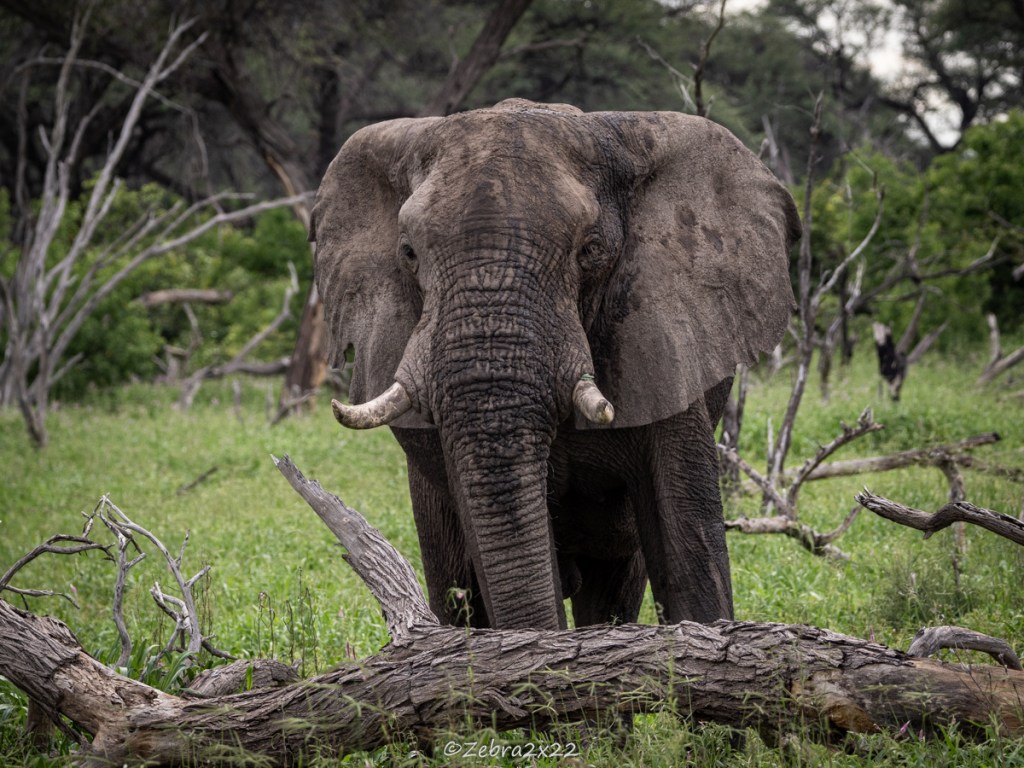
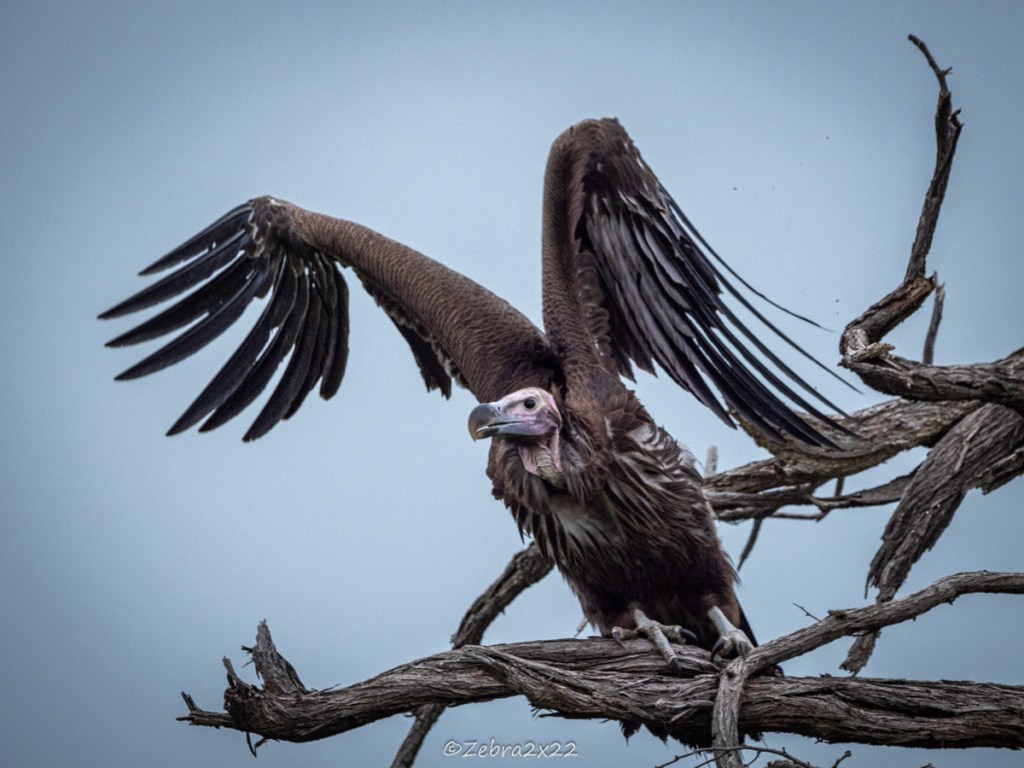
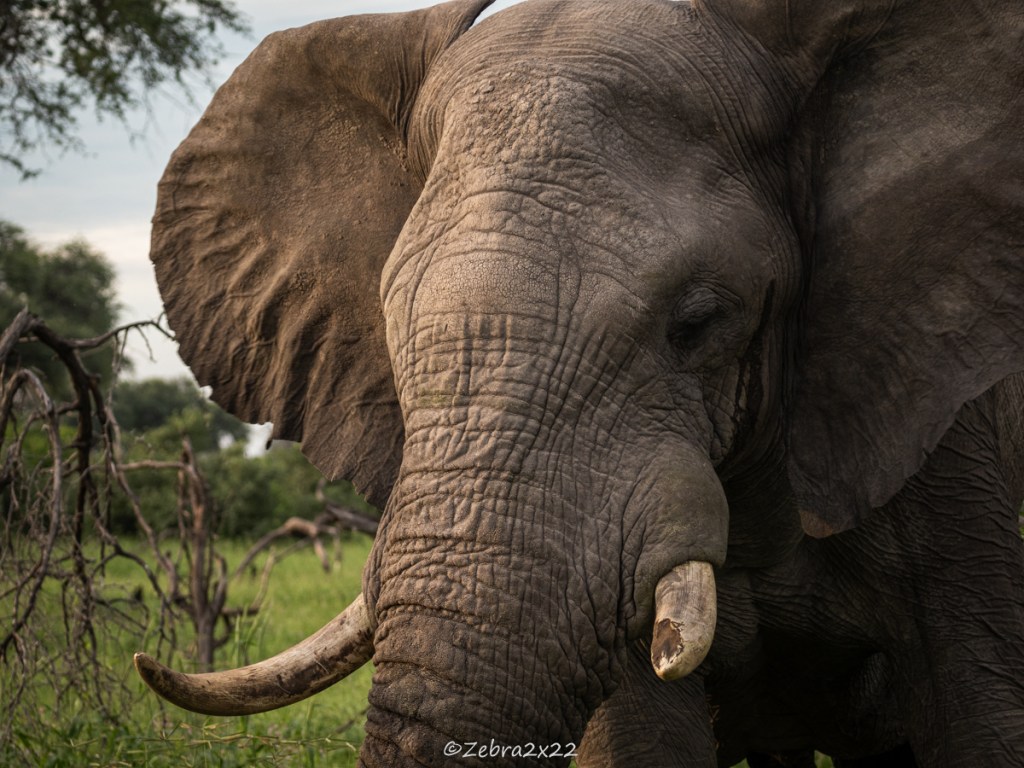


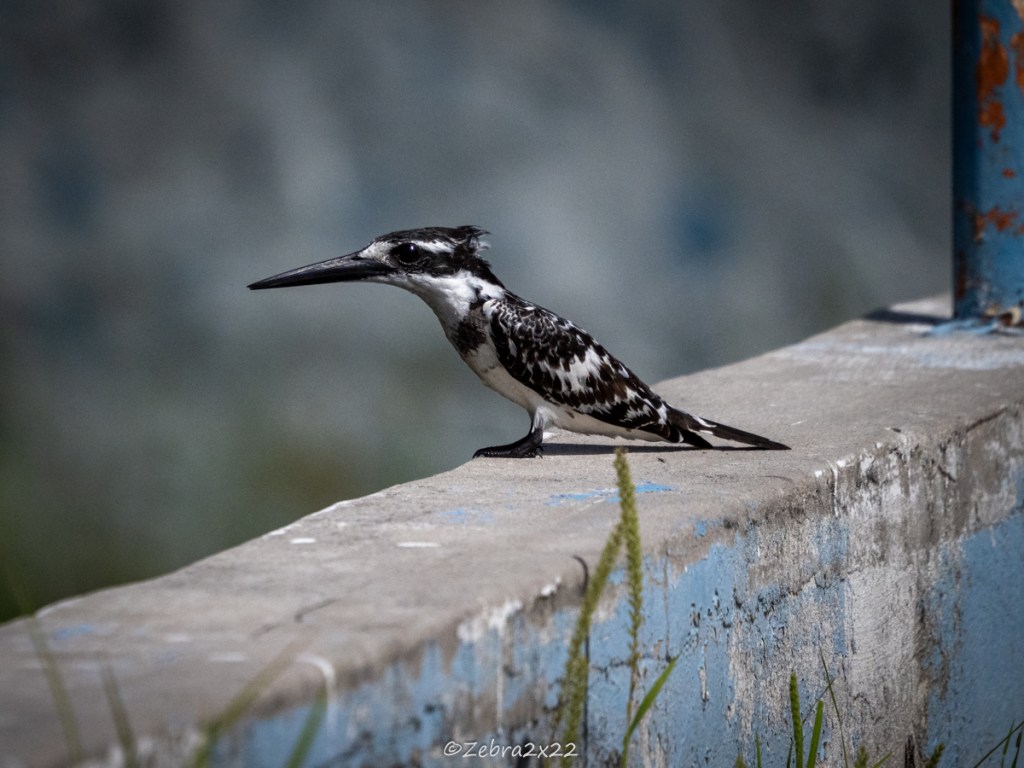
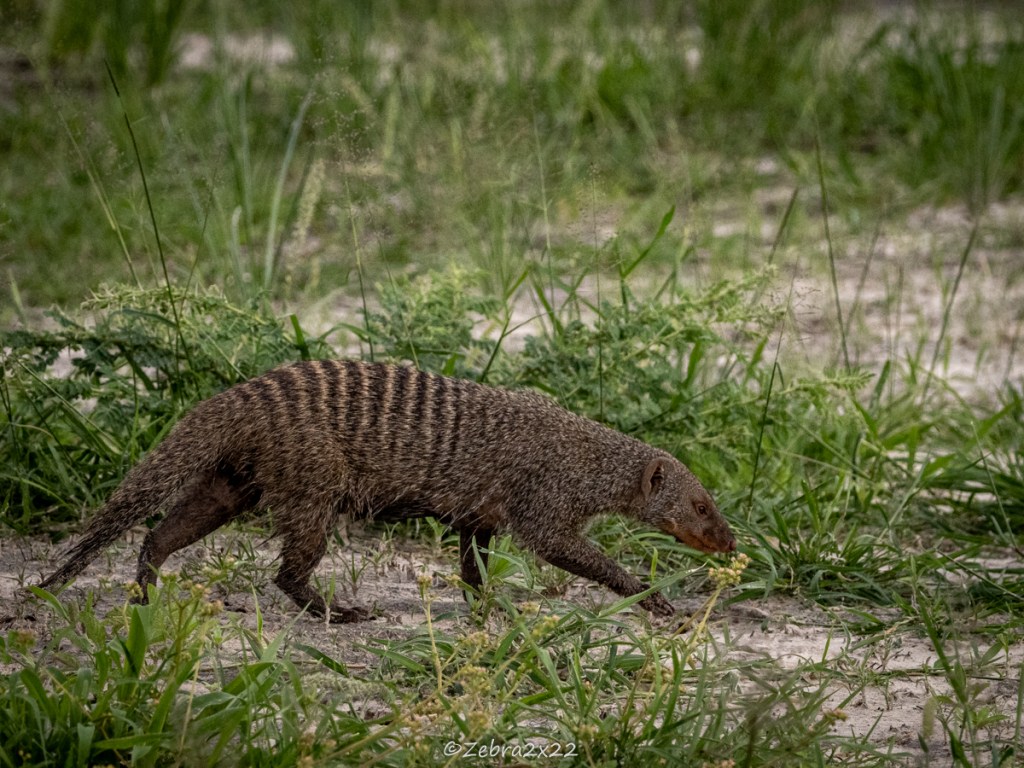

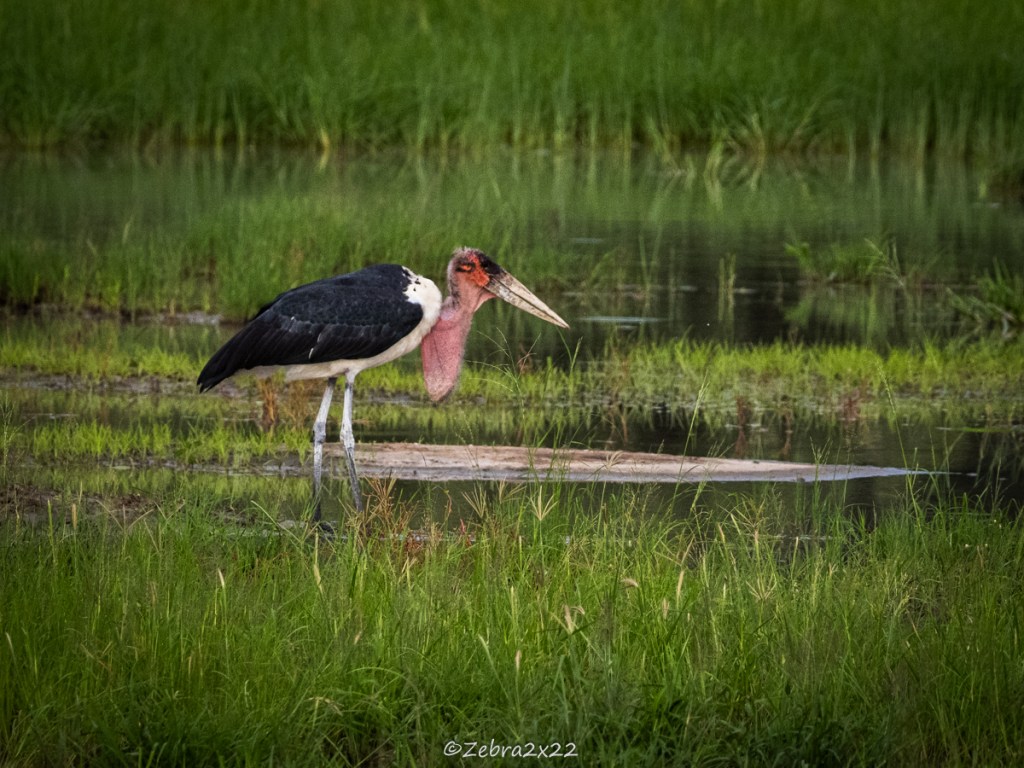

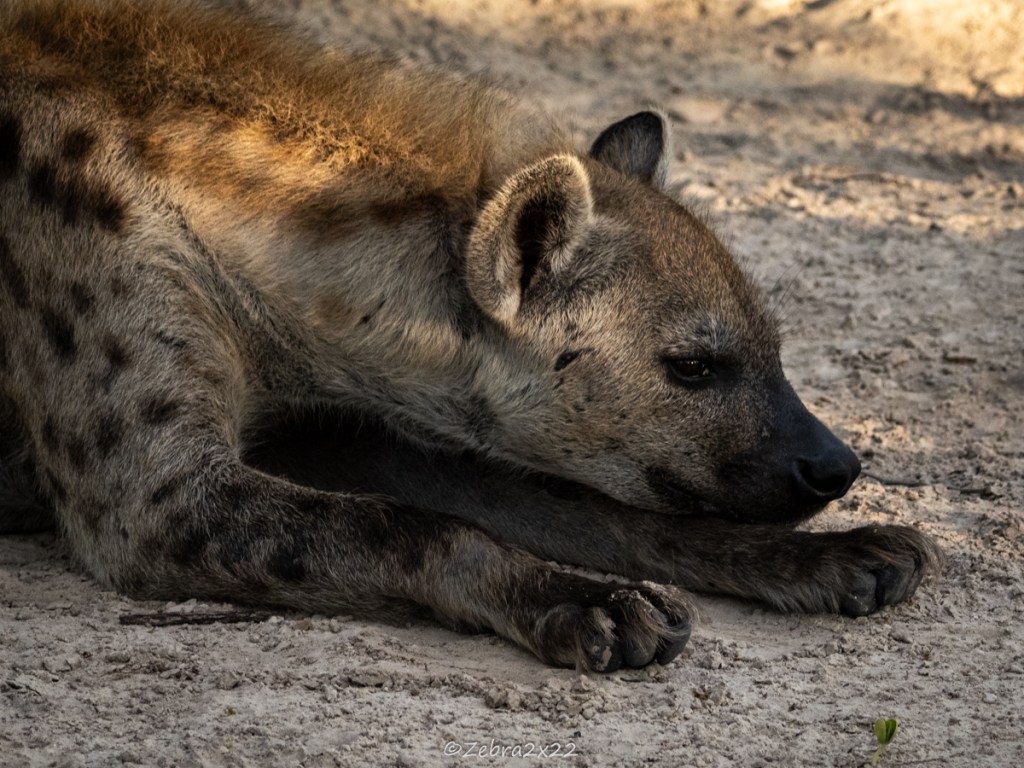

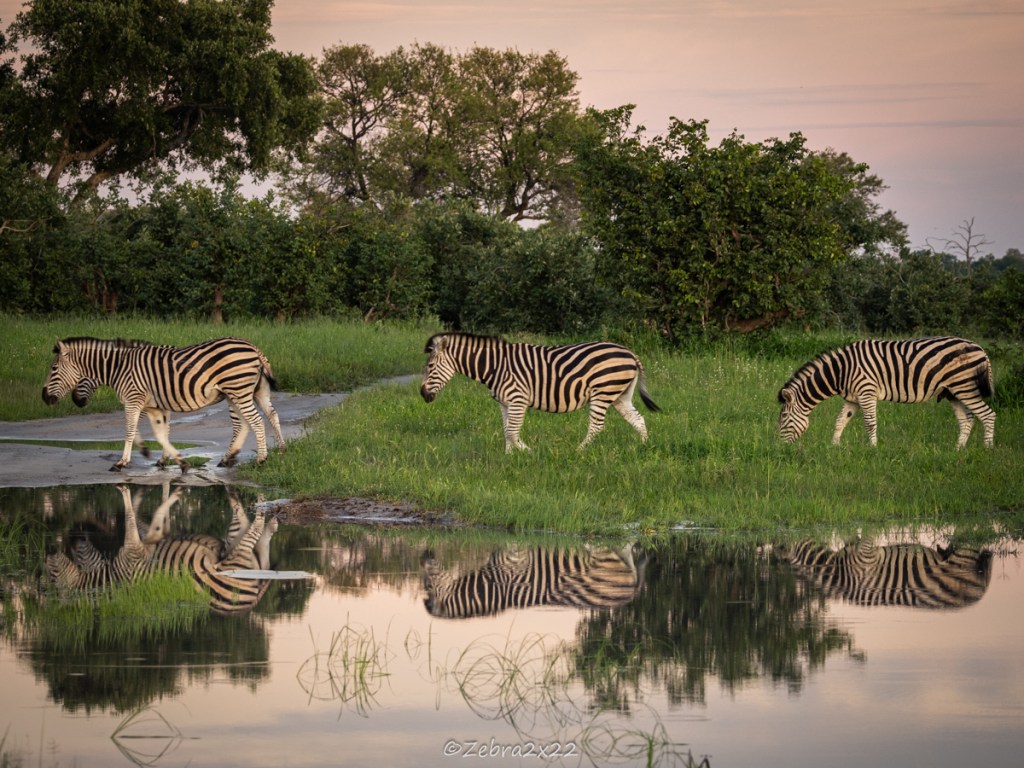
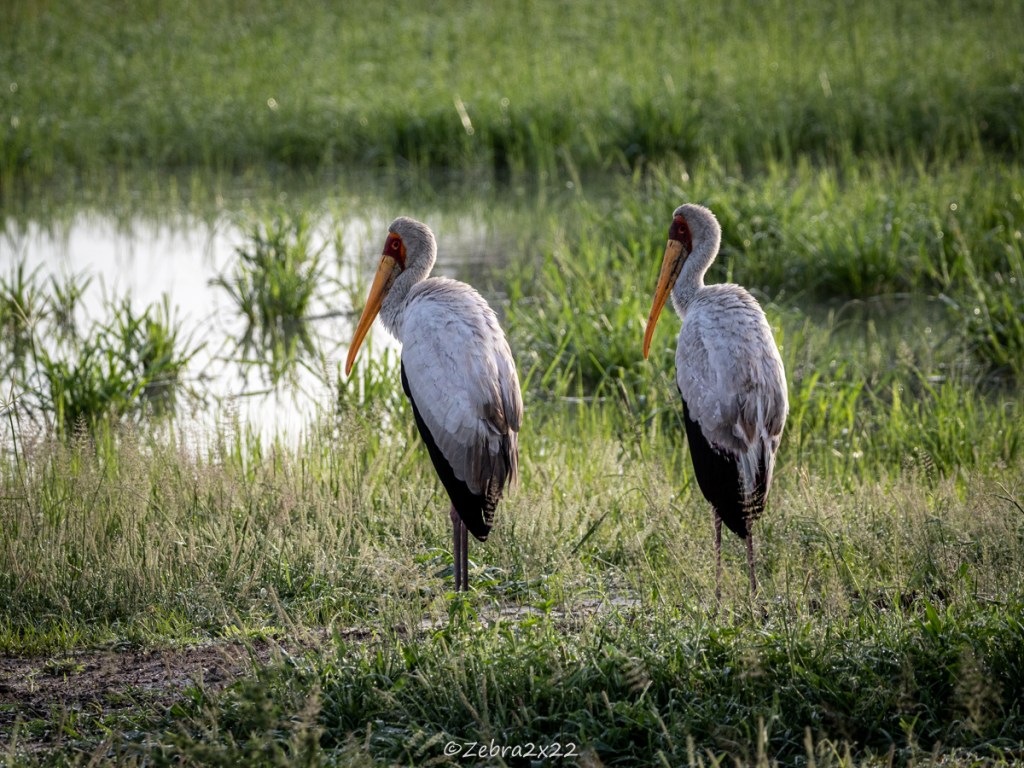

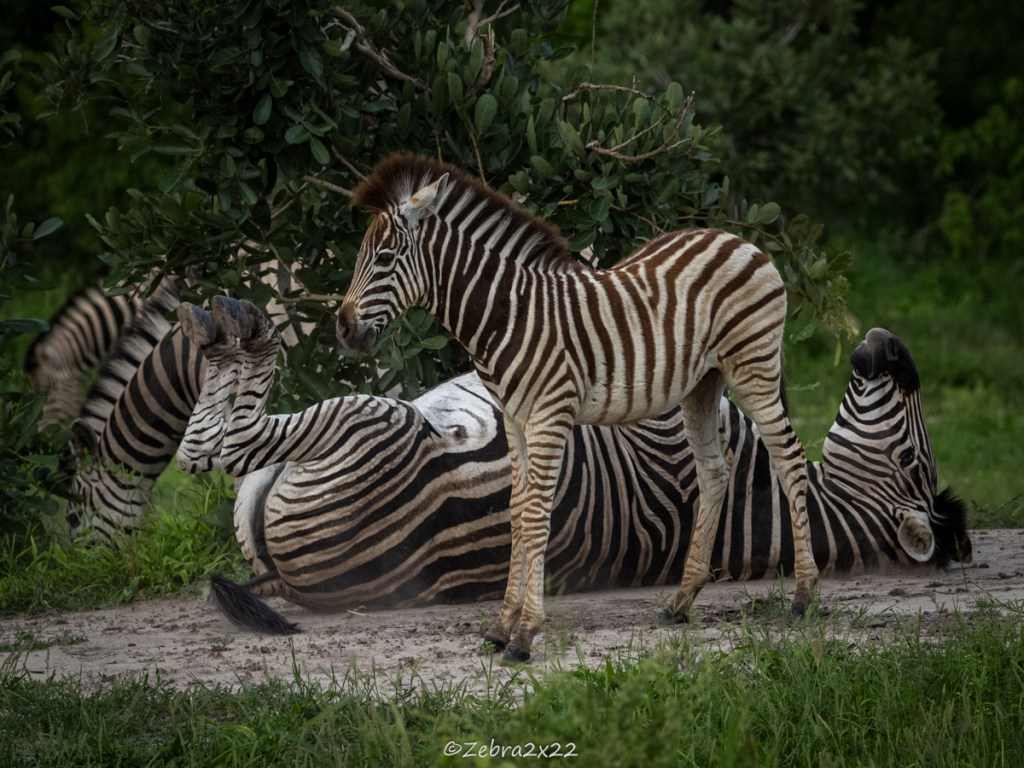

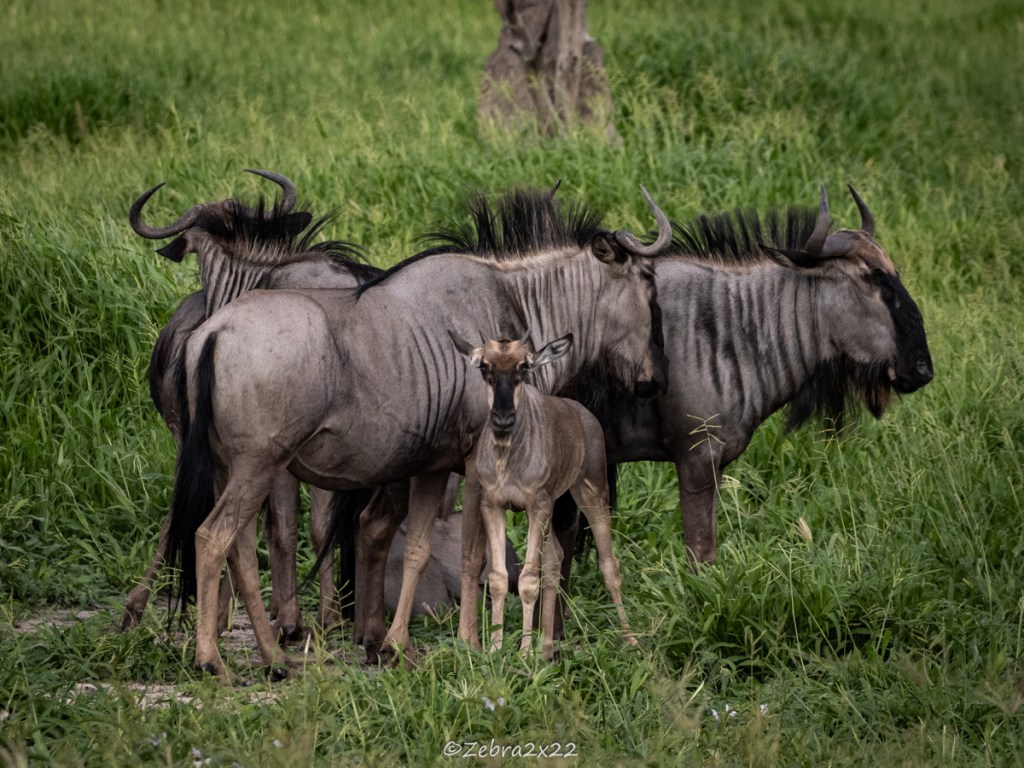
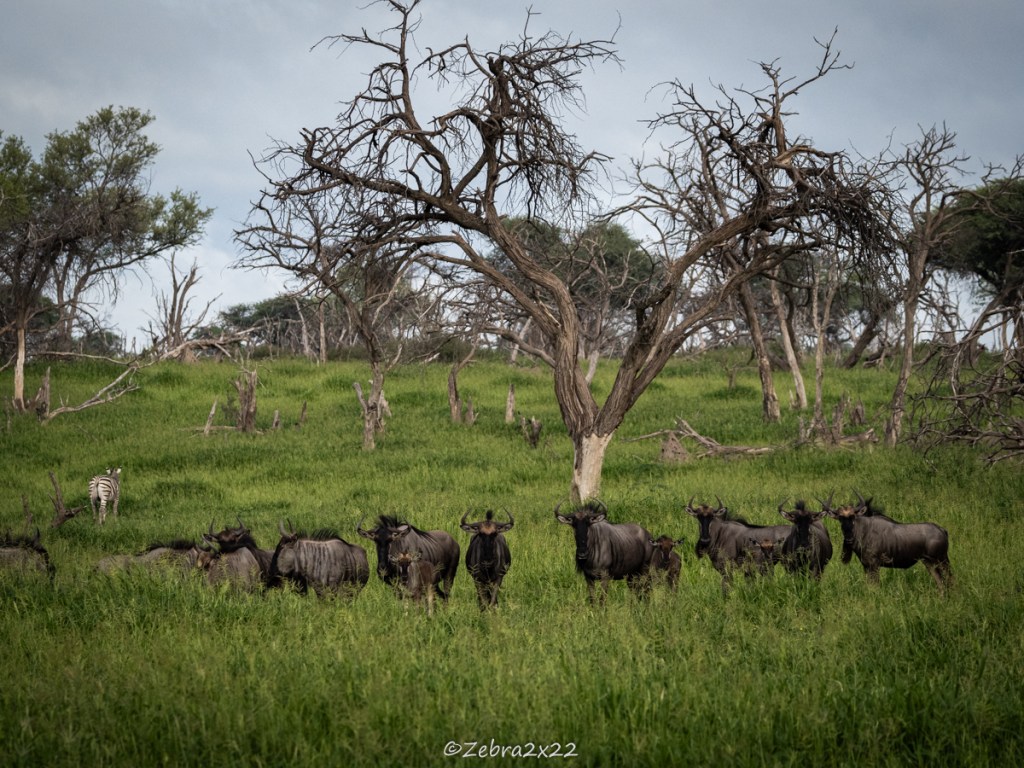
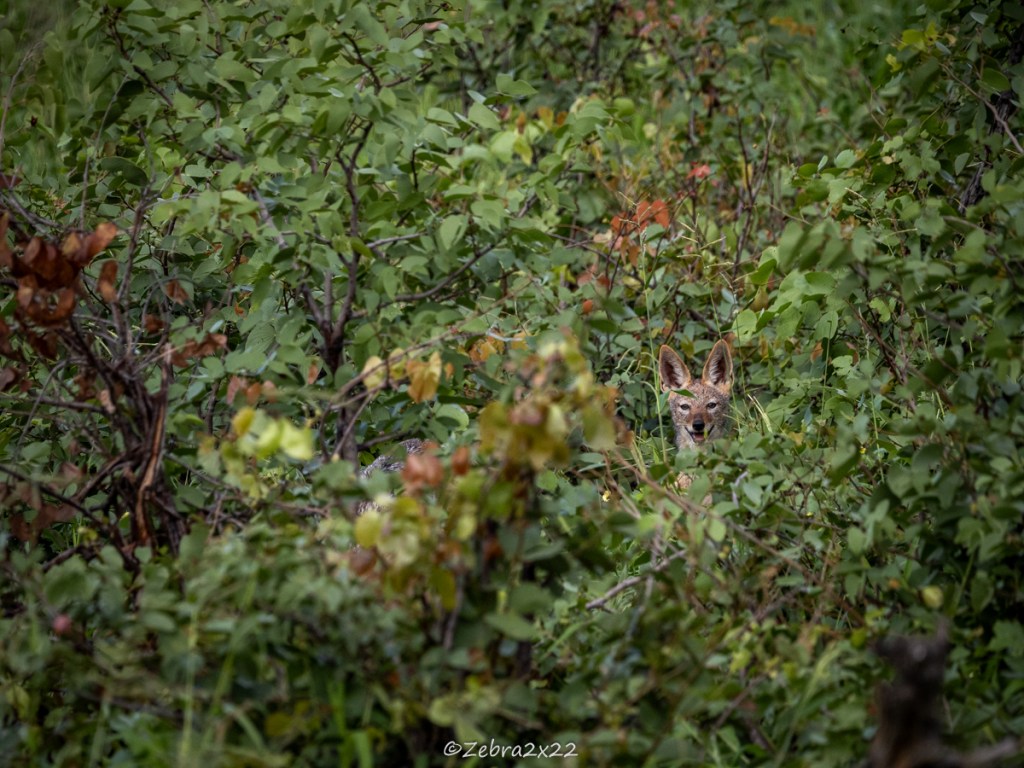
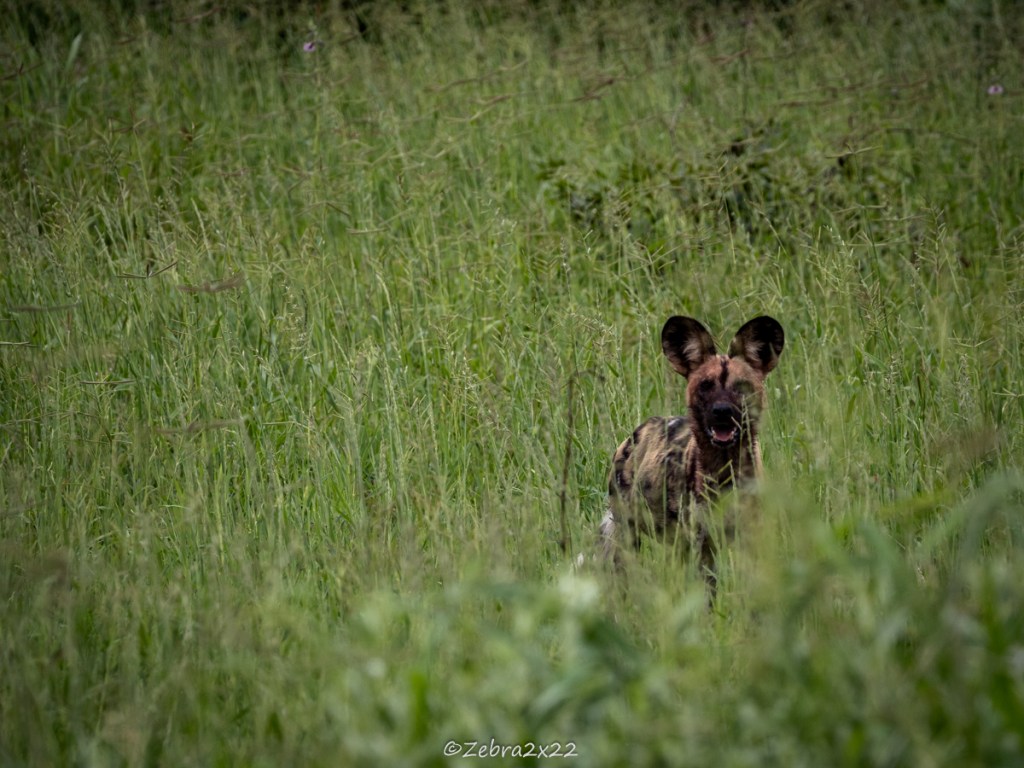
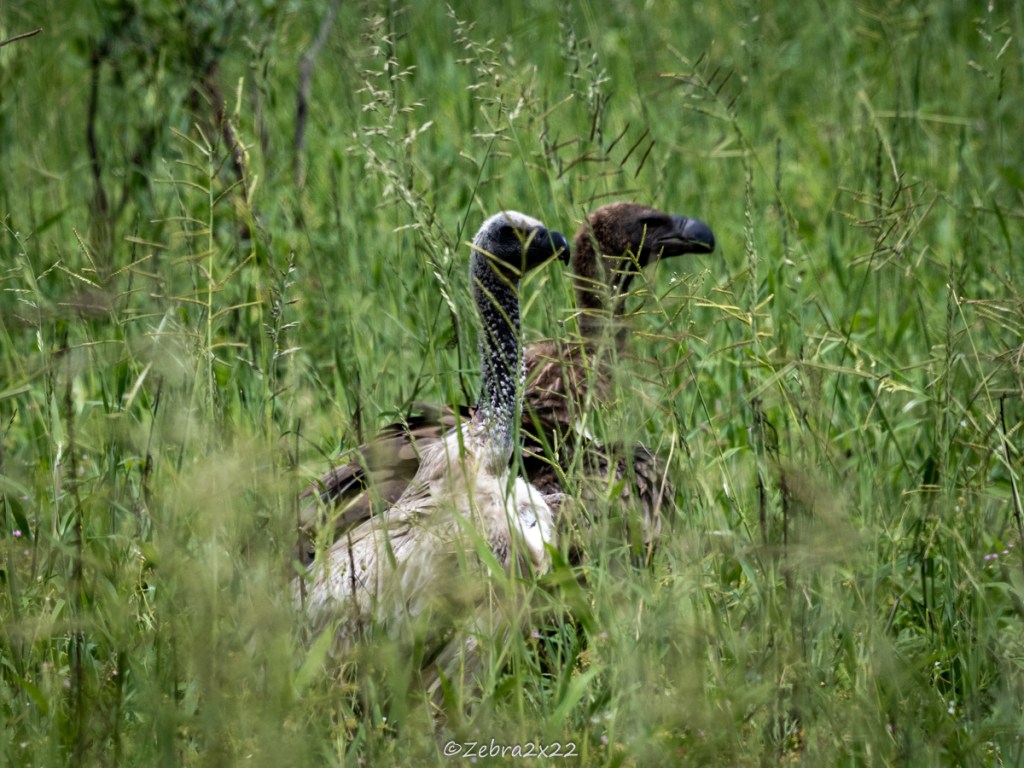

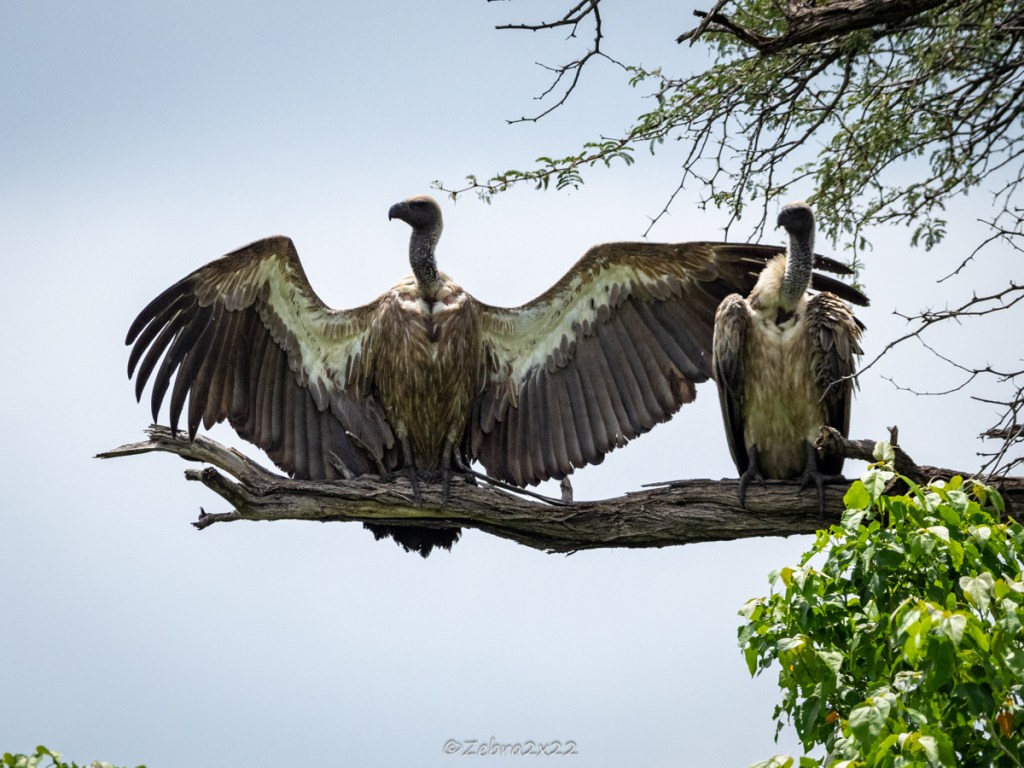
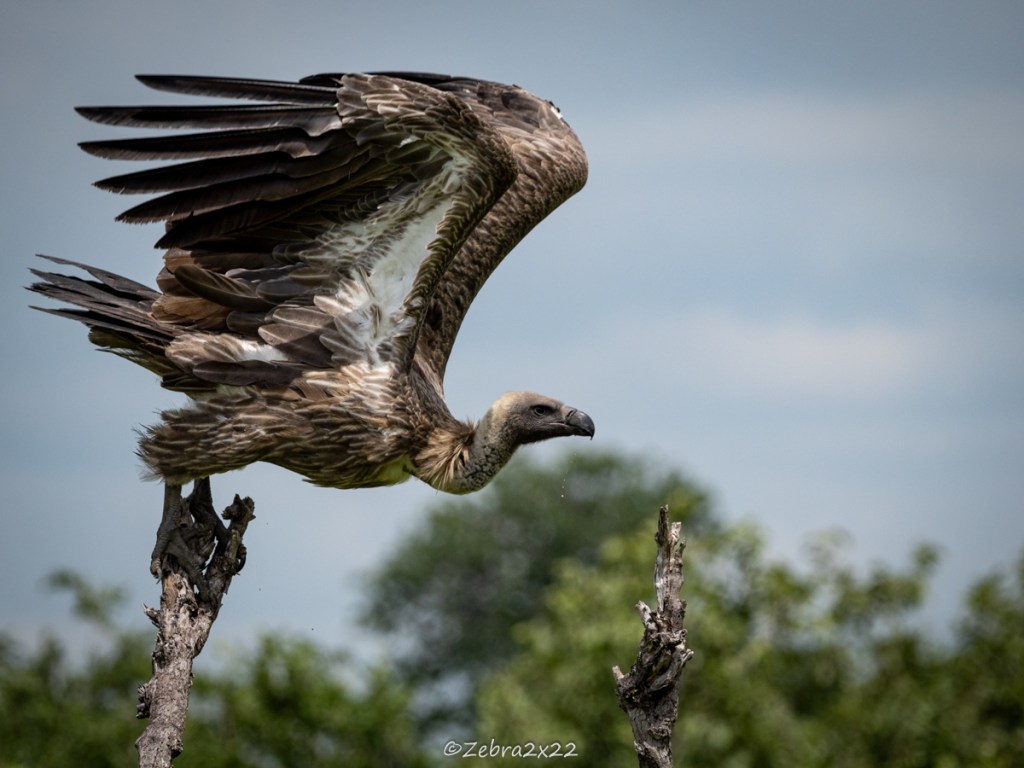

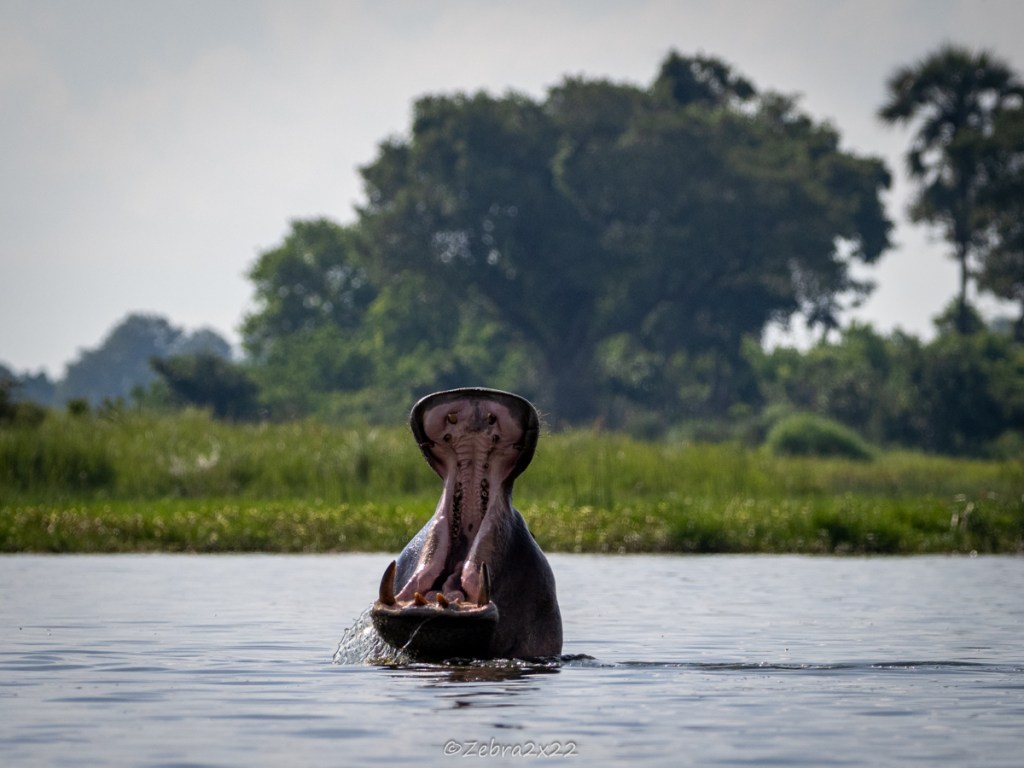
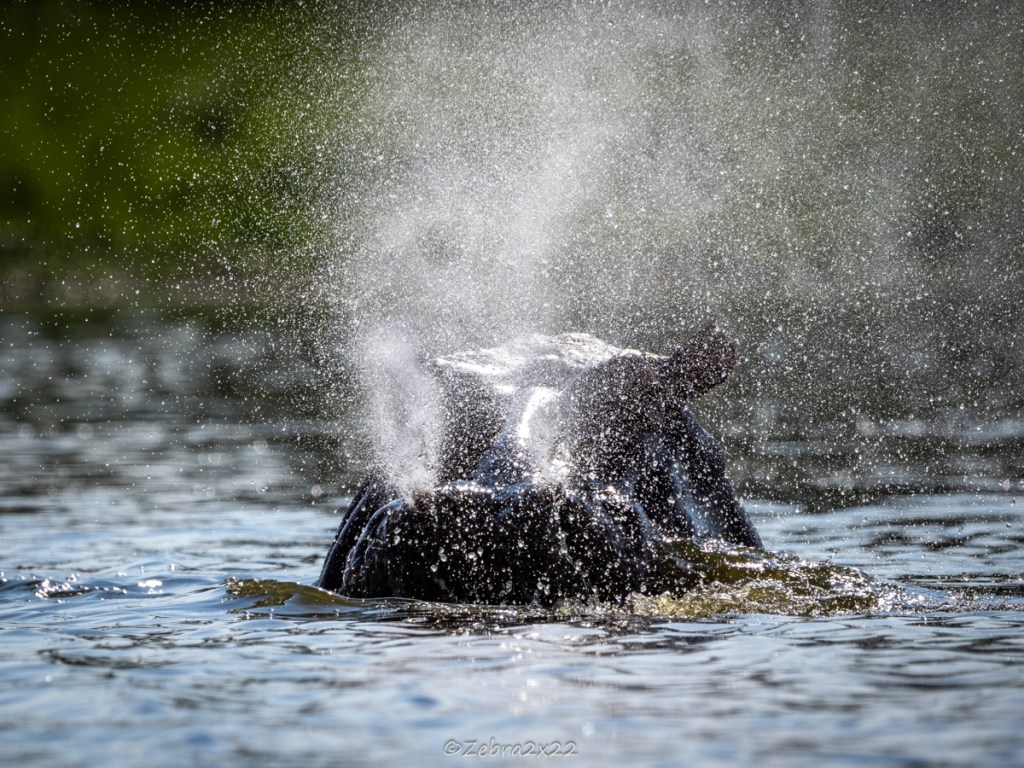

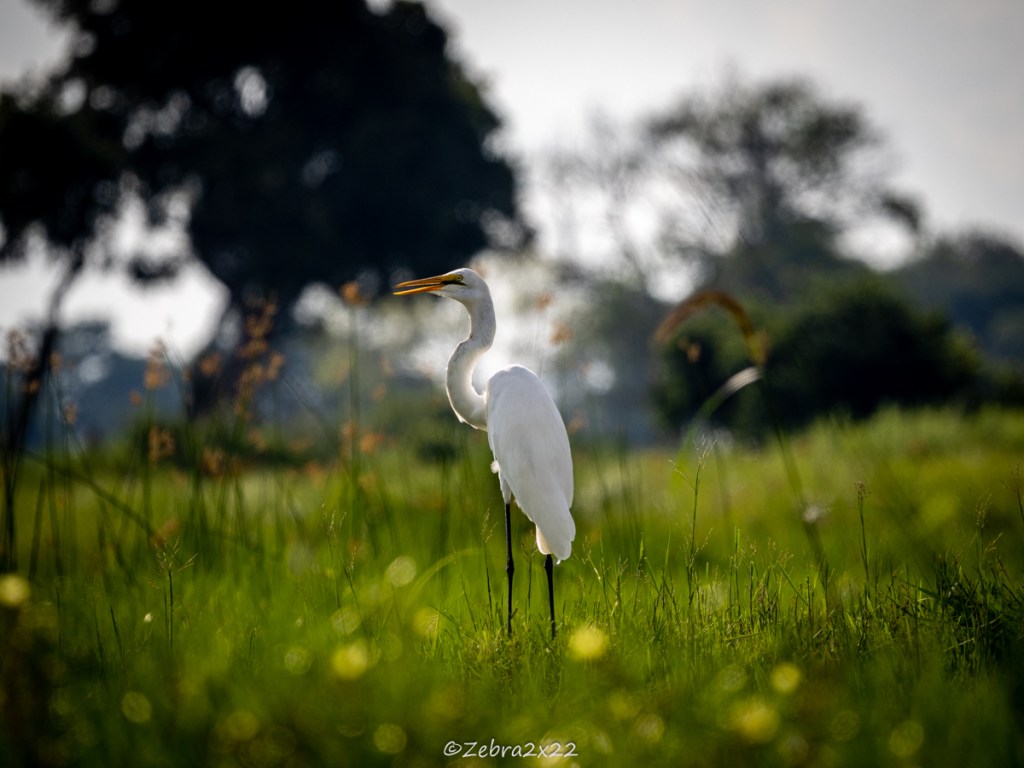
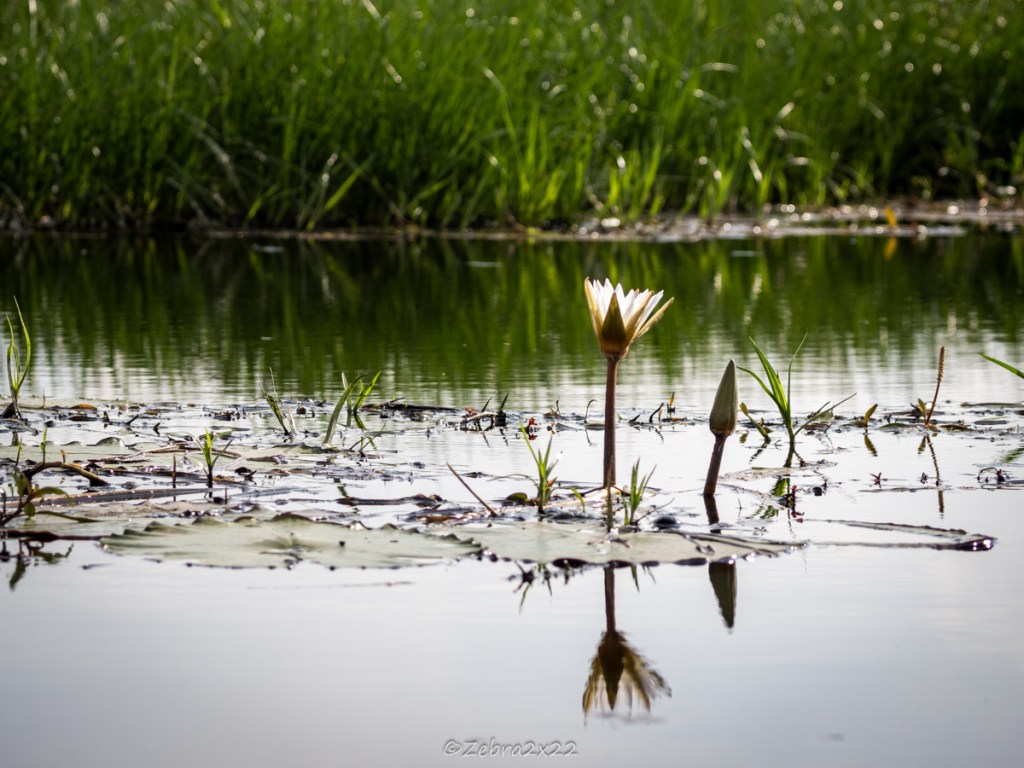
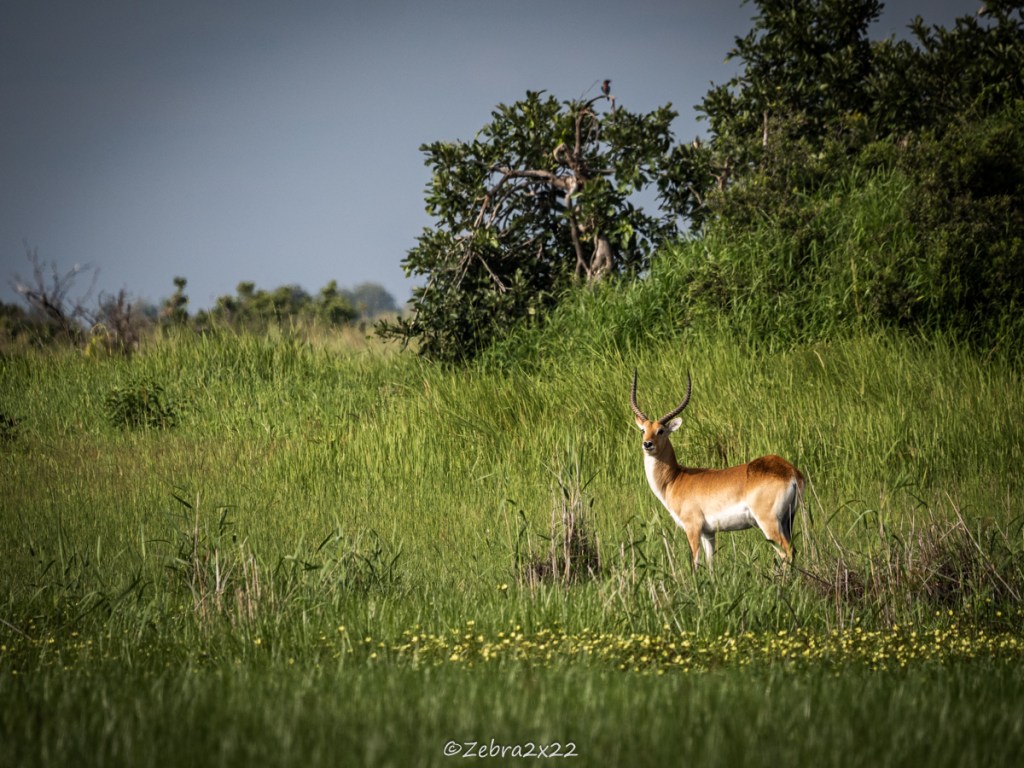
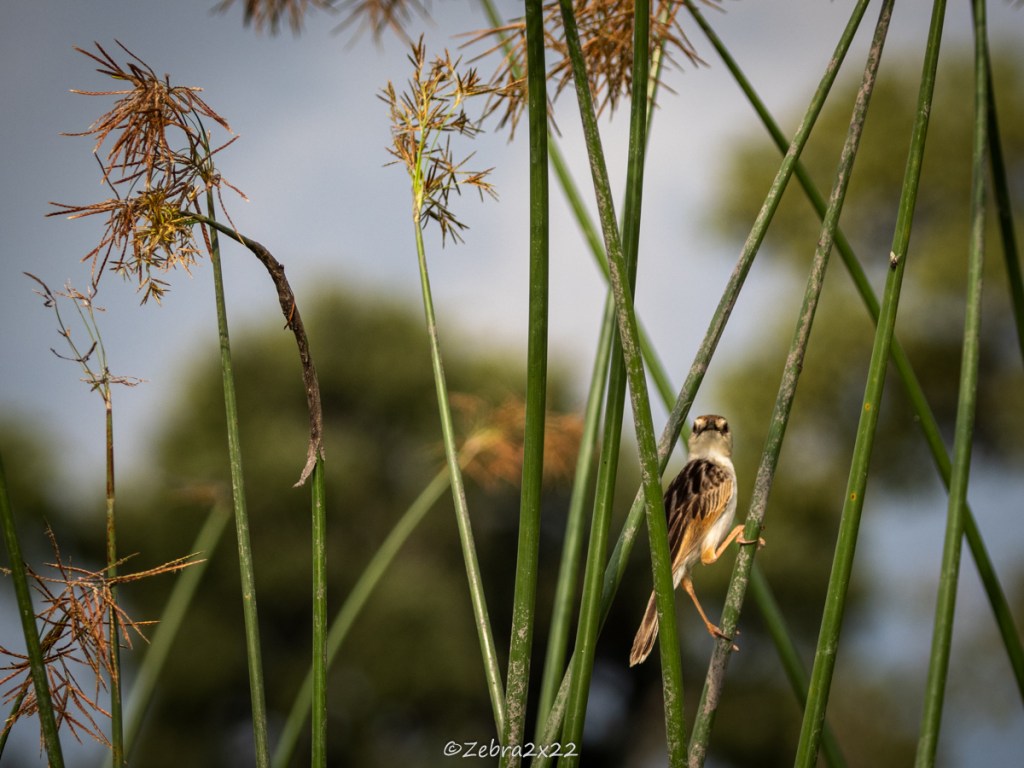
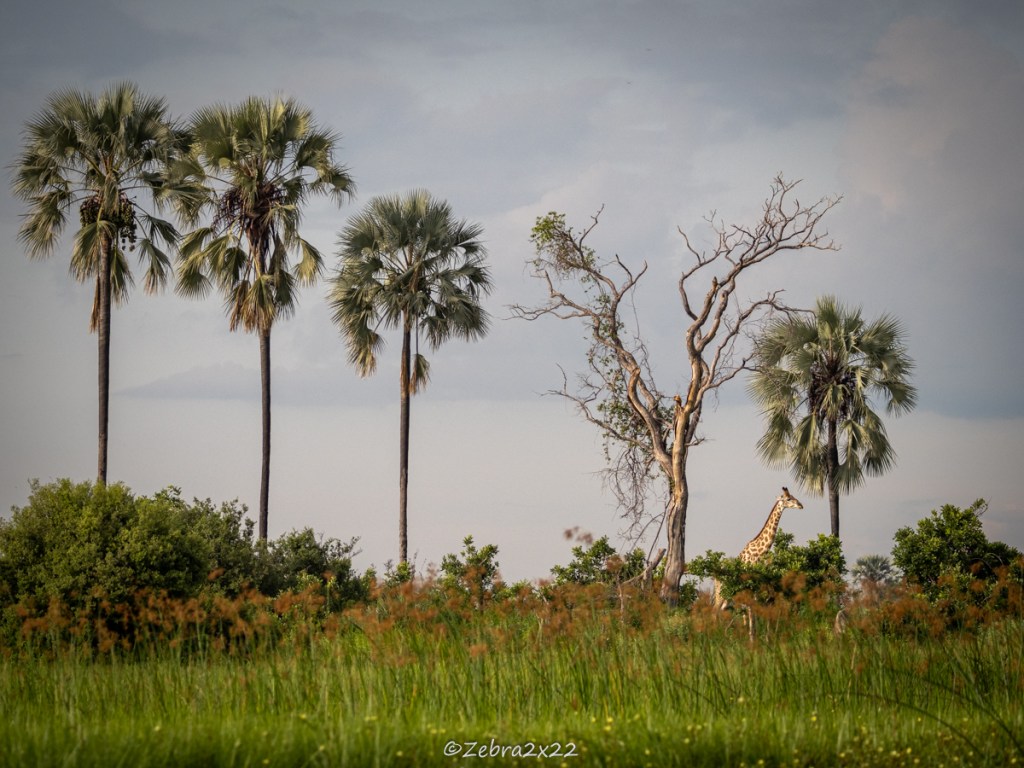
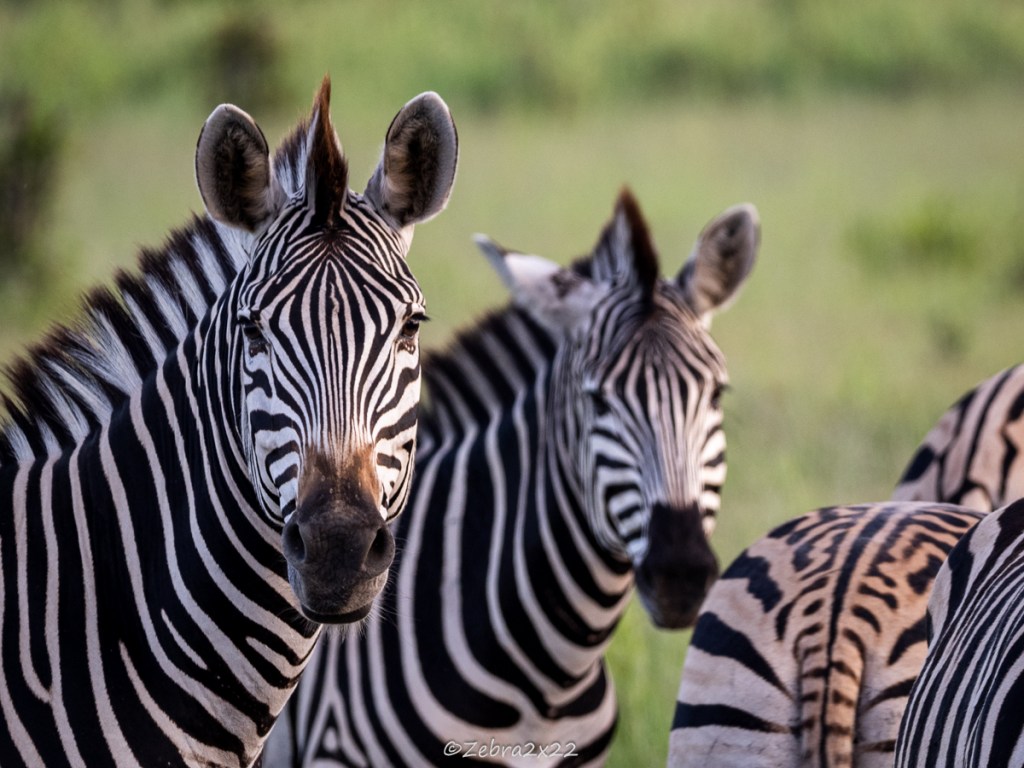
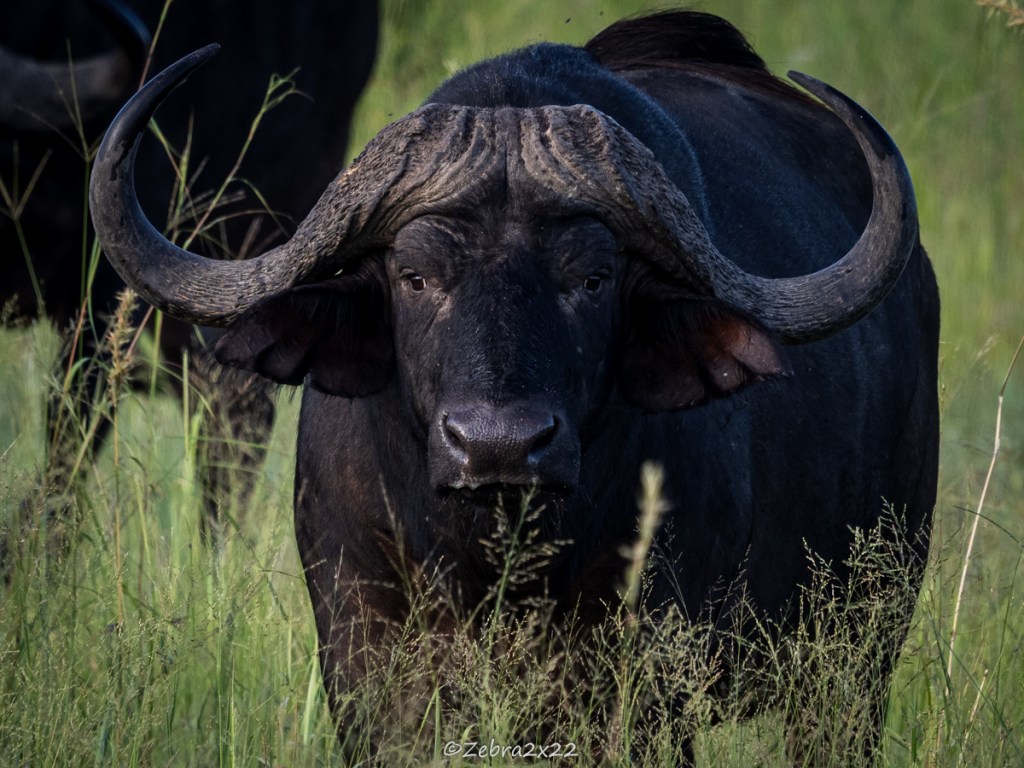

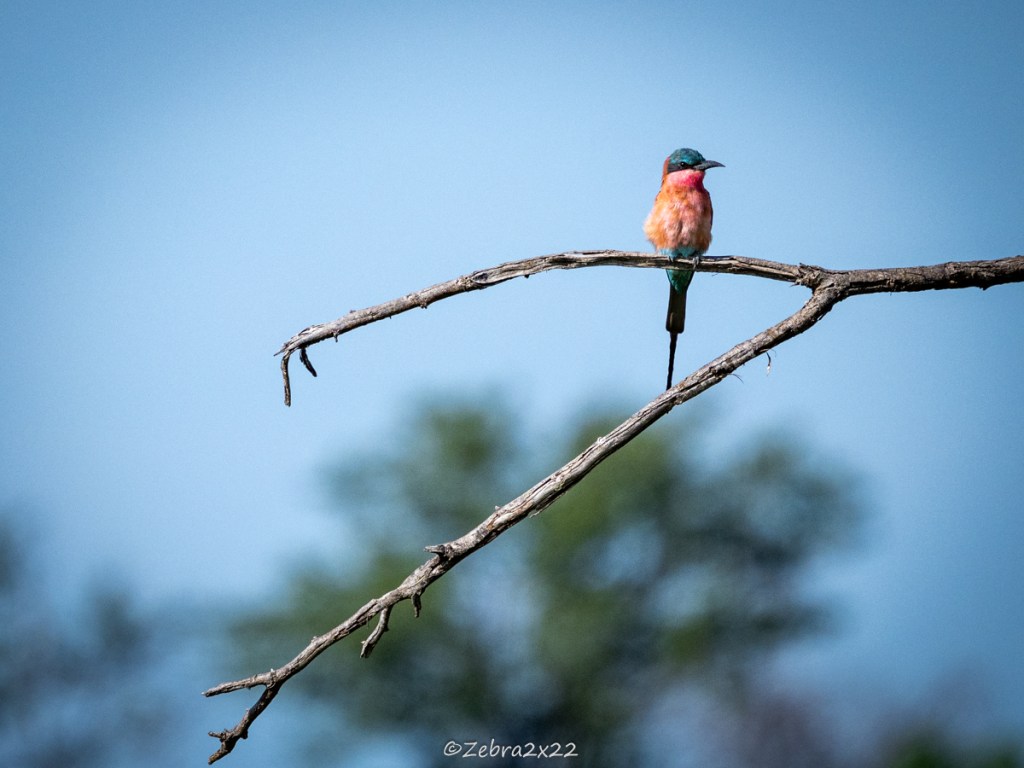
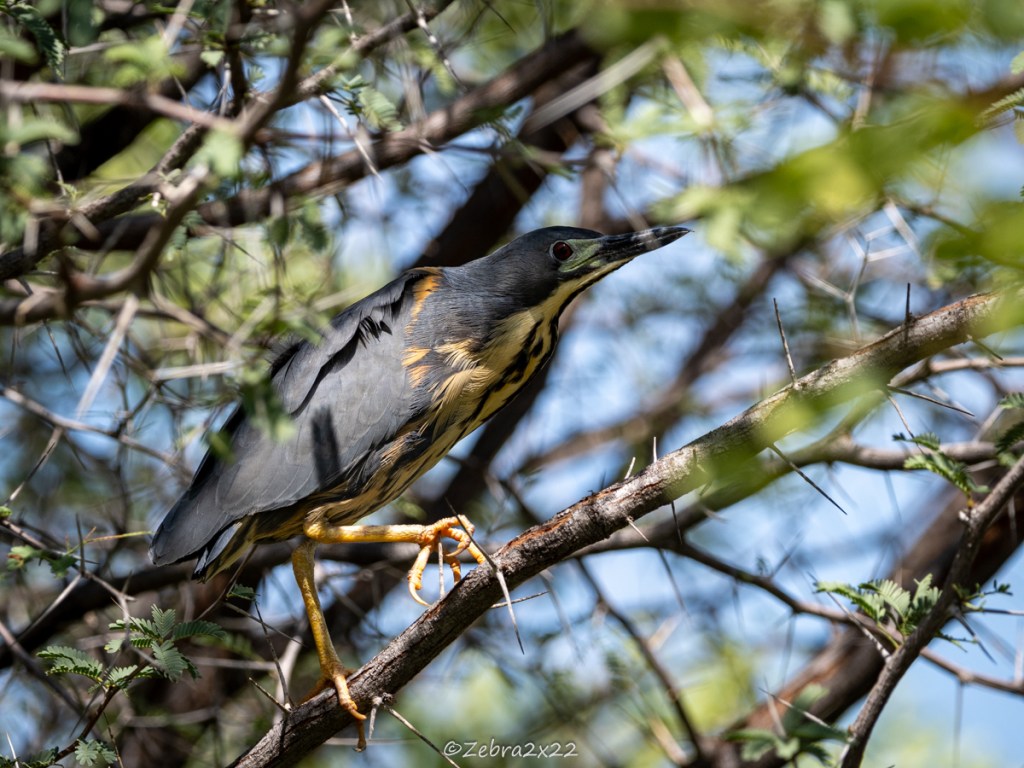
I had an incredible time in Botswana. The wildlife, birds, and vegetation were amazing, and the adventure was definitely one to remember!

 Zebra2x22
Leave a comment