
During my time away from South Africa, I was lucky to spend two weeks on the island of Saint Helena.
The original purpose of the trip was to dive and snorkel with whale sharks. The island is said to be the only known place where adult males and females can be seen together. Elsewhere, 88% of recorded sightings are of sub-adult males, or females in the Galapagos. Little is known about these wild animals, and much more research is needed—particularly on their reproduction cycle and mating habits.
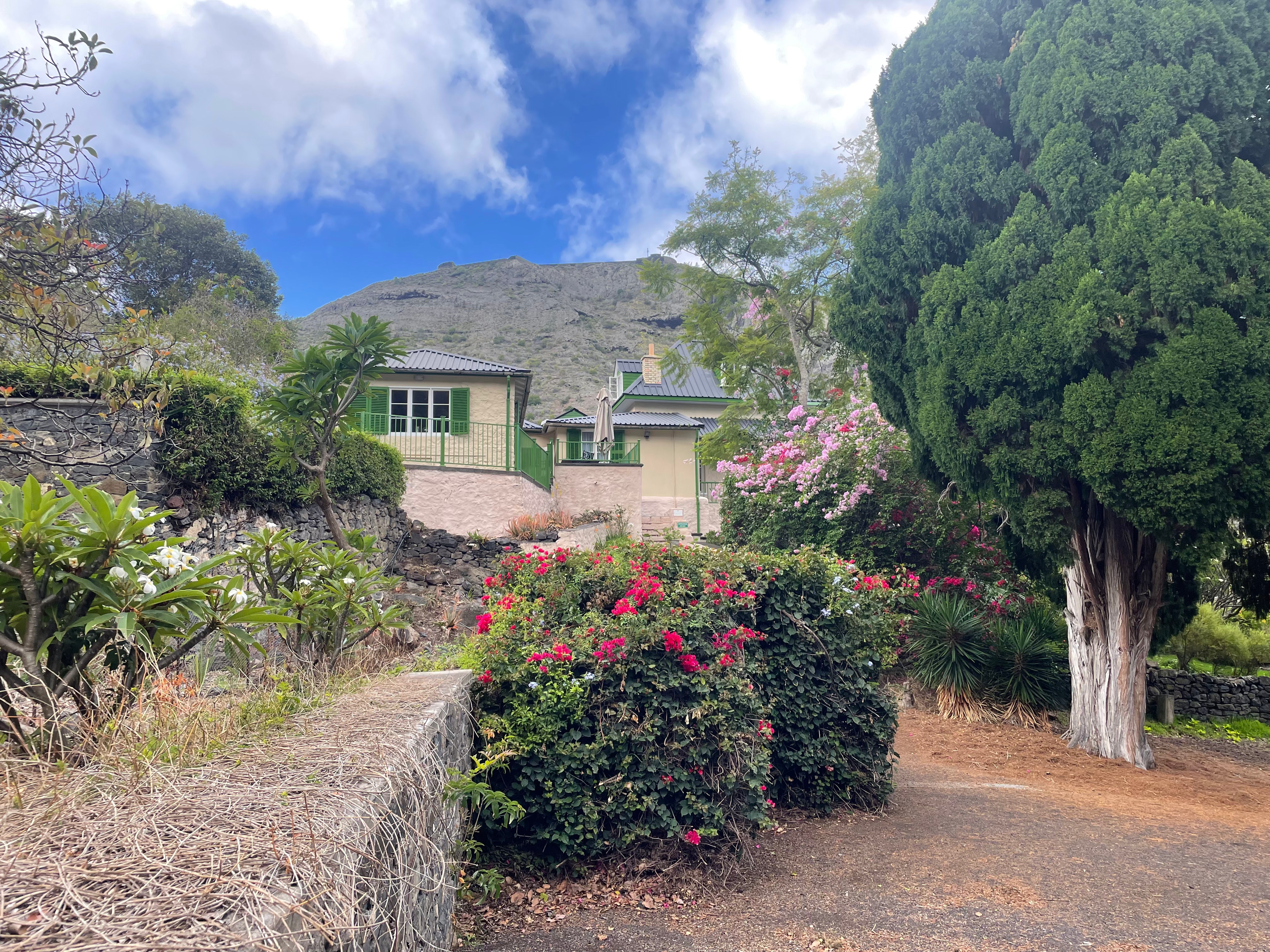
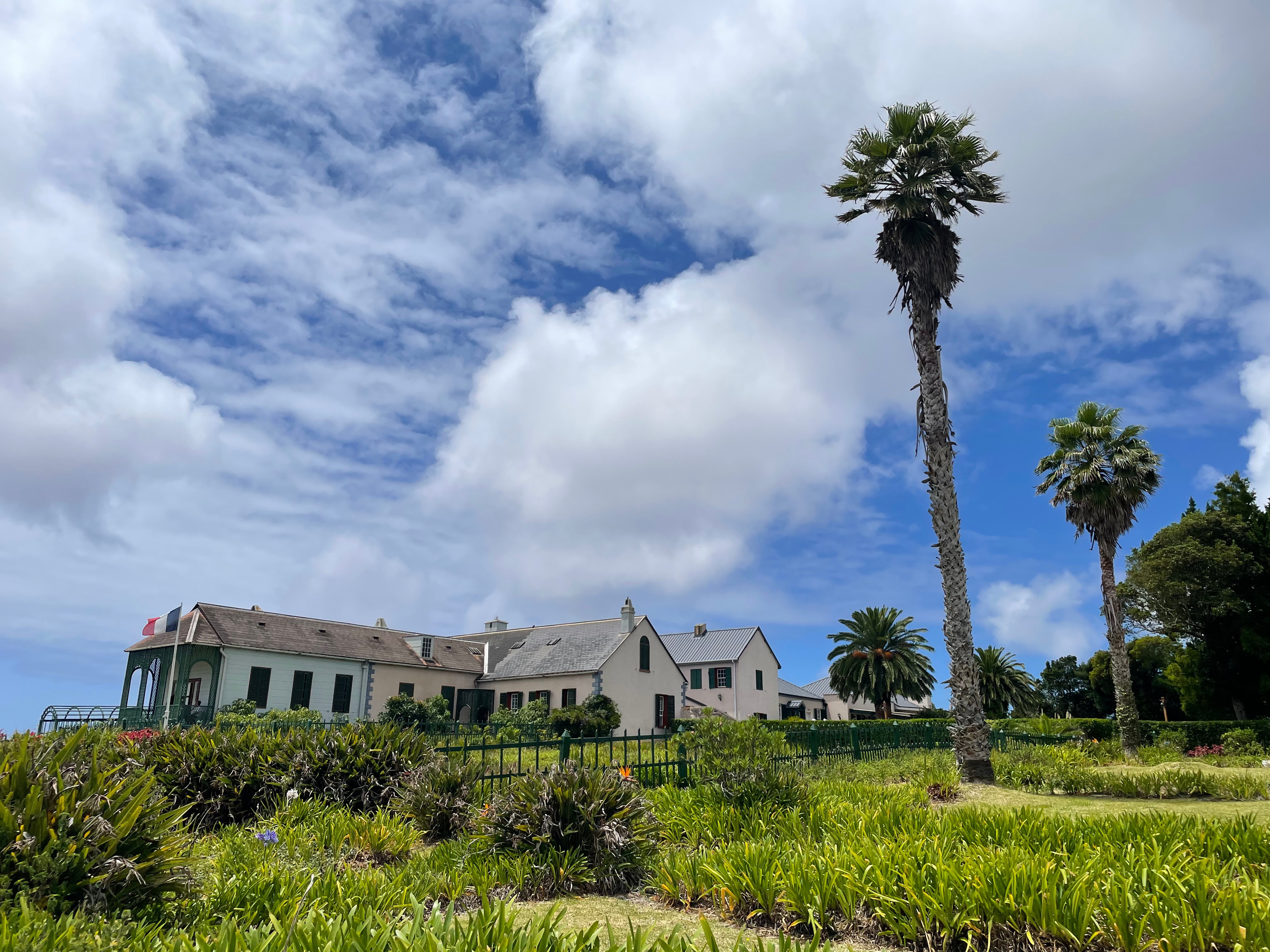
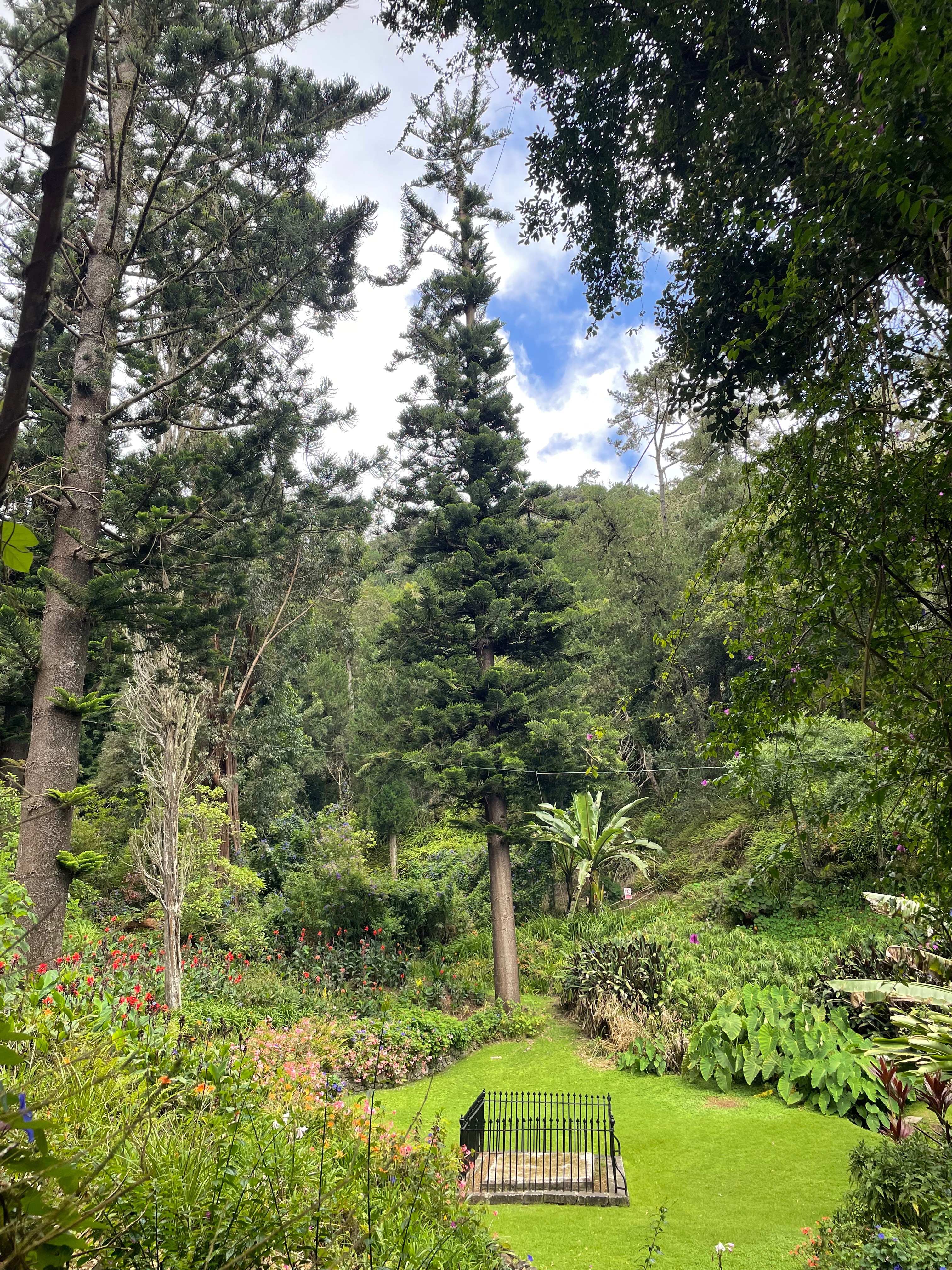
Saint Helena is well known in France for being the place of Napoleon’s exile from 1815 until his death in 1821. Visitors can explore the sites where he lived and where he was originally buried before being exhumed in 1840, when his body was returned to France. These historical sites provide insight into his time on the island and how it impacted the island itself.



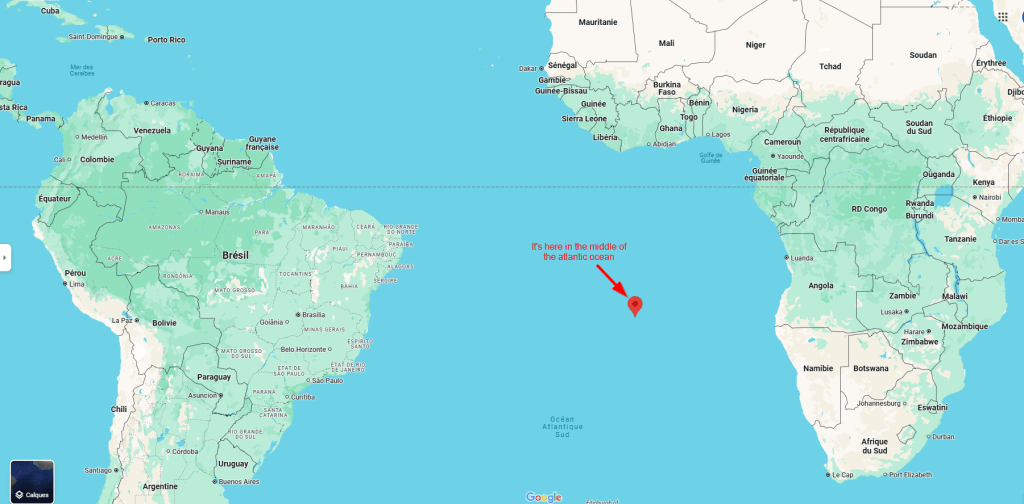
This remote British territory is located in the middle of the Atlantic Ocean, west of Angola. Its strategic position made it a crucial stop for ships to replenish fresh water and supplies—especially before the opening of the Suez Canal. Even today, its location remains significant.
The island has a population of just under 4,000 people, but this number is steadily declining due to negative net migration. Entire families leave the island in search of better educational opportunities for their children, as scholarships are no longer available and wage disparities between Saint Helena and other countries are large. A typical salary ranges between £10,000 and £14,000 per year. In 2024 alone, the island recorded 50 deaths compared to just 13 births, and 17 businesses shut down without successors to take over. One of our guides mentioned that out of 120 people who attended school the same year as him, only five have remained and built their lives on the island including his wife. Understandably, this demographic shift is a growing concern for the locals.
Getting to the Island
Before 2018, the only way to reach Saint Helena was by boat. An airport was then built, and now there are two flights per week connecting the island to South Africa—either Cape Town or Johannesburg—between December and March. For the rest of the year, only one weekly flight operates from Johannesburg.
Weather conditions play a major role in accessing the island. If visibility is too low, the plane cannot land, meaning travelers may be stuck either on the island or in South Africa for extra days. If a flight is unable to land, it will attempt again the next day, but if conditions remain unfavorable, passengers may have to wait an entire week for the next scheduled flight.
Travelers are required to provide proof of travel insurance covering at least $175,000 for repatriation costs. However, enforcement of this rule seems unclear, as it is possible to purchase travel insurance while already on the island and should not prevent tourists to get on the plane.
Life on the Island
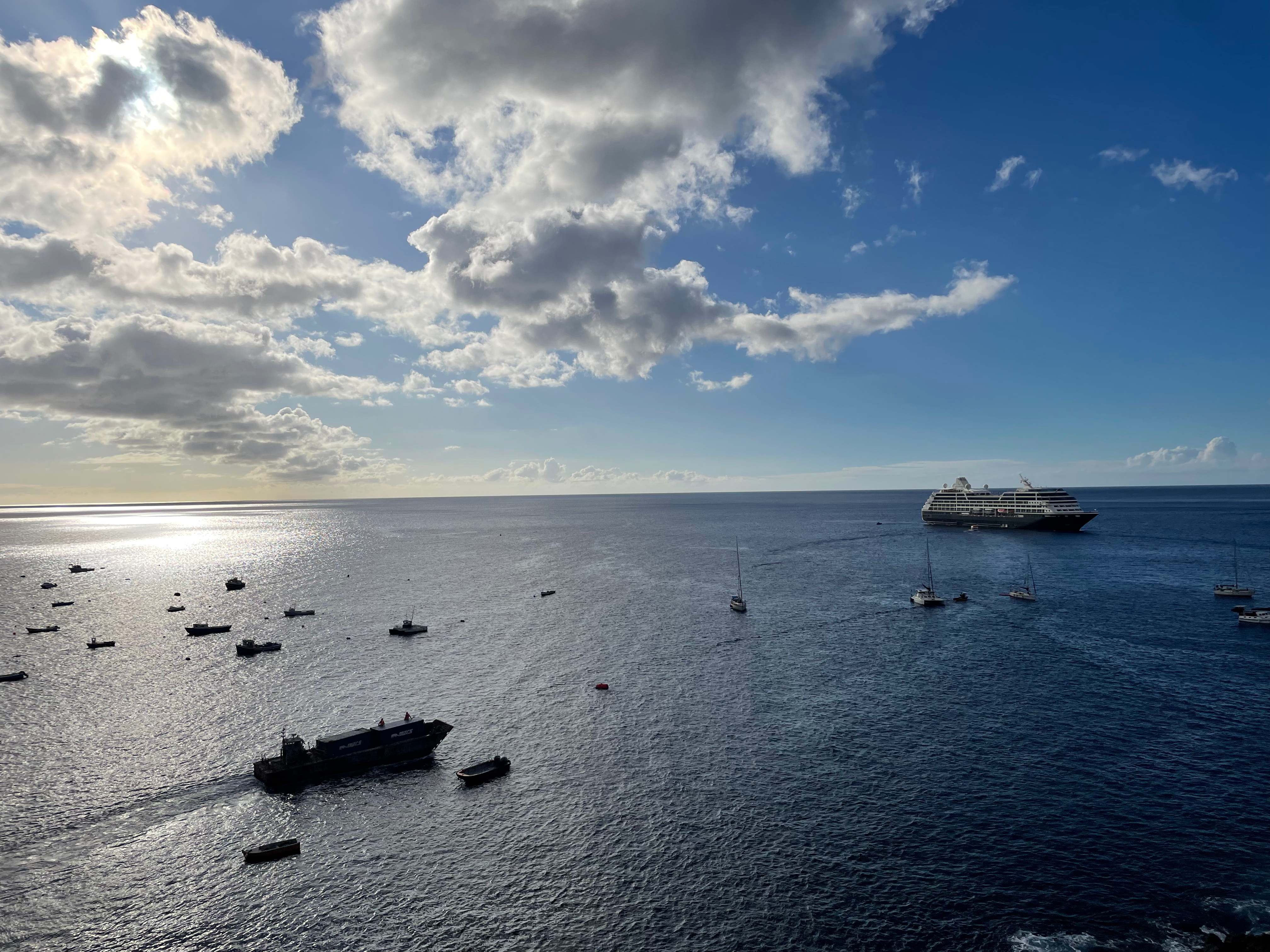
Saint Helena operates on the rhythm of the monthly supply ships that bring imported goods and food. The island is not self-sufficient, and very few locals produce fresh food. This reliance on imports dates back to Napoleon’s exile when 3,000 soldiers needed to be fed—far more than the island could sustain at the time.
The currency used is either the British pound or the Saint Helena pound, which has different notes and coins from the British version. Credit cards are not accepted, but instead, a Tourist Card system has been introduced. Visitors can top up their Tourist Card online using a credit card and pay with a QR code at most businesses.
A recent development that will shape the island’s future is the introduction of fiber-optic internet and mobile networks, which have been available since 2019. Phone numbers on the island consist of just five digits.
A Fun Detail: License Plates
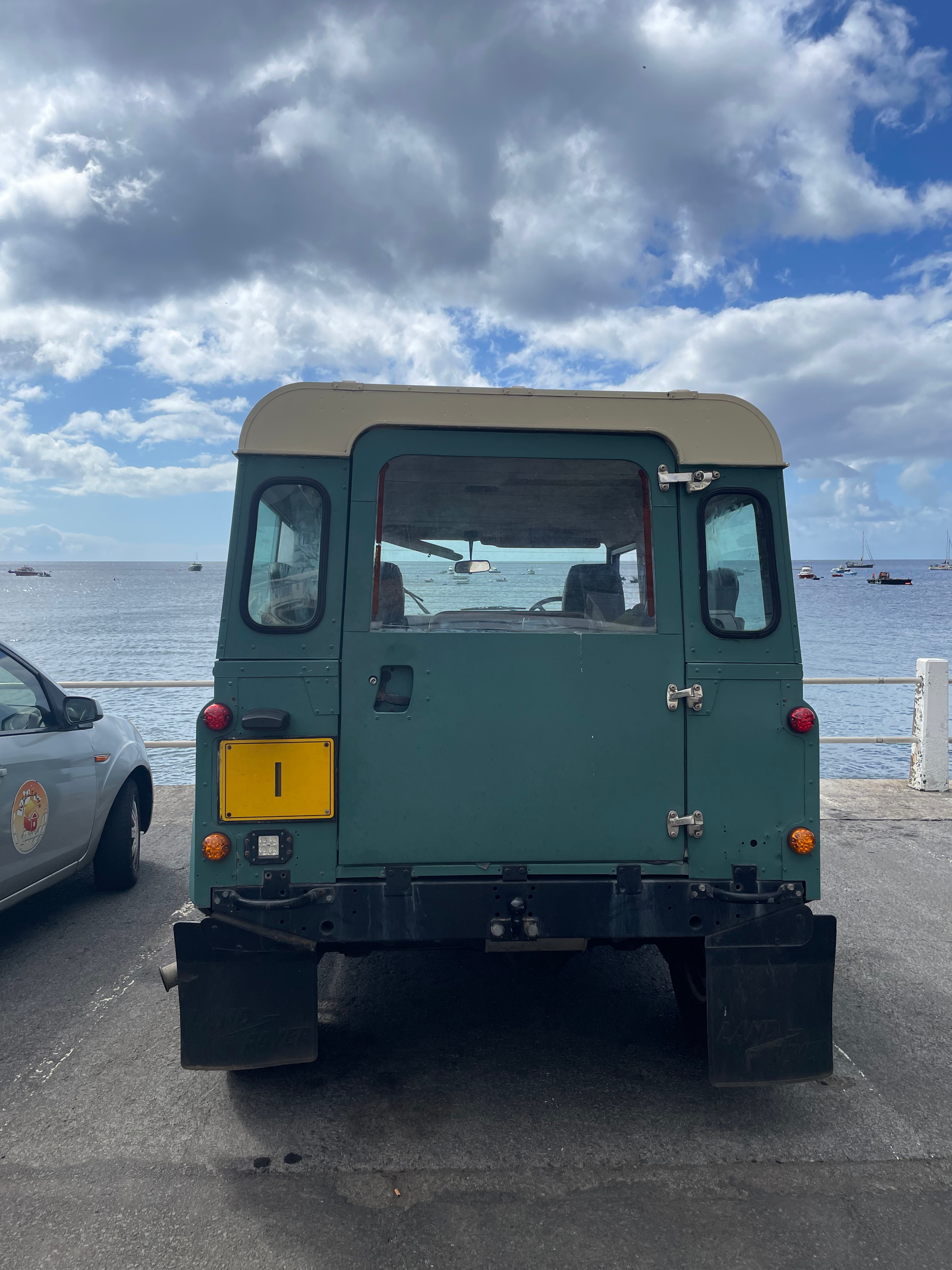
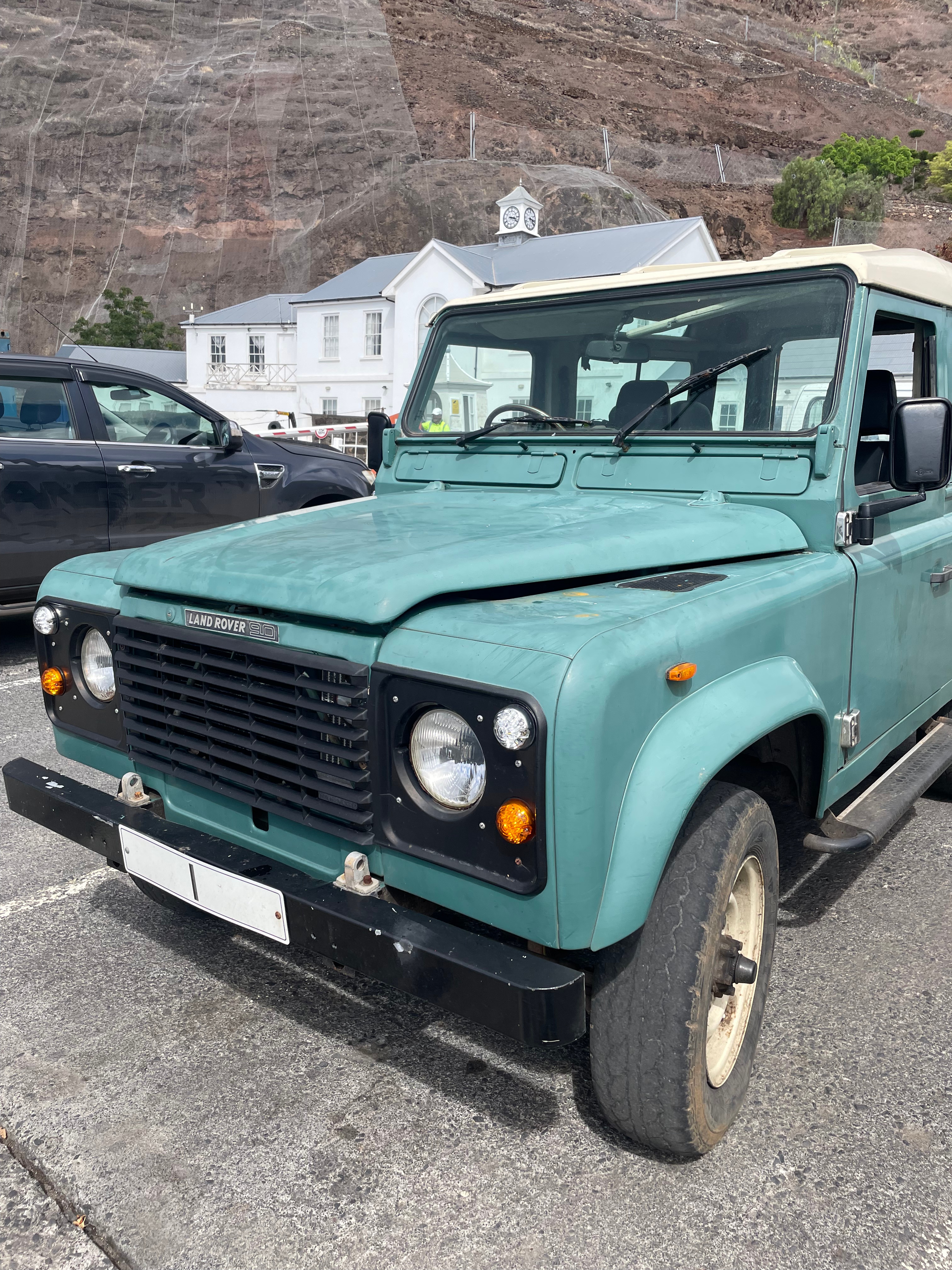
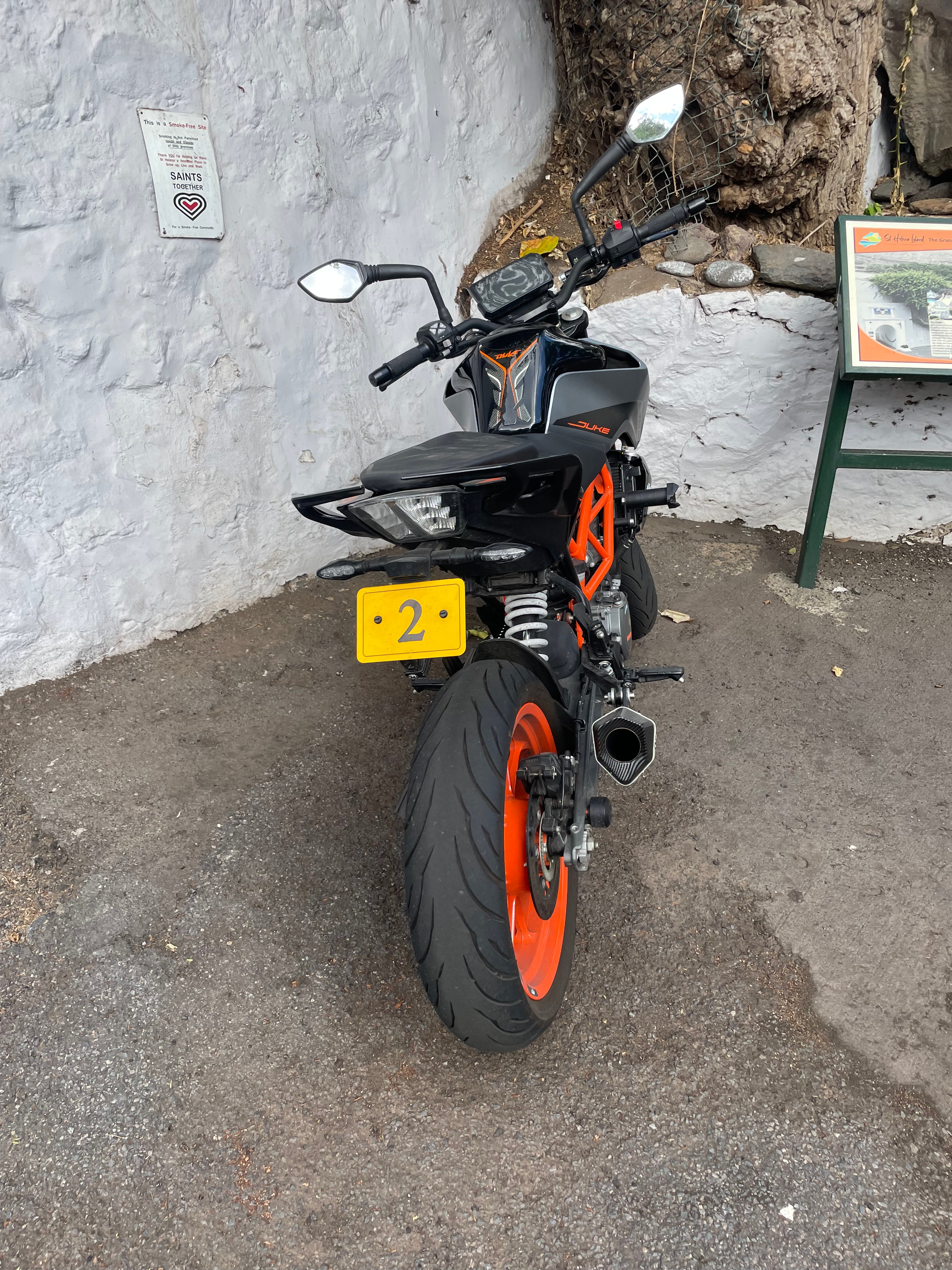
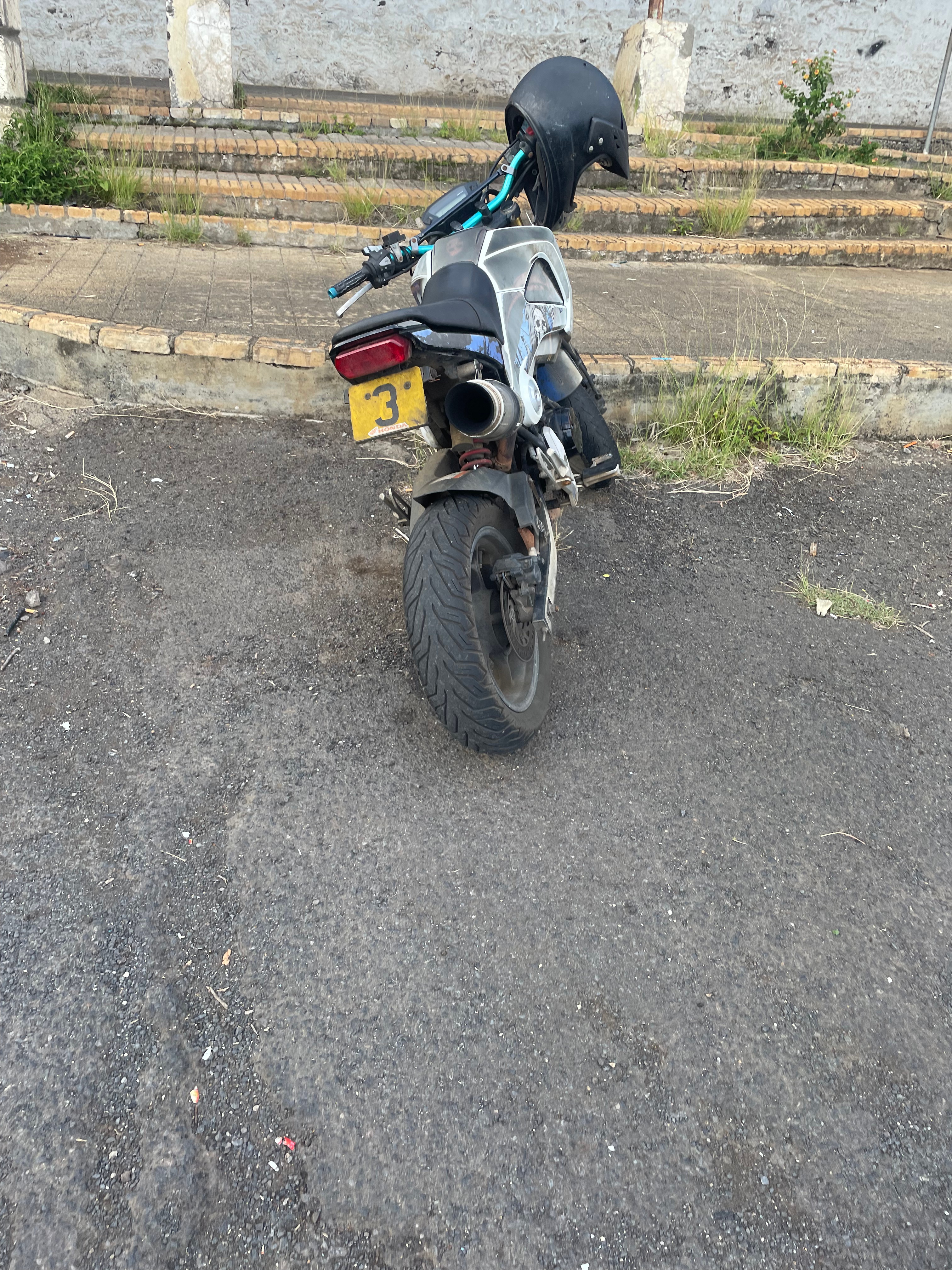
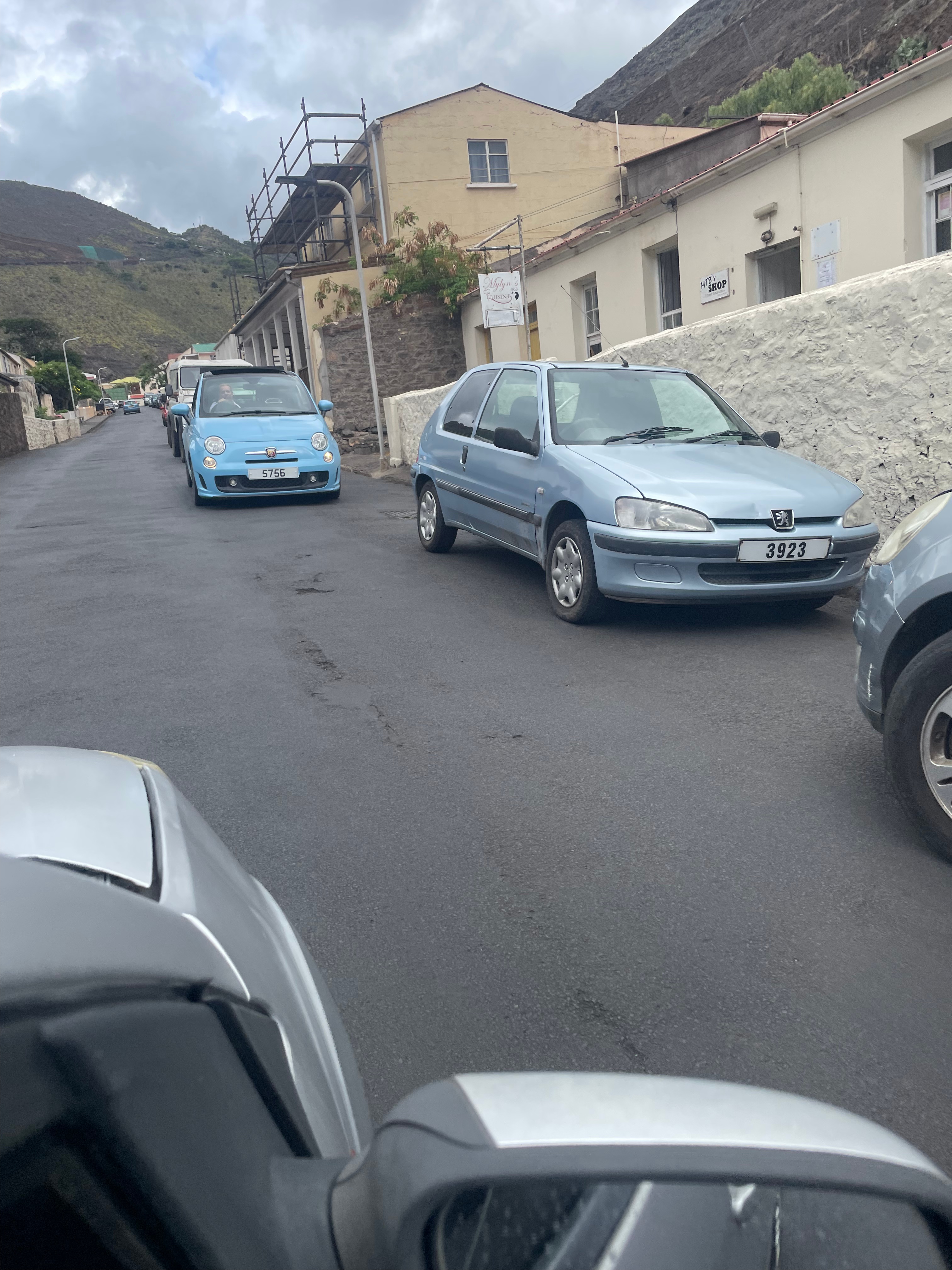
One detail I noticed was the island’s license plates, which contain only numbers. Being a bit of a nerd, I became obsessed with spotting the lowest and highest plate numbers. At the time of my visit, the post office confirmed that the highest number issued was 5758. I managed to spot 5756 as well as the very first plate ever issued. Plate numbers can be inherited and passed down within families. I was on a mission to track down the first ten plates, but I missed the 8th and 10th. Anyway, my strategy was probably wrong as I mixed the motorbikes and cars plate number, and I suppose those are separate registration.
Once you start noticing them, you just can’t stop, and it becomes a habit to check every plate you see! ?
Anyway, owning a car on the island is a real luxury. Since vehicles have to be shipped in, just the import fee alone is around £10,000 from what I have been told.


An interesting habit
One interesting thing about Saint Helena is that, being such a small island, everyone thinks they know each other. A common habit is to wave at every car or bystander while driving. You quickly get used to it and start waving at everyone in no time.
Gathering events on the Island
There are a few social events where the Saints (as the locals are called) gather to share drinks and good company in Jamestown, the island’s capital:
- The Fish Fryer (Wednesdays at the Yacht Club) – A casual outdoor gathering with fresh fish and fries, cider (though beer can sometimes run out), gin and tonic, and wine. Pre-booking is recommended to avoid long queues. However, the event may be canceled if there’s a shortage of fish or drinks.
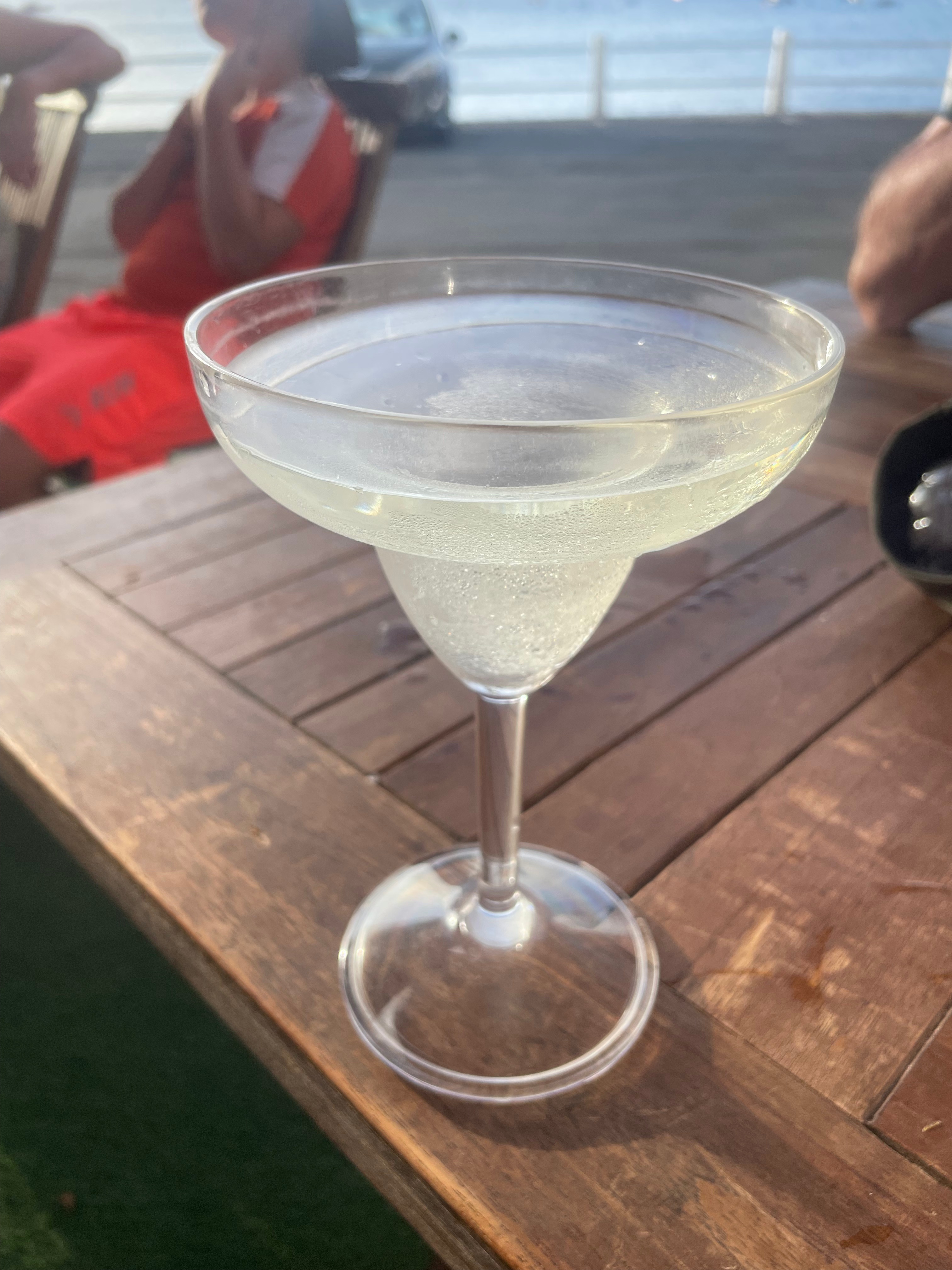
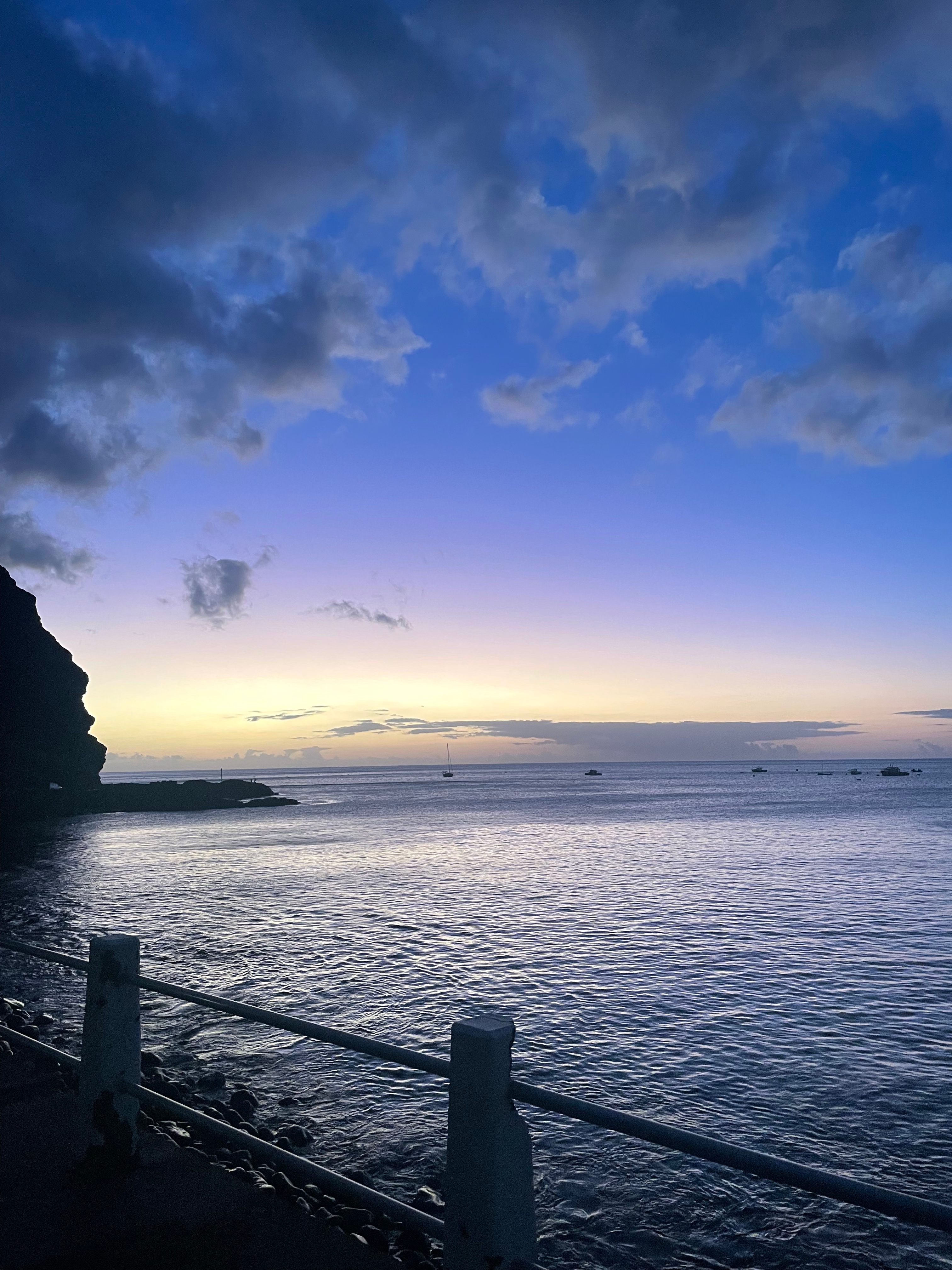
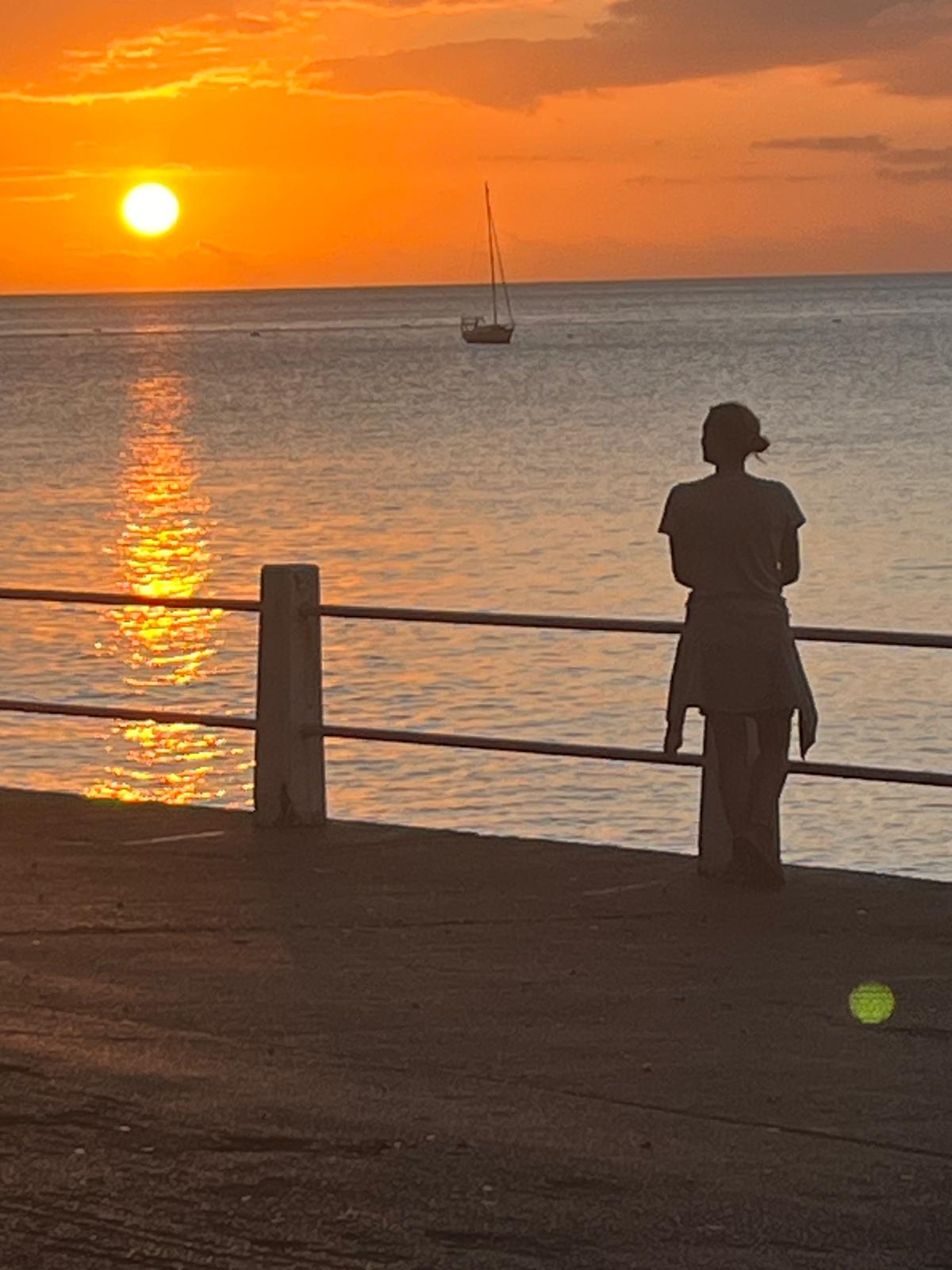
- Skiips (Friday and sometimes Sunday nights) – A lively setup of four trailers with tables and chairs facing the waterfront. Offerings include a cocktail bar, beef kebabs, ice cream, and a standard bar with beer taps.

- The Local Club (Friday nights) – Located on the waterfront and operating at the same time as Skiips.
- Pizza Nights (Thursdays and Fridays) – A great spot on the waterfront for those craving a slice. (I didn’t try it though and apparently the pizza is not that good)
Another good way to meet locals is by visiting one of the island’s pubs. Of the two available, The Standard is the recommended one.
Dining on the Island
Restaurants on Saint Helena are limited and primarily frequented by tourists. Here are a few options:
- The Mantis Hotel – Restaurant of the hotel, open daily, this is the most expensive dining option in Jamestown and portions are considered small.
- Ann’s Place – Offers a selection of fresh fish and meat. The staff is incredibly friendly and always makes an effort to find a suitable vegetarian option for me.
- The Orange Tree – A Chinese restaurant that requires advance booking, where you can enjoy karaoke with the owner.
Accommodation
Tourist accommodations are scarce on the island, with only a handful of options available:
- A few Airbnb rentals
- The Consulate Hotel – Managed by an elderly lady with a passion for collecting various items, including antique furniture stored throughout the hotel.
- The Mantis Hotel – supported by the government and well located in Jamestown with very good breakfast in the morning.
- Williams Estate – Self-catering chalets with sea views, managed by the welcoming Williams family (highly recommended).
Despite these options, the island is not yet fully equipped for tourism development. Not all establishments accept the Tourist Card, businesses have irregular opening hours, and accommodations are limited. On Sundays, except for Ann’s Place and the Mantis Hotel, everything is closed, leaving Jamestown completely deserted.
That said, Saint Helena remains an authentic destination, and I’ll keep wonderful memories of my time there. I hope to return one day to explore more and reconnect with the amazing people I met.
Tourist activities

Few activities, I enjoyed on the island:
- Aaron’s adventure tour in a 4×4 which gives you an overview of the main highlights along with insights of the island
- Tasting a cappuccino at Dan’s Bakery while reading the local newspaper

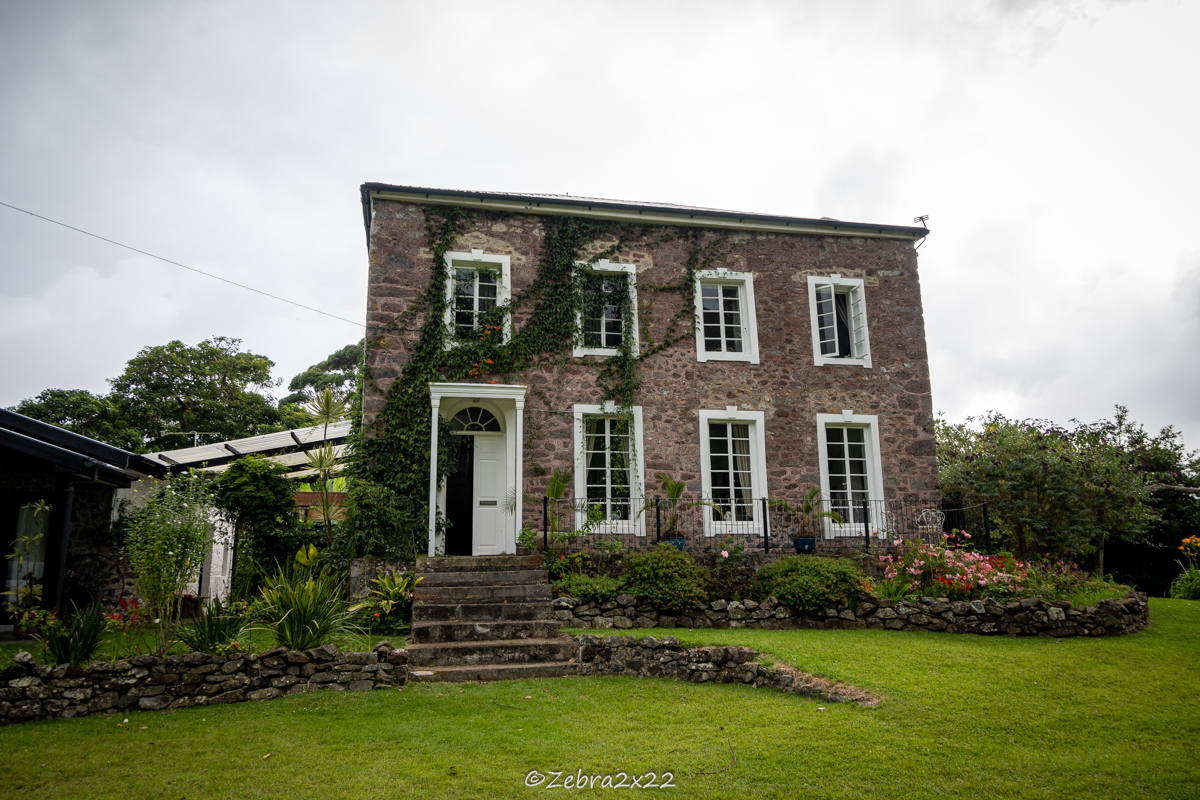
- Visiting the plantation house and Jonathan the tortoise
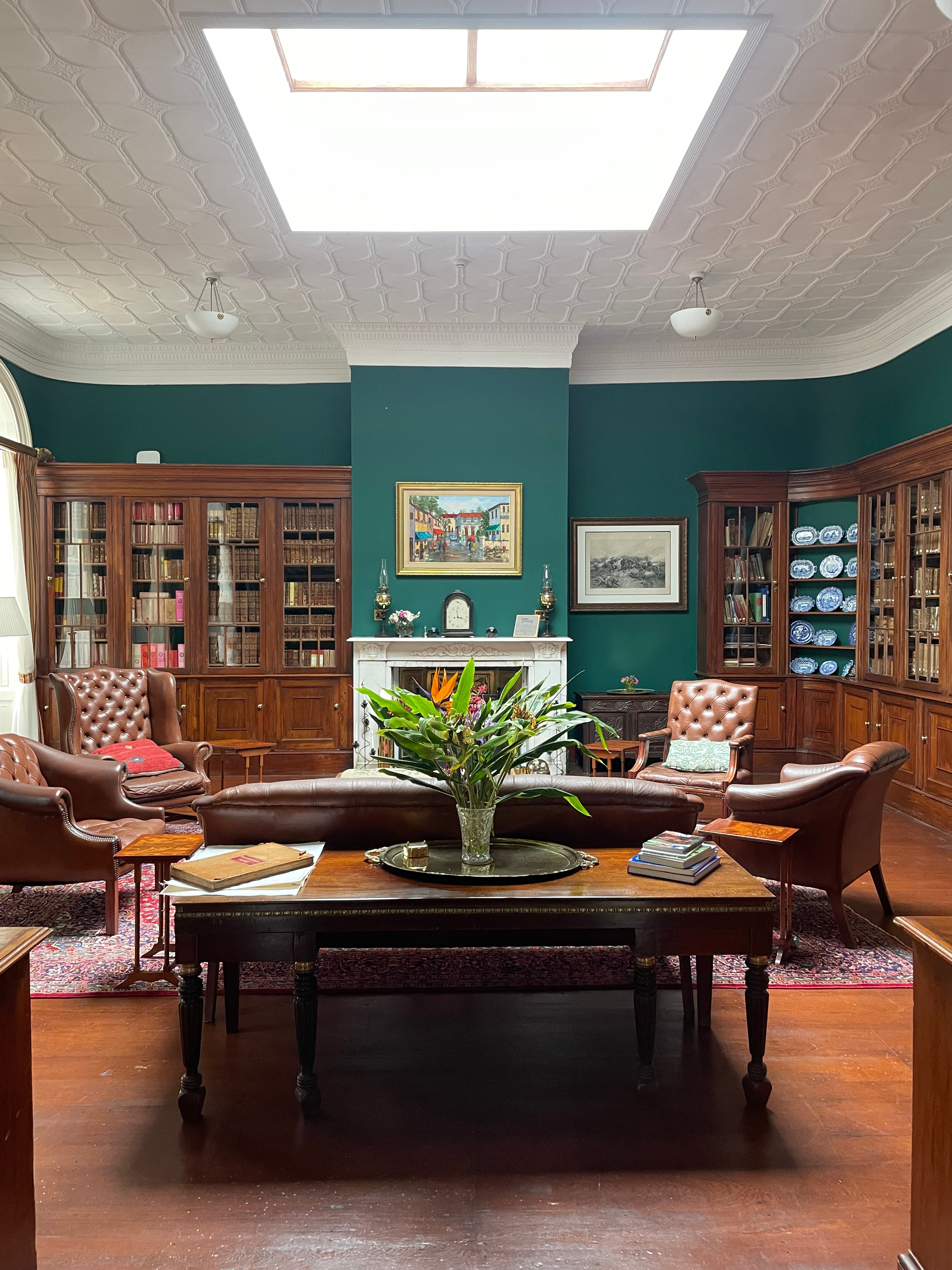

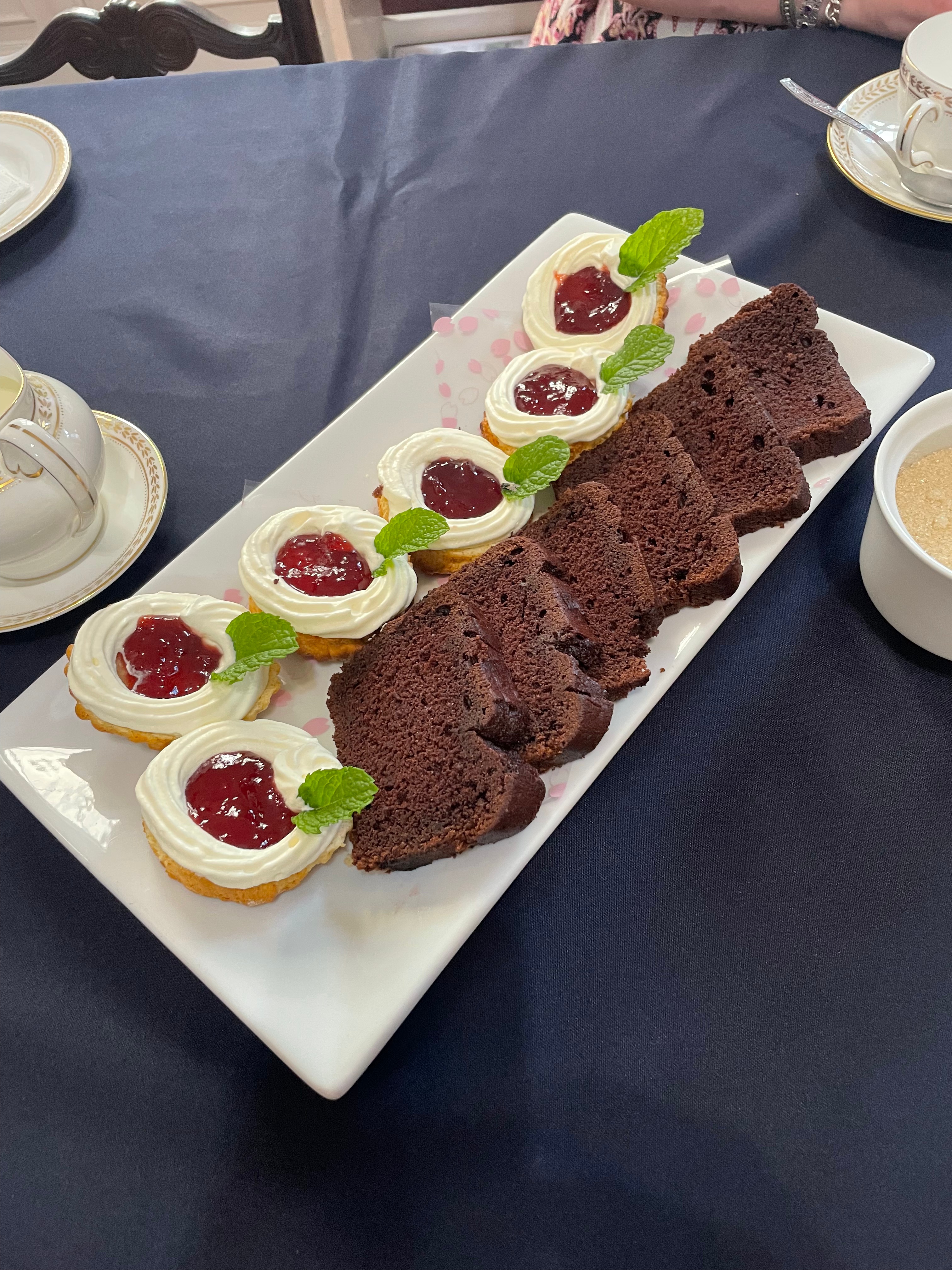

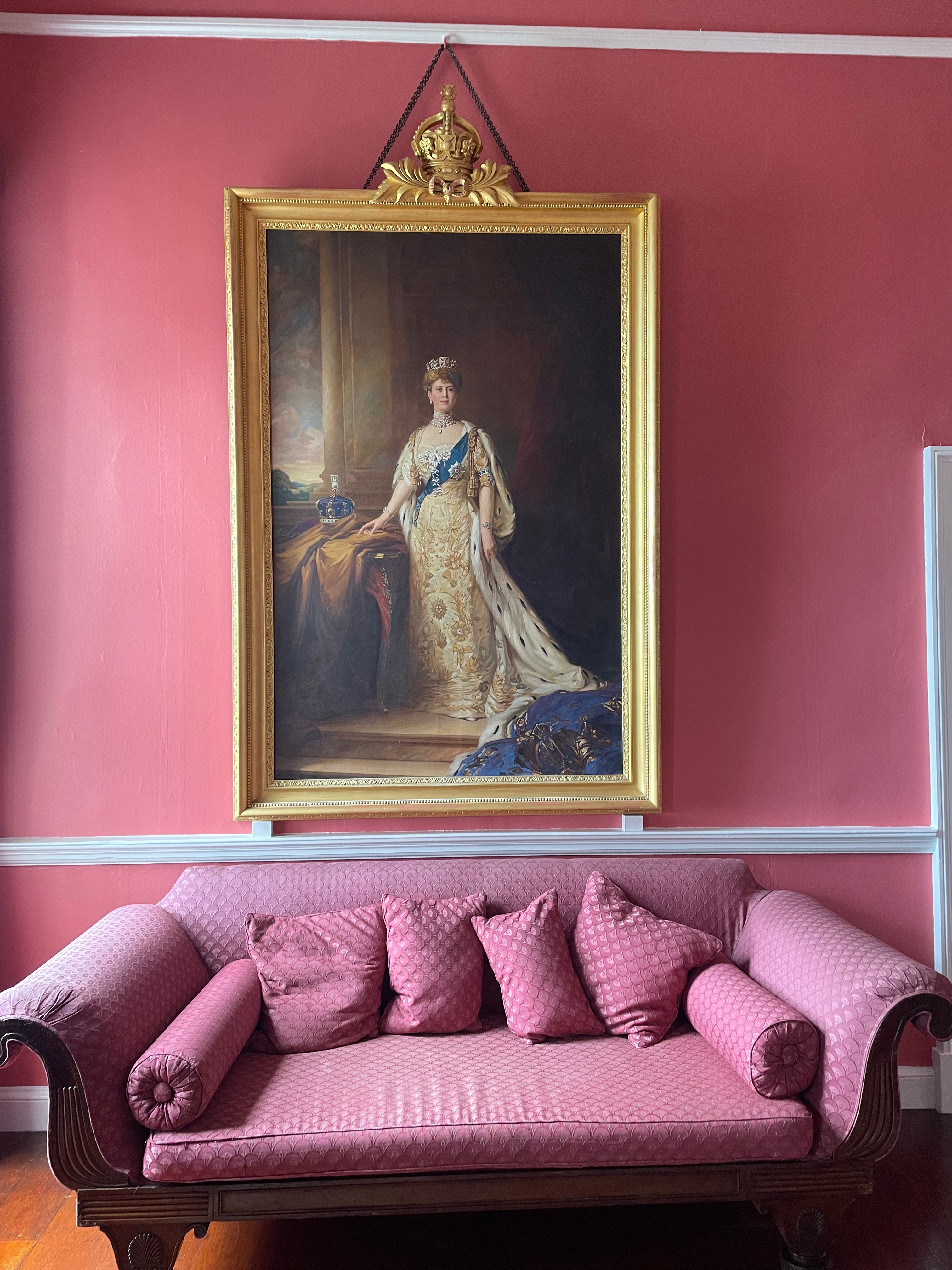

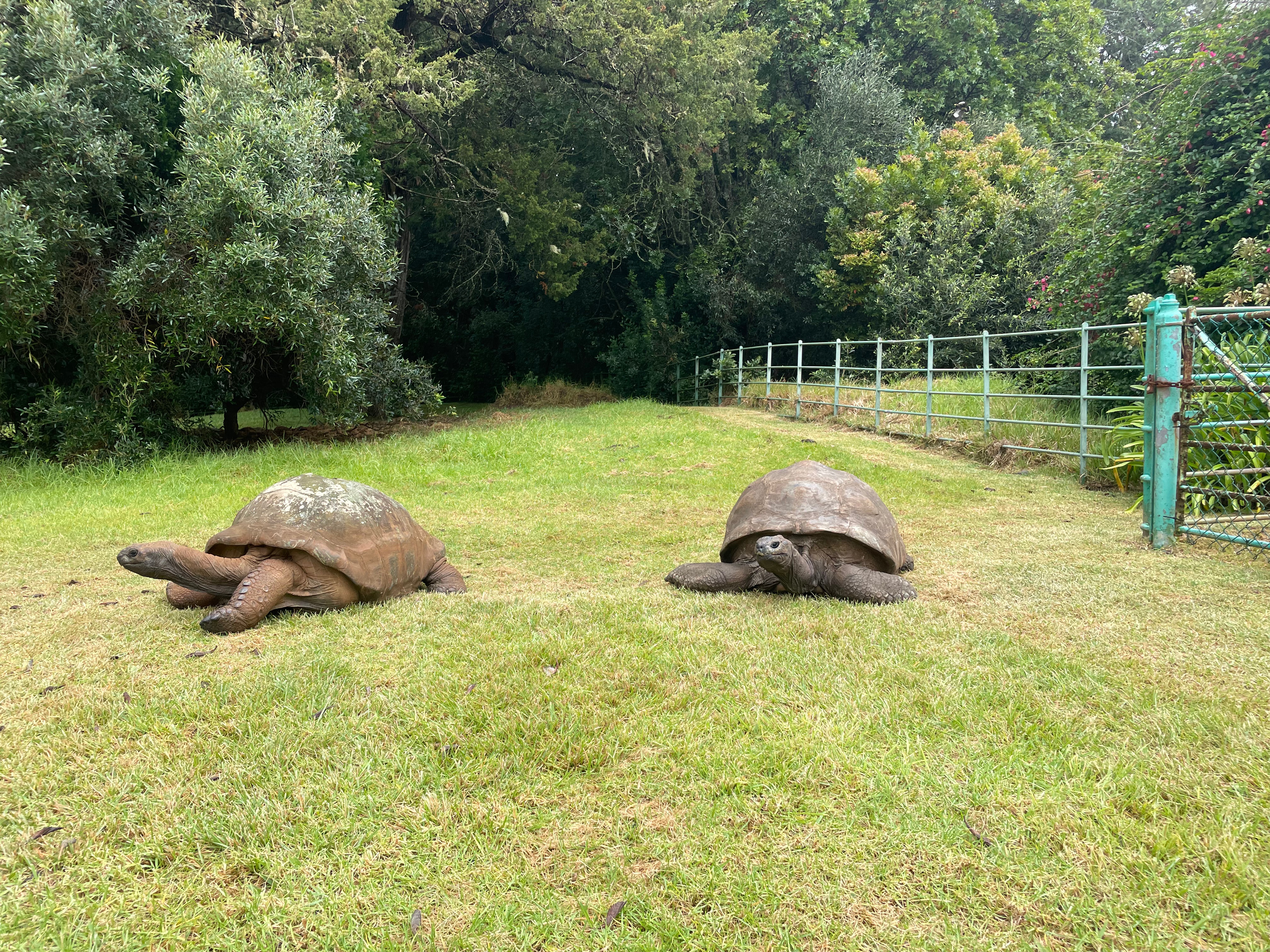

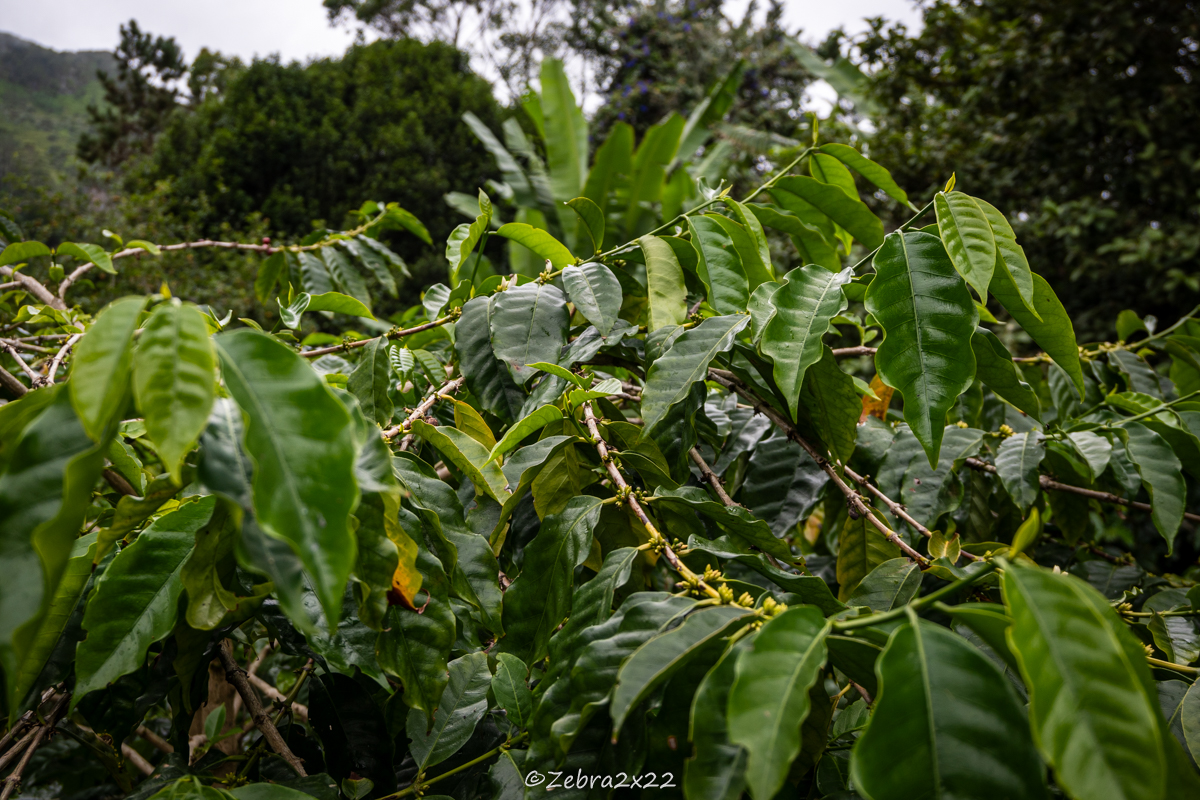
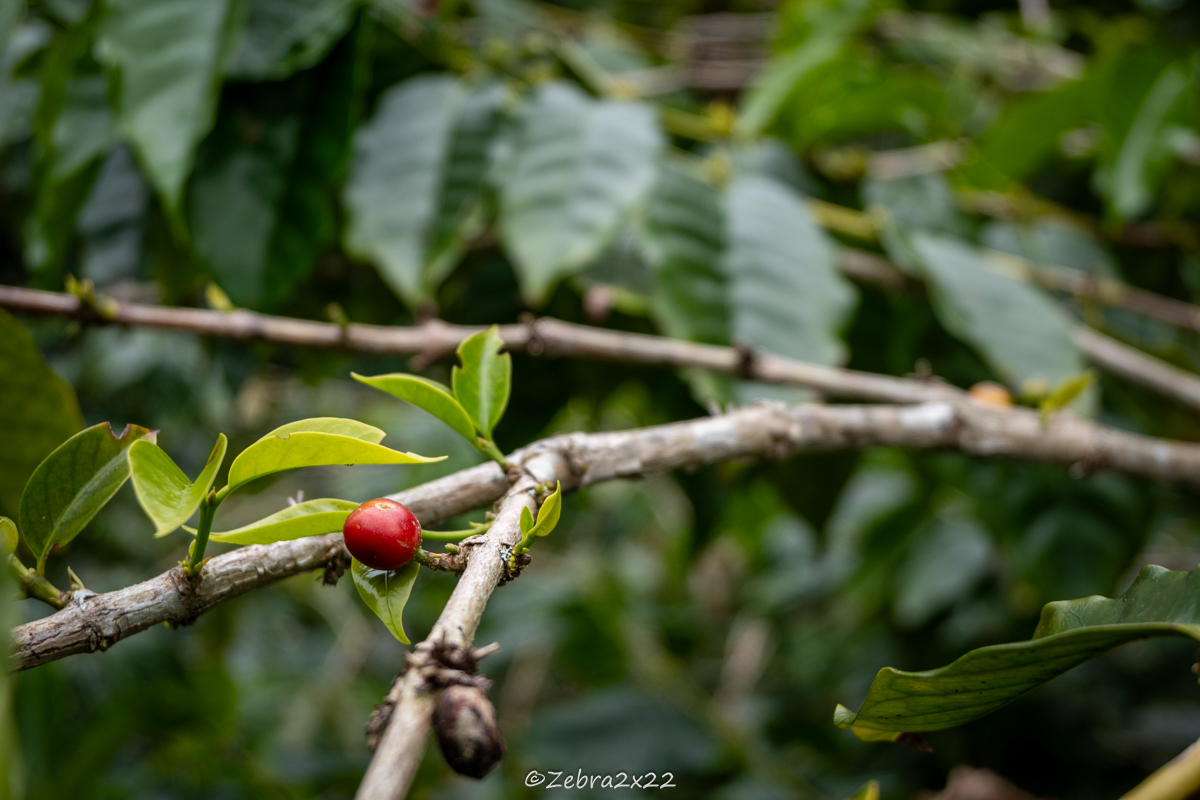
- Discovering coffee production at Wranghams




Swimming with Whale Sharks
Swimming with whale sharks was an unforgettable experience—I was lucky enough to do it three times. Being alongside these massive creatures, which can grow up to 9 meters long, is indescribable. They are the largest animals I’ve ever swum with.
The official guidelines require swimmers to stay 3 meters from their body and 5 meters from their tail—but of course, whale sharks don’t follow the rules! At times, I found myself just 1 or 2 meters in front of them as they unexpectedly changed direction or passed behind me without me realizing it. I was both impressed and scared at the same time, doing my best to stay calm and avoid paddling too much to get out of their way as they are attracted by the bubbles.
Even with the slightest movement of their tail, you can immediately sense their immense strength and power.
Each encounter felt completely unique.
Spotting them isn’t always guaranteed, as their presence depends on wind conditions and the depth of their food sources. The sea was often rough while we searched for them. They can be identified by their dark shadow just below the surface or by their dorsal fins. Not every excursion results in a sighting, but our guide, A., had extensive knowledge of their behavior and successfully found them each time.
Once located, the whale sharks remained in the area, circling the same spot. This allowed us to observe them for the maximum authorized time—45 minutes, with no more than 8 people in the water at a time.
The latest encounter was particularly special as one of the females was “playing” with our boat. She touched it four times in a row, swimming underneath before resurfacing nearby. She stayed close to the surface, allowing us to fully appreciate her massive size—we could have almost reached out and touched her. However, touching is strictly forbidden, as their skin is covered in a protective mucus layer that helps prevent infections.
I was speechless!
Post Box Walks
Since I wasn’t keen on diving, I decided to explore the Post Box Walks with an American woman traveling solo, who soon became my friend. She had originally planned to dive but, unfortunately, caught a virus on the plane and changed her plans. It turned out to be a win-win situation for both of us, as we shared the same enthusiasm for exploring the island.
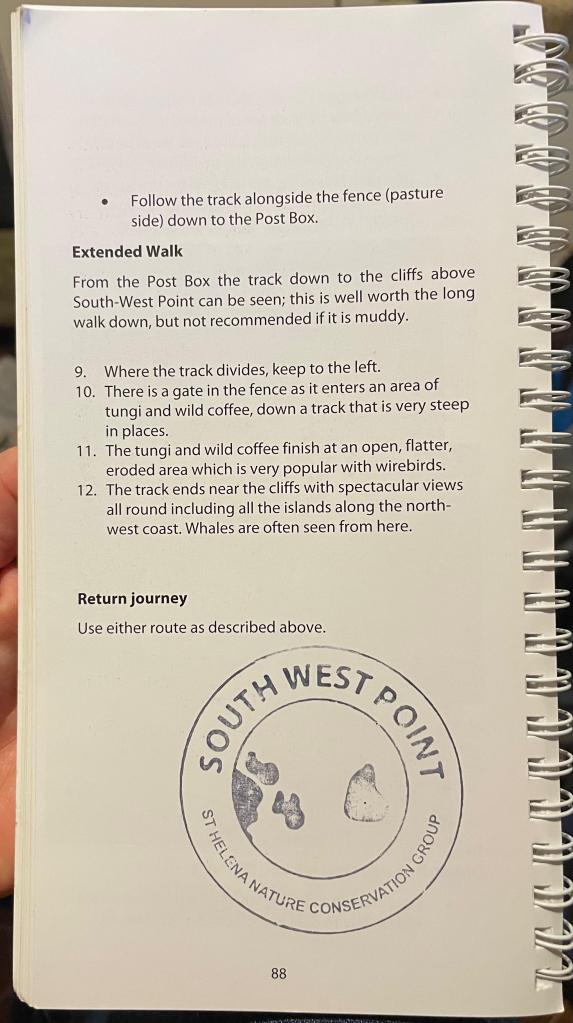
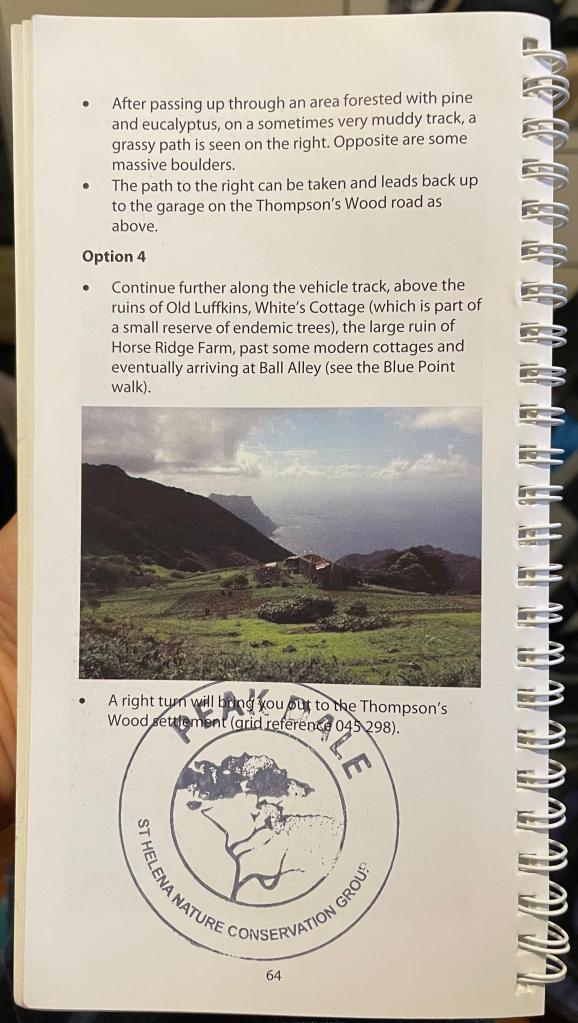
The Post Box Walks are well-known, accredited hiking trails on the island, open to both tourists and locals. At the end of each walk, you’ll find a “postbox” containing an ink pad, a unique stamp, a pen, and a notebook where visitors can leave observations. These stamps serve as collectible souvenirs and proof of reaching the walk’s endpoint. Each one is different, featuring the name and an illustration related to the trail.

As soon as I discovered this tradition, I became hooked—I wanted to collect as many stamps as possible. Apparently, I have the mindset of a collector!
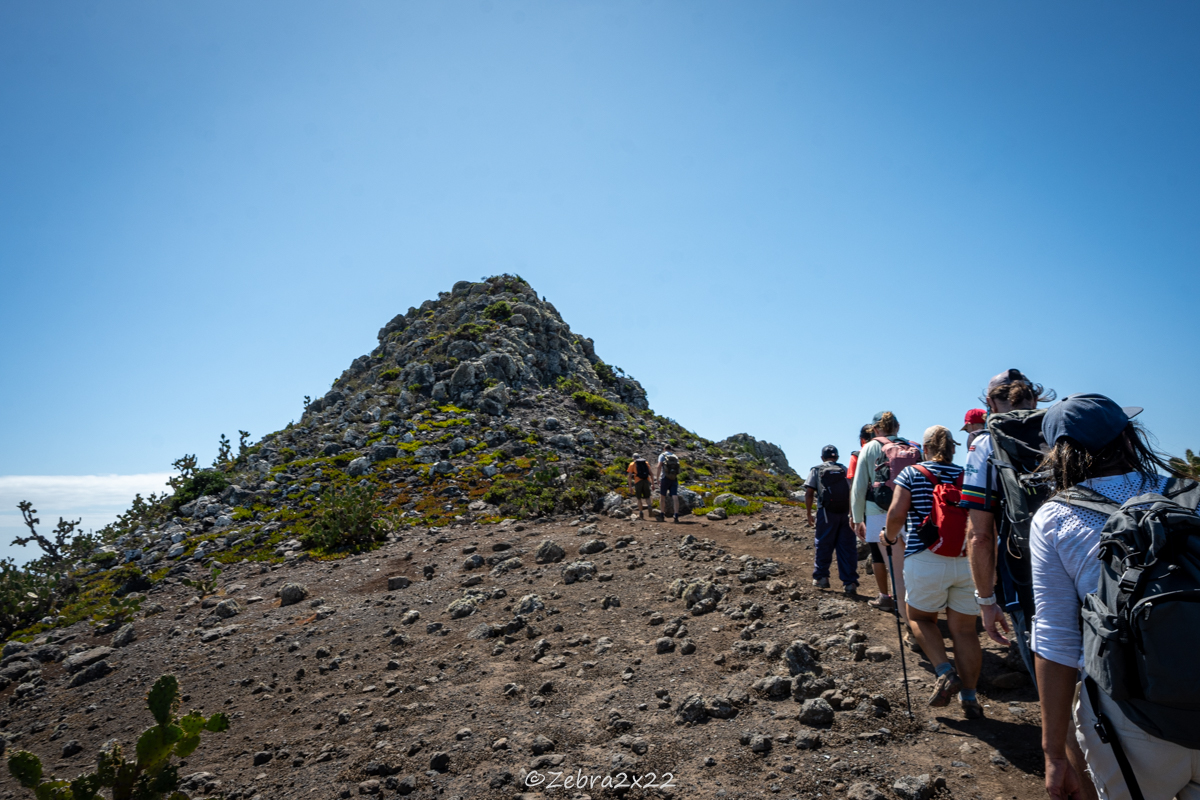
My first Post Box Walk was High Peak. Only the shortest route was accessible, as some of Saint Helena’s peaks are closed to protect the island from a tree pathogen. A steep 15-minute climb was available, requiring shoe cleaning and disinfection before starting. At the summit, we took some great photos and stood next to a white pole, unsure of its purpose. Without investigating further, we headed back to the car—only to later realize that we had missed the postbox and its stamp!
Luckily, I had time to redo the walk before leaving the island and took this short video to explain how Post Box Walks work and to share the amazing views from up there.
Each Post Box Walk is rated by effort level and terrain difficulty. Those rated 5 and above are strongly discouraged for solo hikers due to the risk of accidents. The trails are often remote and quiet, making it rare to cross paths with other hikers.
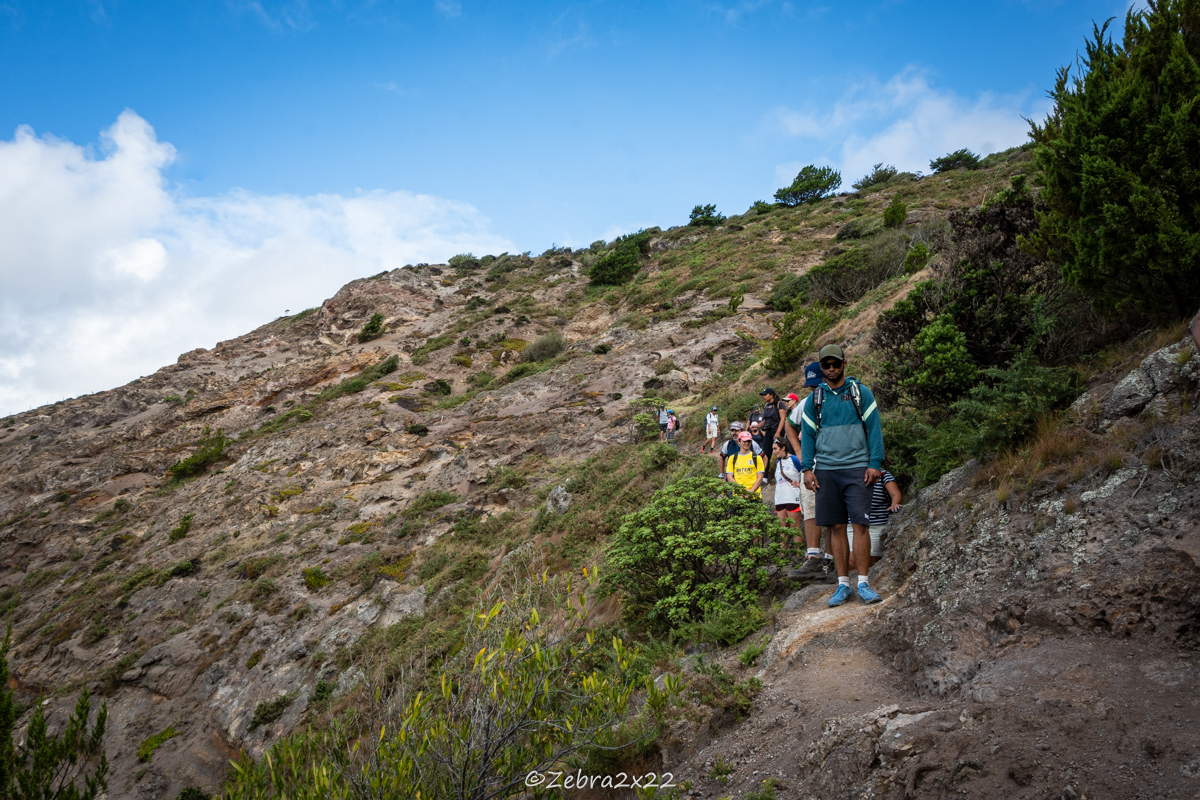
Fortunately, the island hosts a Walking Festival, where locals gather for a group hike every Saturday or Sunday. I was lucky to join the Barn Walk, one of the toughest and most impressive trails. From this walk, you can even witness planes landing and taking off—if you’re there at the right moment!
It was also a great opportunity to meet the Saints.
Here are the Post Box Walks I completed sorted in order of my preference:
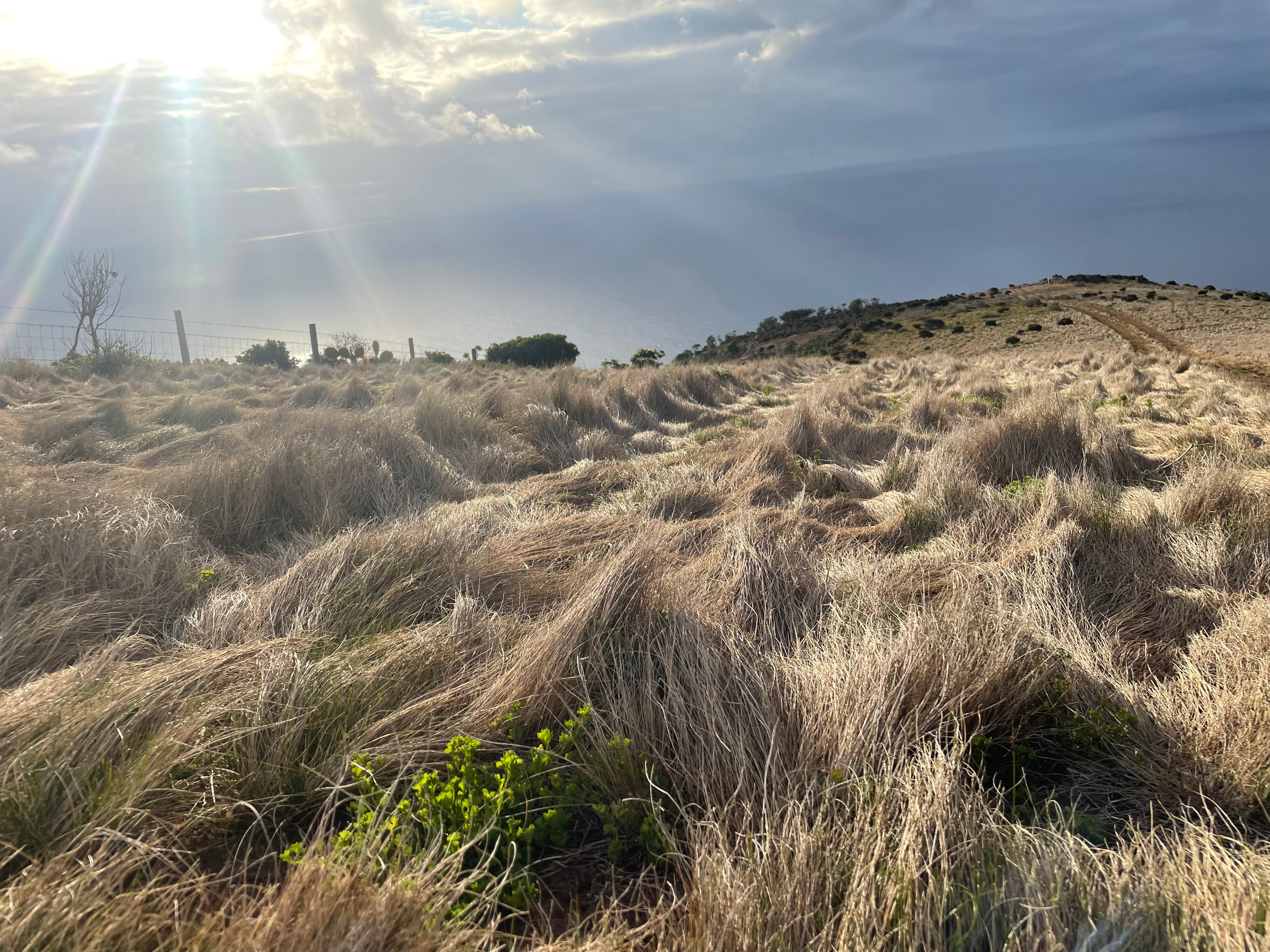
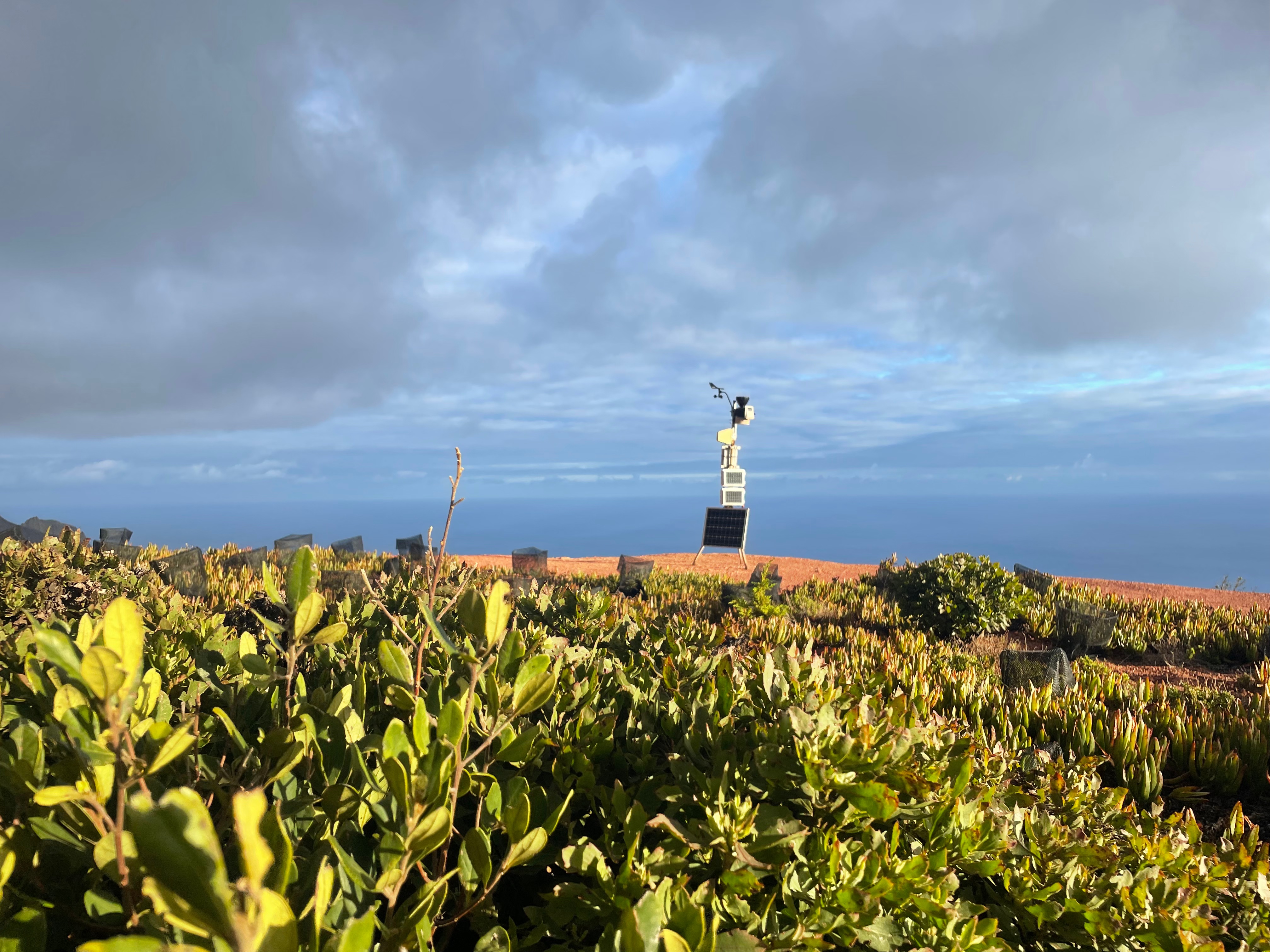
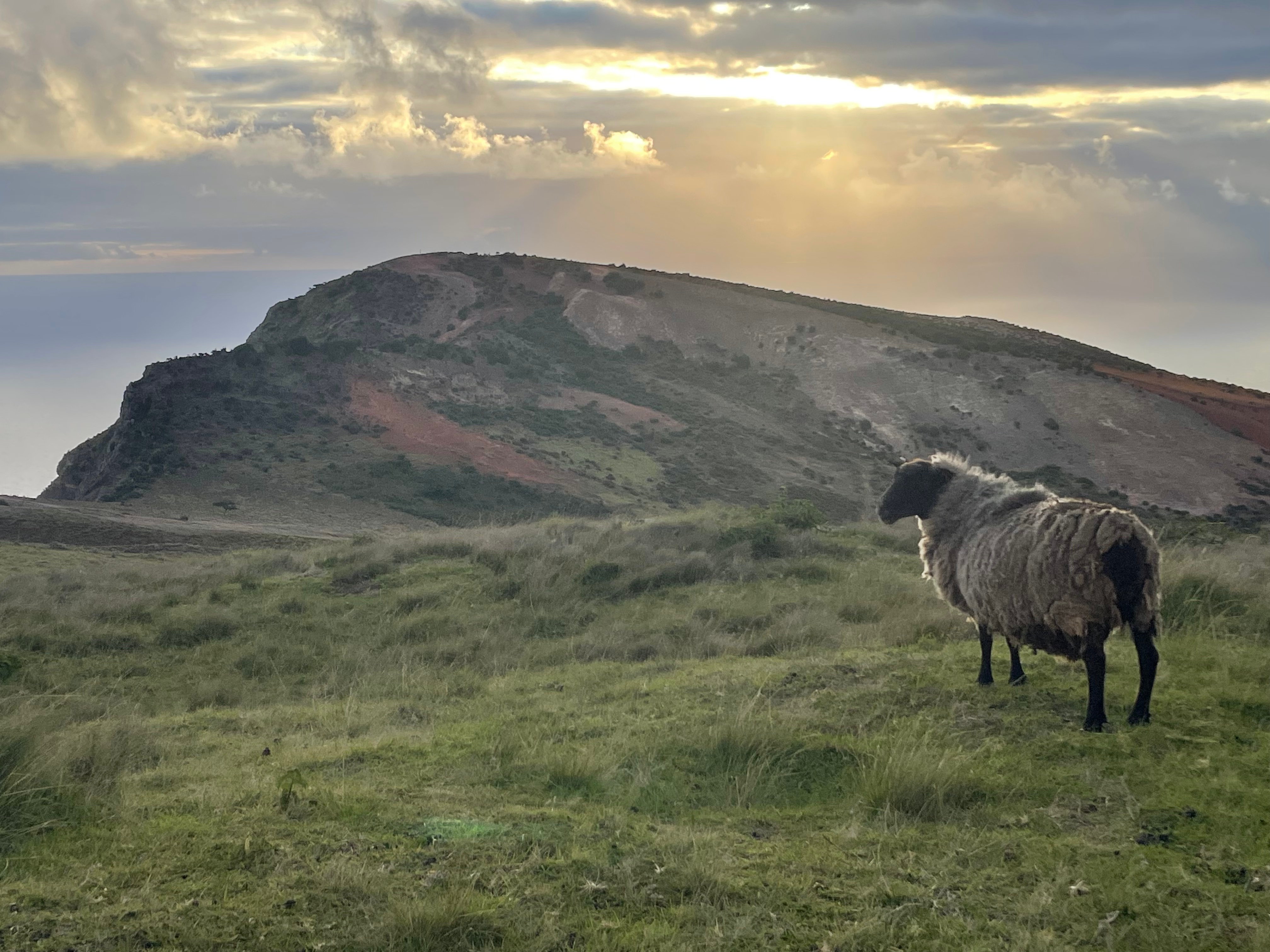
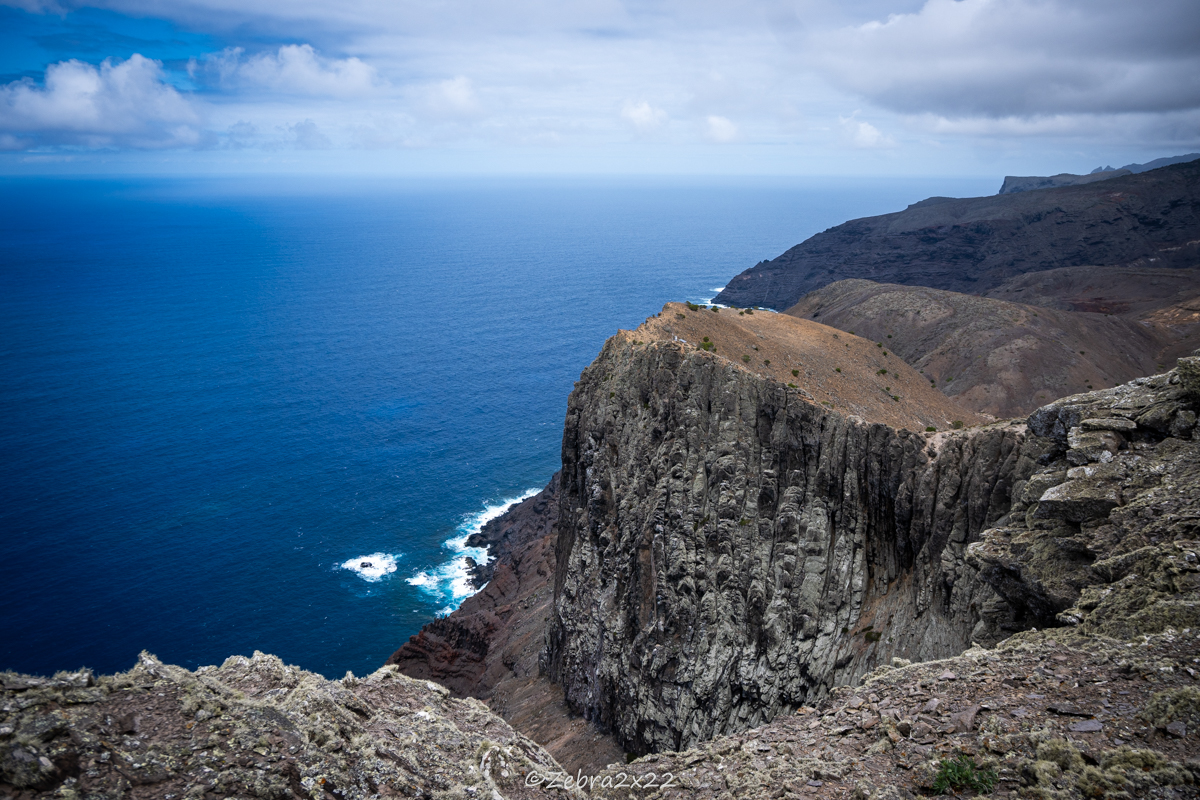
- South West Point – Very diverse landscapes across cattle fields, with amazing reflections on the ocean and wind-shaped grass.


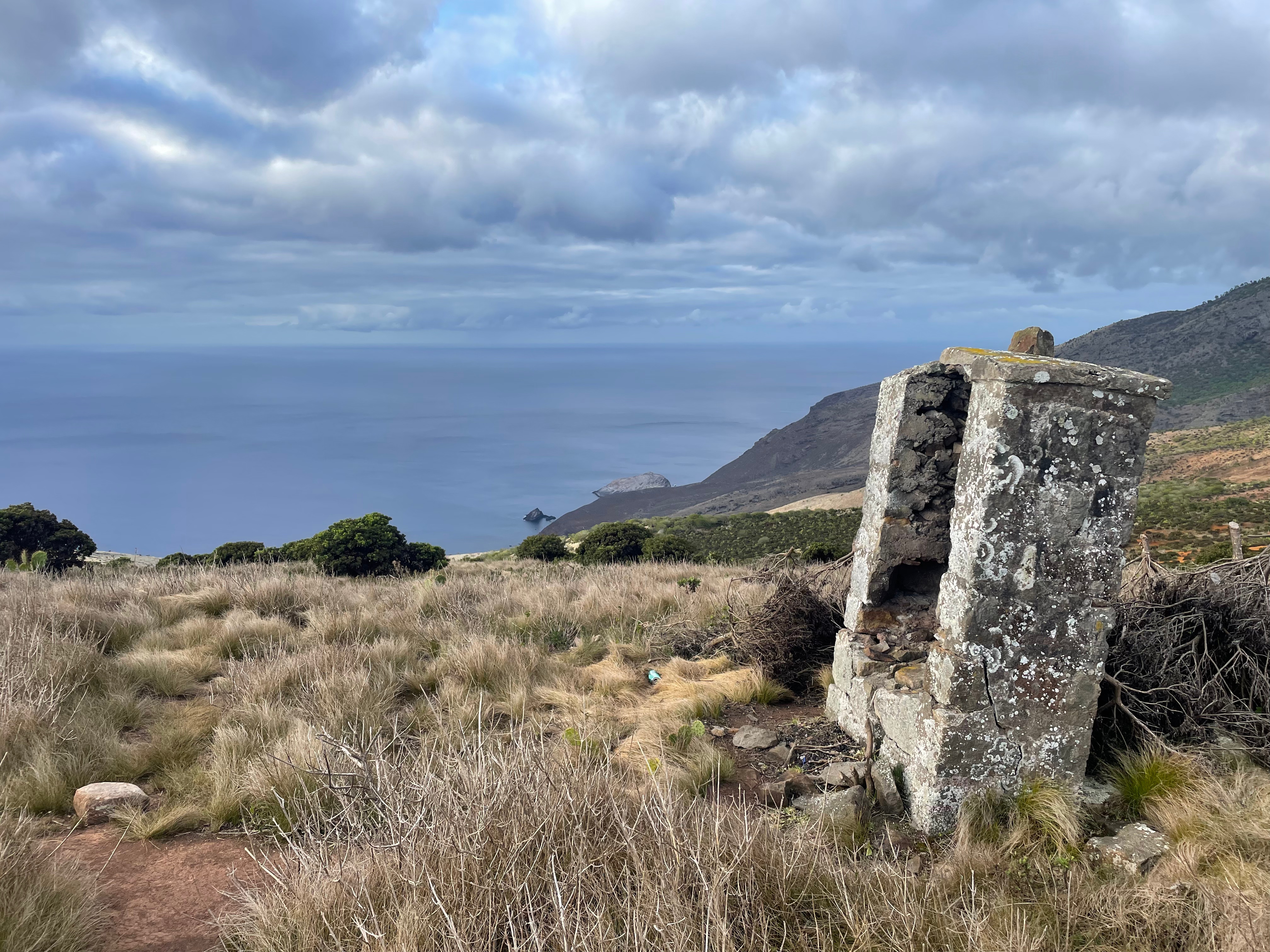


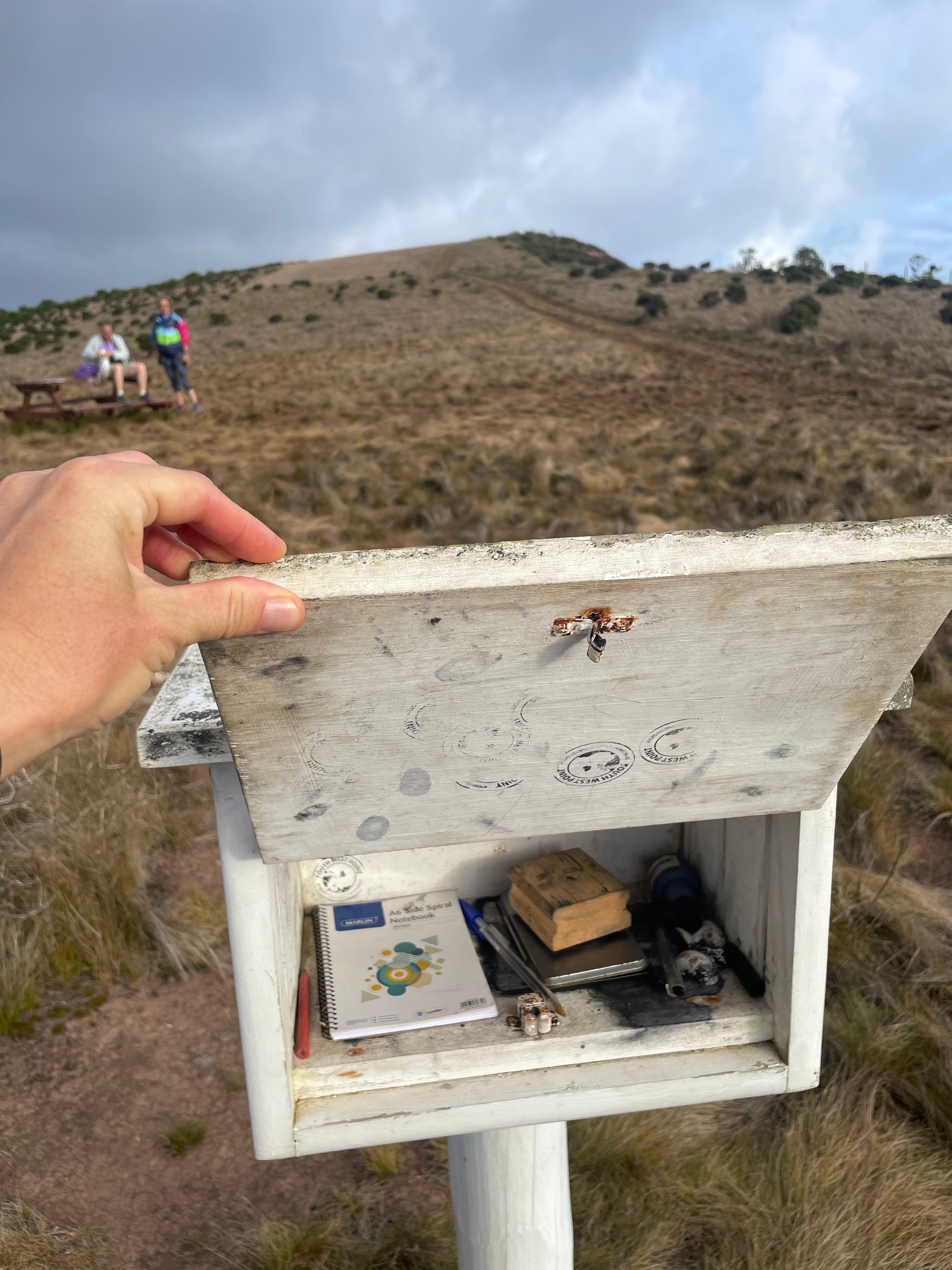
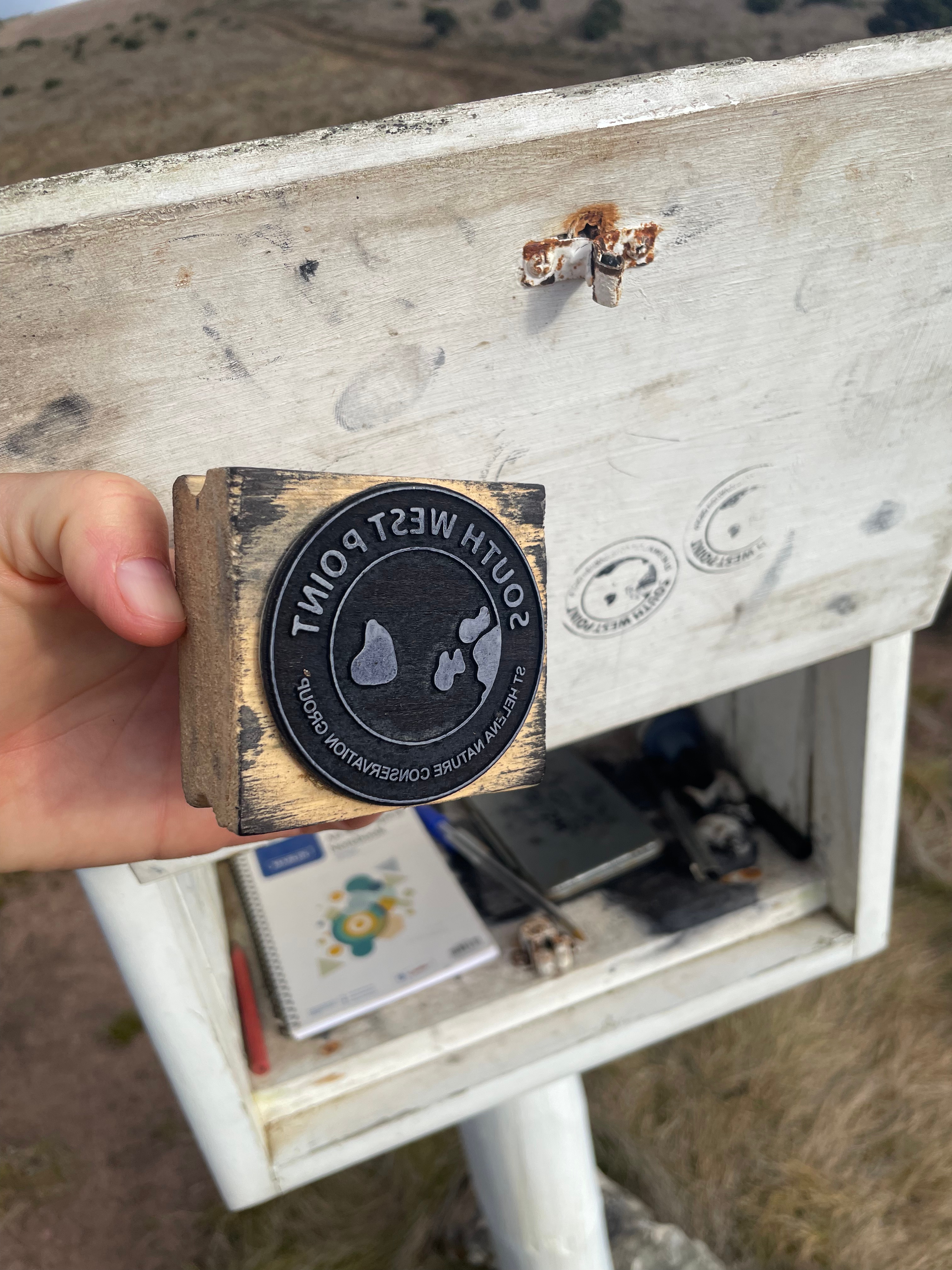
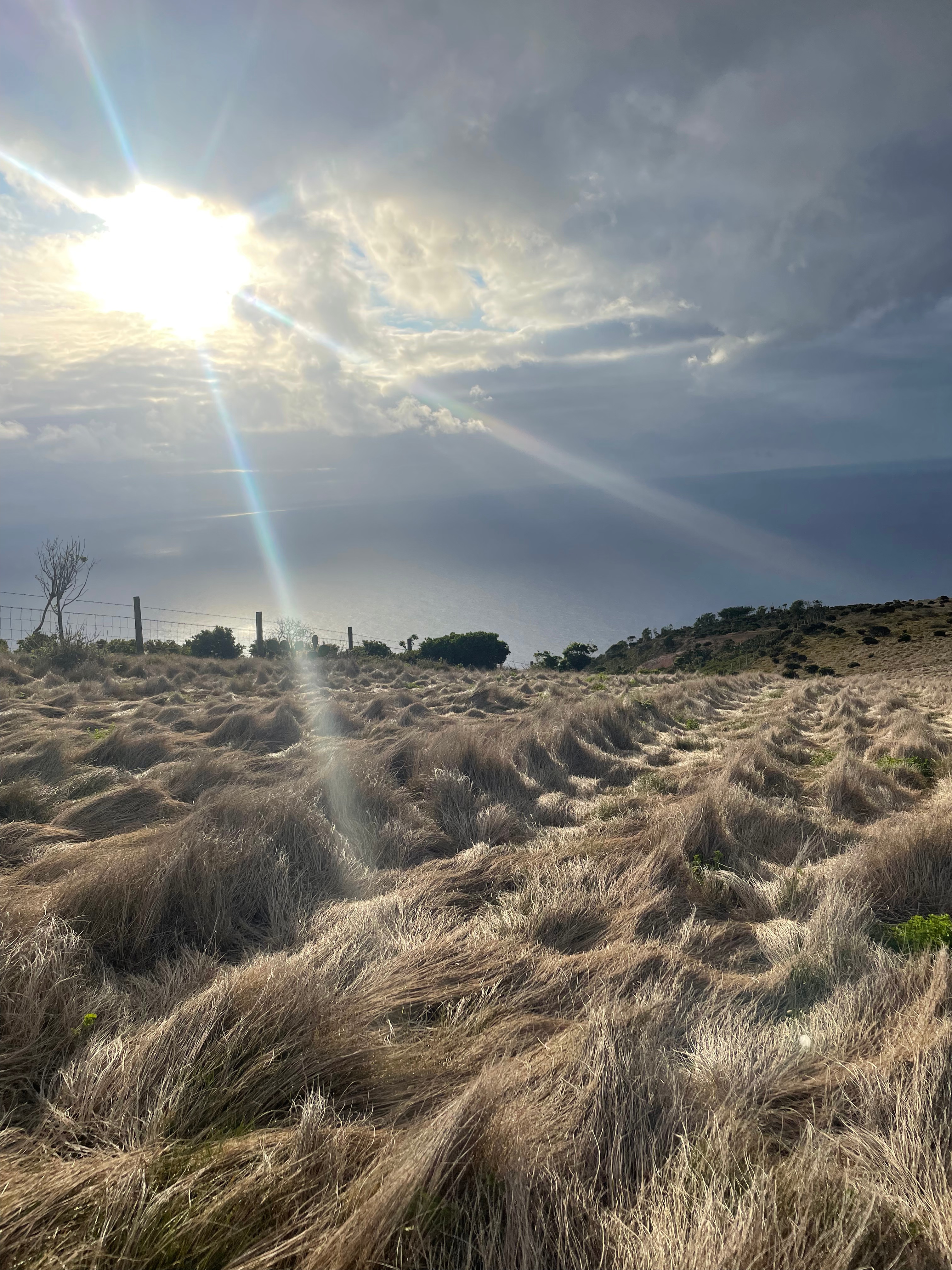

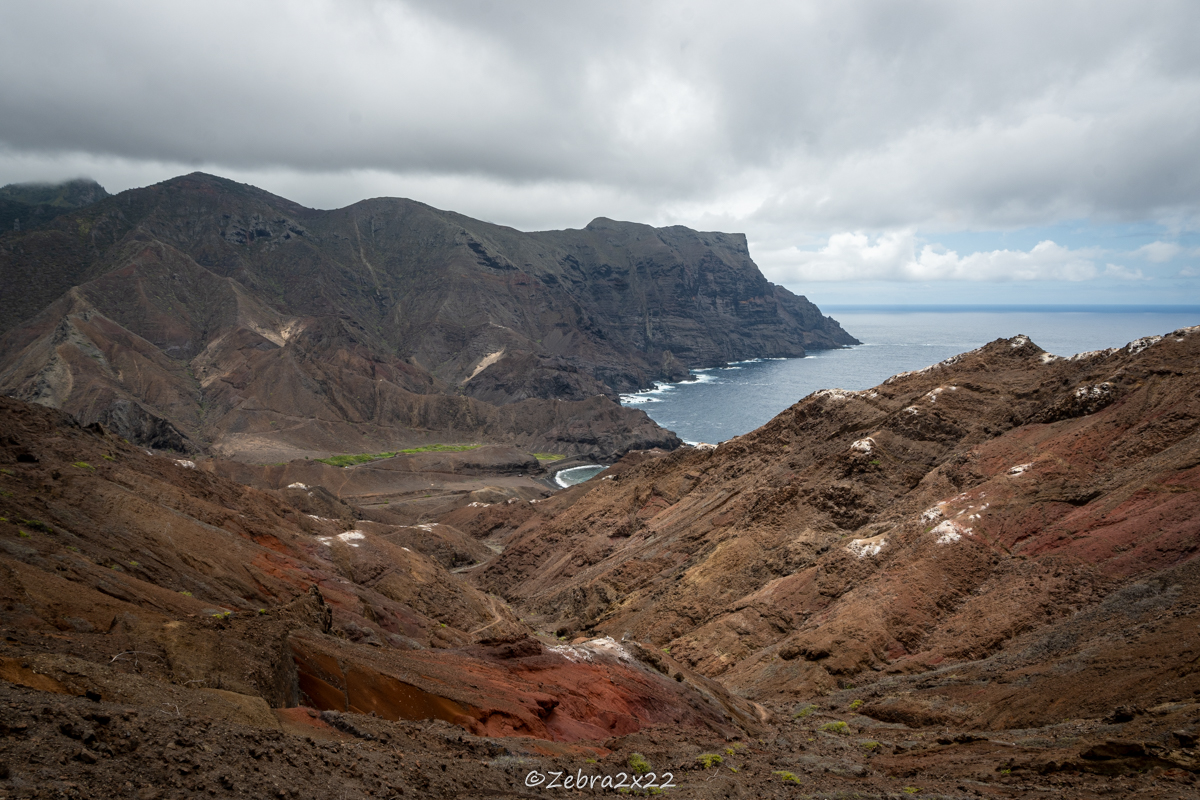
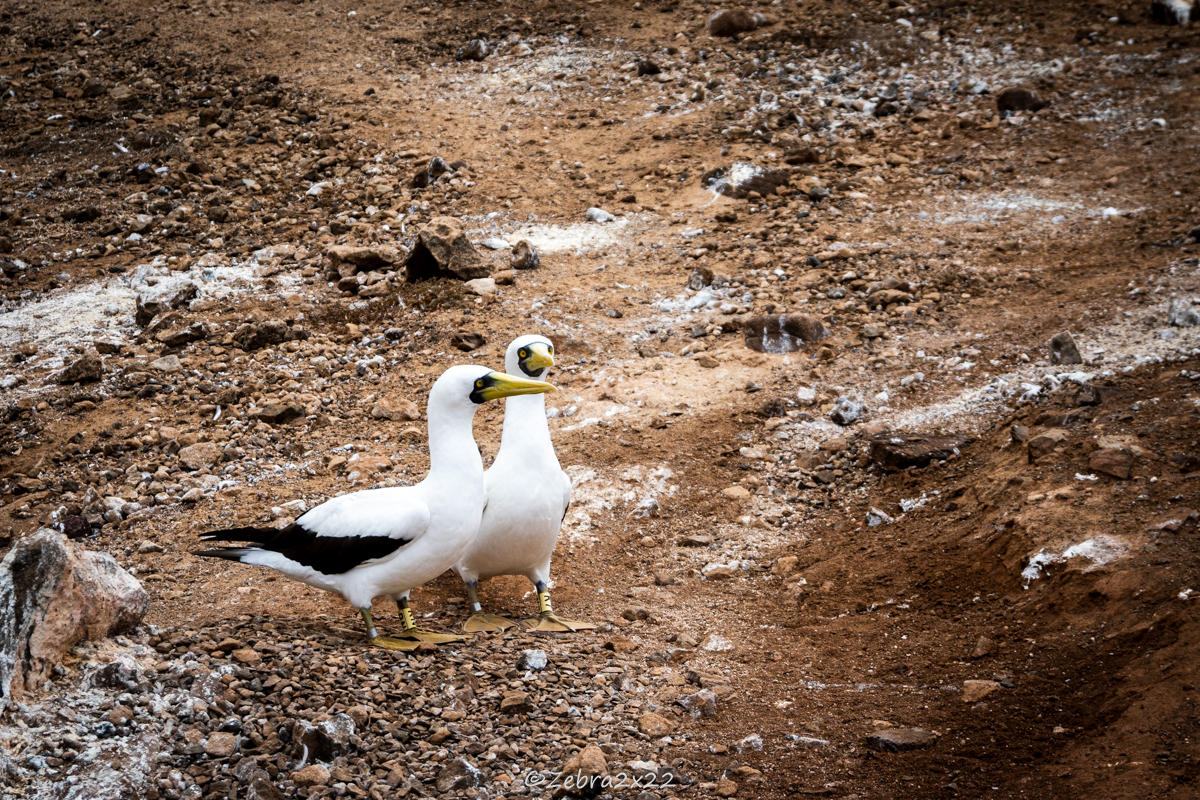
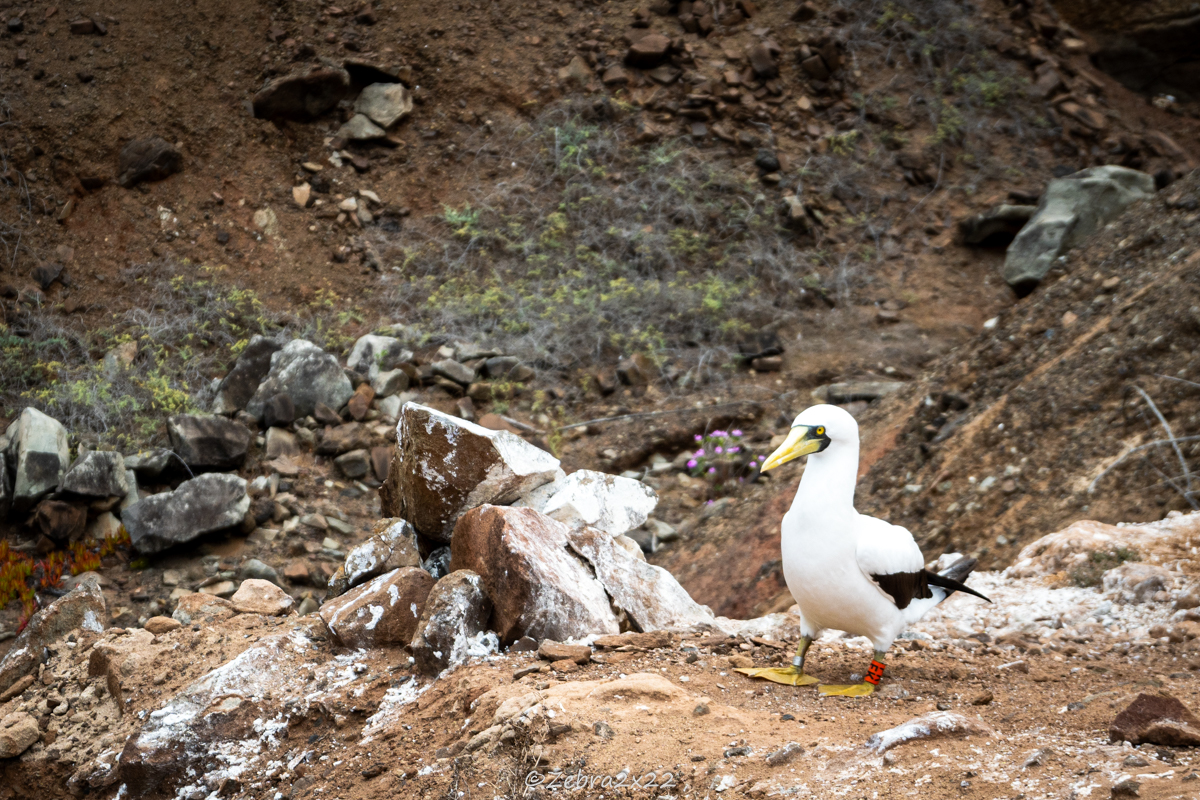
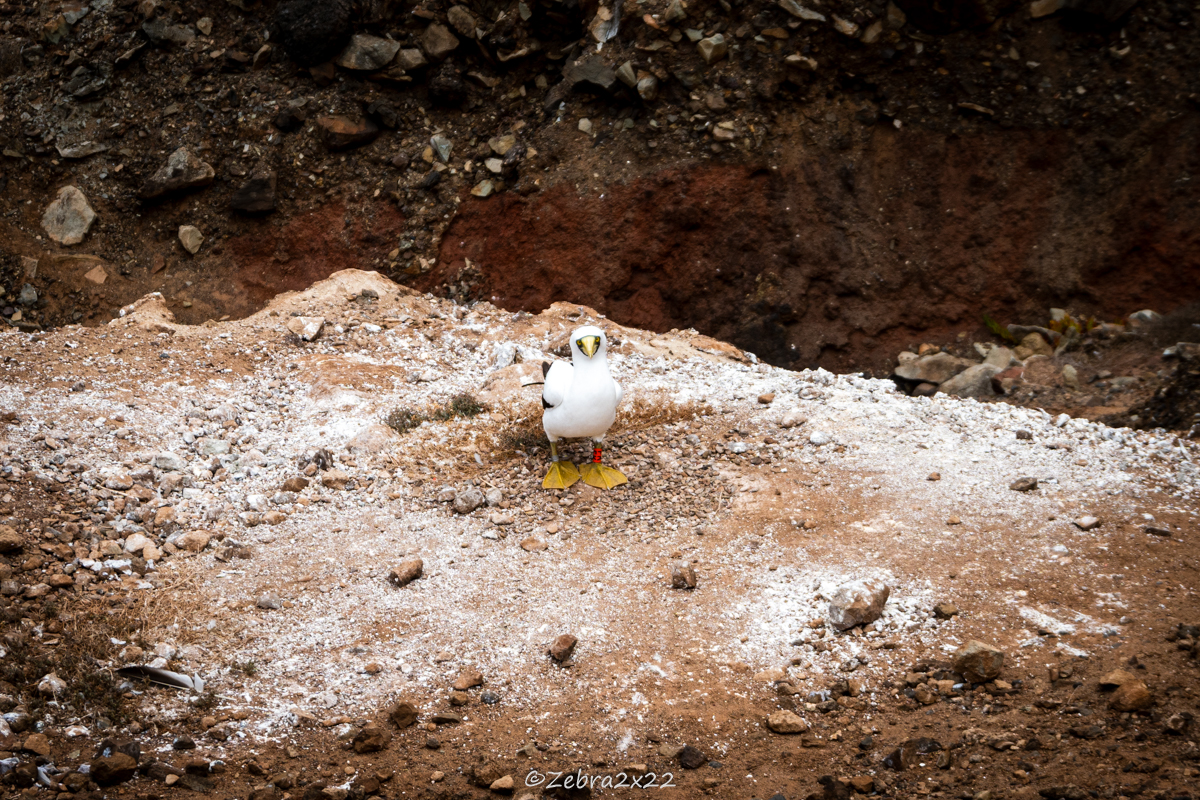
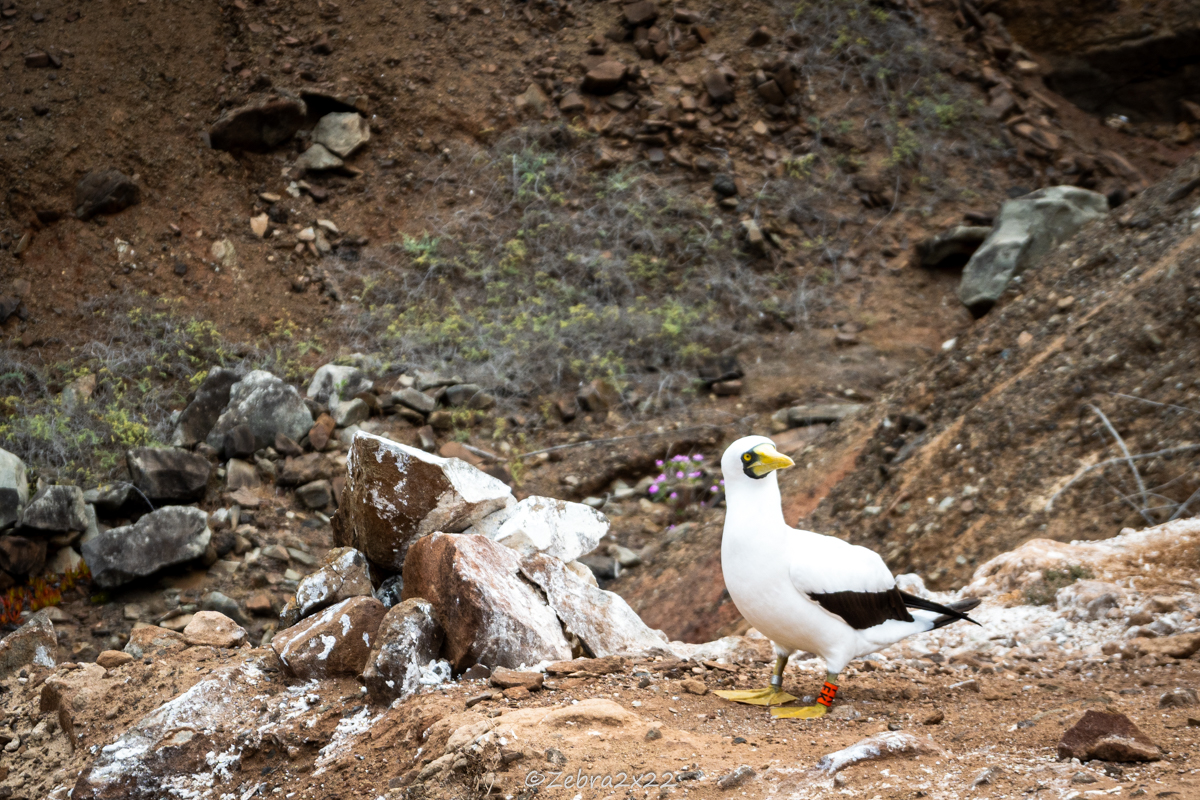
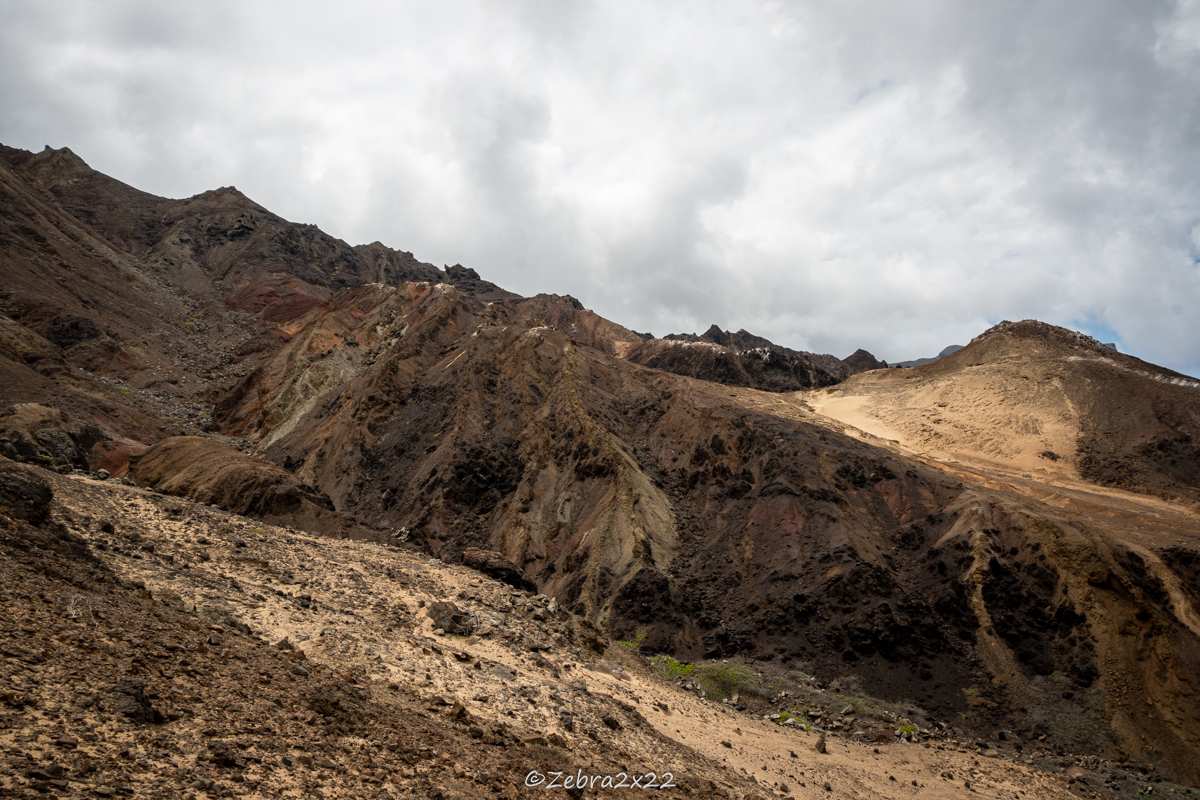
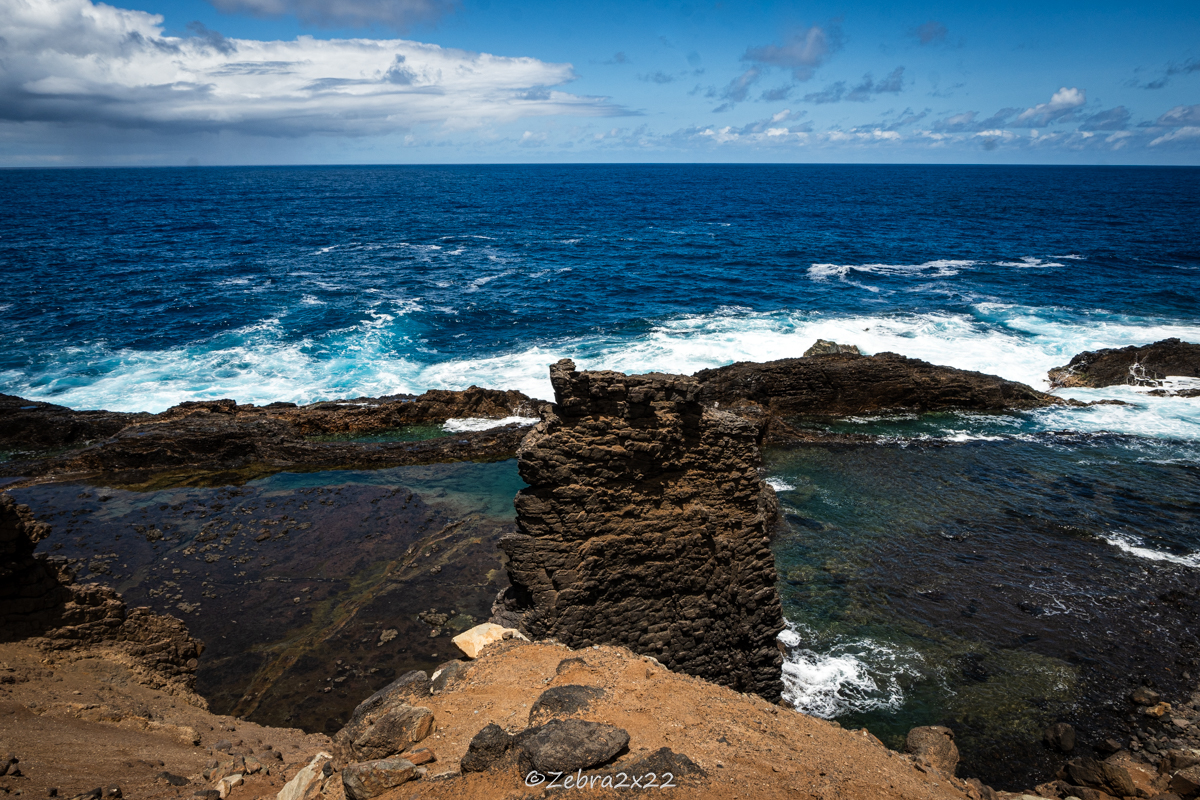
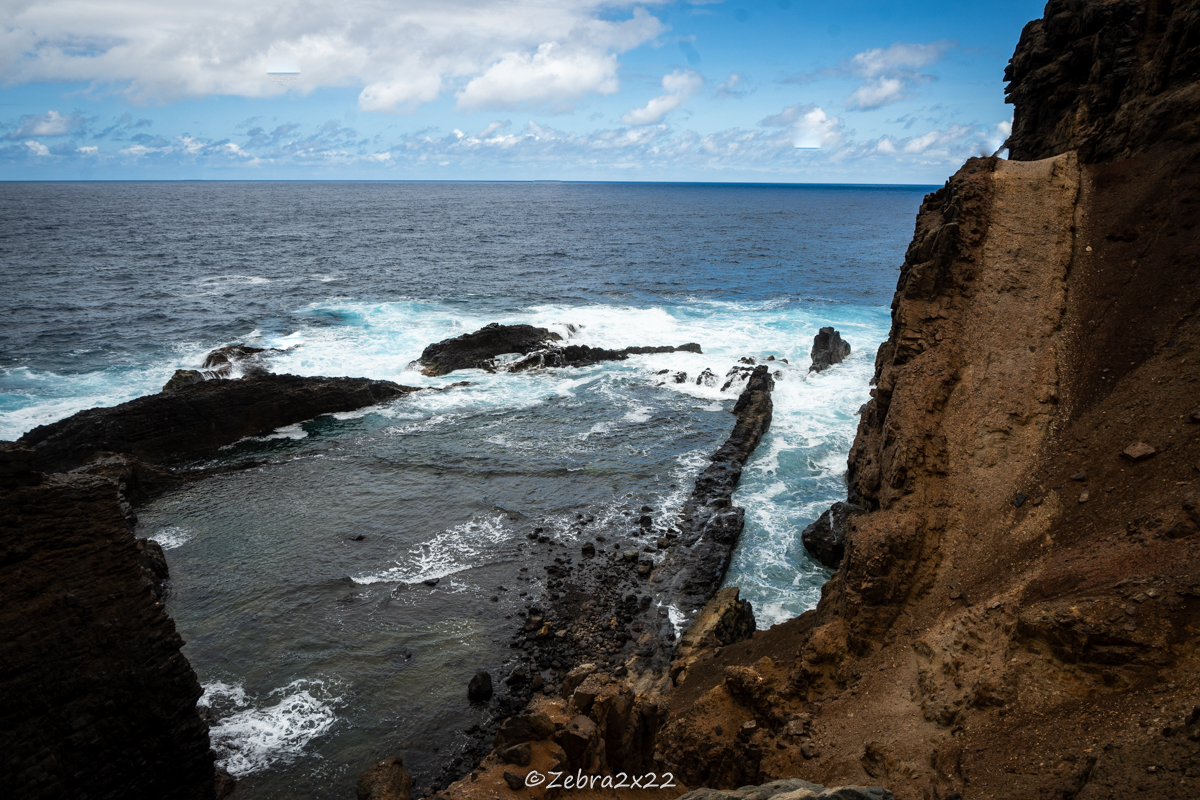
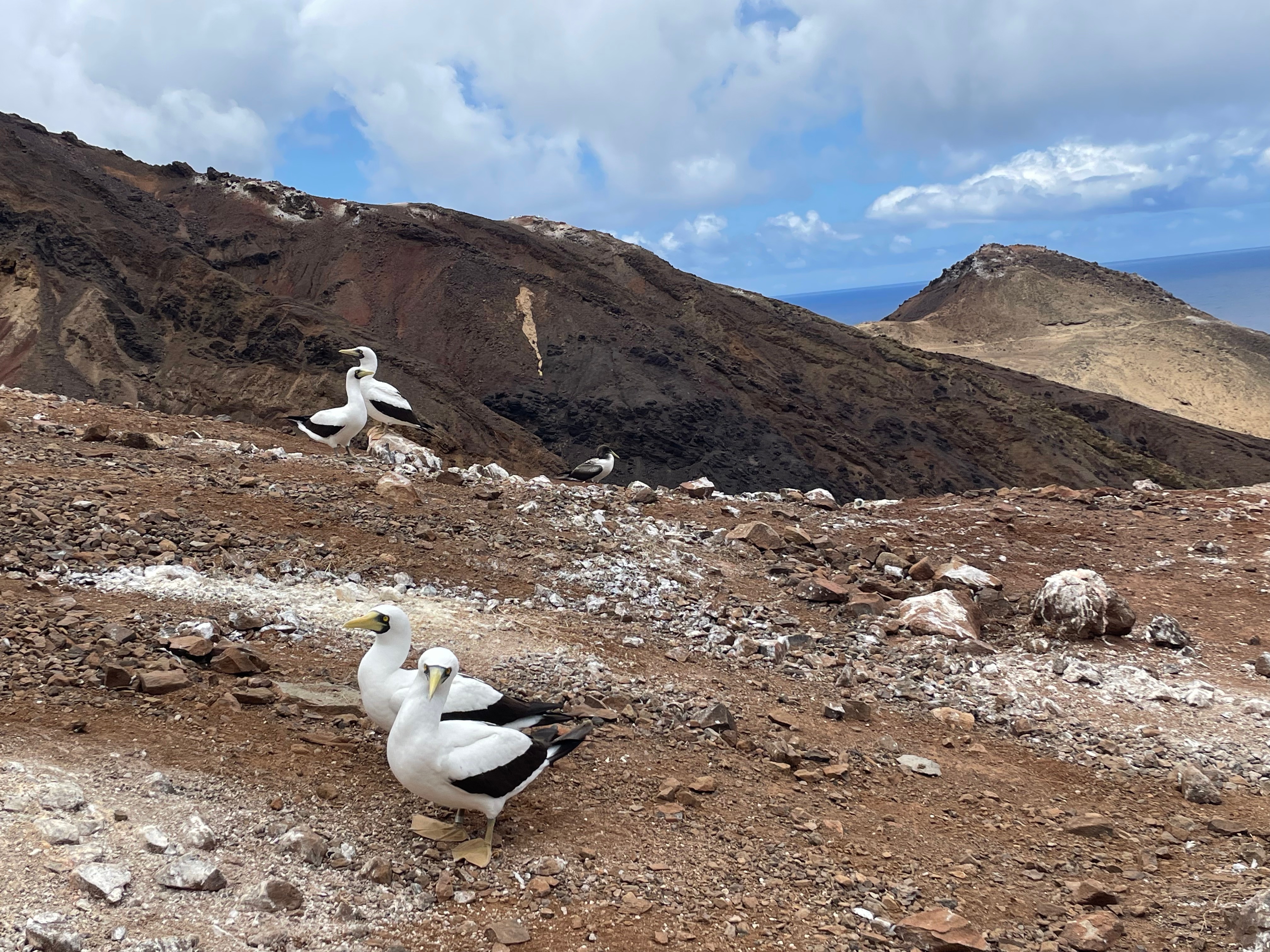
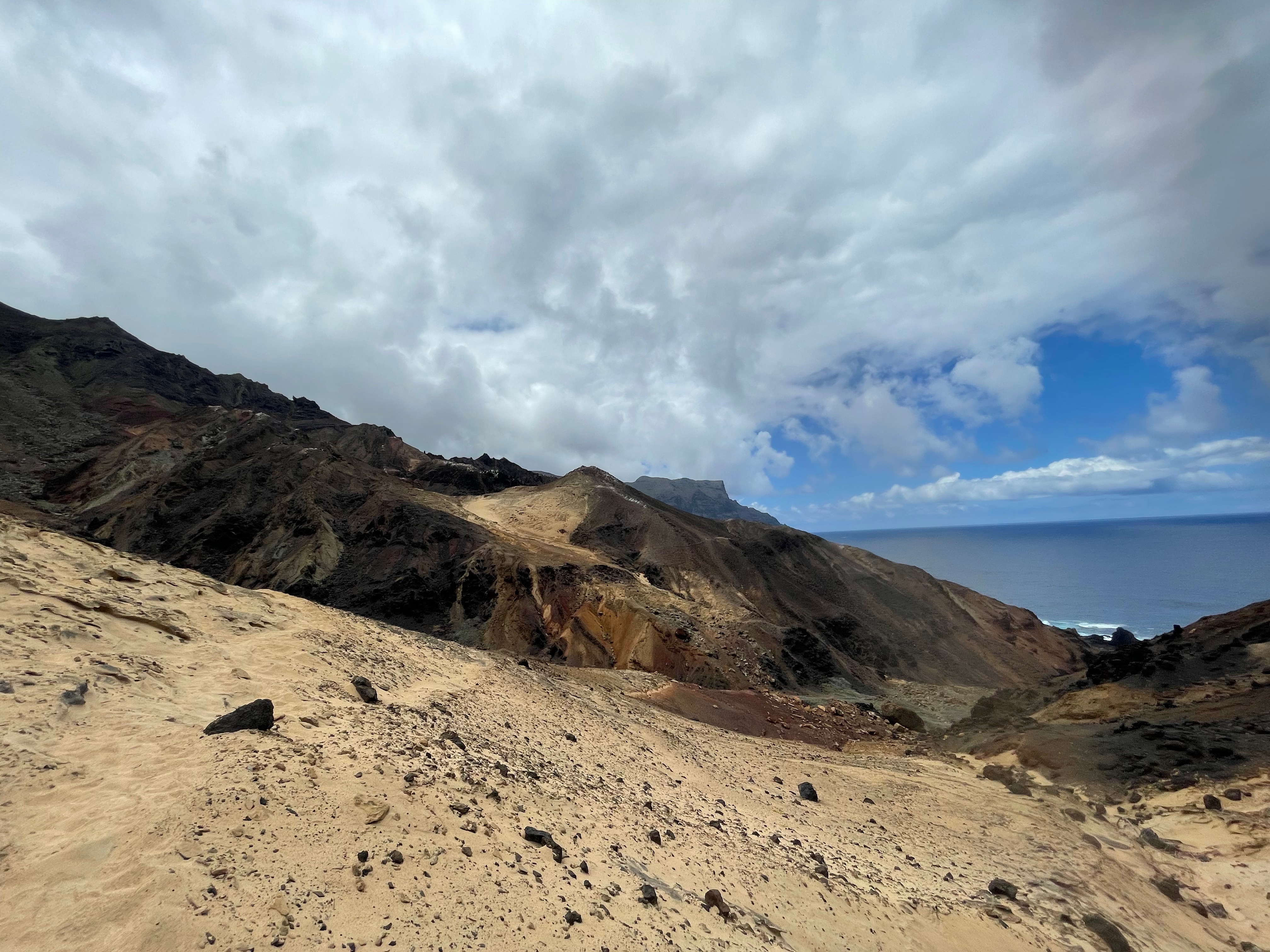
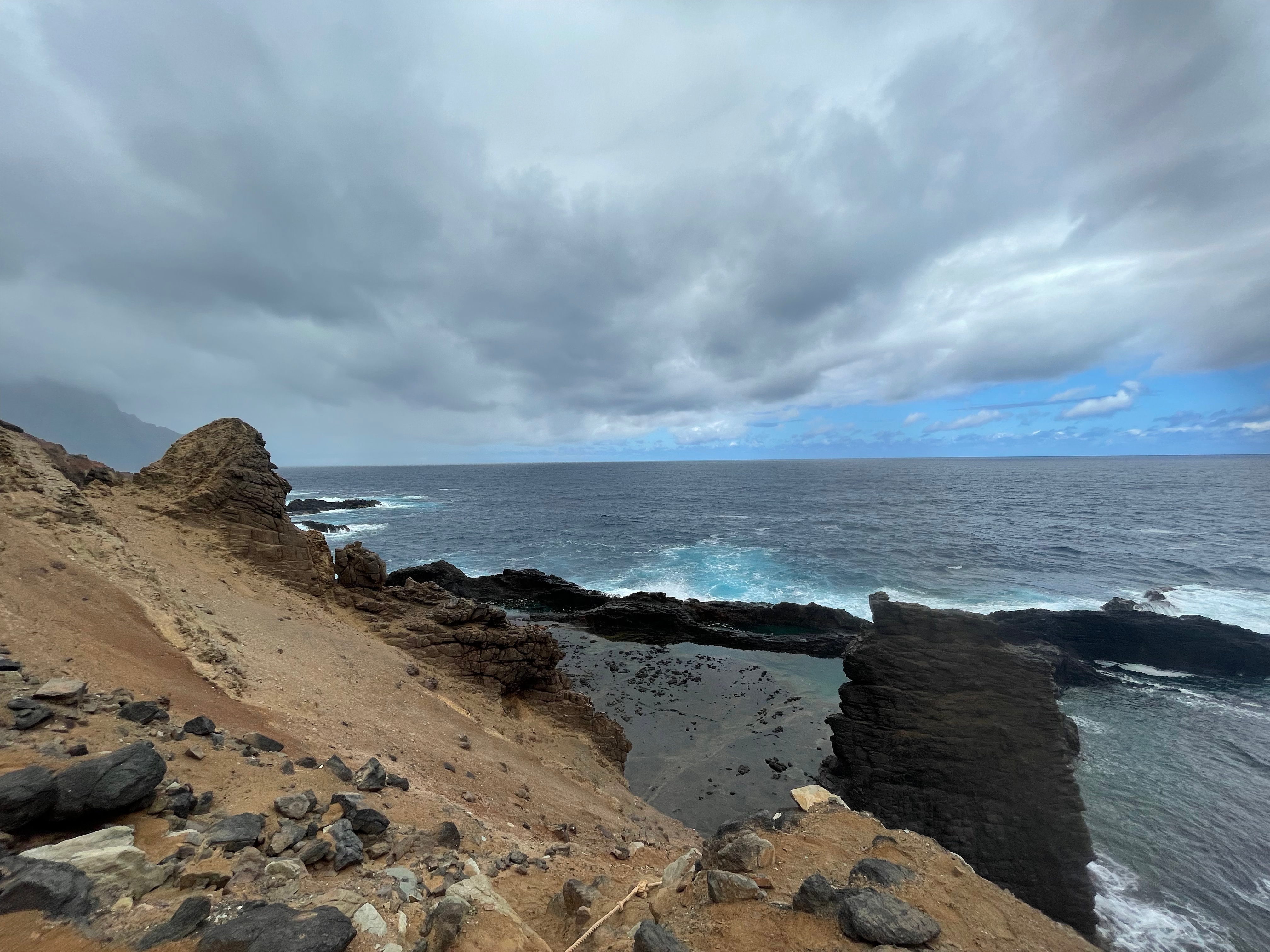
- Lot’s Wife’s Ponds – I like the shape of this walk; you start by going uphill and downhill, and then you return along the same path. The landscapes are amazing, and you might feel like you’re walking on the moon. You can walk next to masked boobies that nest in this area. The arrival is challenging, with a rope to reach the pond and swim before heading back. The sea was rough when I was there, and it was impressive.

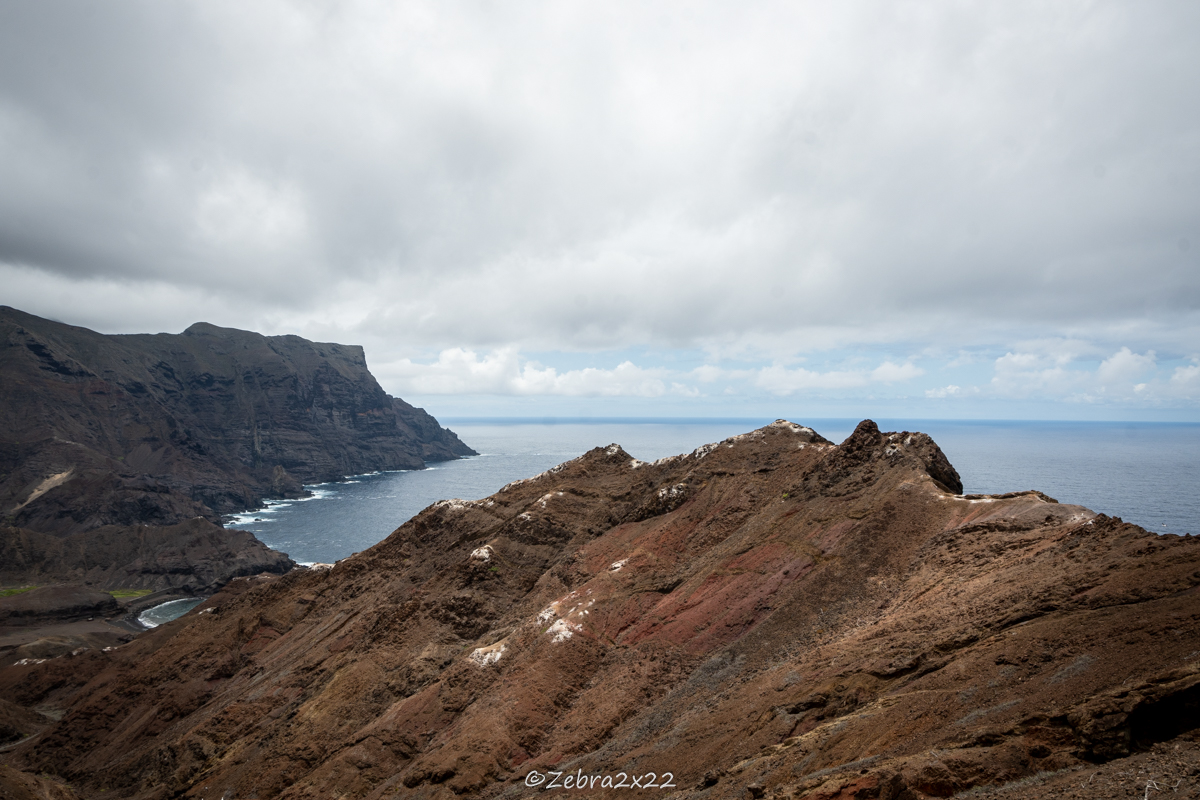

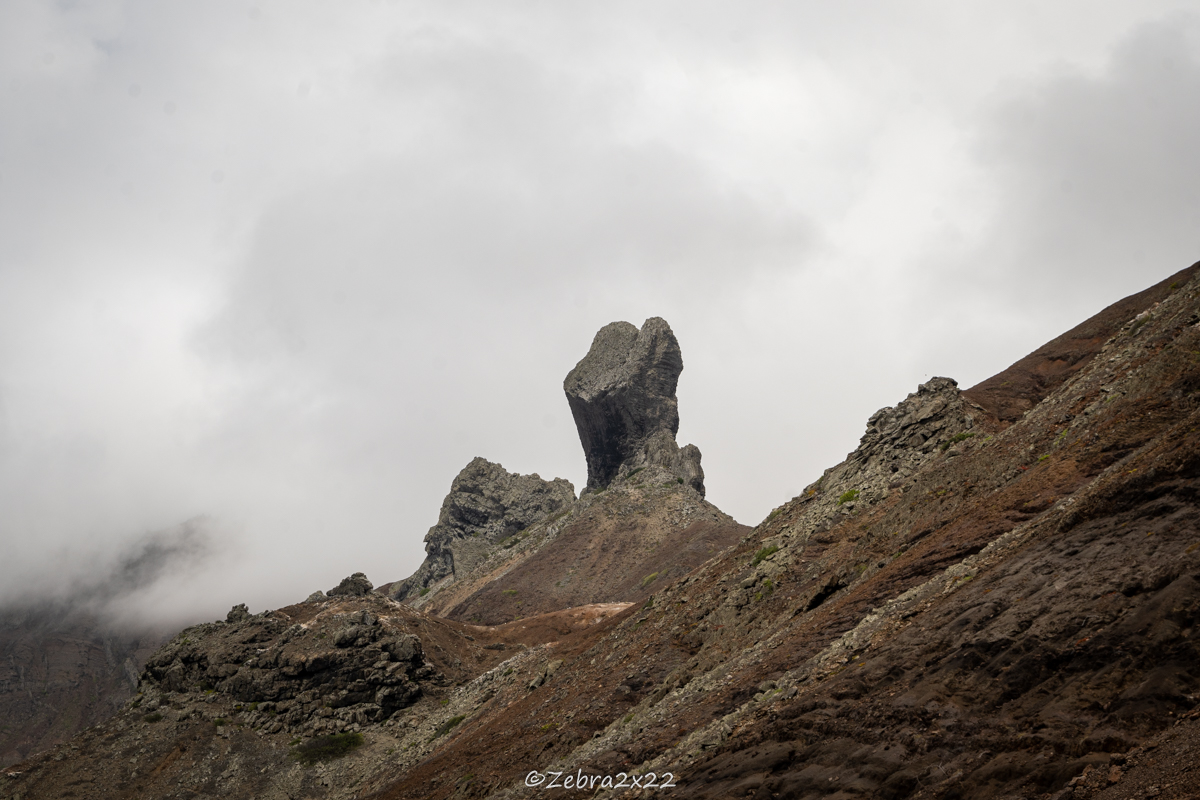









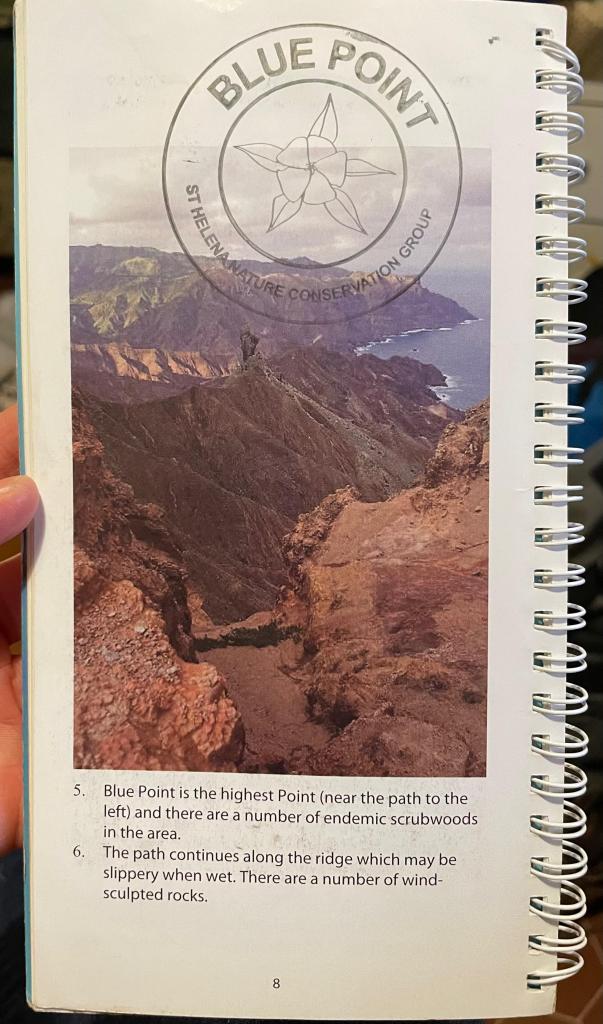
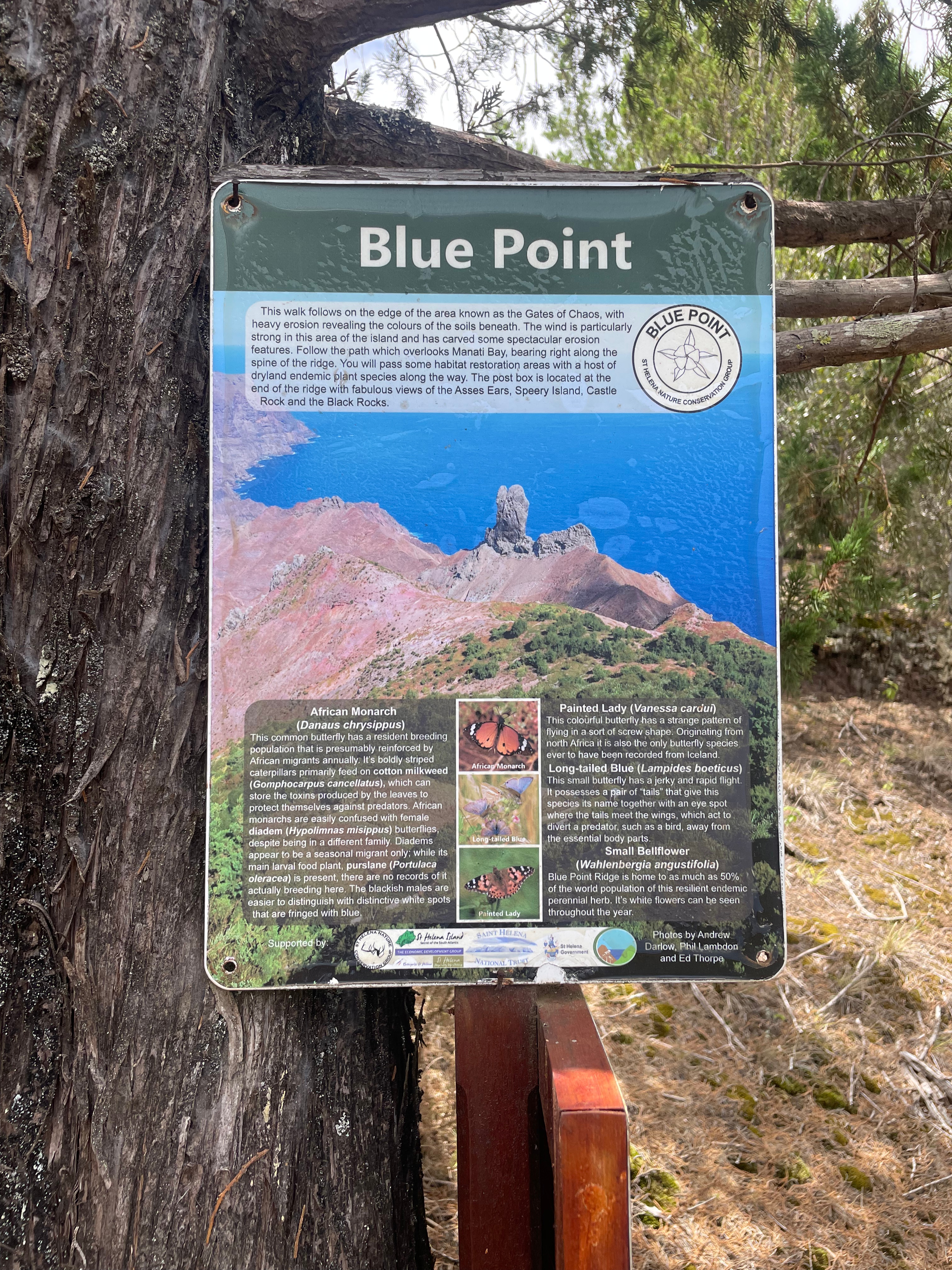
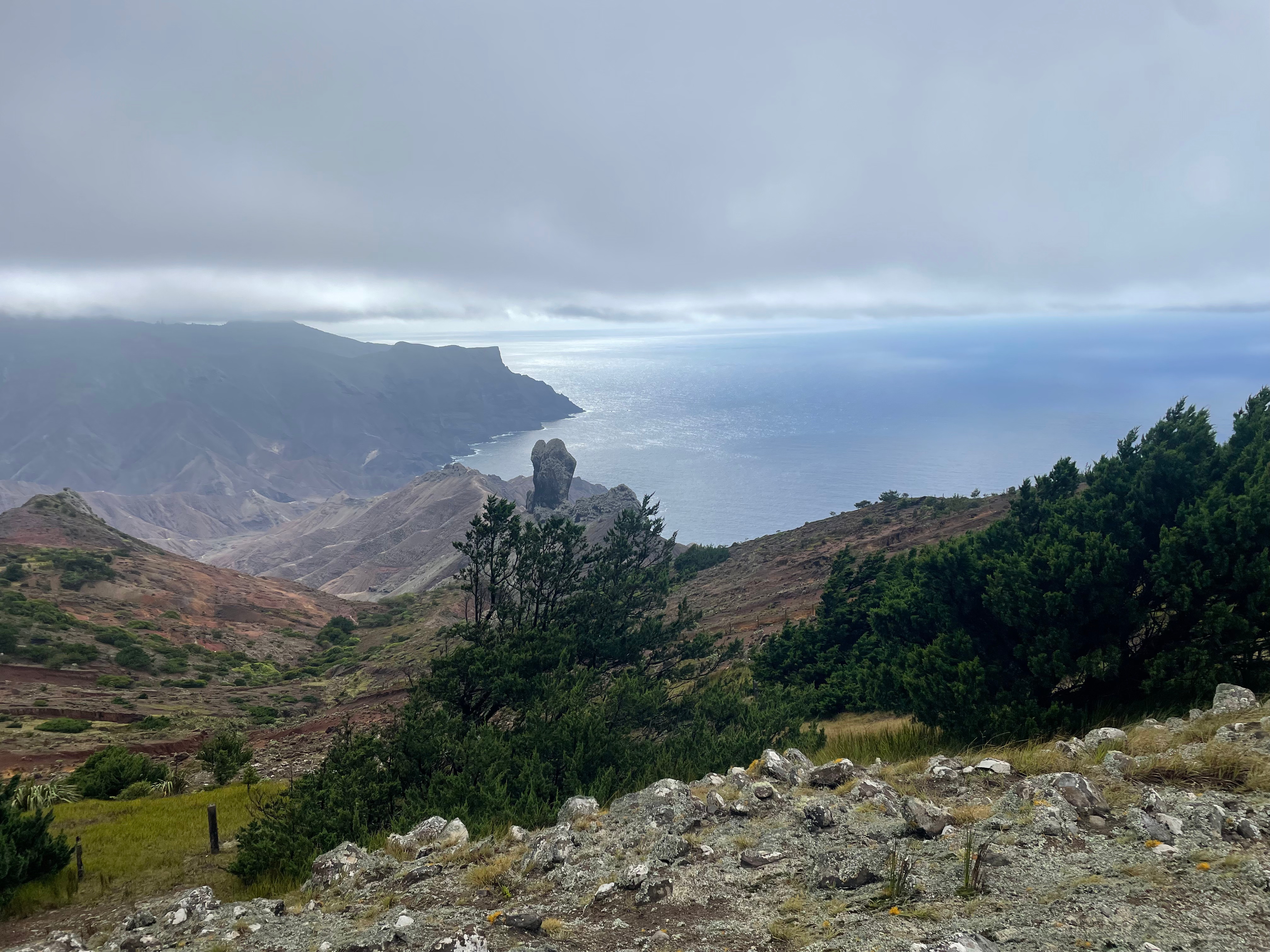
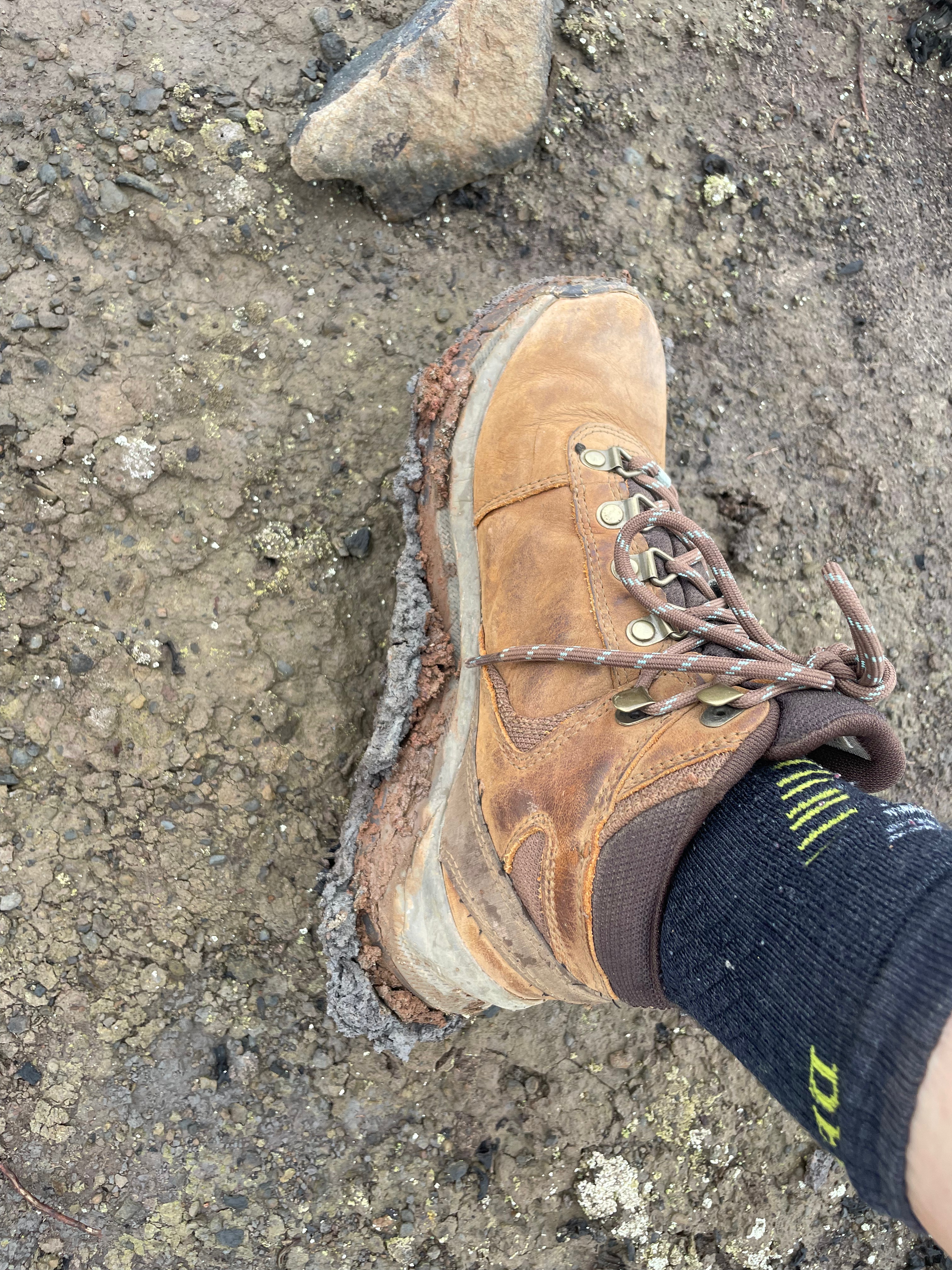
- Blue Point – An easy walk with one of the best views of Sandy Bay. However, it can become muddy and slippery after rain.





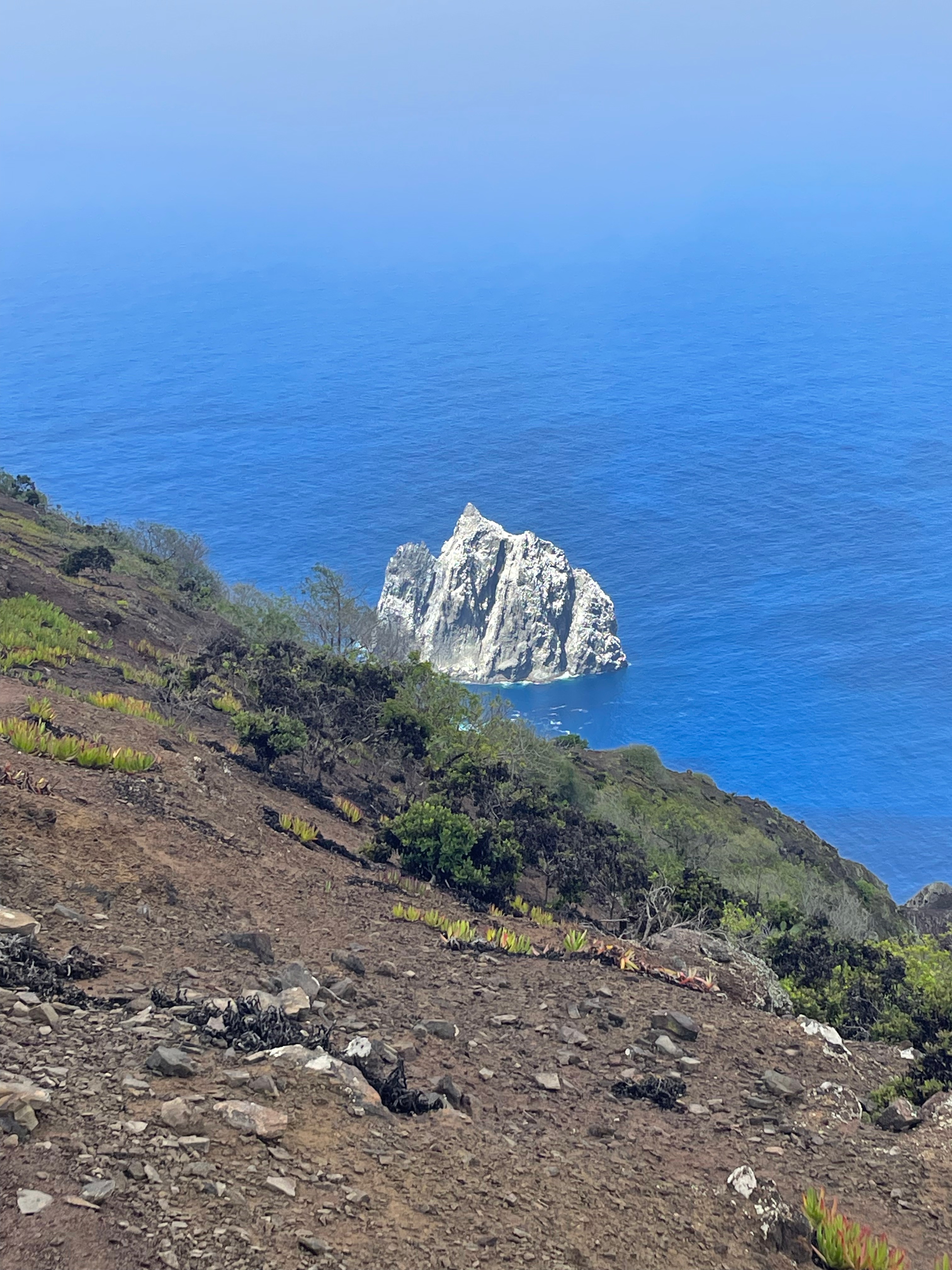

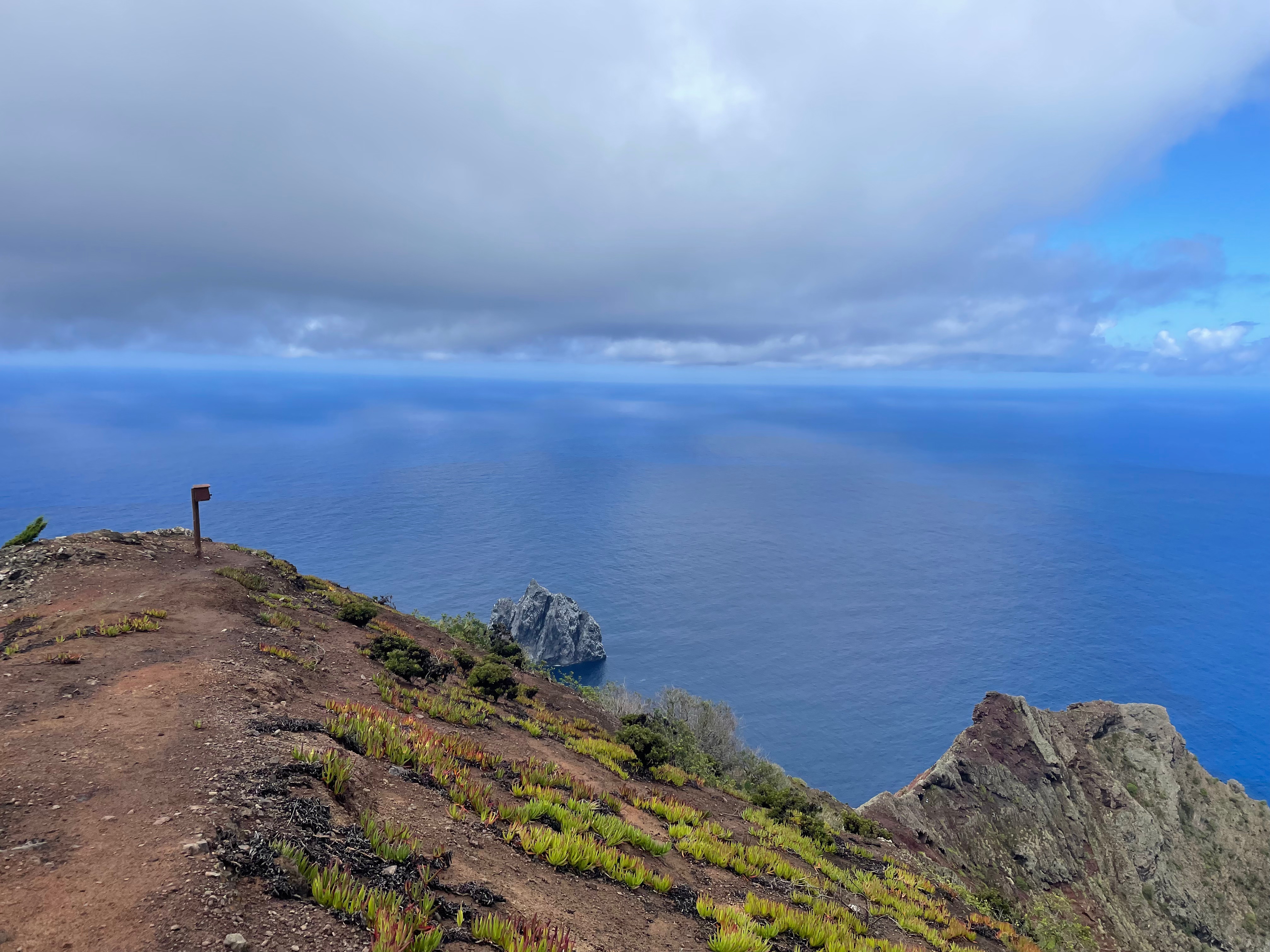
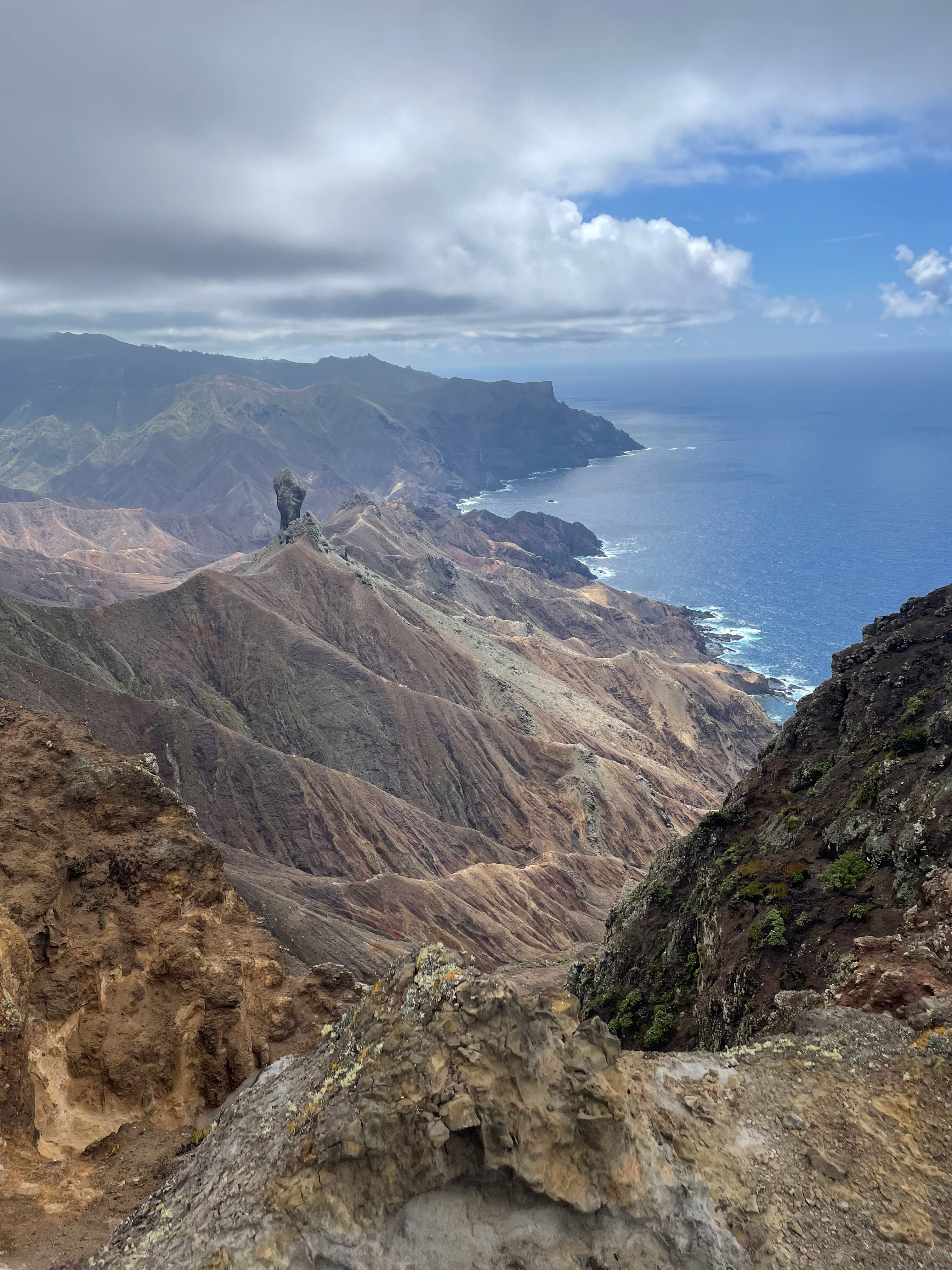
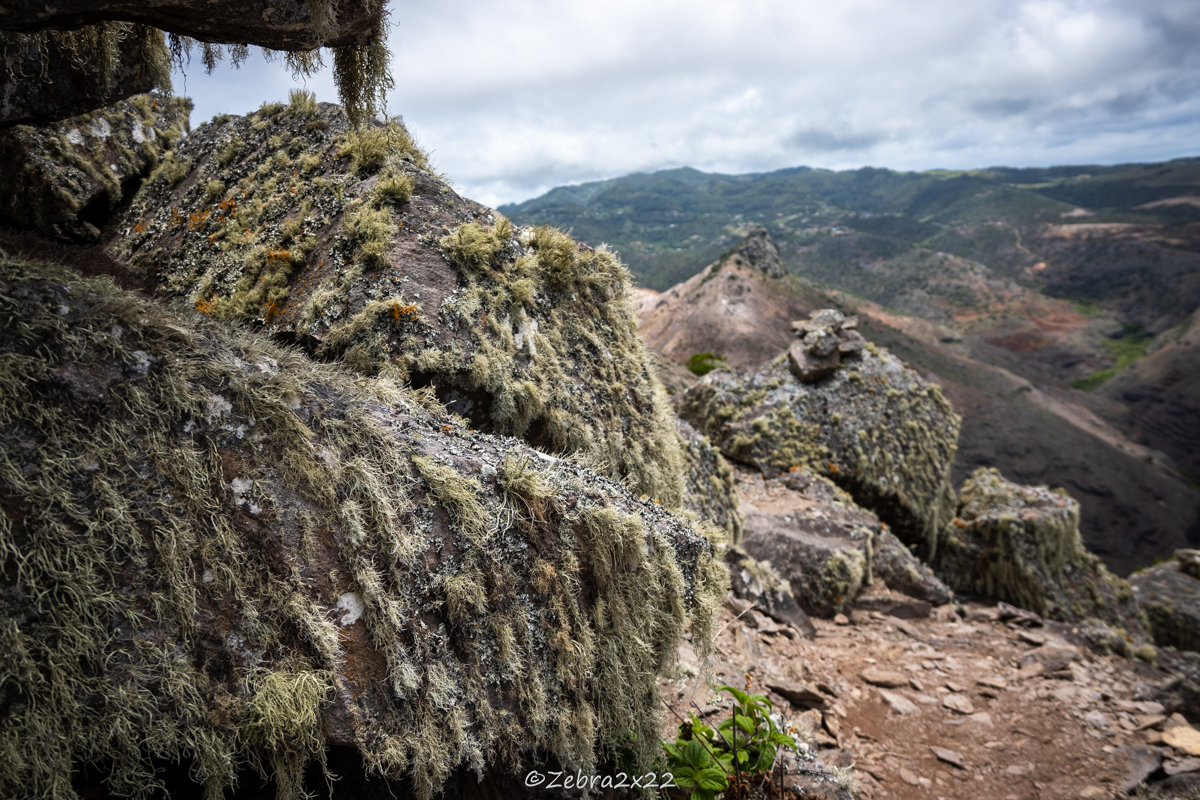
- The Barn – One of the most dramatic hikes, with narrow crests and voids on both sides, and crumbling soil underfoot. Not suitable for those afraid of heights.


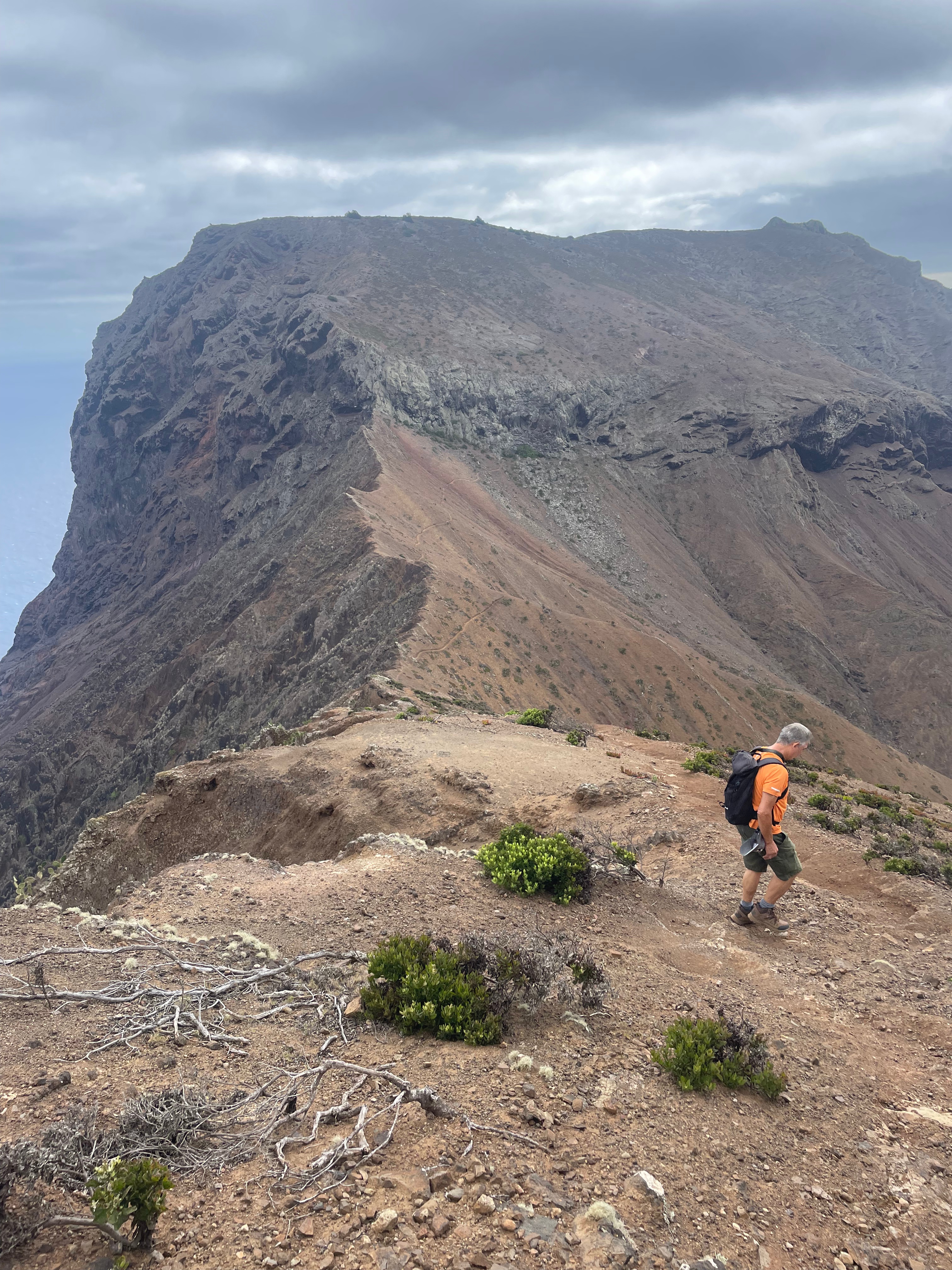
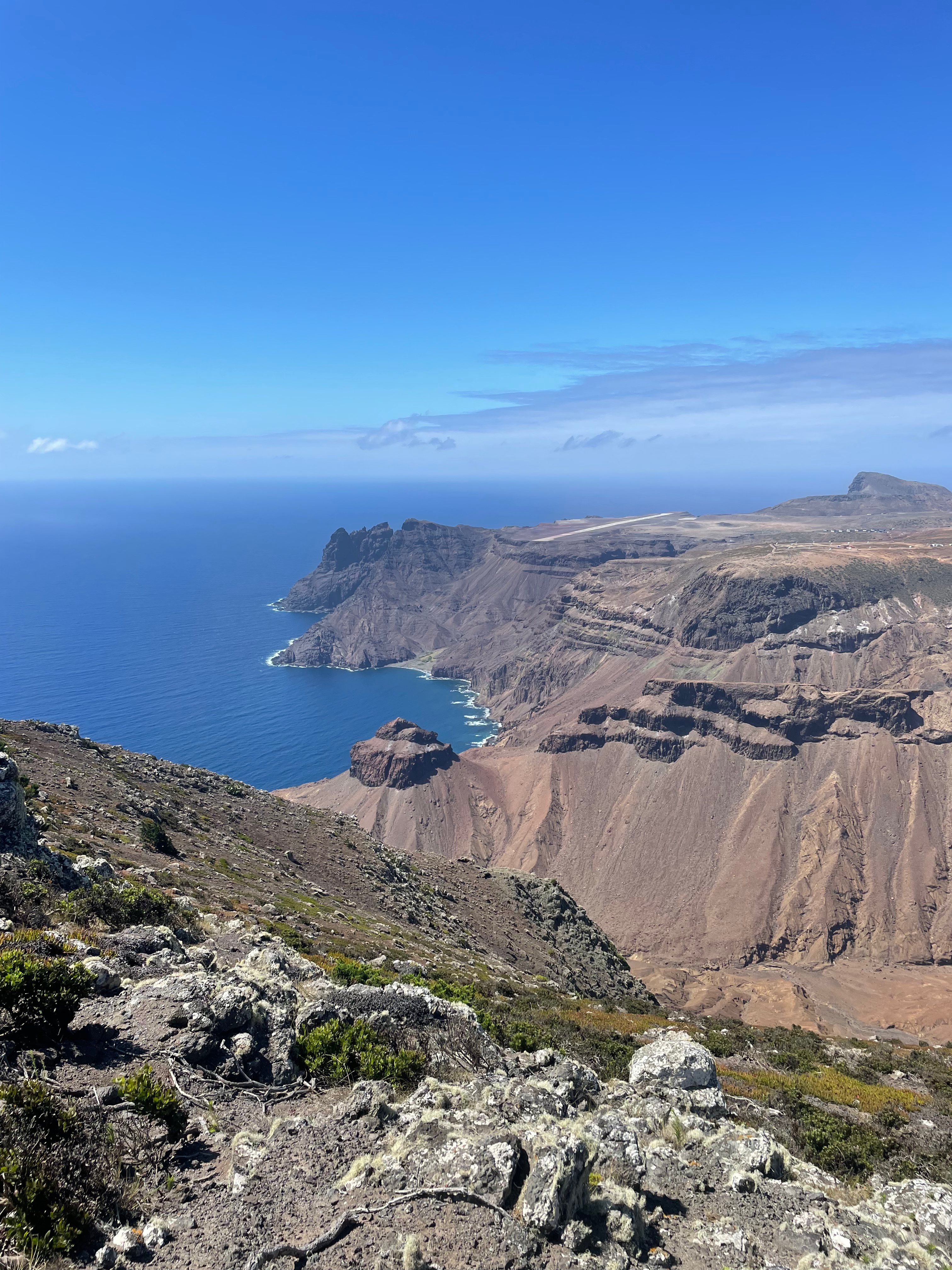
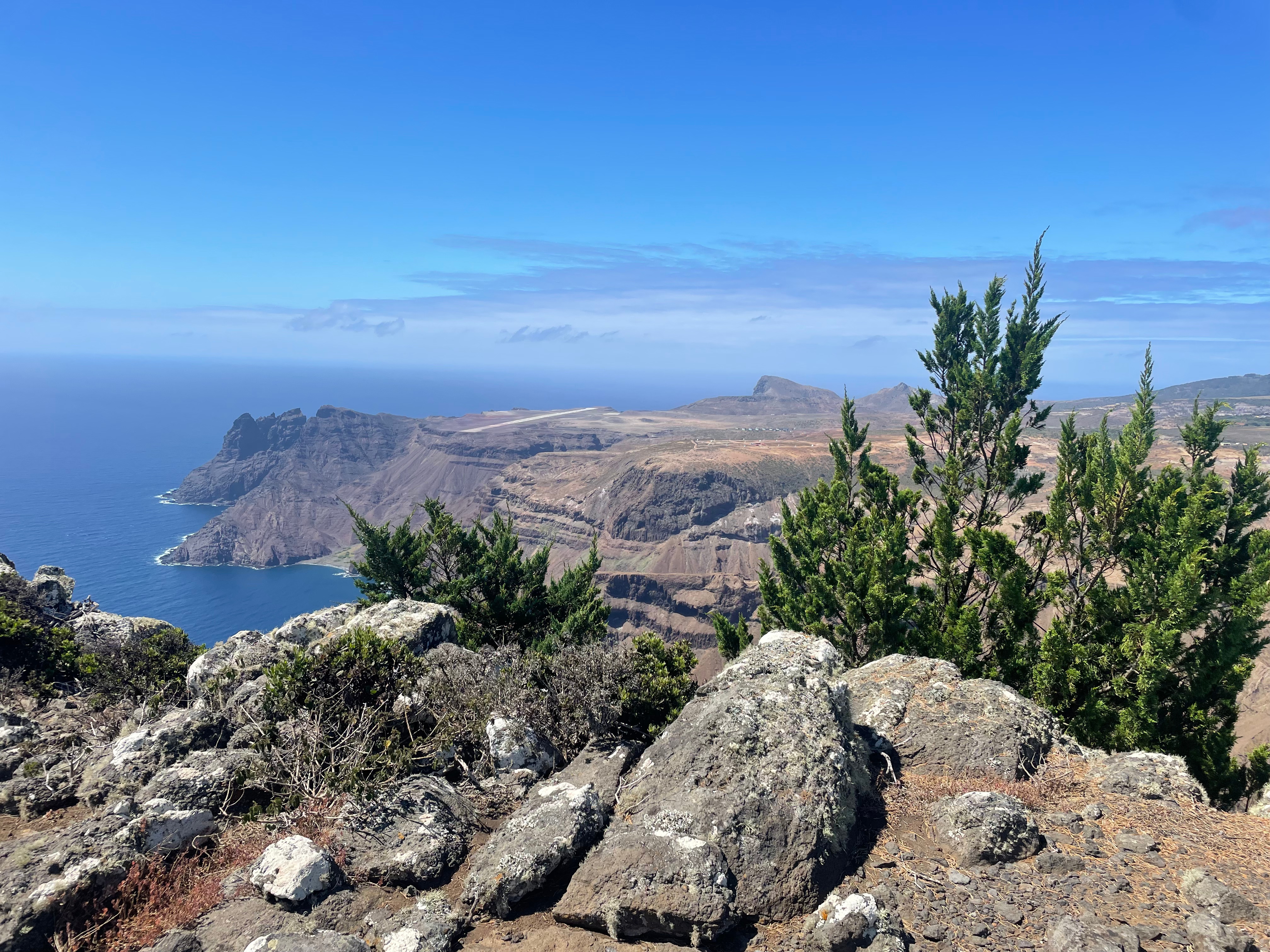
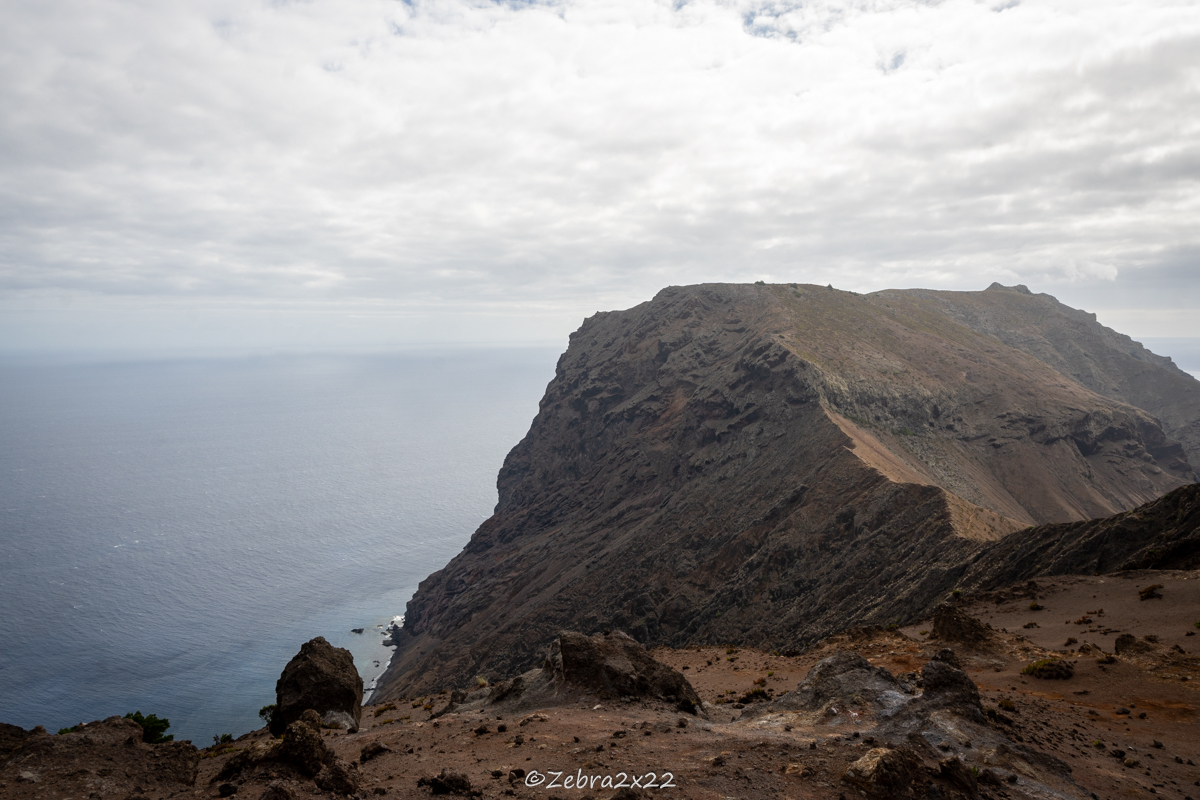
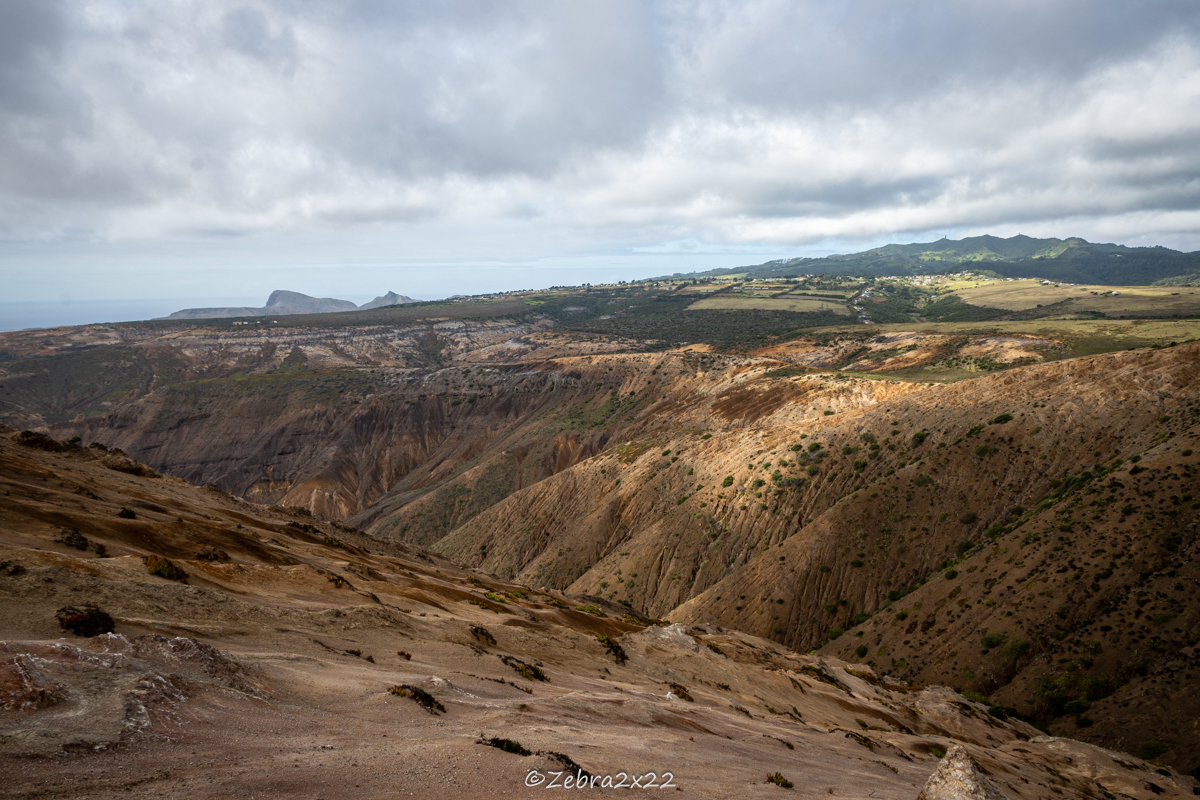
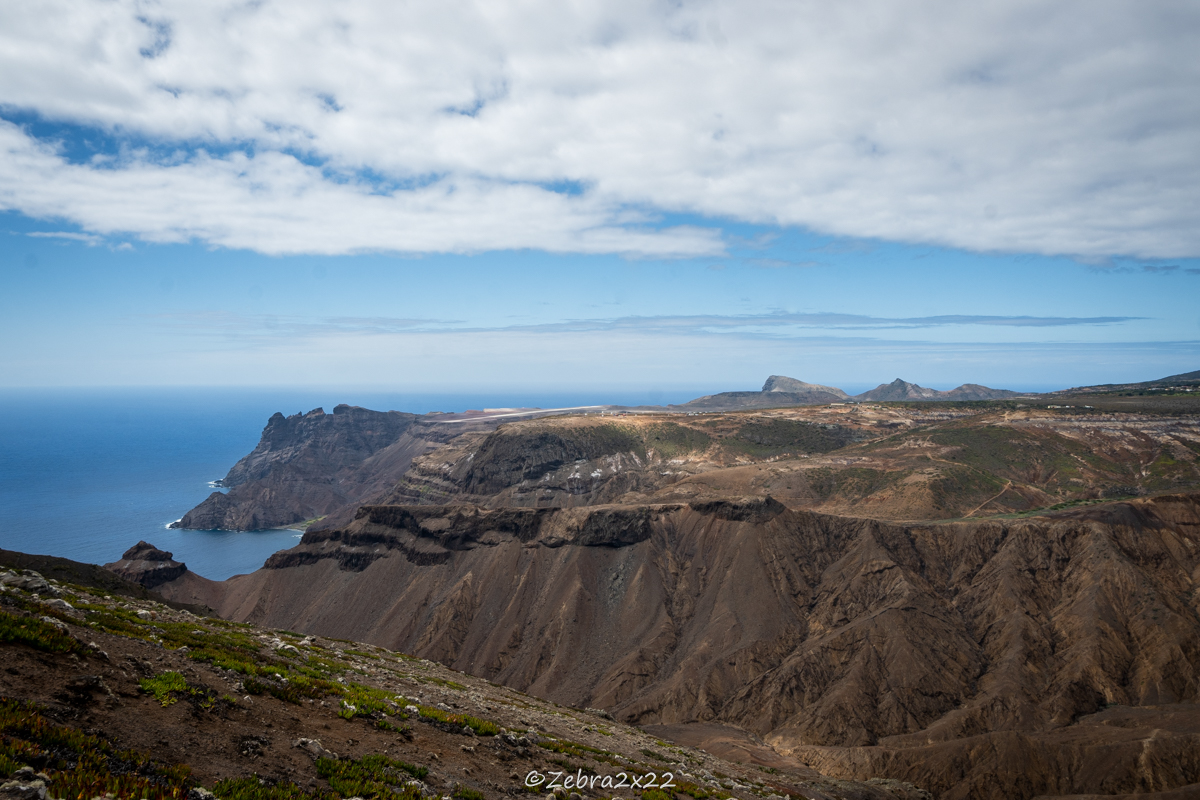
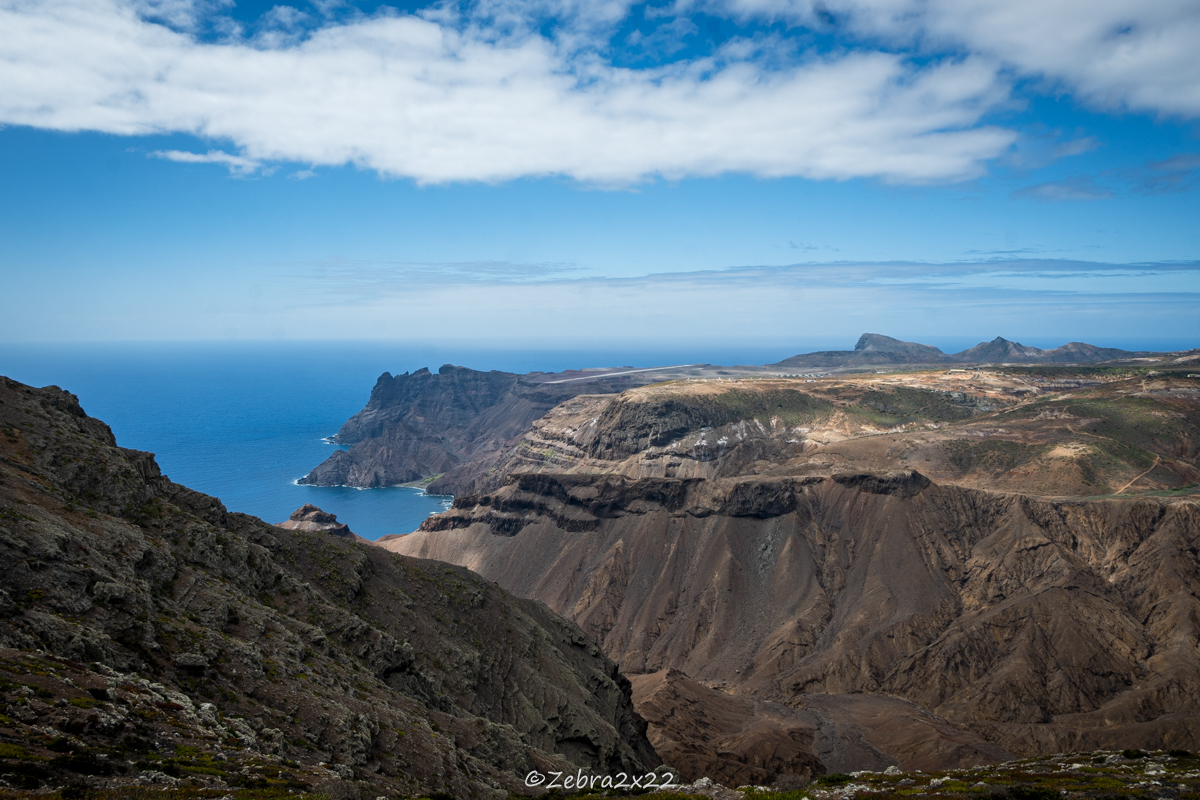
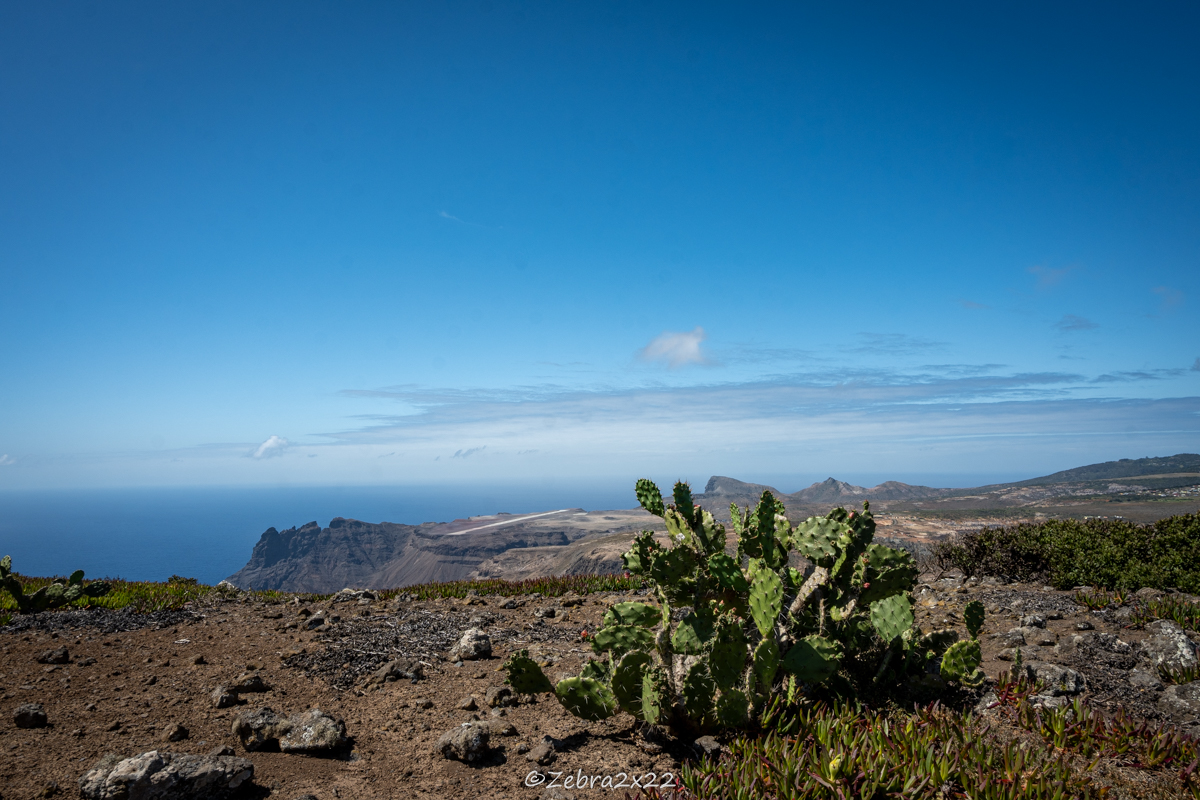
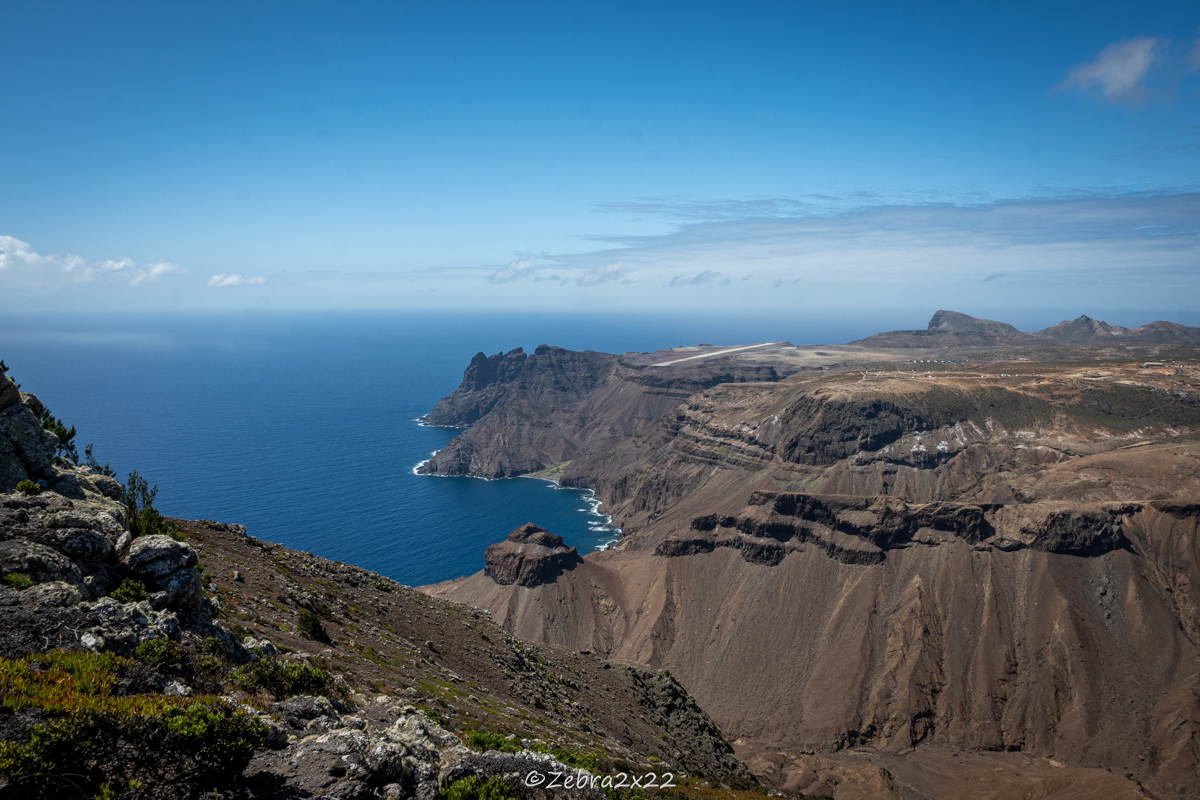

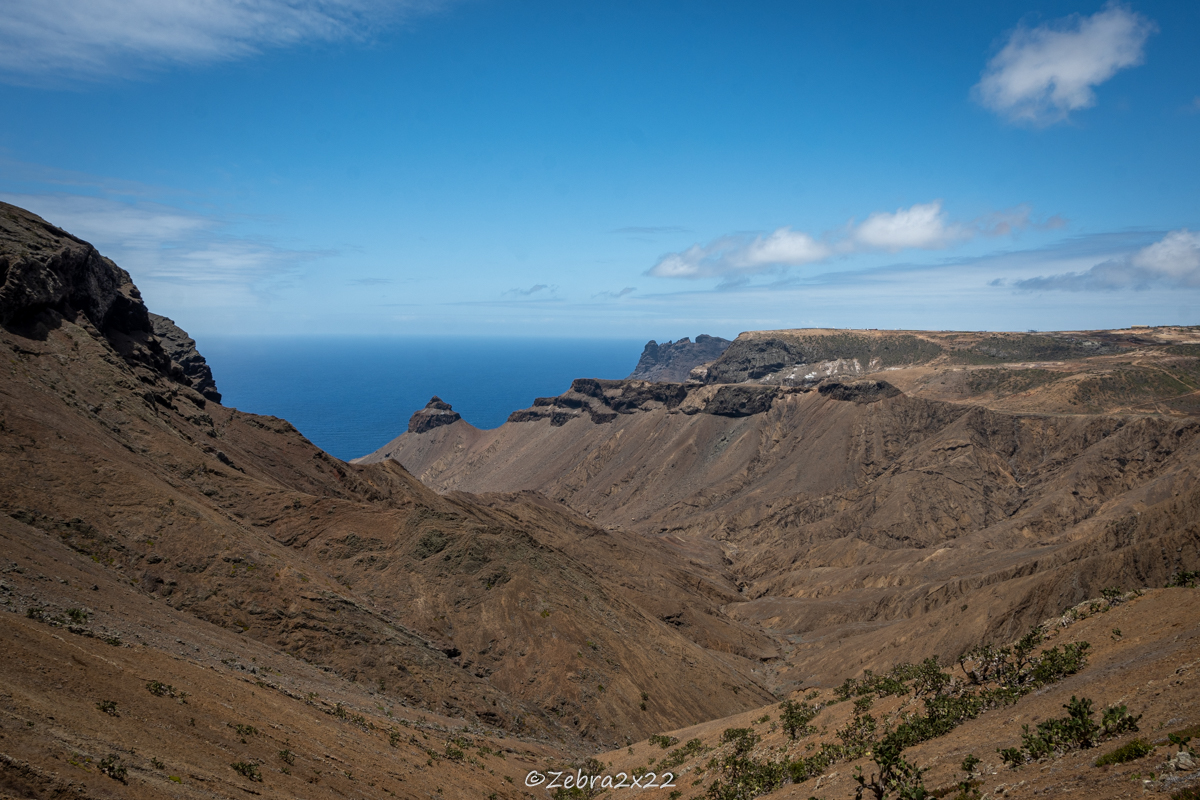
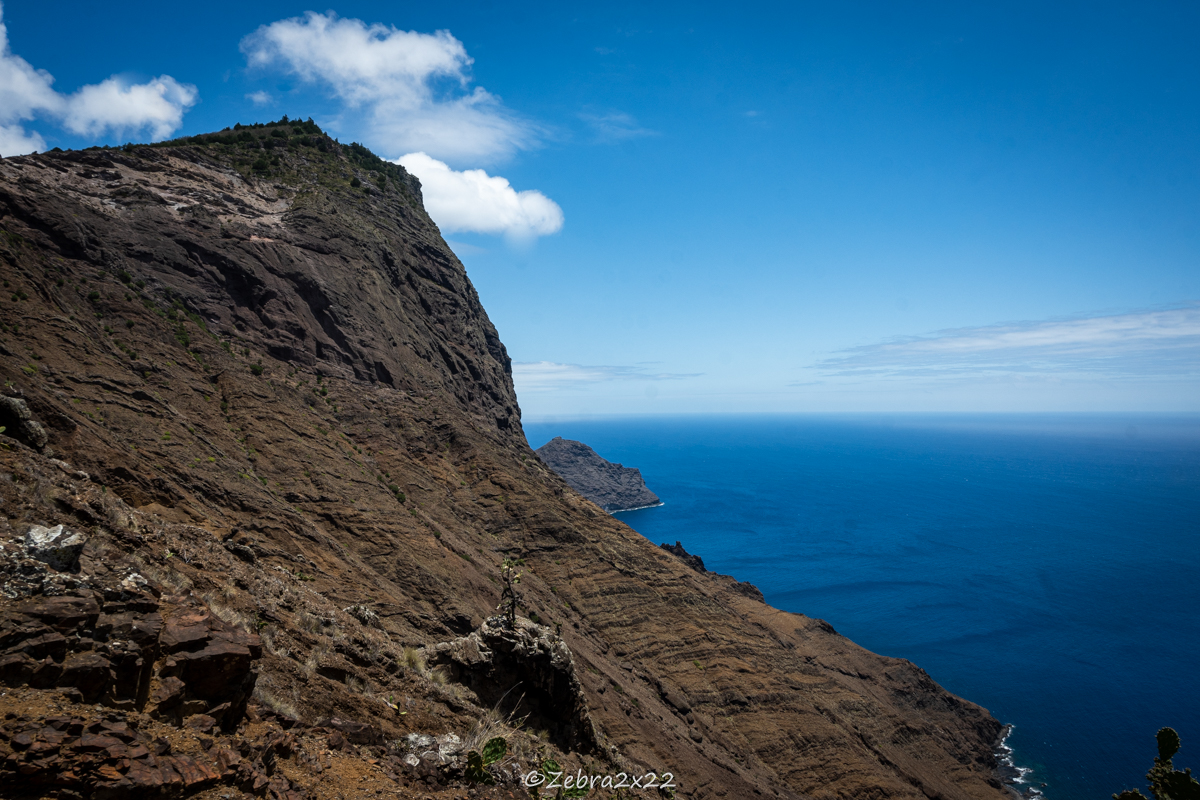


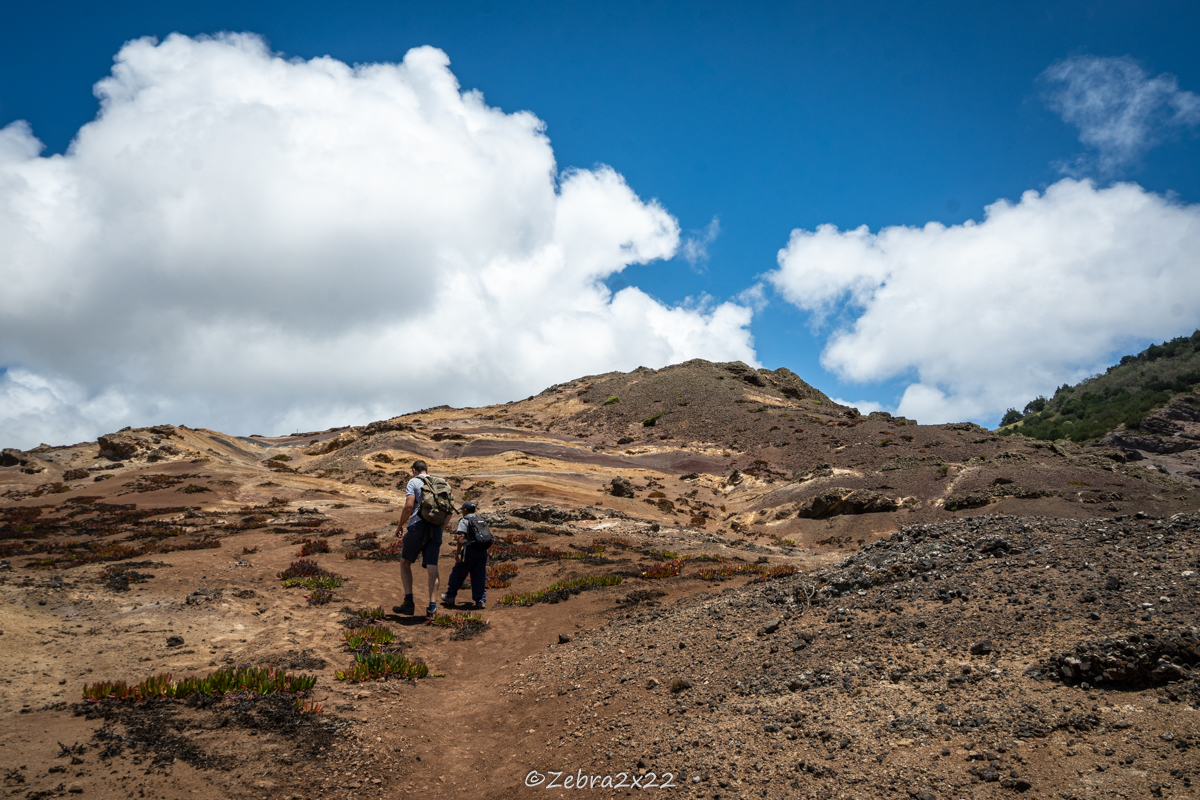
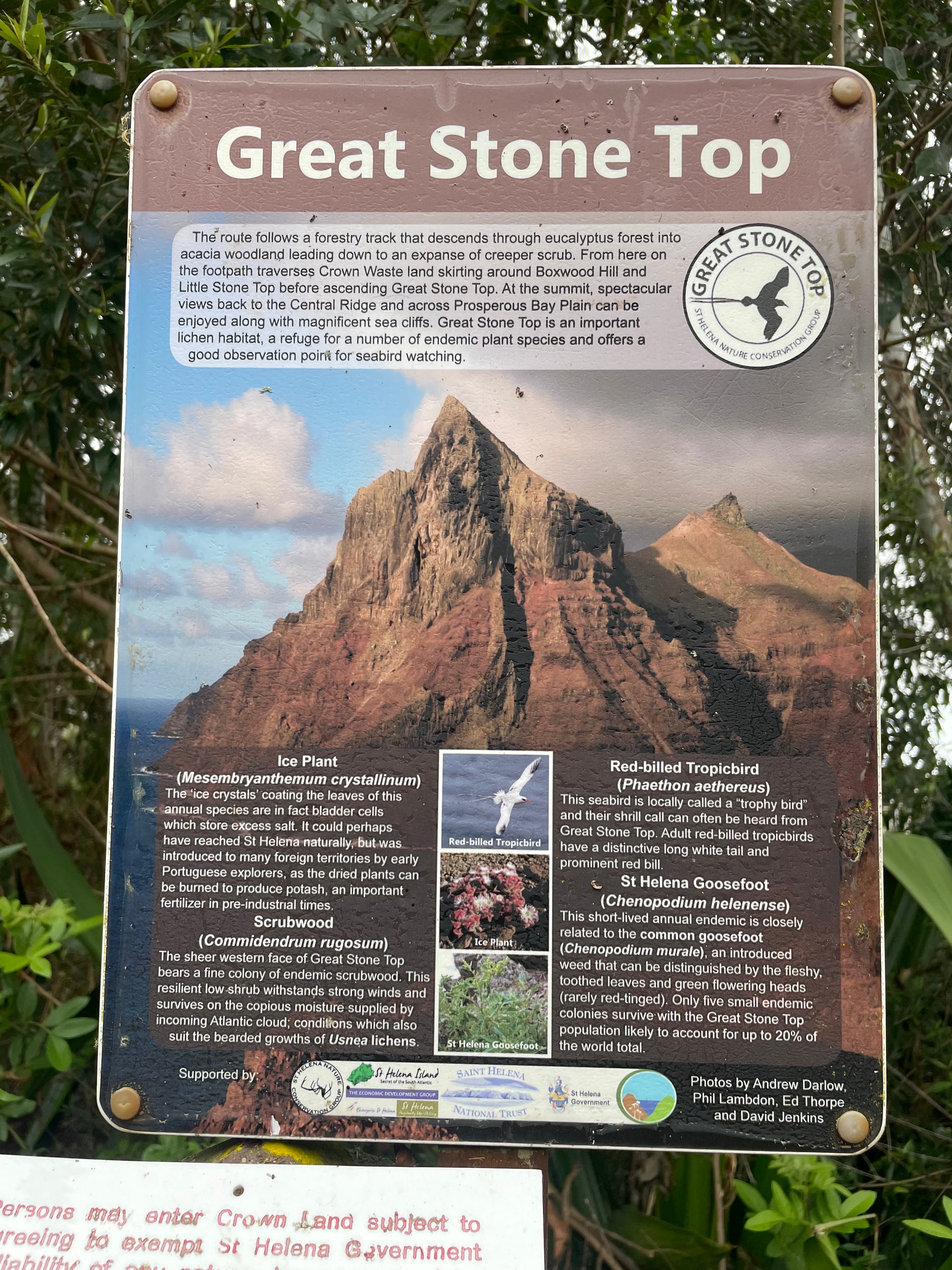
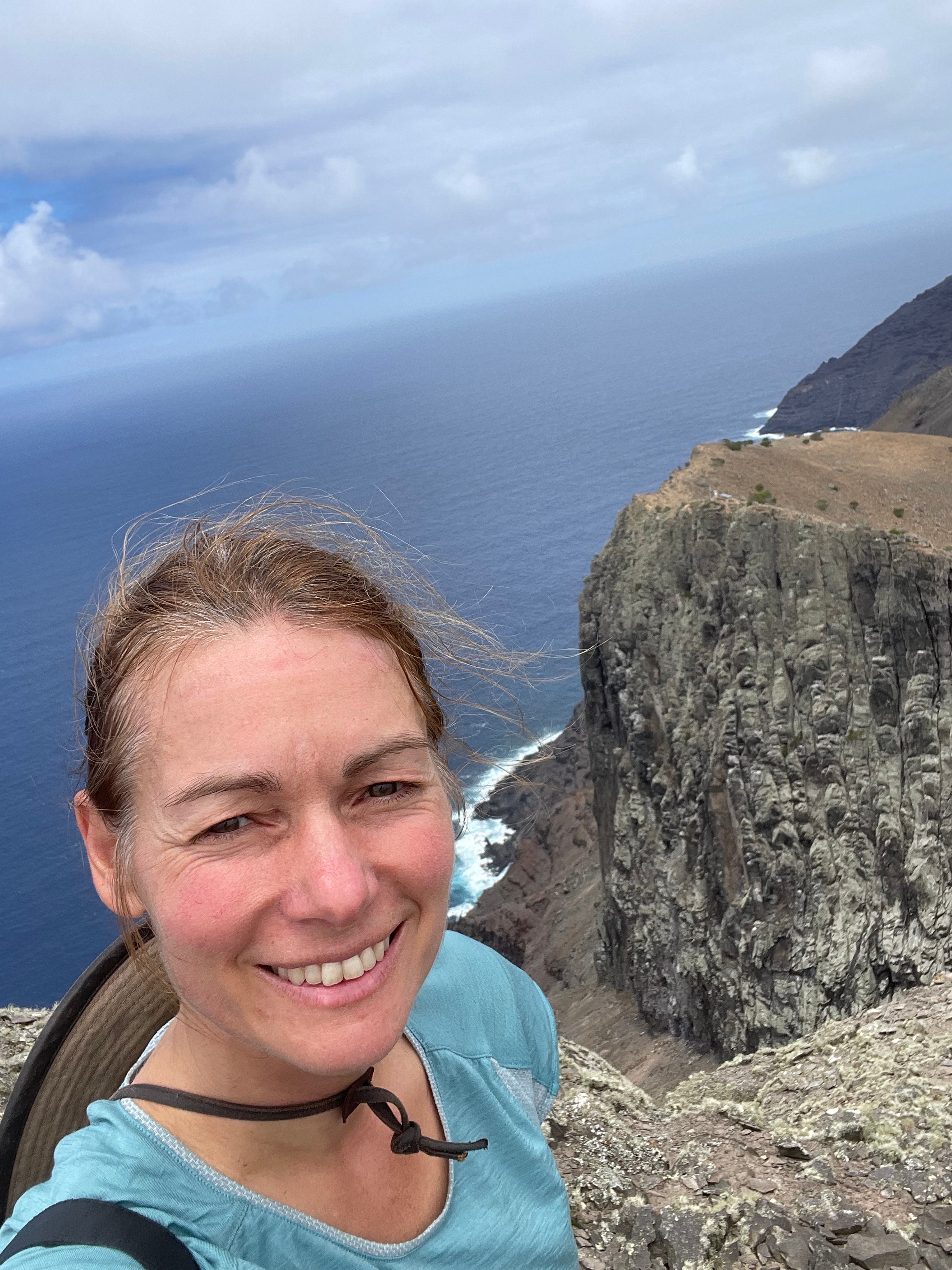
- Great Stone Top – The best trail for observing red-billed tropicbirds as they glide alongside the island’s cliffs.

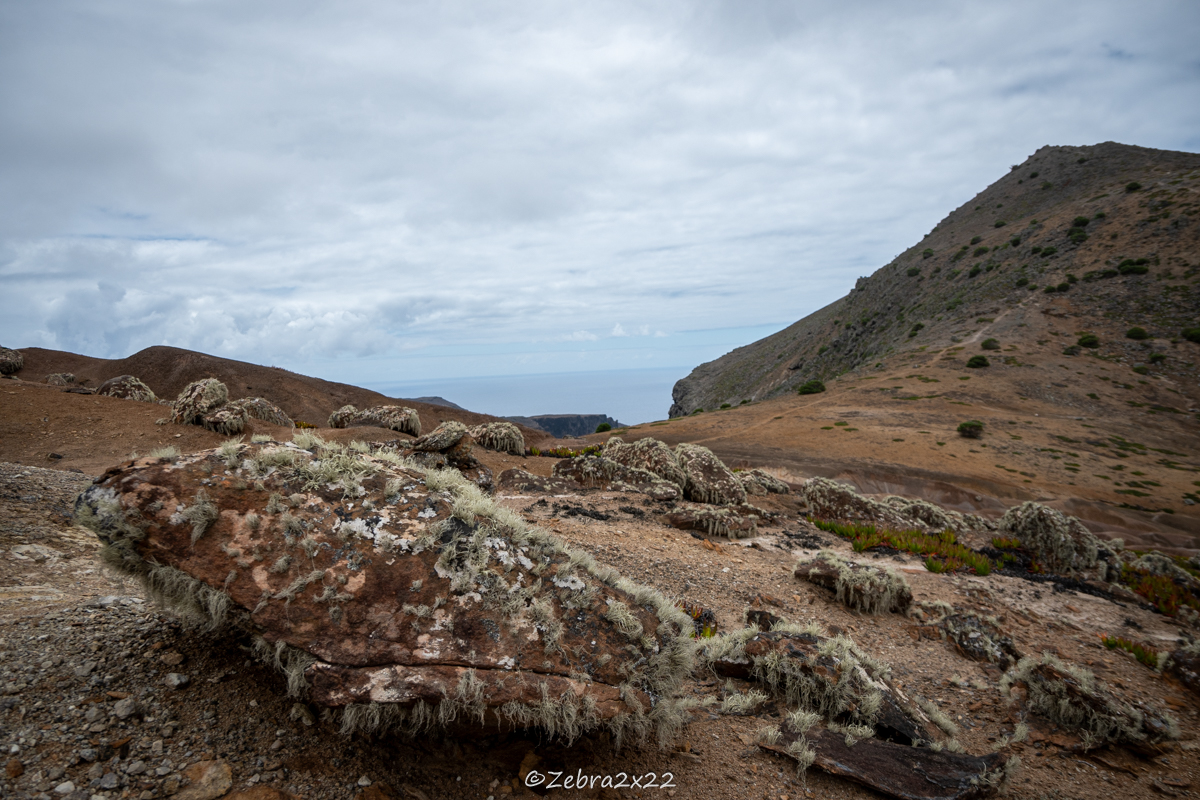
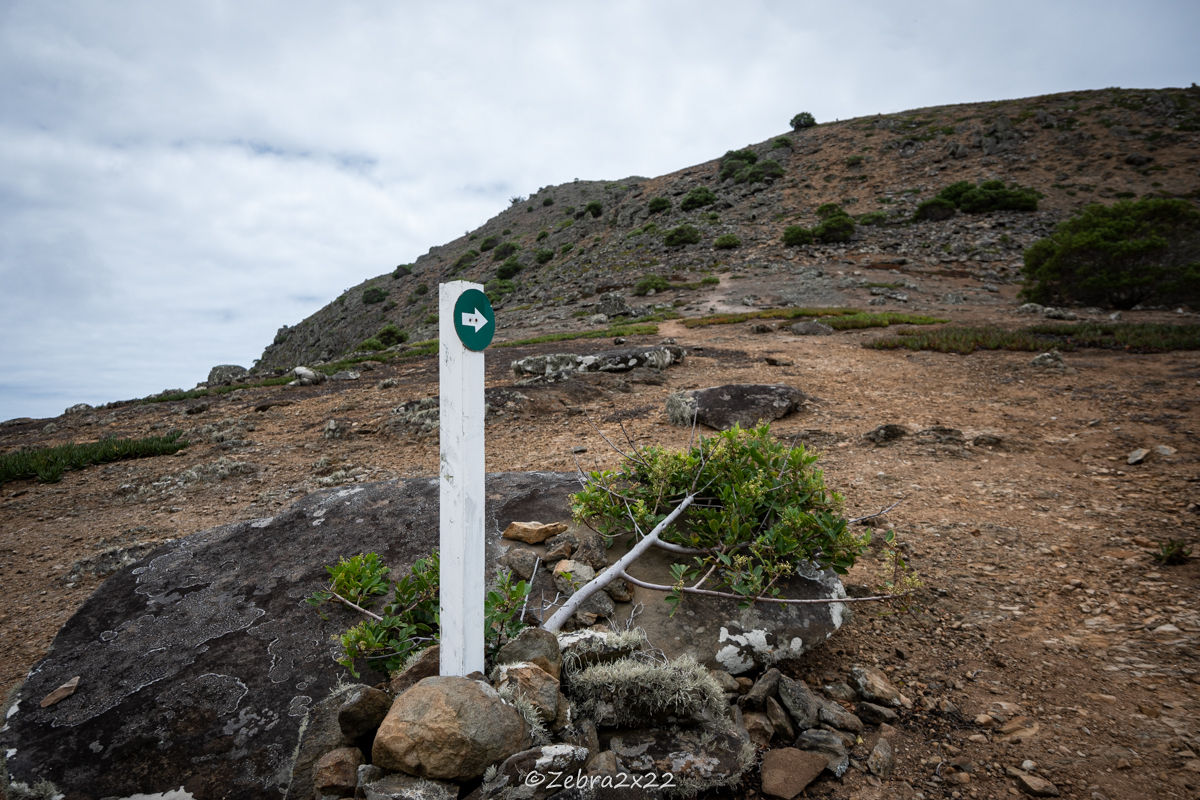
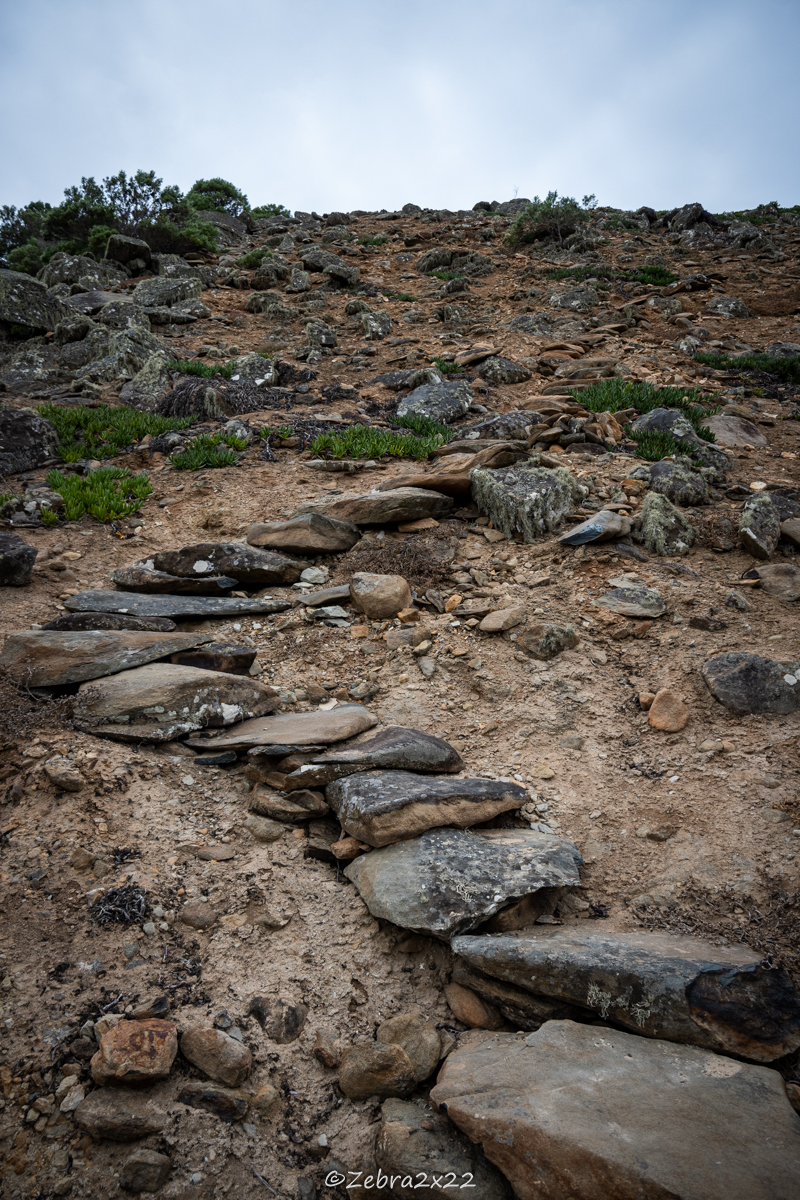
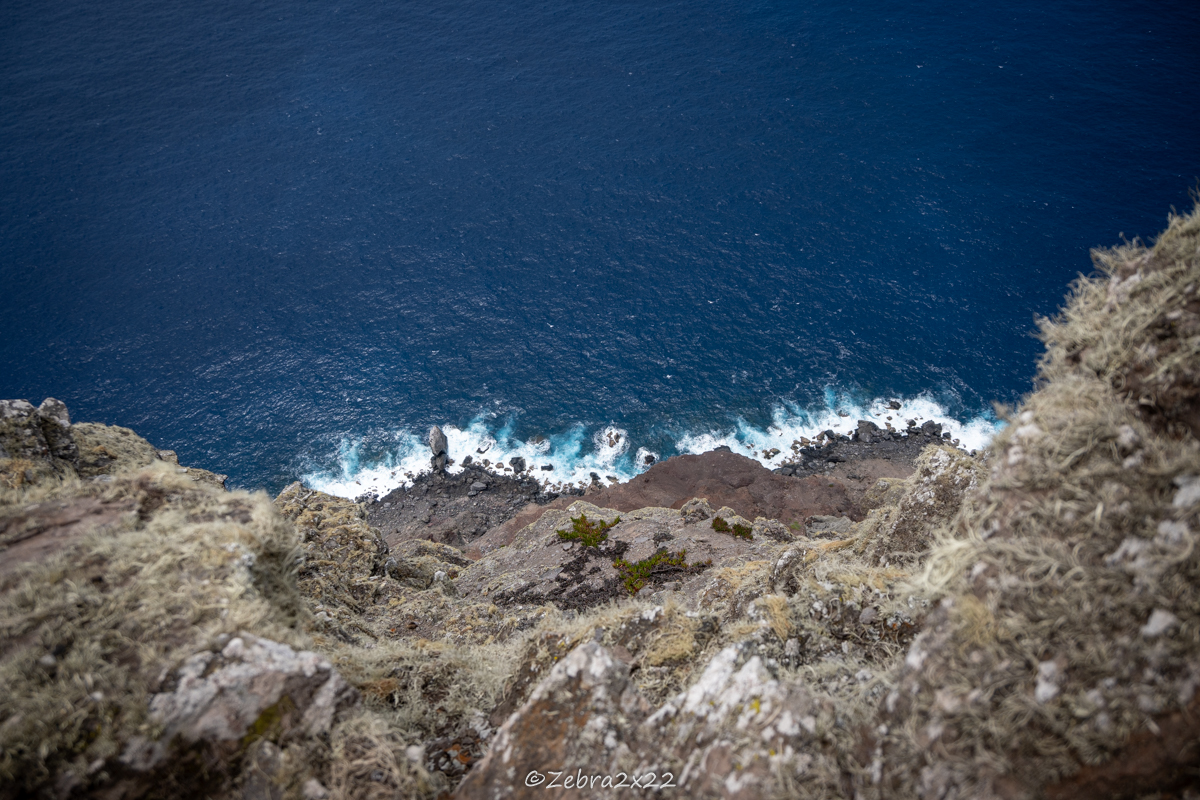
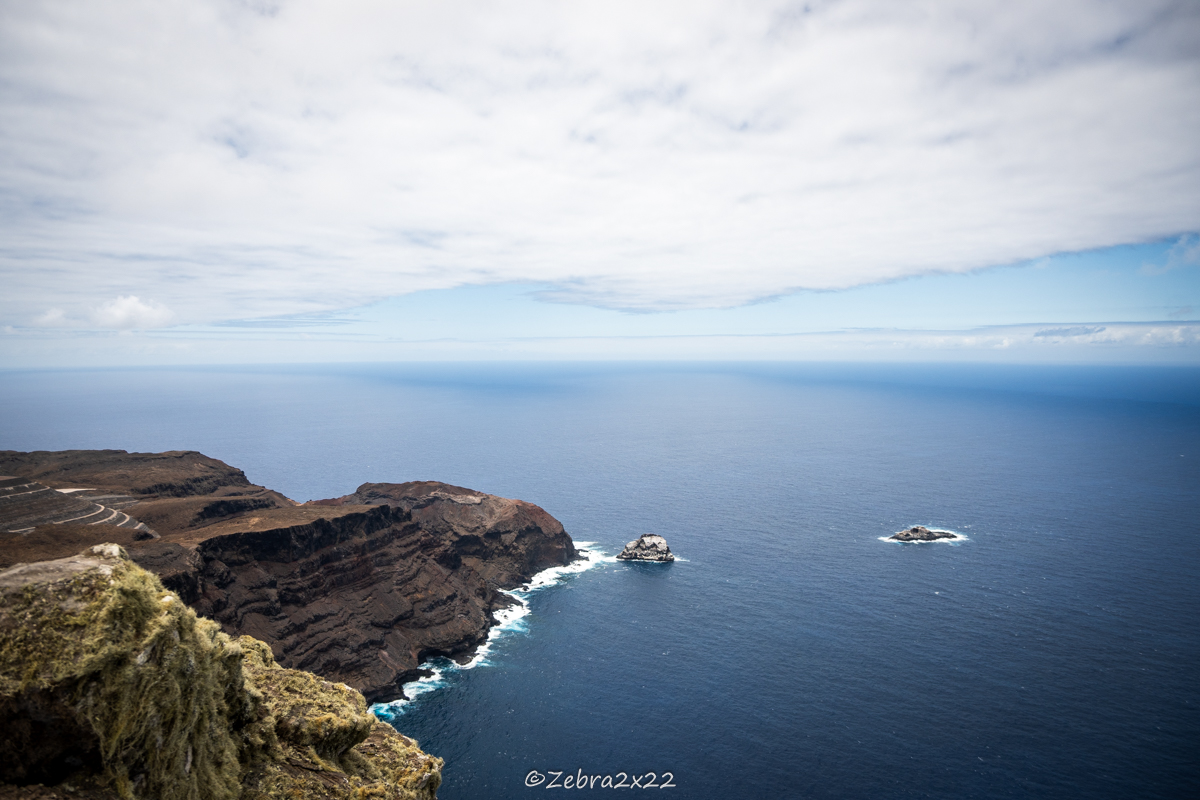
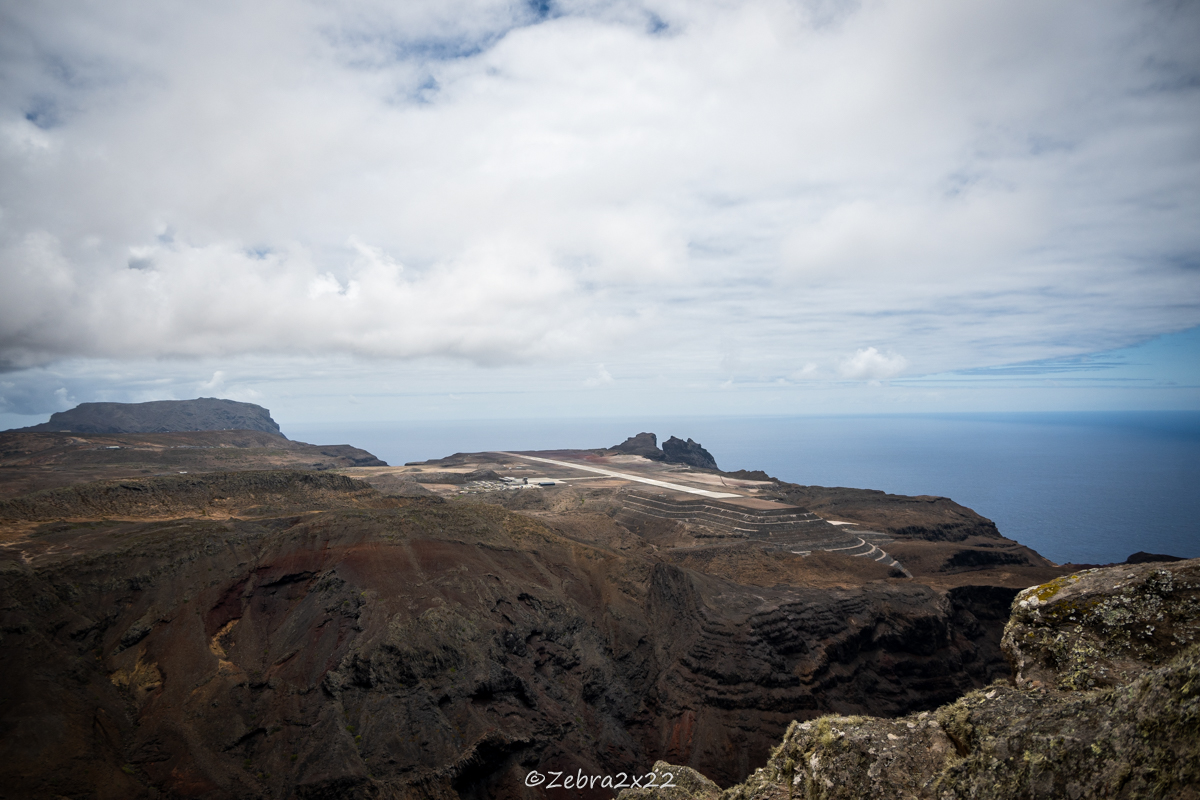
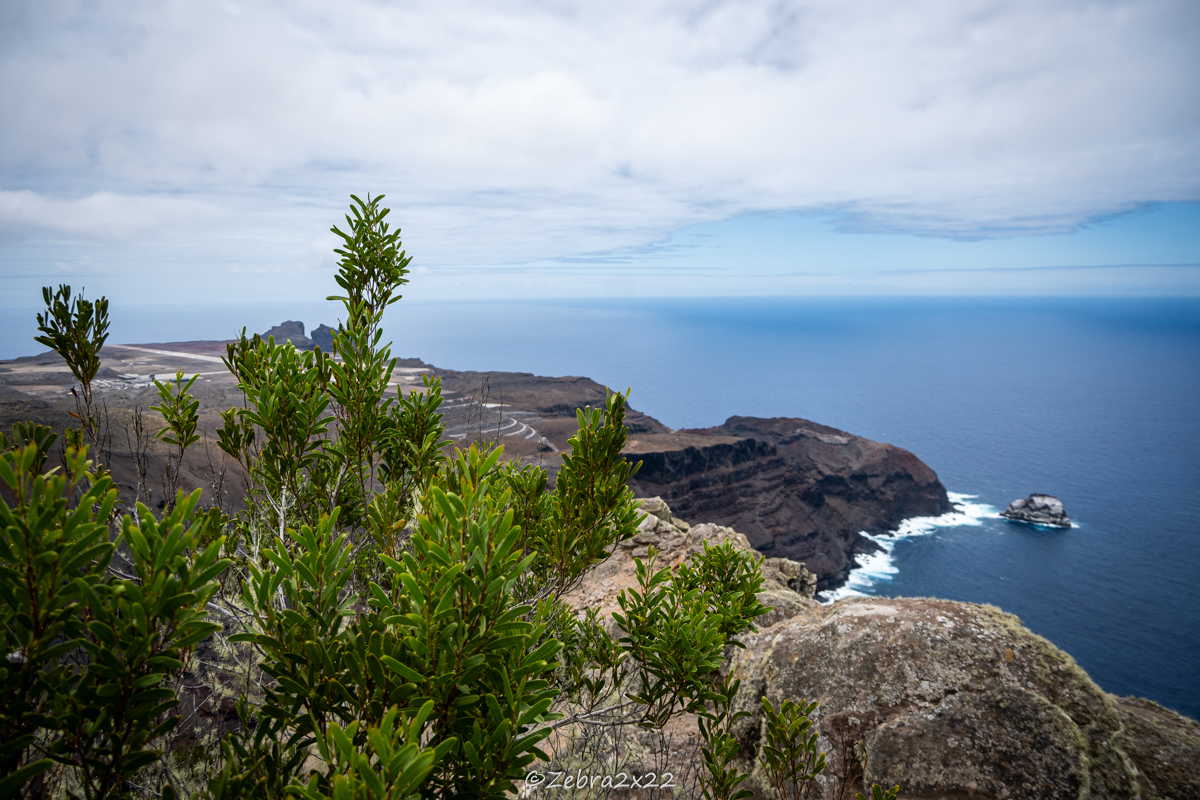








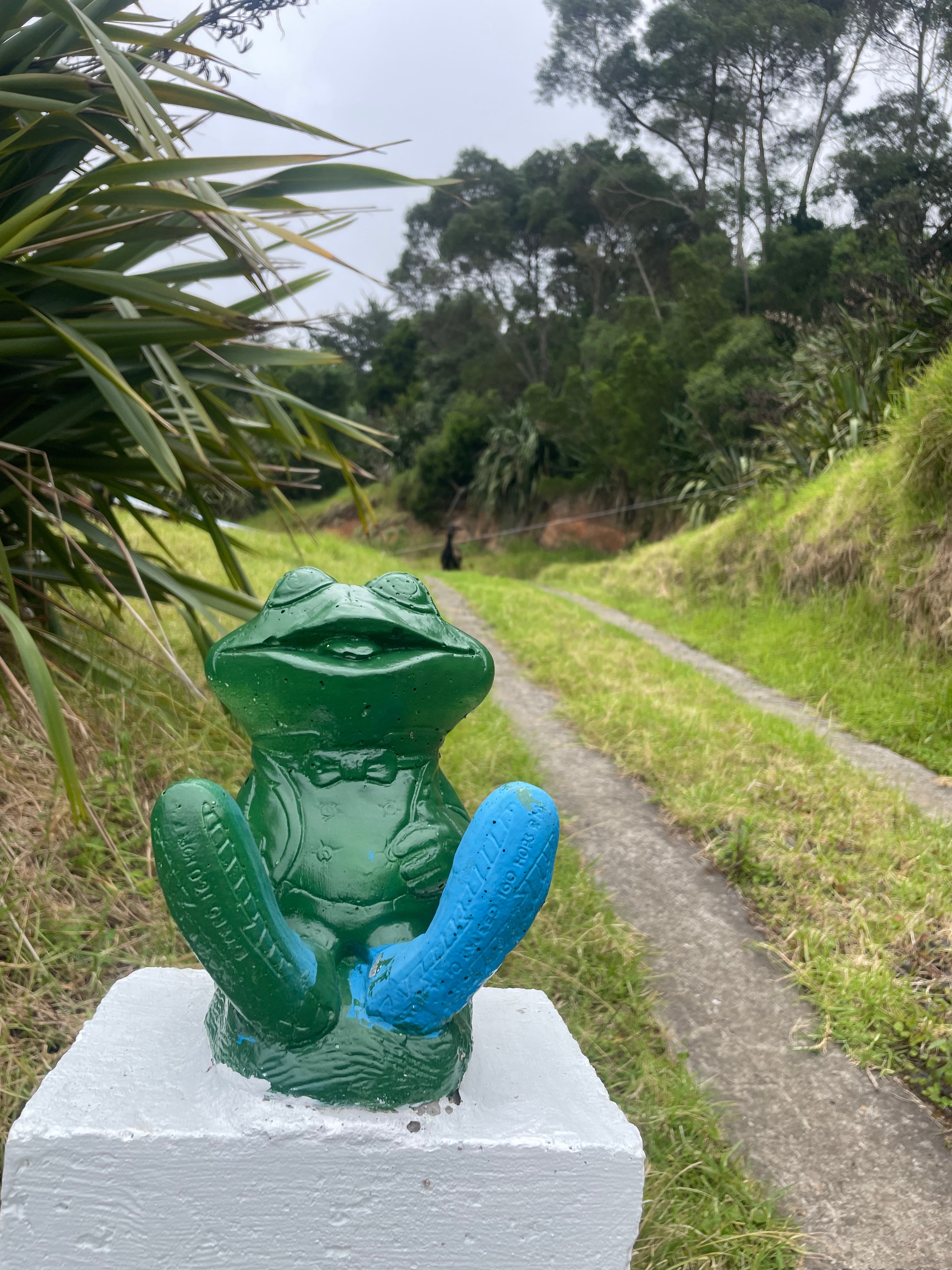
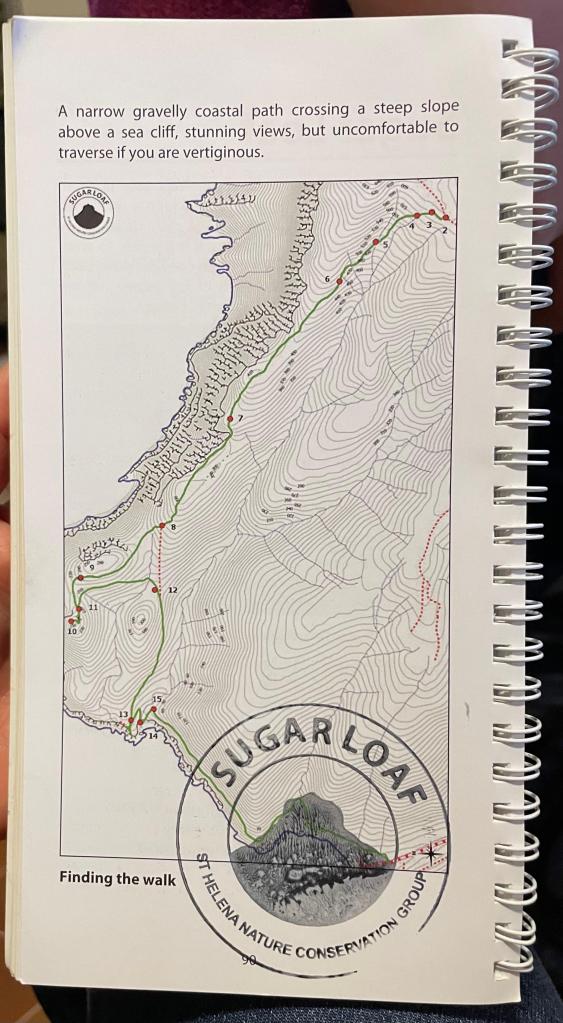
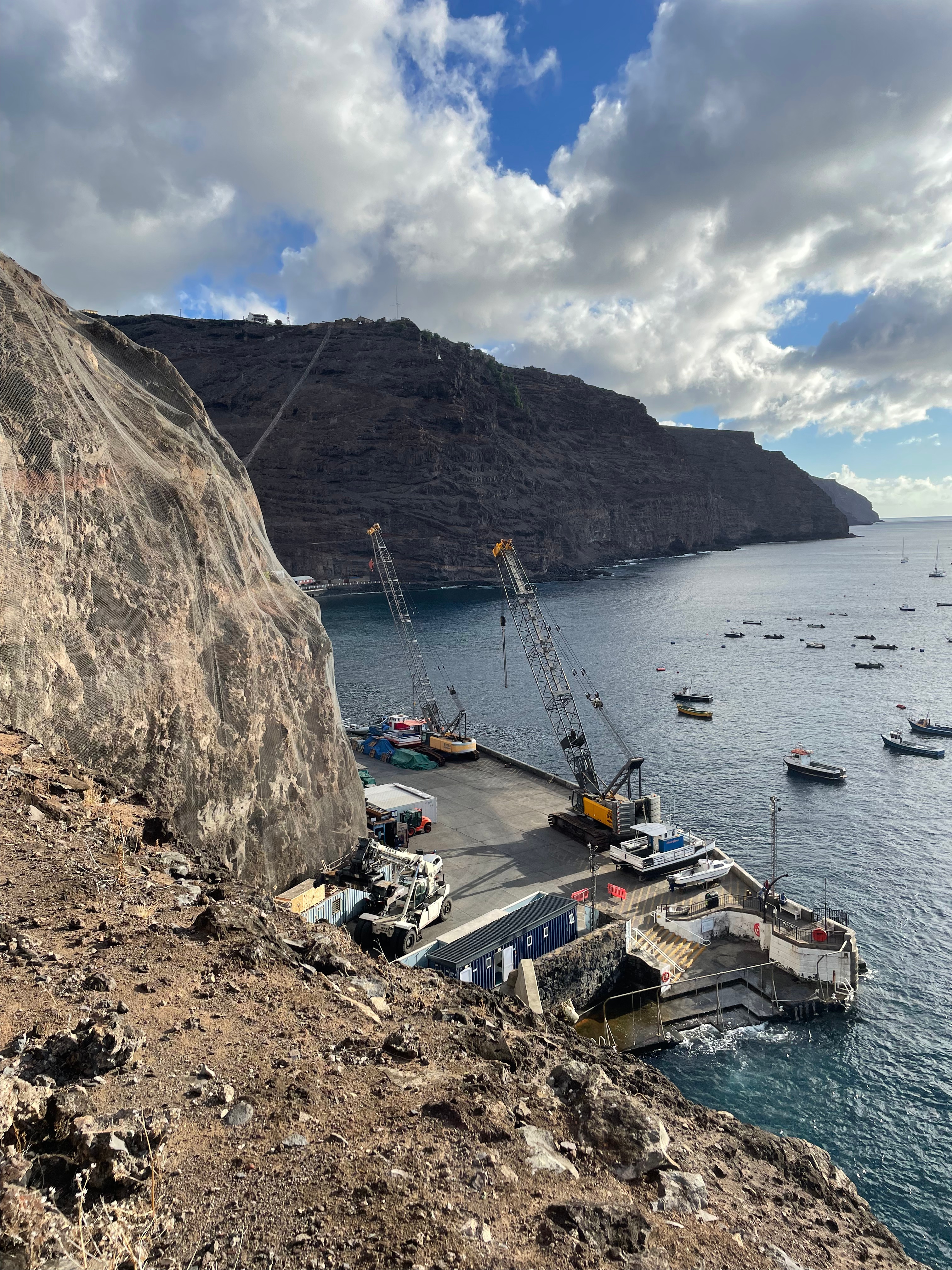
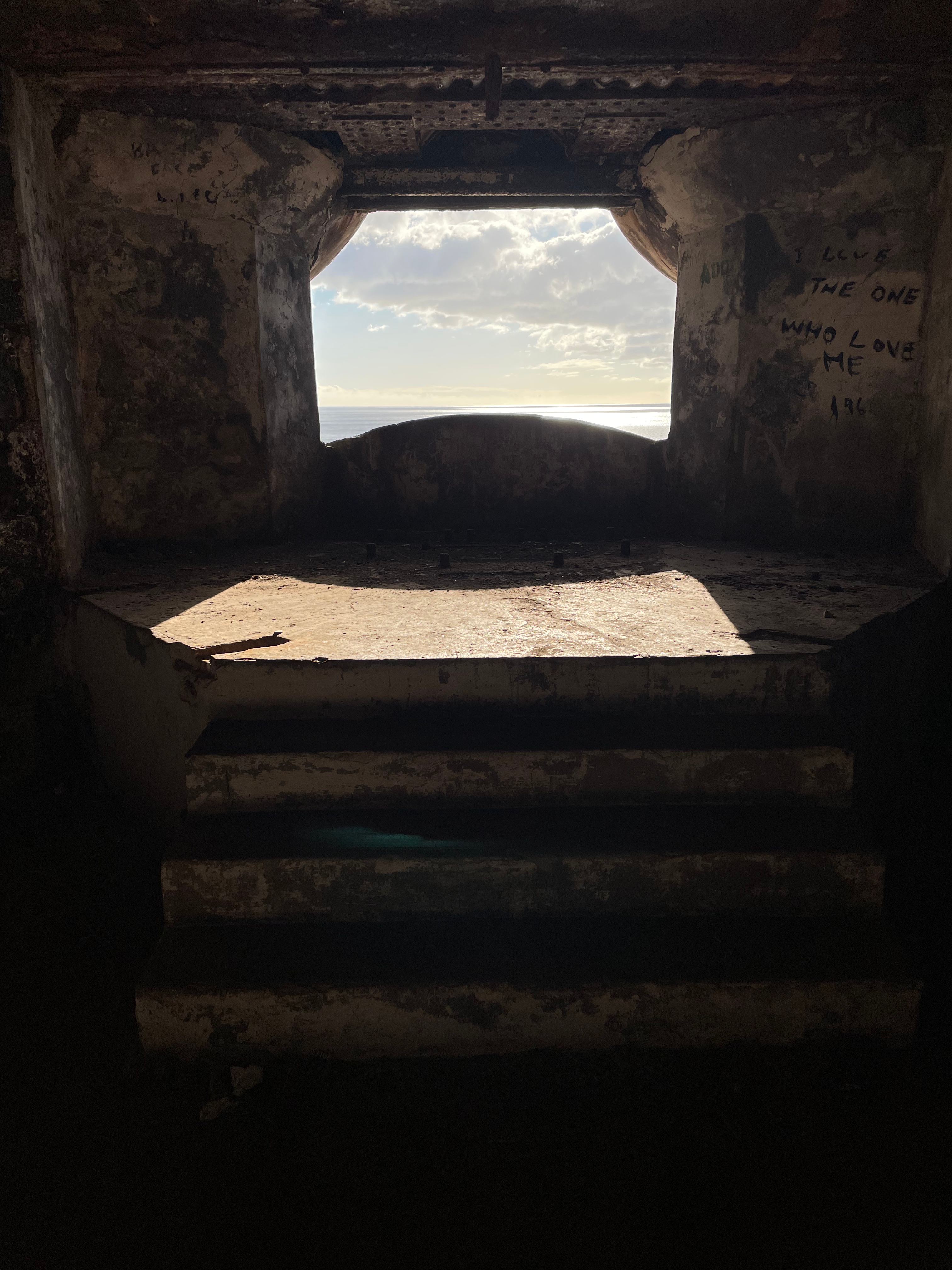
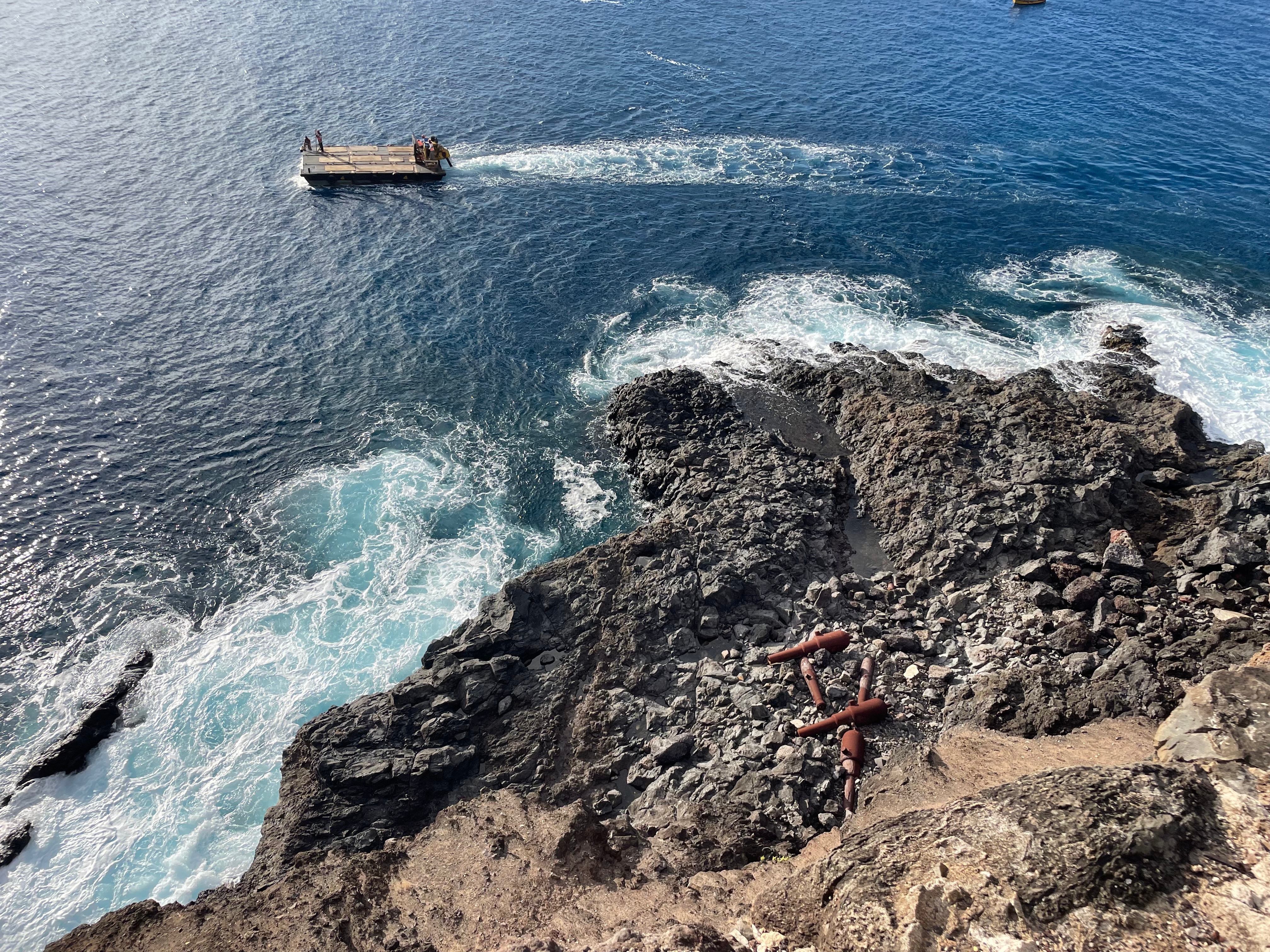
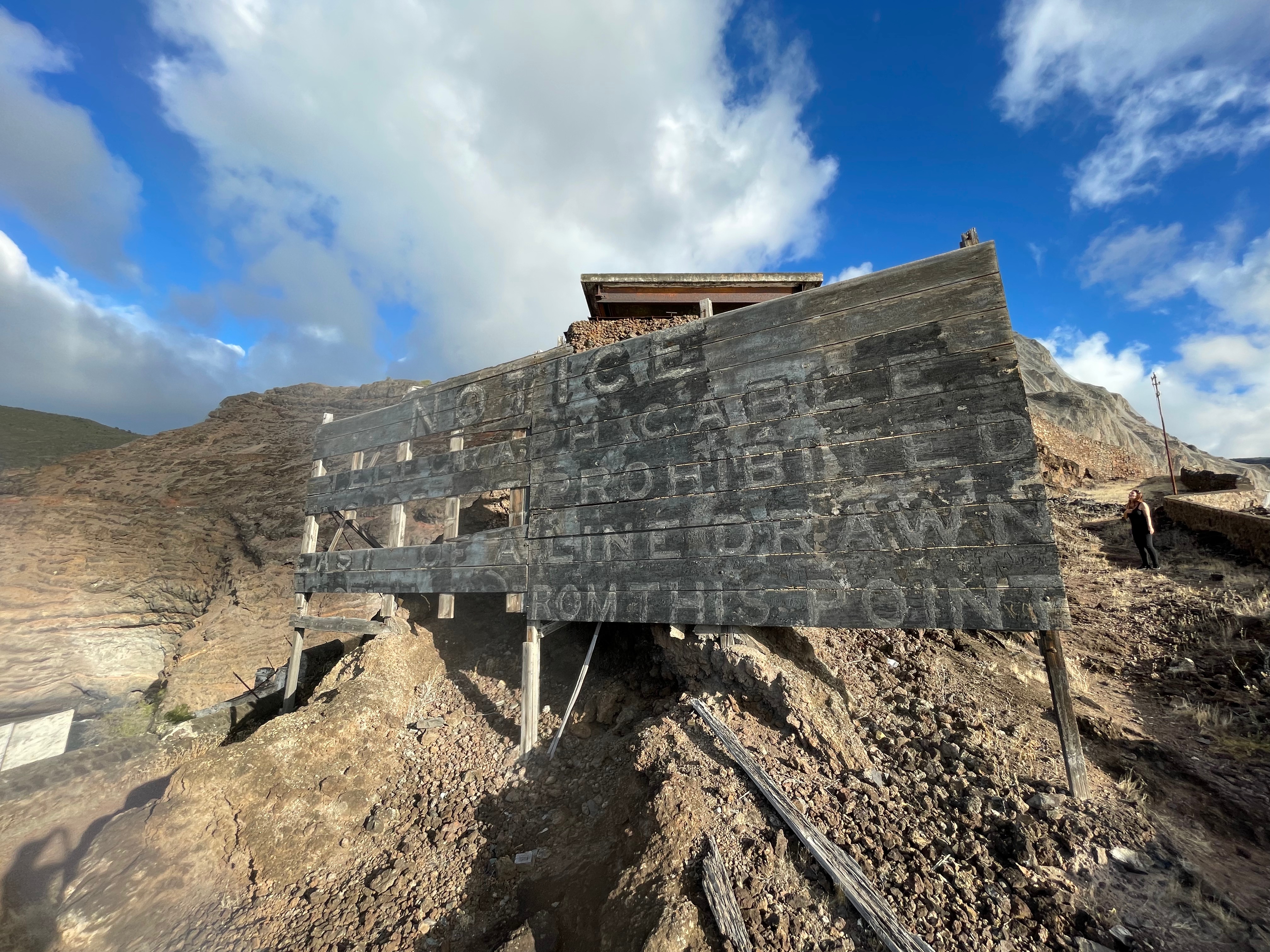
- Sugar Loaf & Banks Battery – A steep walk close to Jamestown, leading to historic batteries that can be explored along the way.

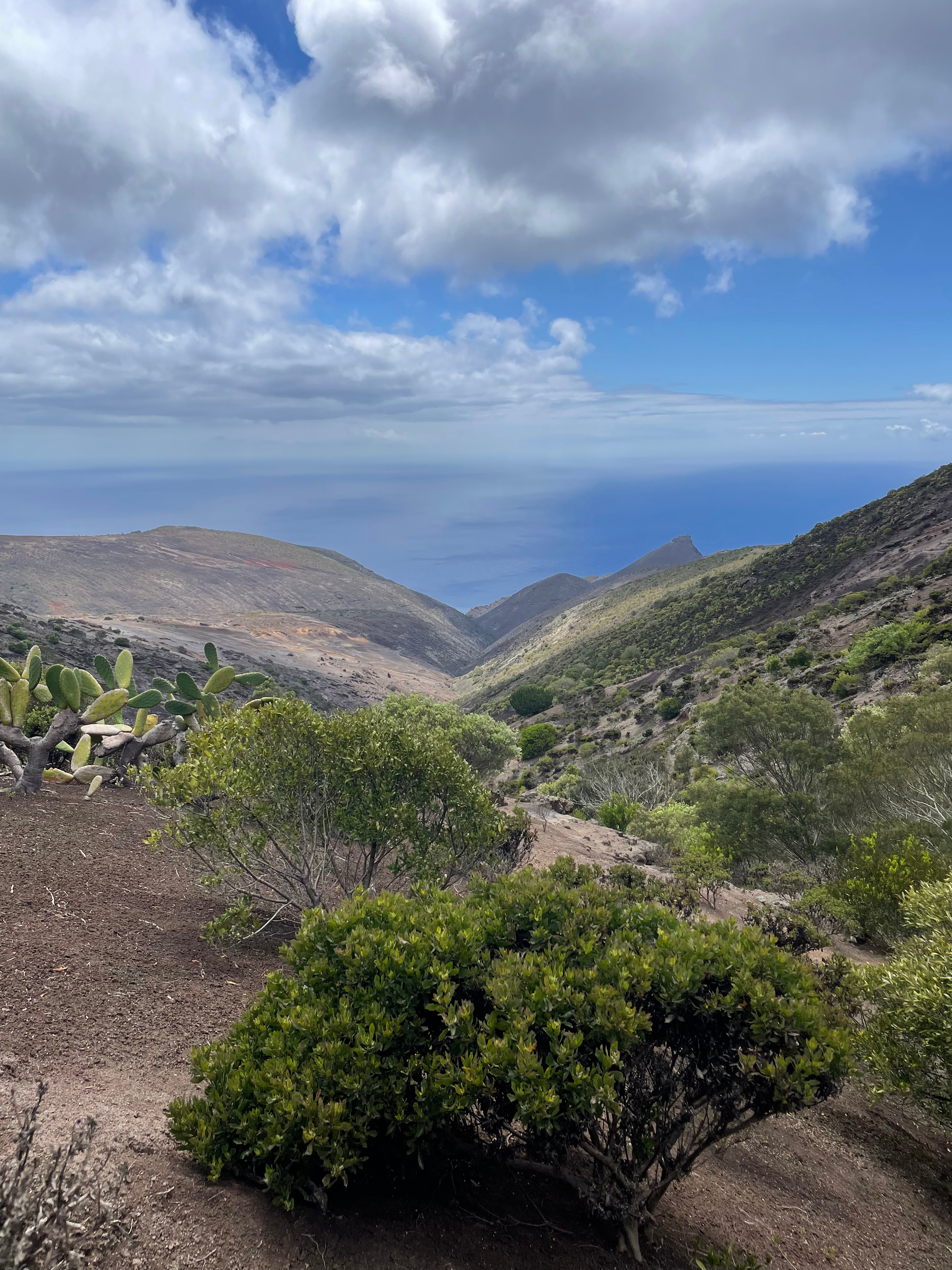

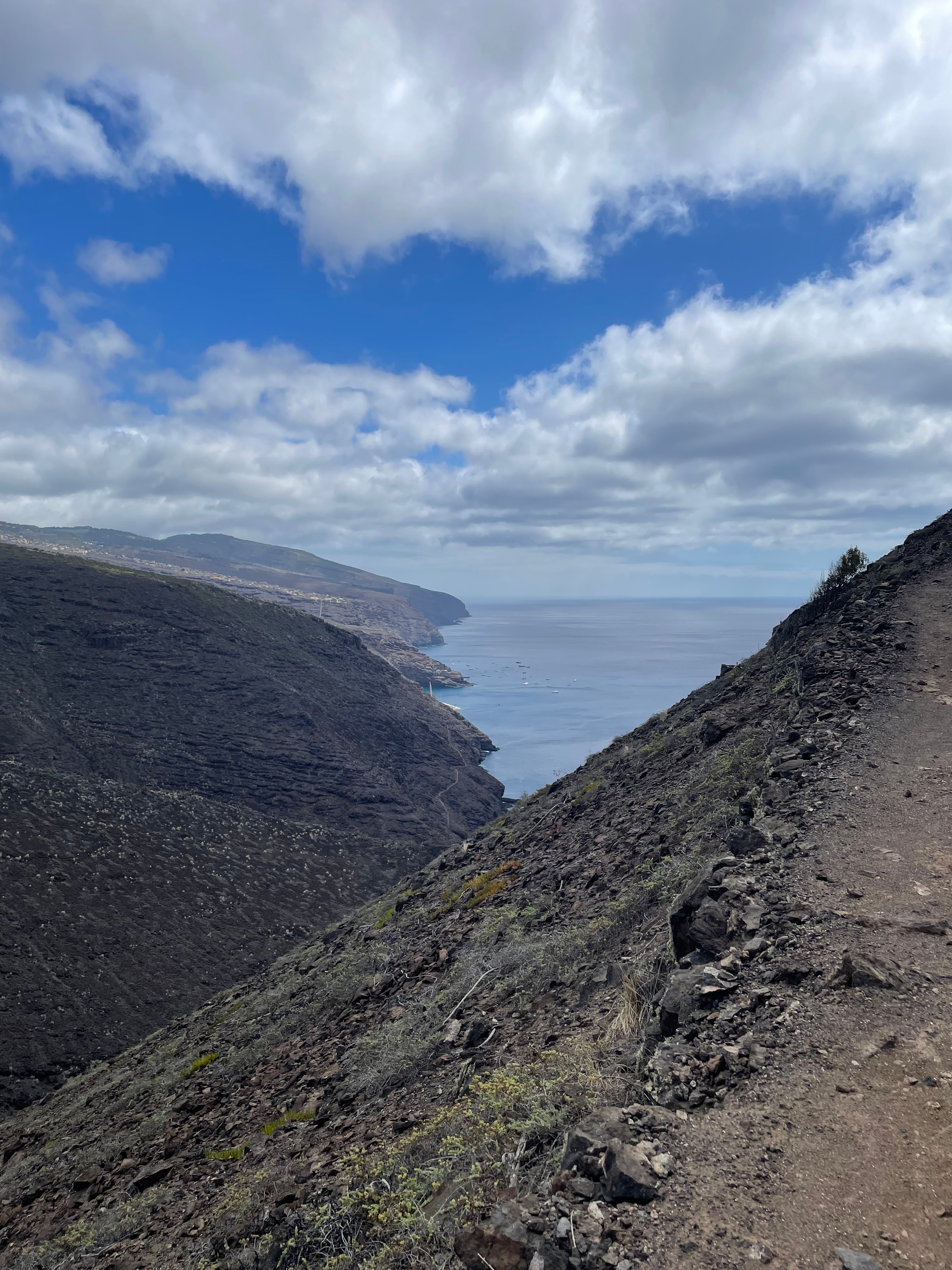

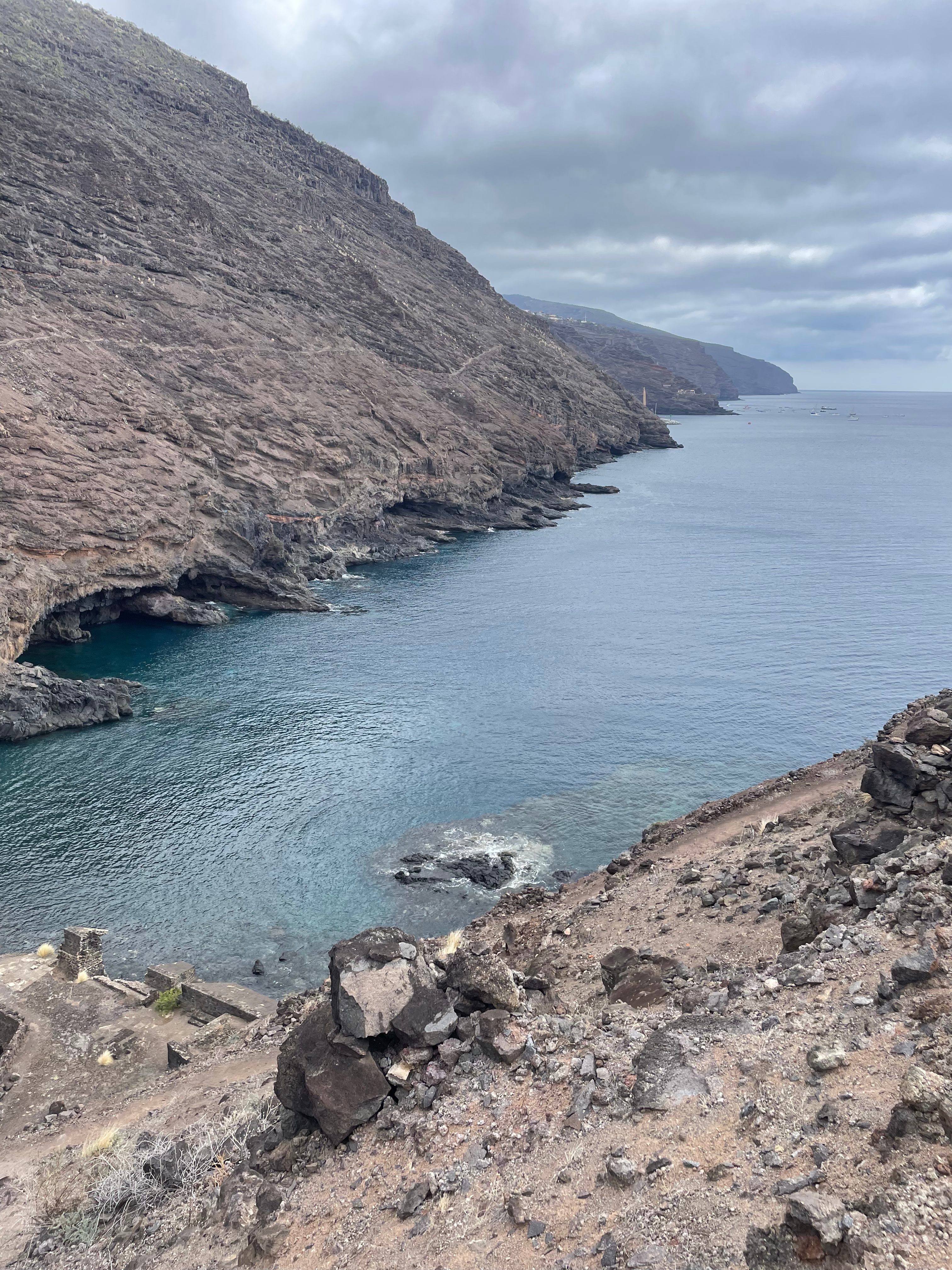
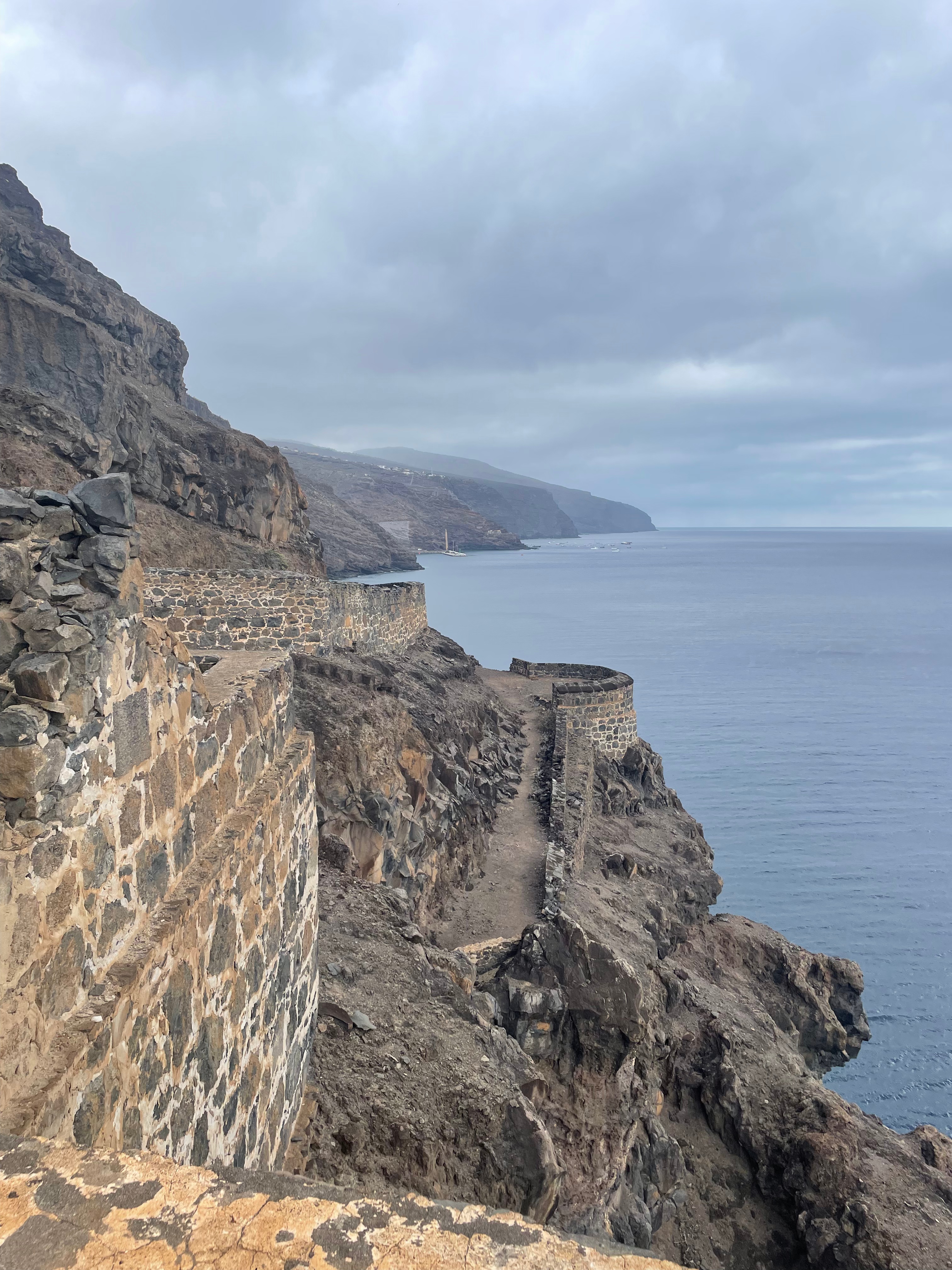
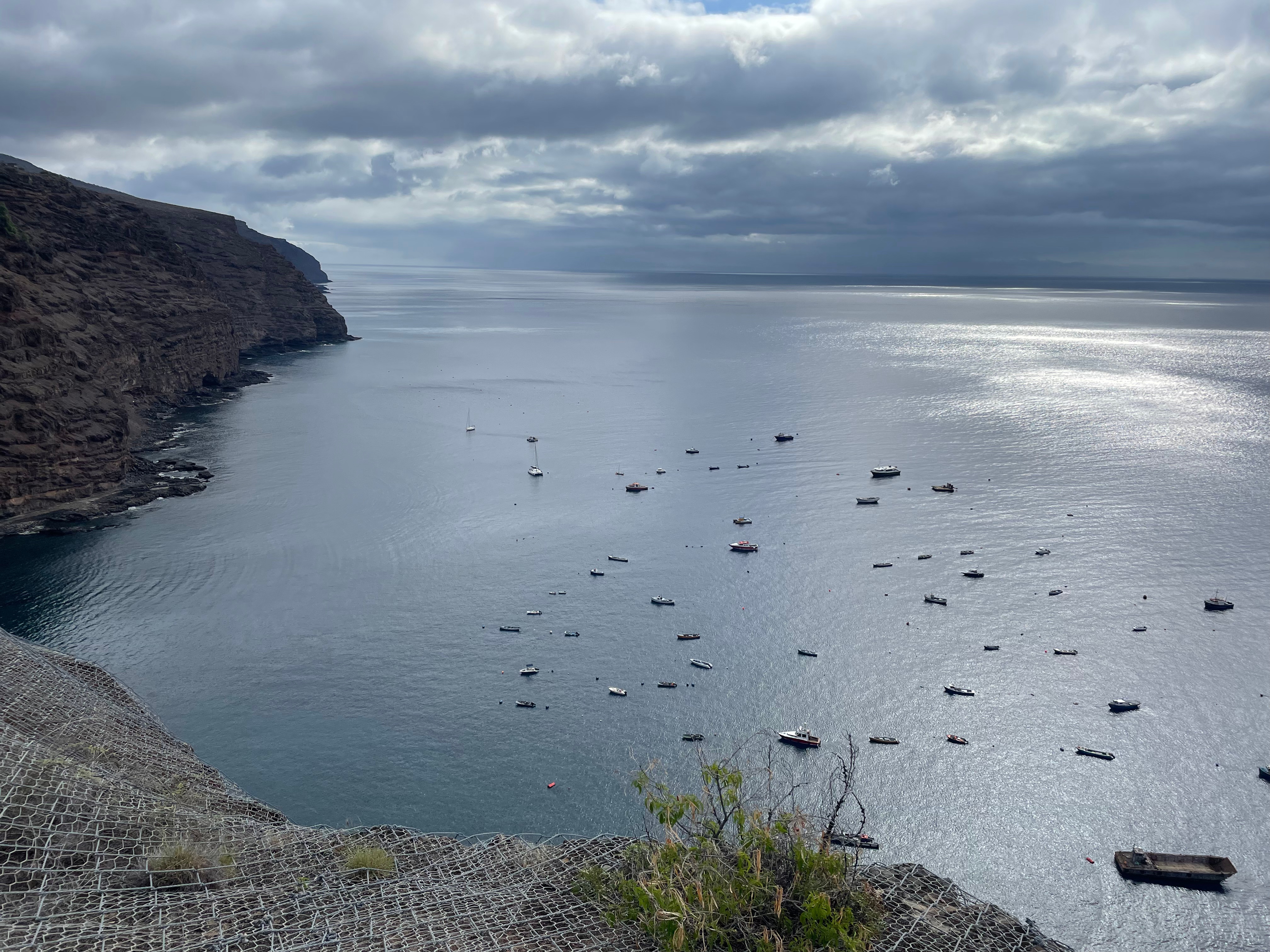

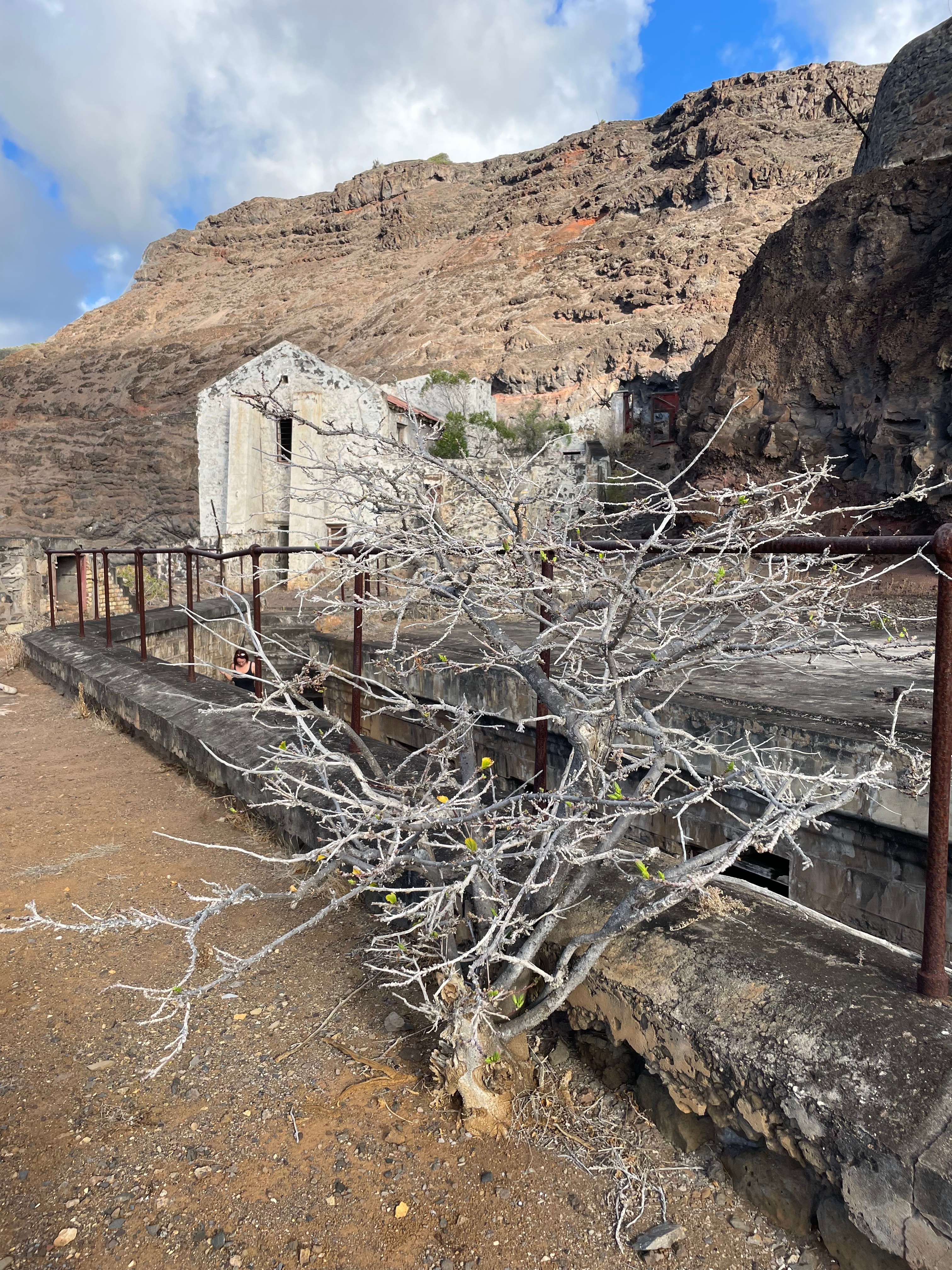

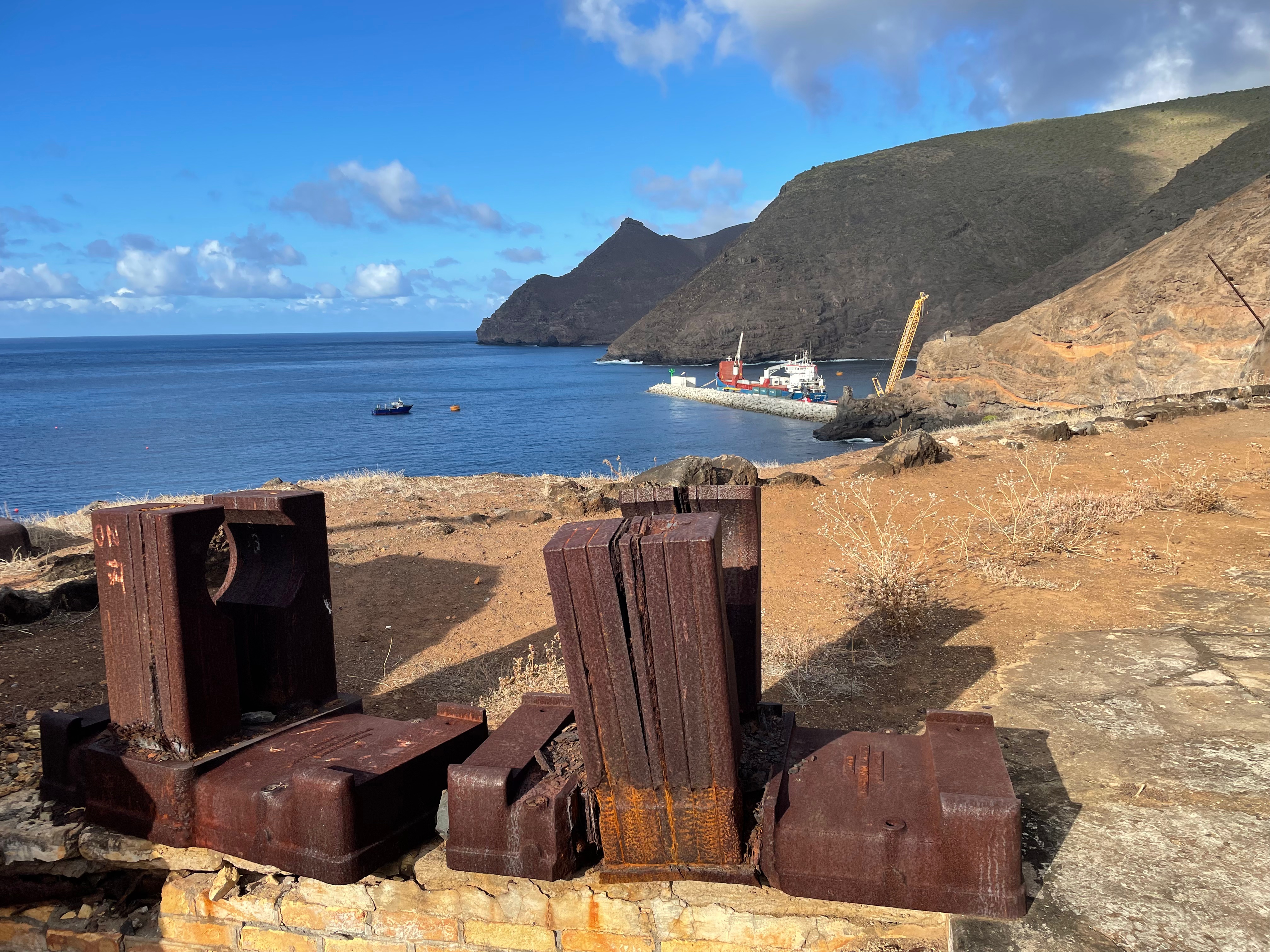


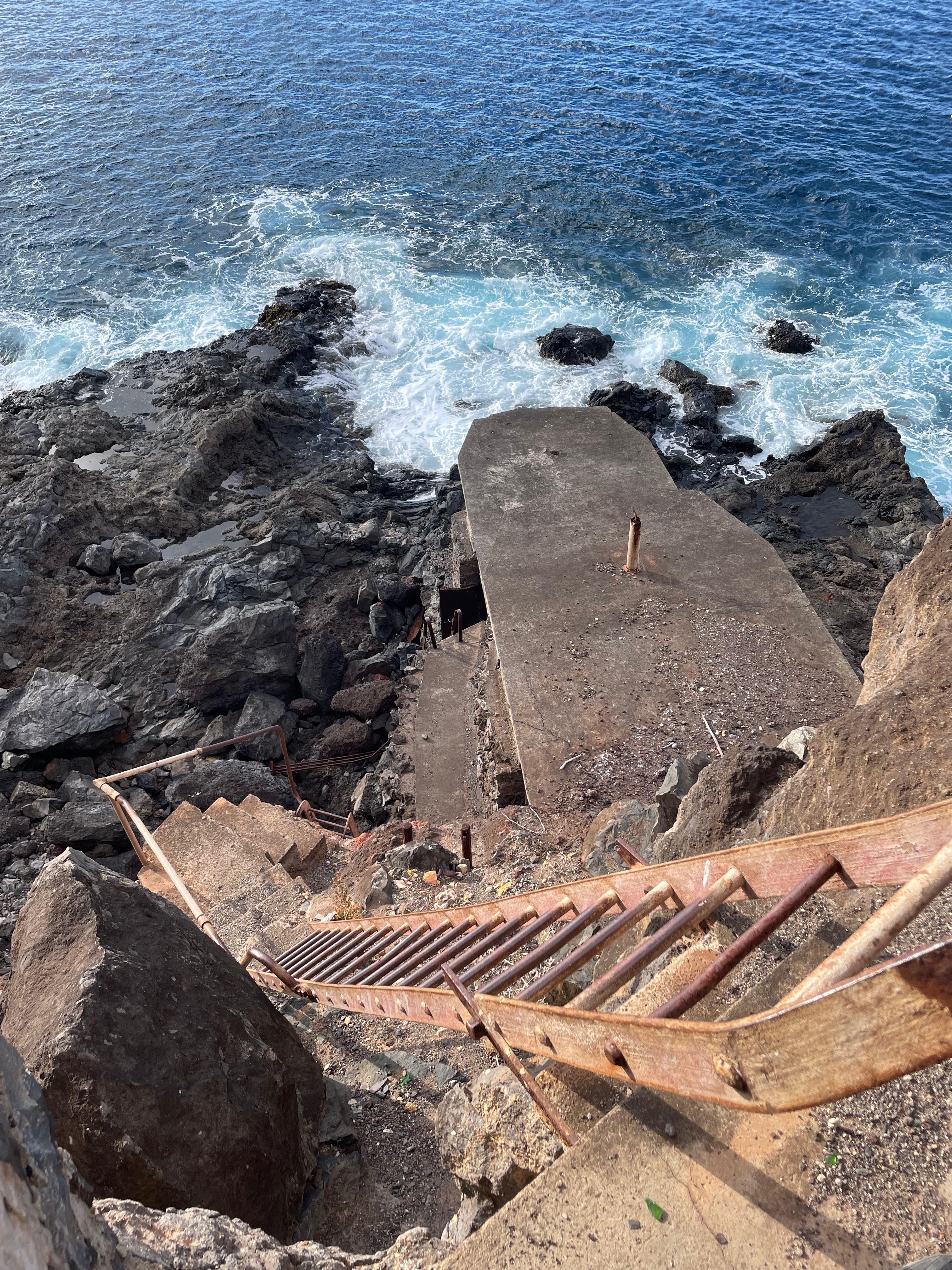
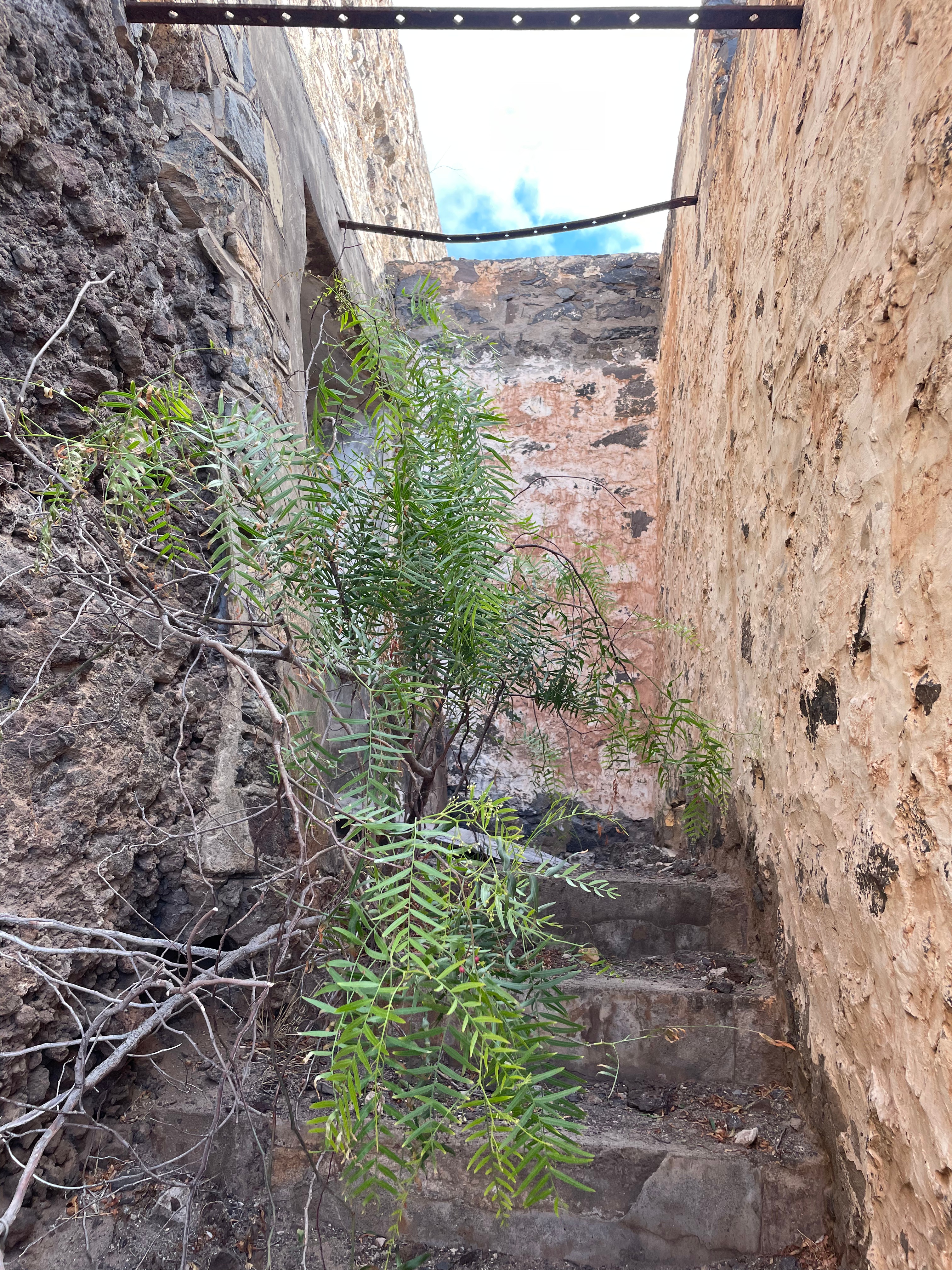

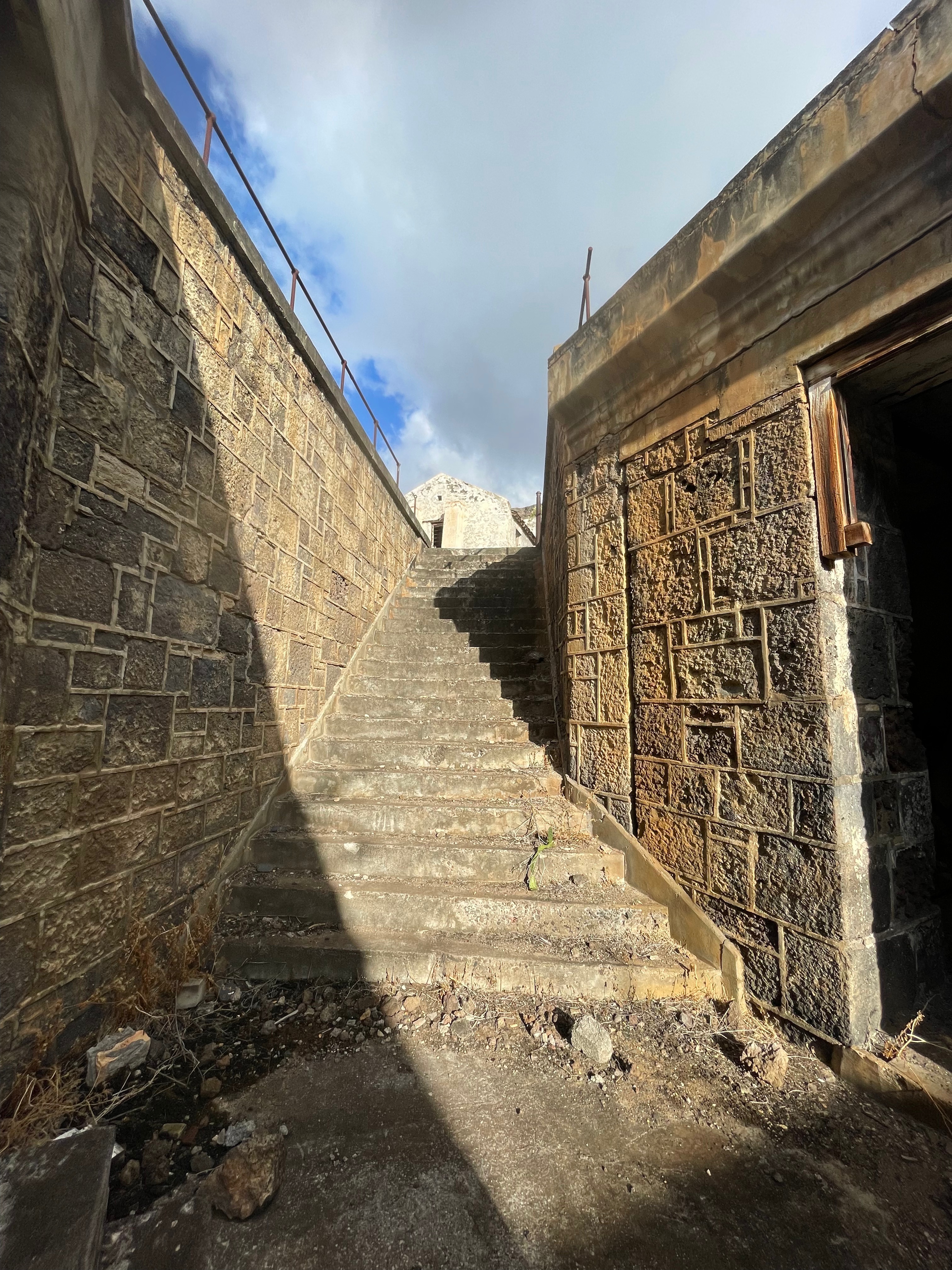



- High Peak – Not the highest peak, but a short 15-minute climb rewards you with stunning panoramic views. Due to concerns about spreading pathogens, hikers must disinfect their boots at both the start and end of the trail.

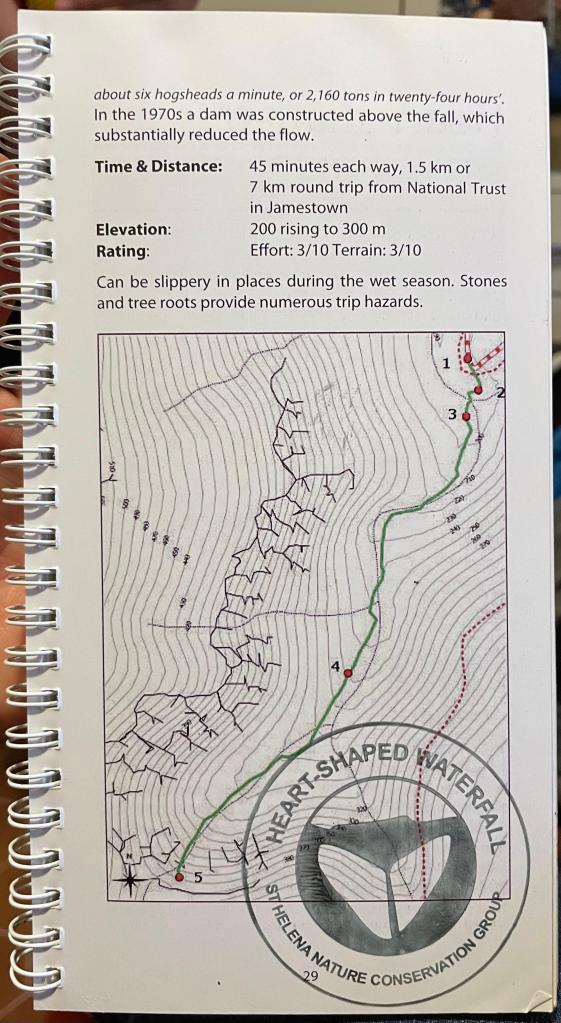
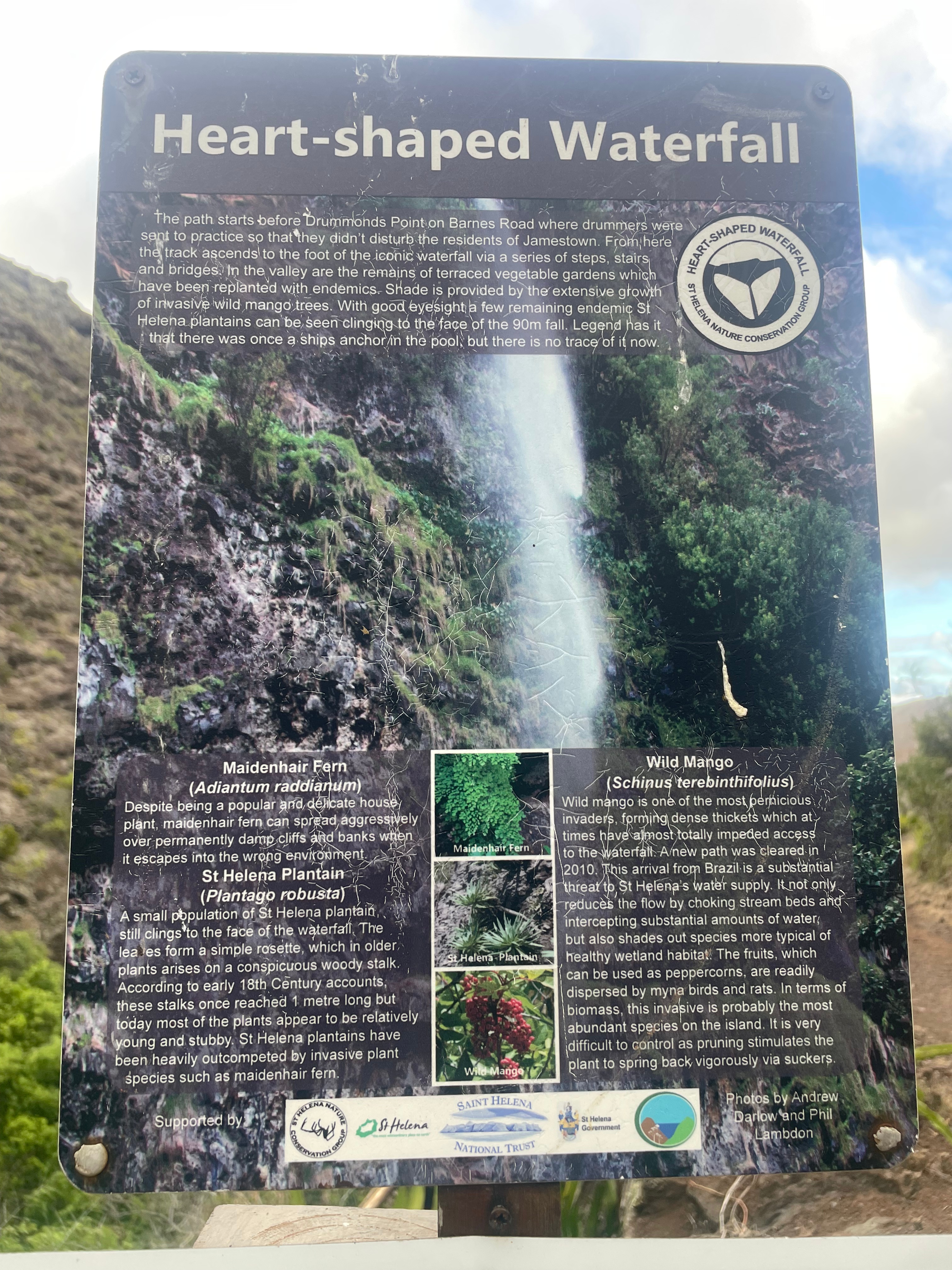
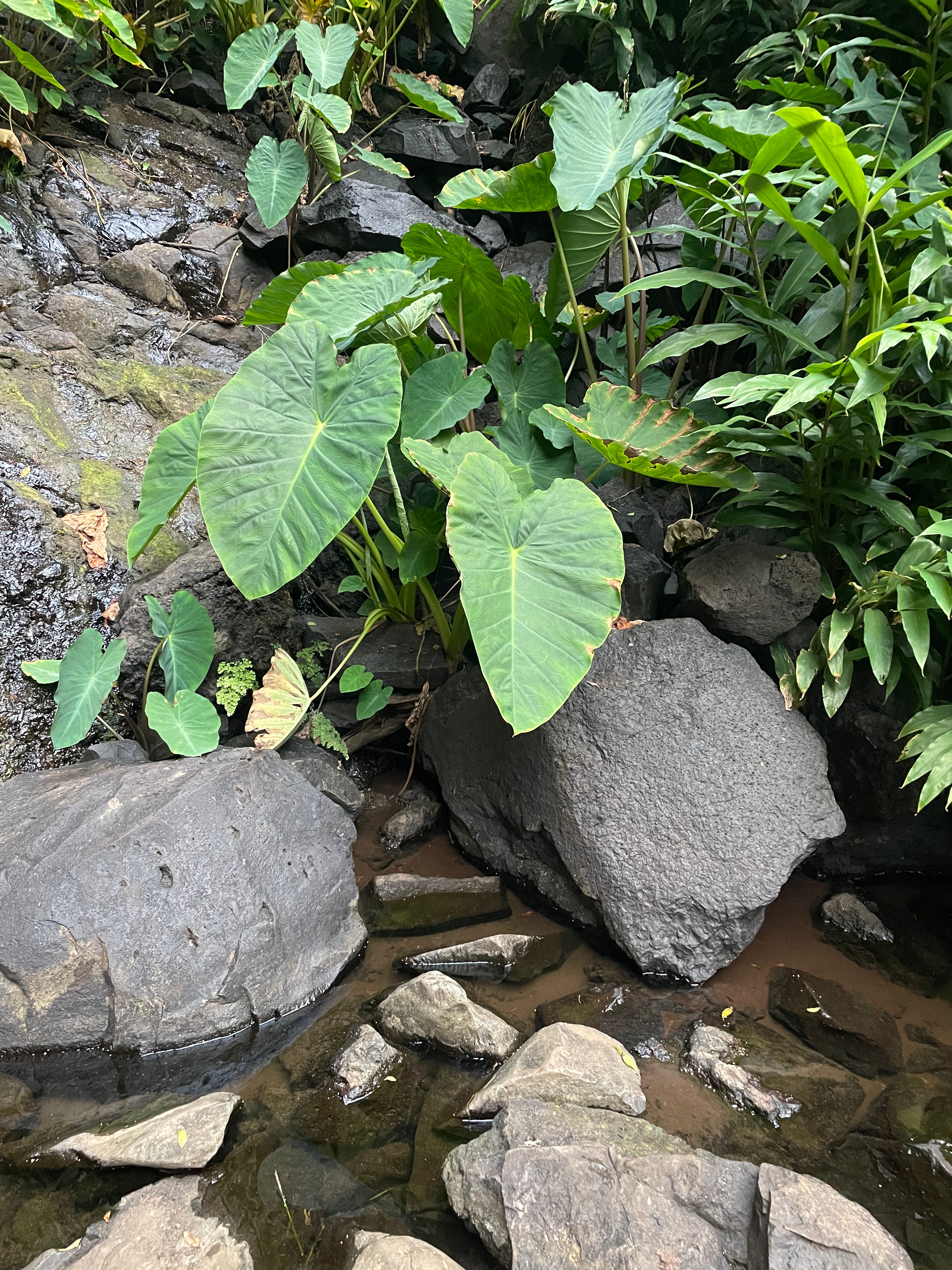
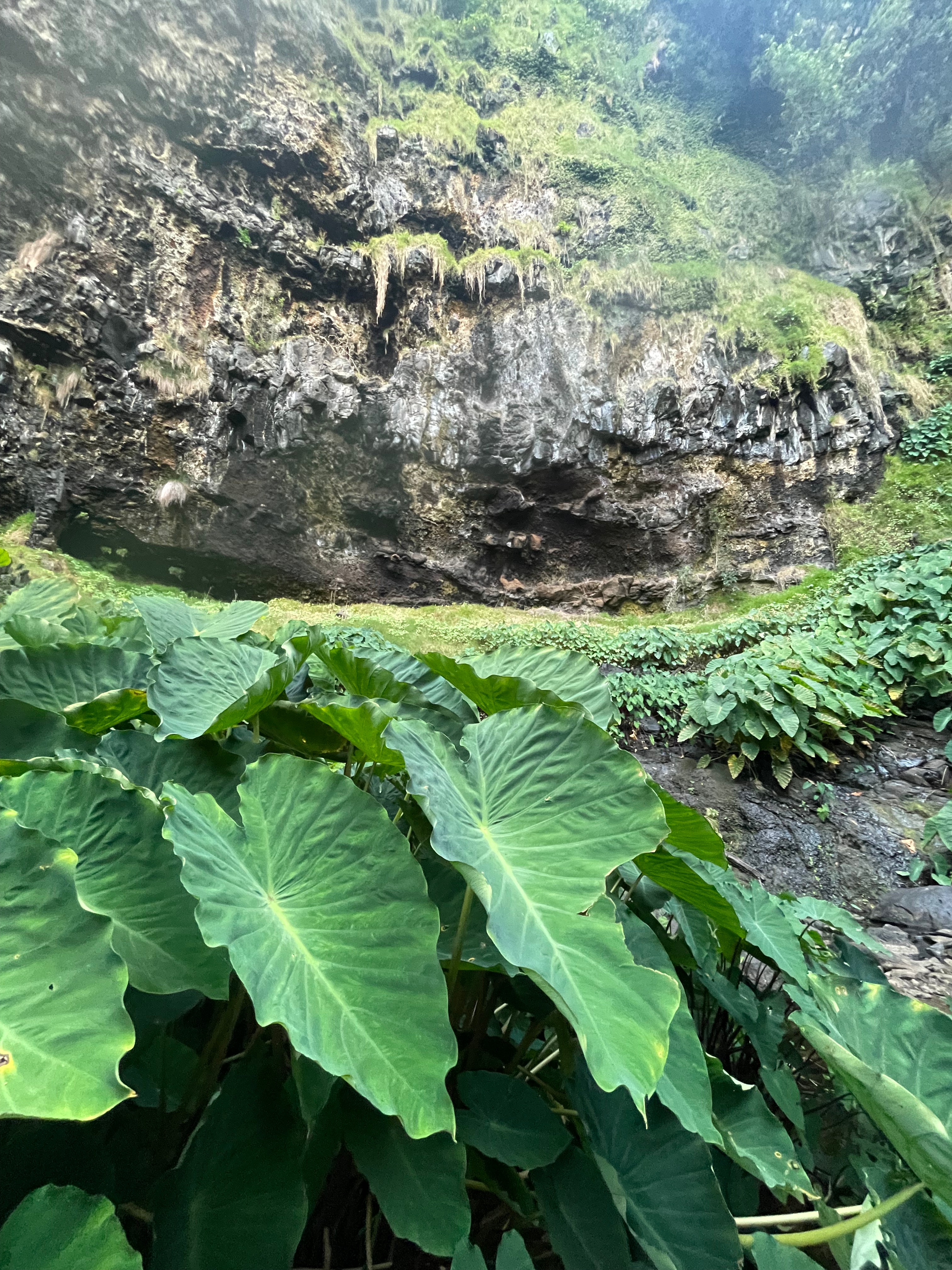
- Heart-Shaped Waterfall – One of the easiest and closest walks to Jamestown. Named for the geological formation around the waterfall. During the summer months, it runs dry, but the area remains magical, with lush vegetation, shade, and an enchanting path beneath intricate tree trunks and branches.

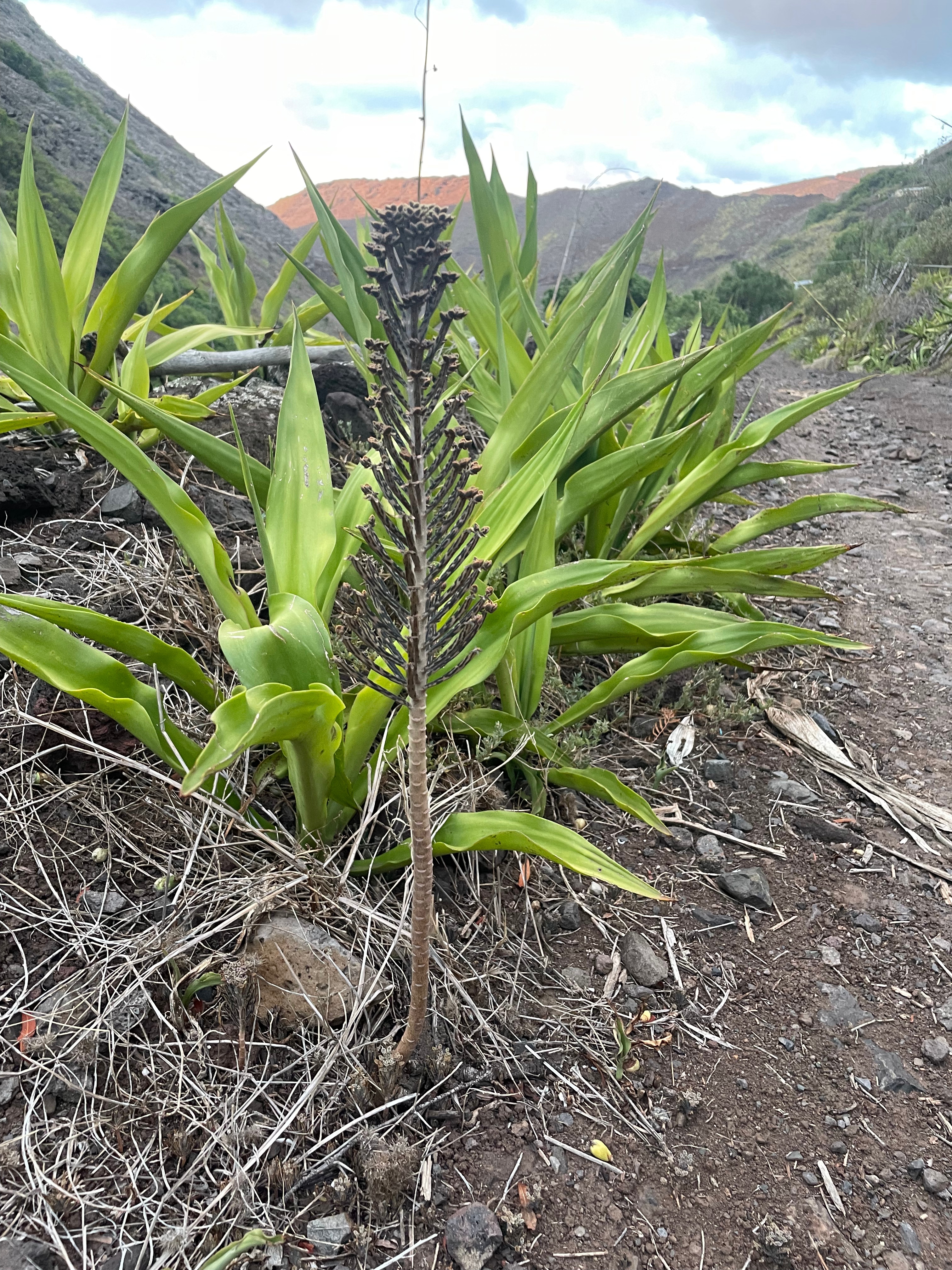

- Peak Dale – A truly enchanting walk through an area known as Fairyland—and for good reason. Massive trees provide shade, while being observed by fairy terns and common mynas. The curious fairy terns gracefully fly overhead, while the mynas loudly announce your arrival with alarm calls. This was the first walk where I discovered the Post Box stamp from which started my desire to collect even more!


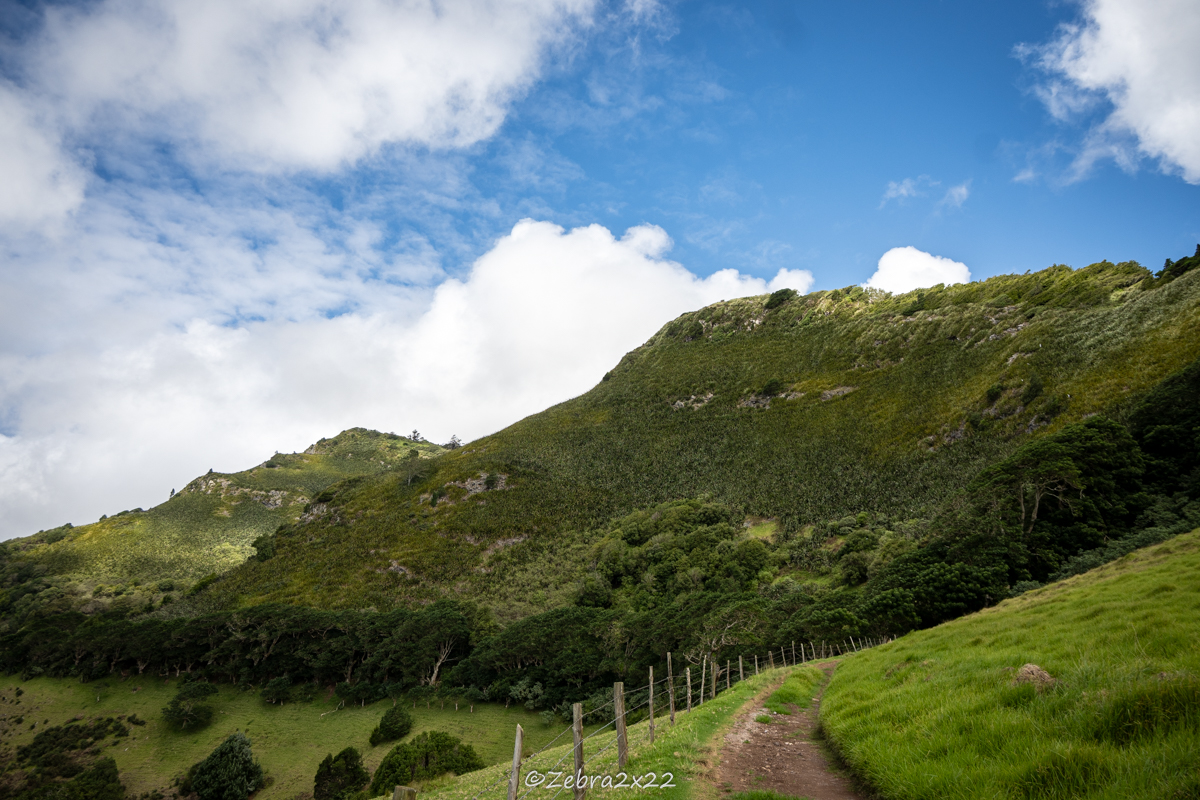


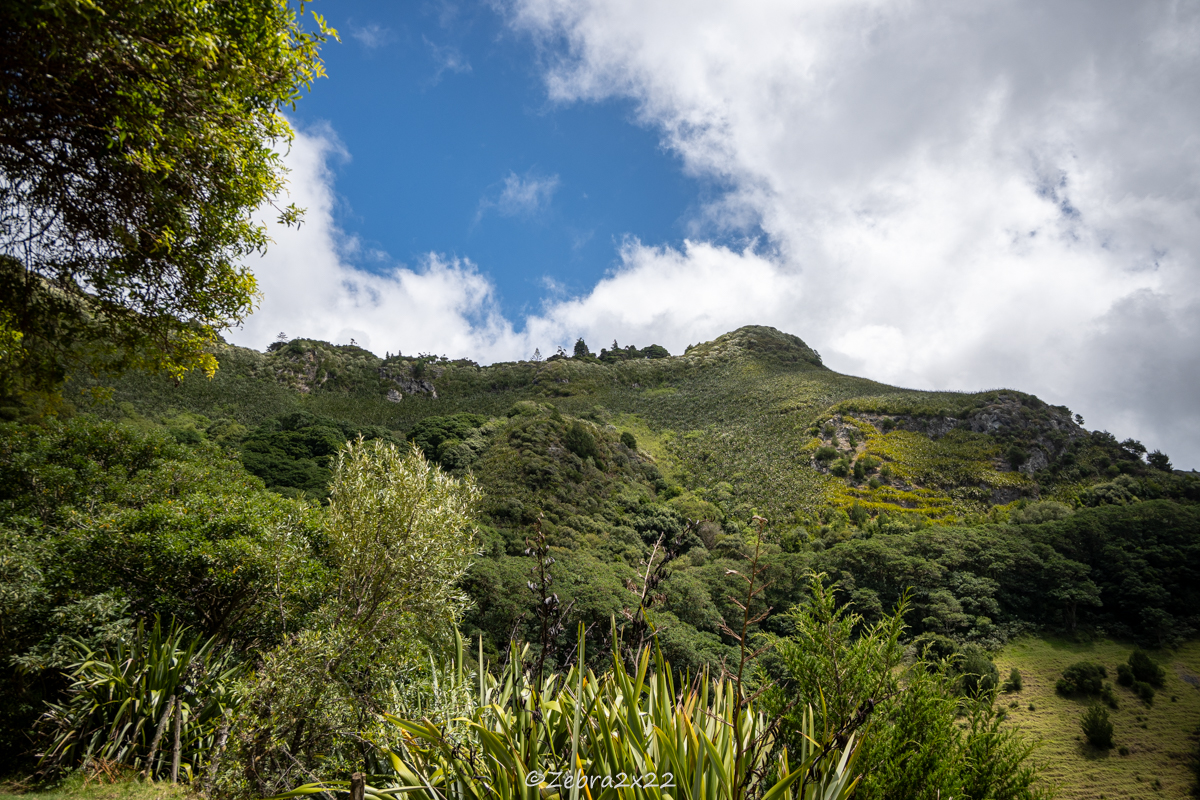
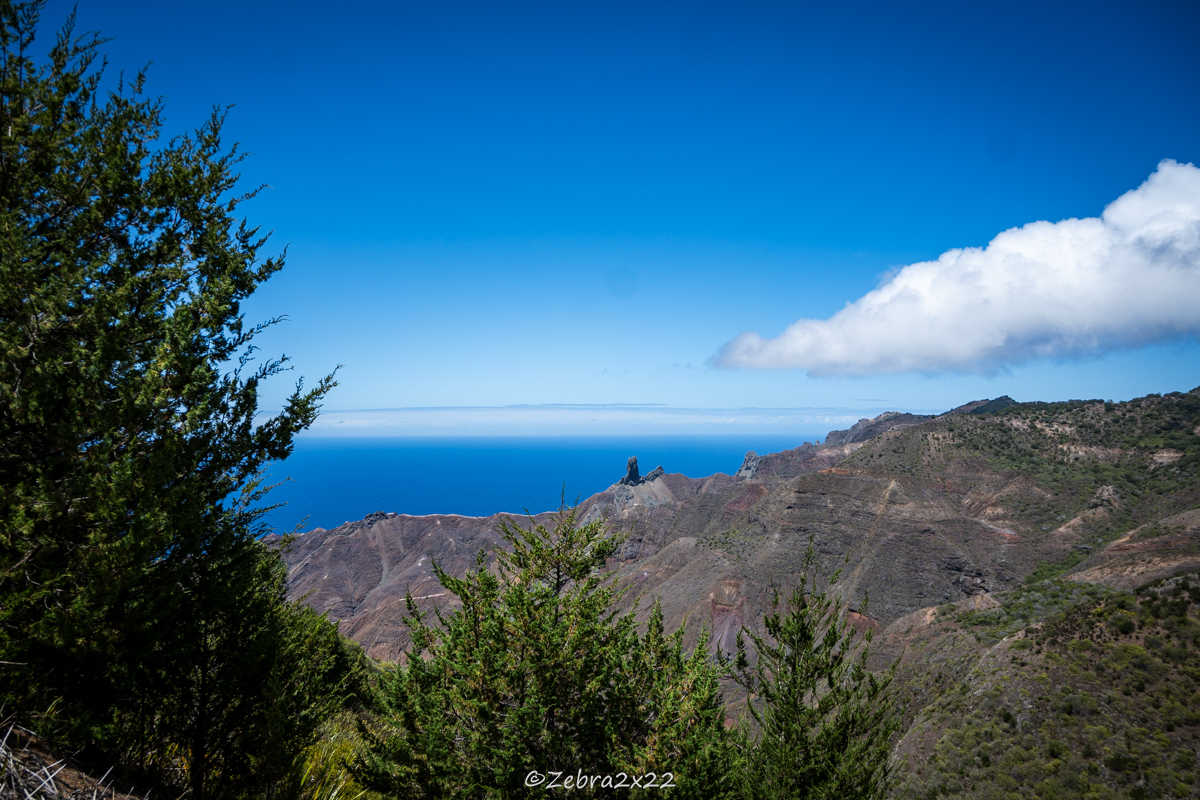

- Flagstaff – I completed this walk immediately after The Barn Walk, as it was located at the crossroads on the way back. It offered the possiblity to witness the weekly flight landing from a distance. The trail takes you through a field of broken wind turbines, leading to a cliffs that you observe from a shady pine forest—a perfect spot for a picnic.
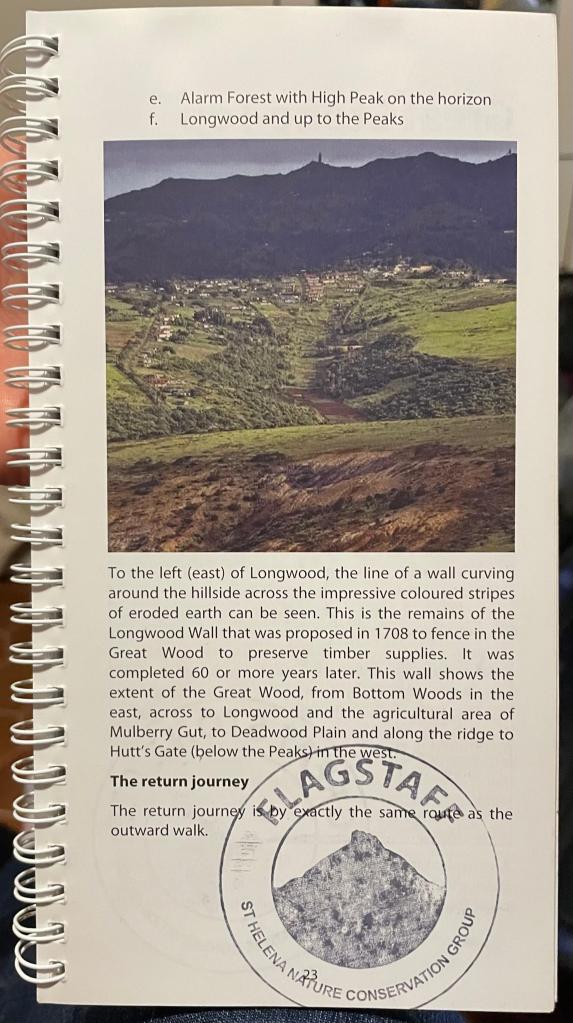
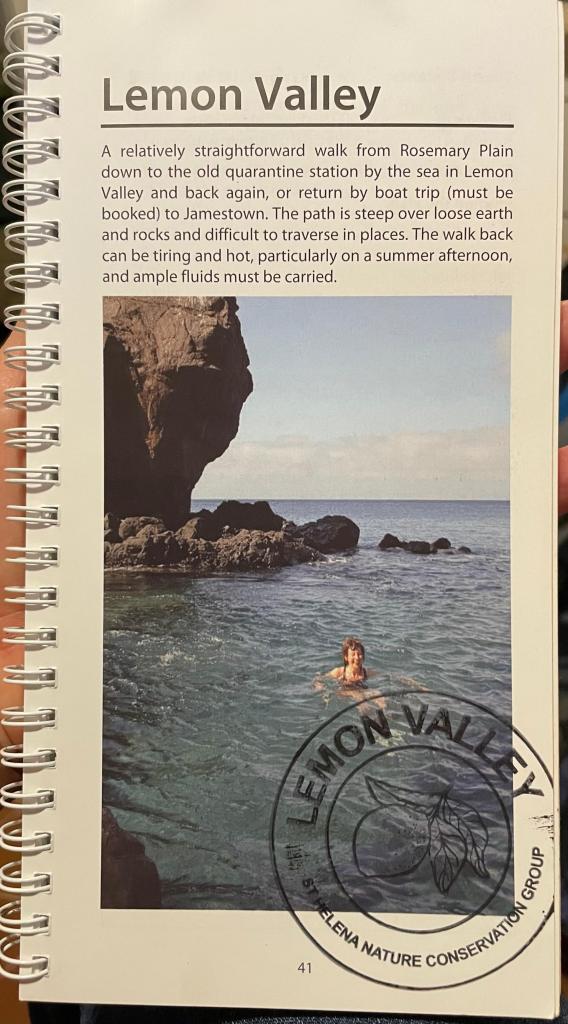
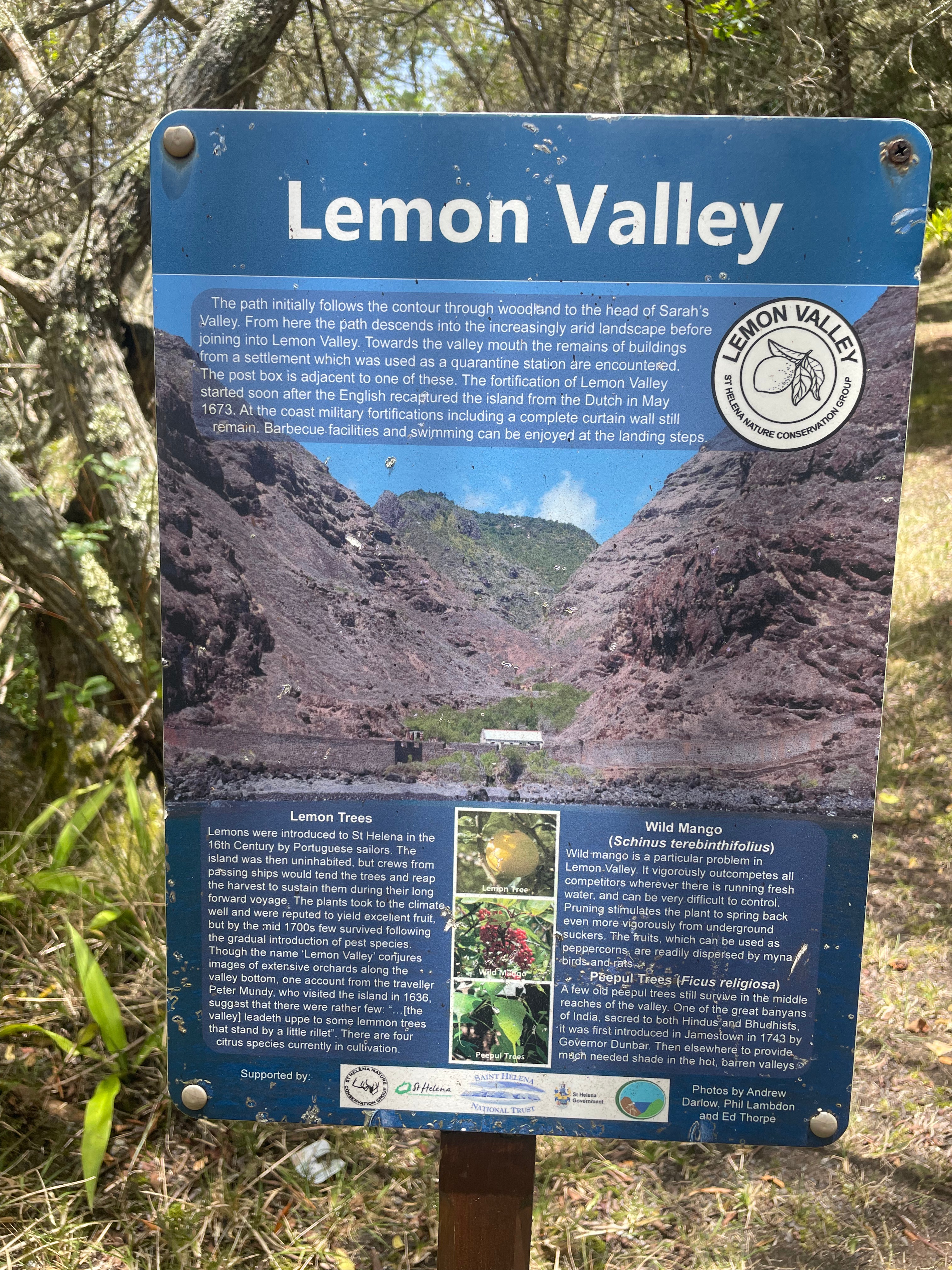
- Lemon Valley – Named after the lemon trees that once grew here. The trail is tedious, with a steep 530-meter descent and the same climb back up. There is almost no shade, and the scenery is less interesting compared to other walks on the island. There’s a snorkeling spot at the end. Locals advised us to take a taxi boat instead of hiking, but we wanted to experience it for ourselves. In the end, we got an intense workout—and an additional stamp to add to the collection!
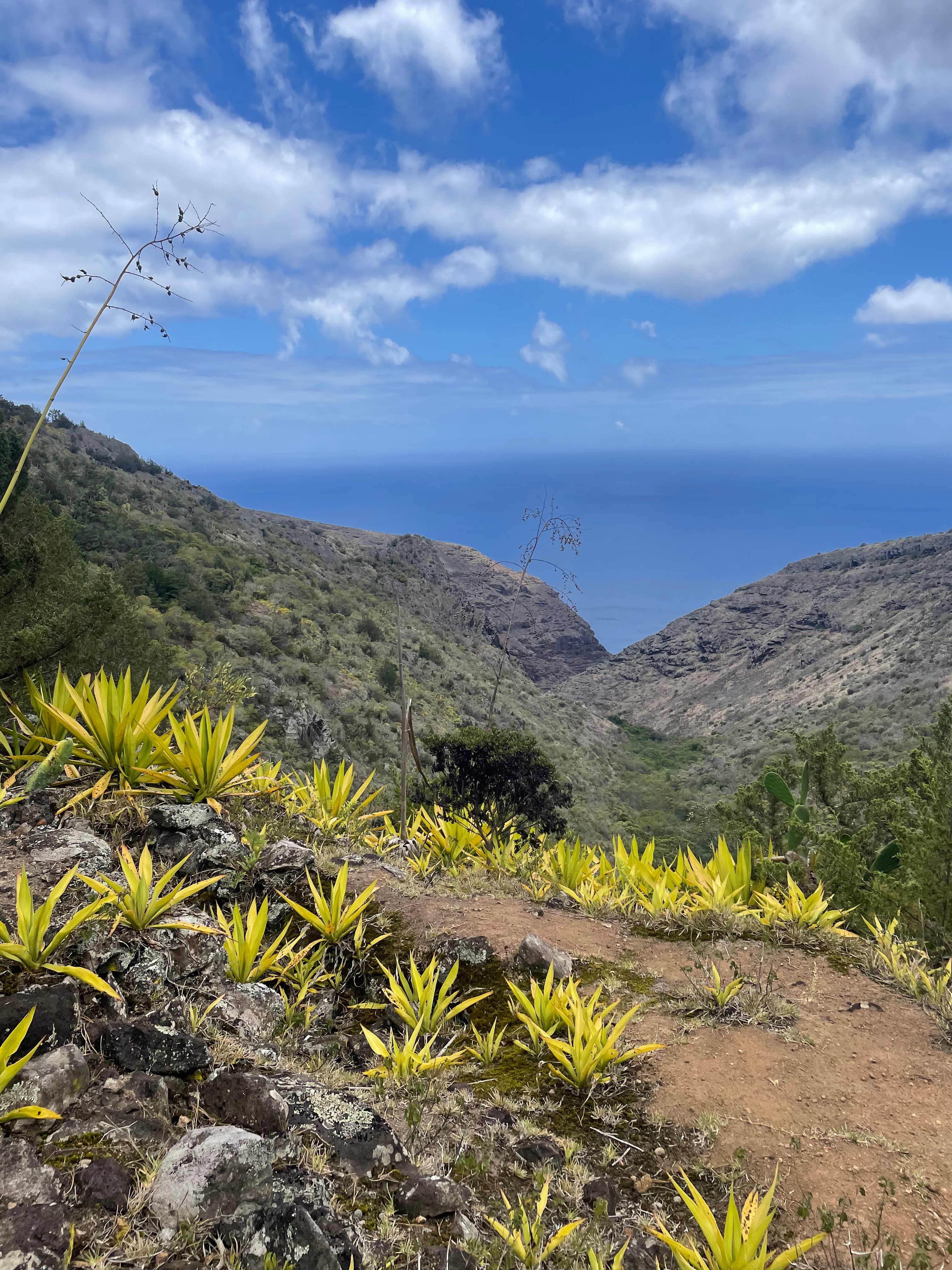
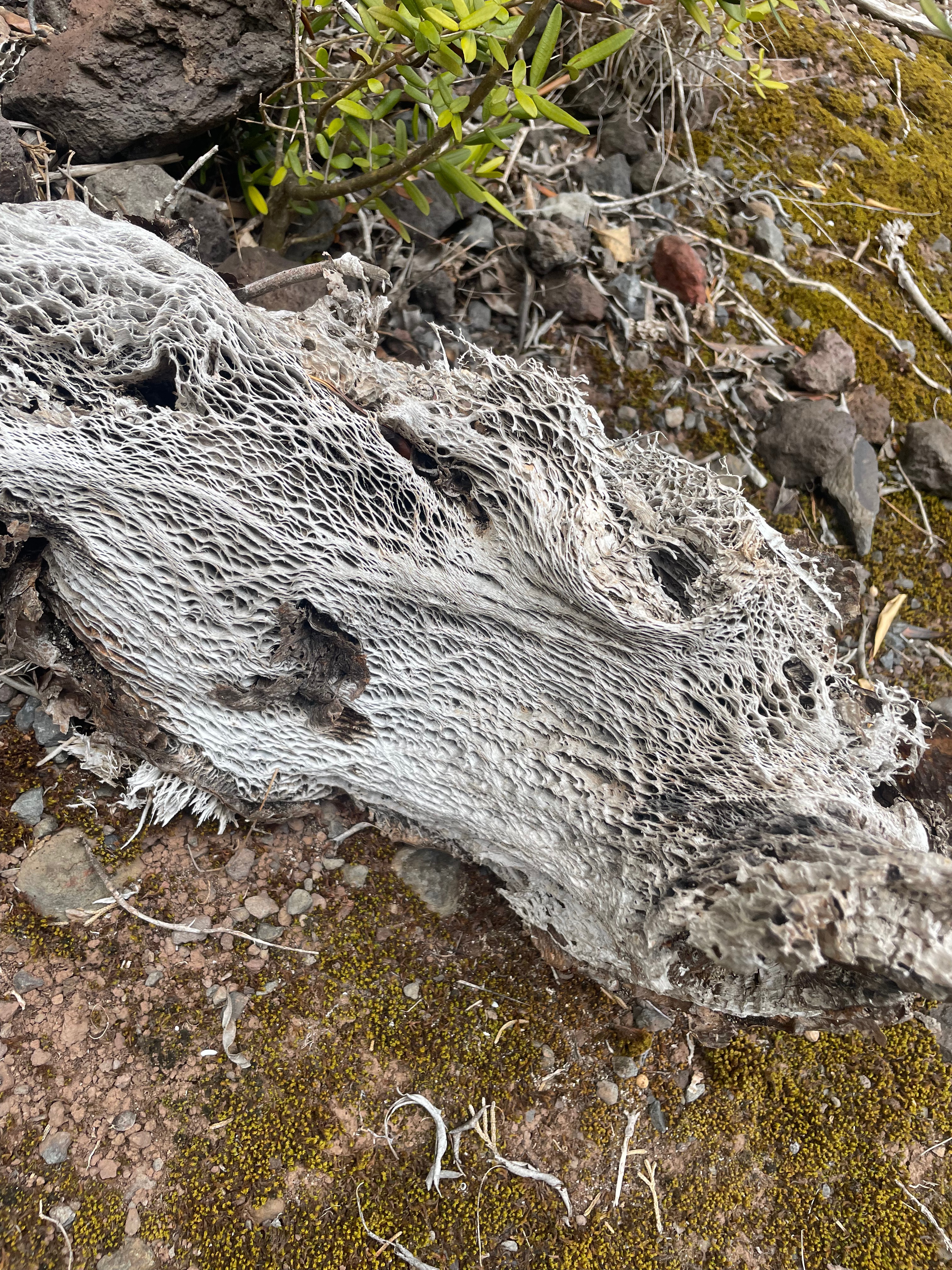
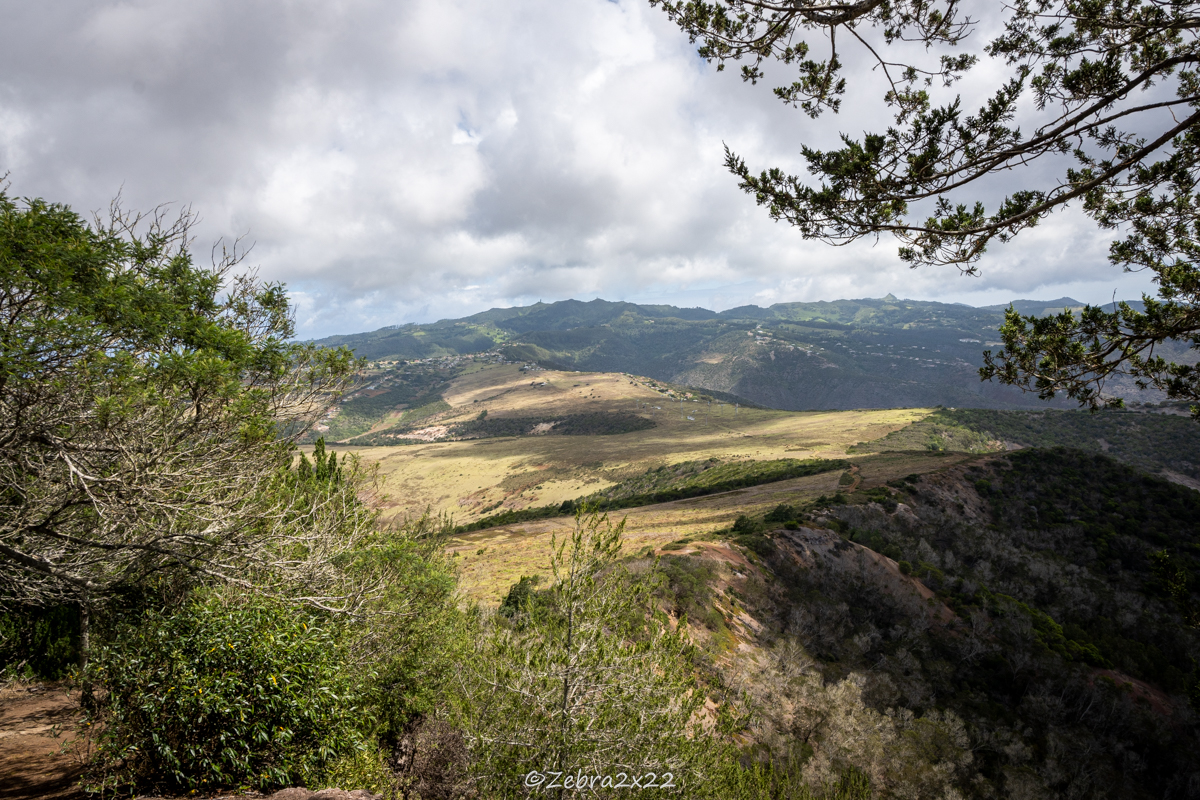

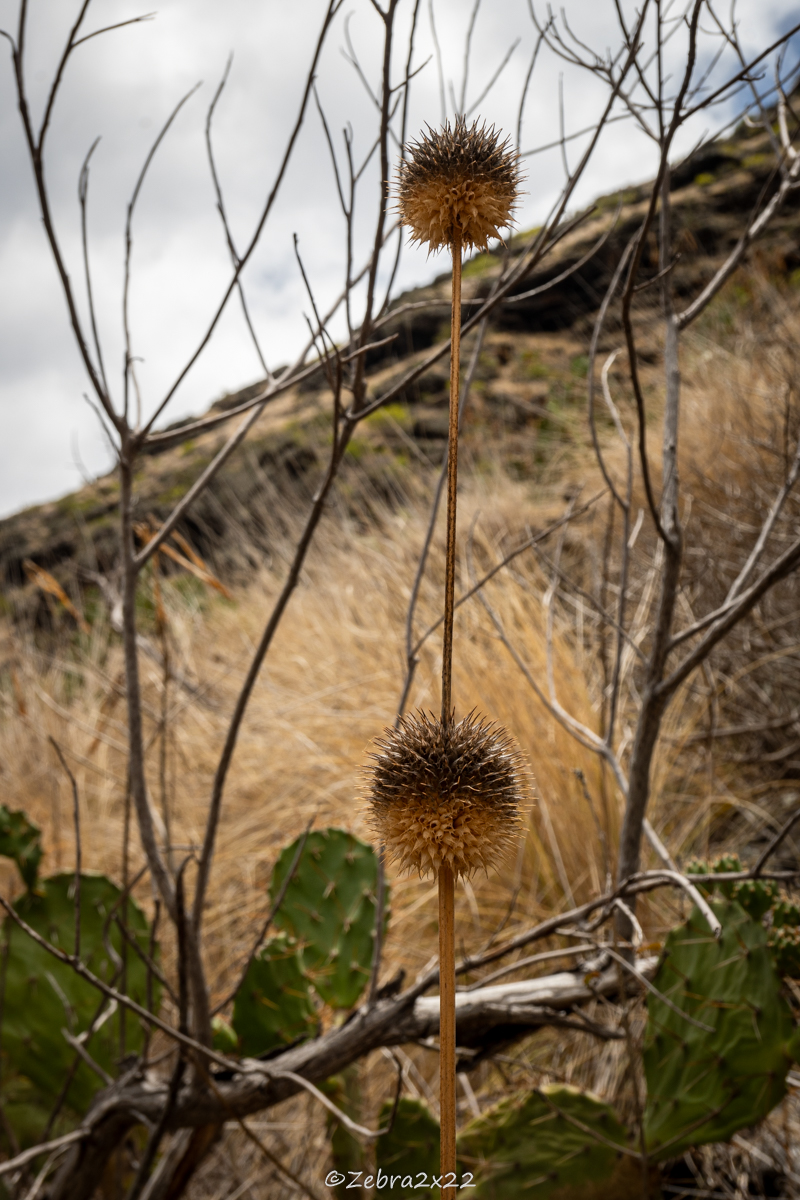
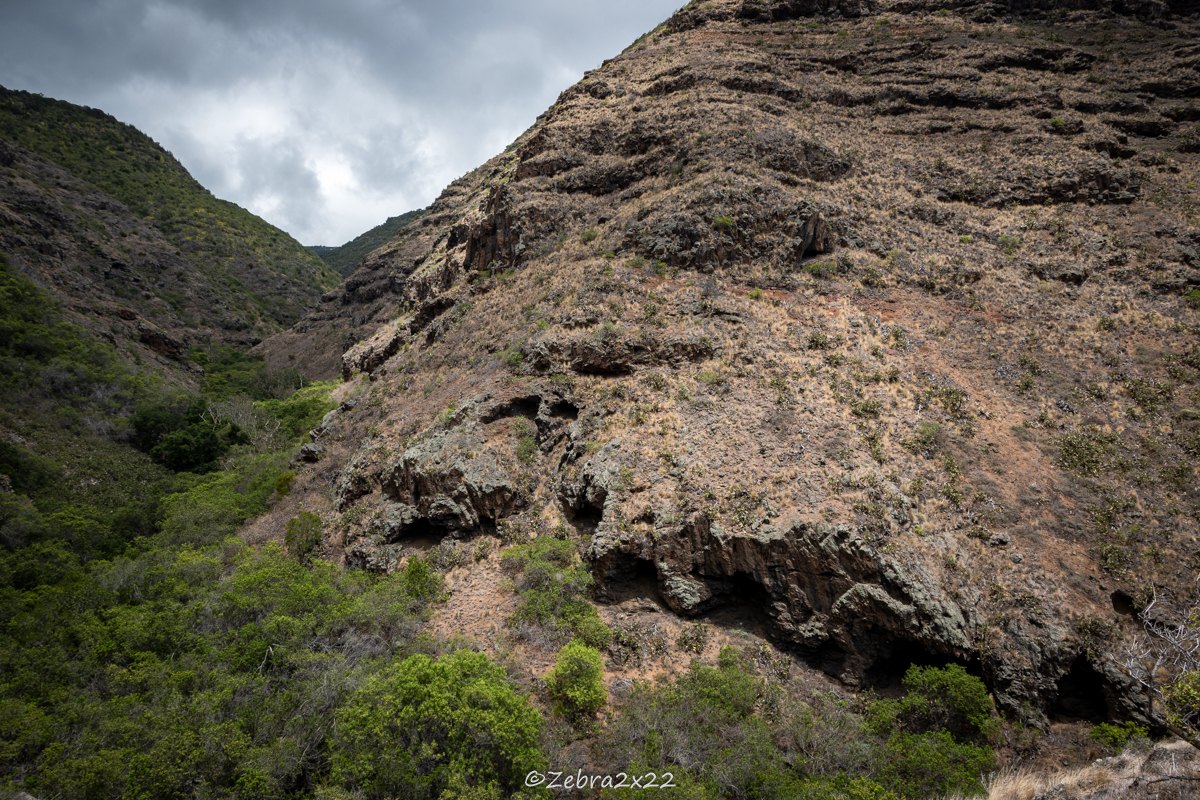
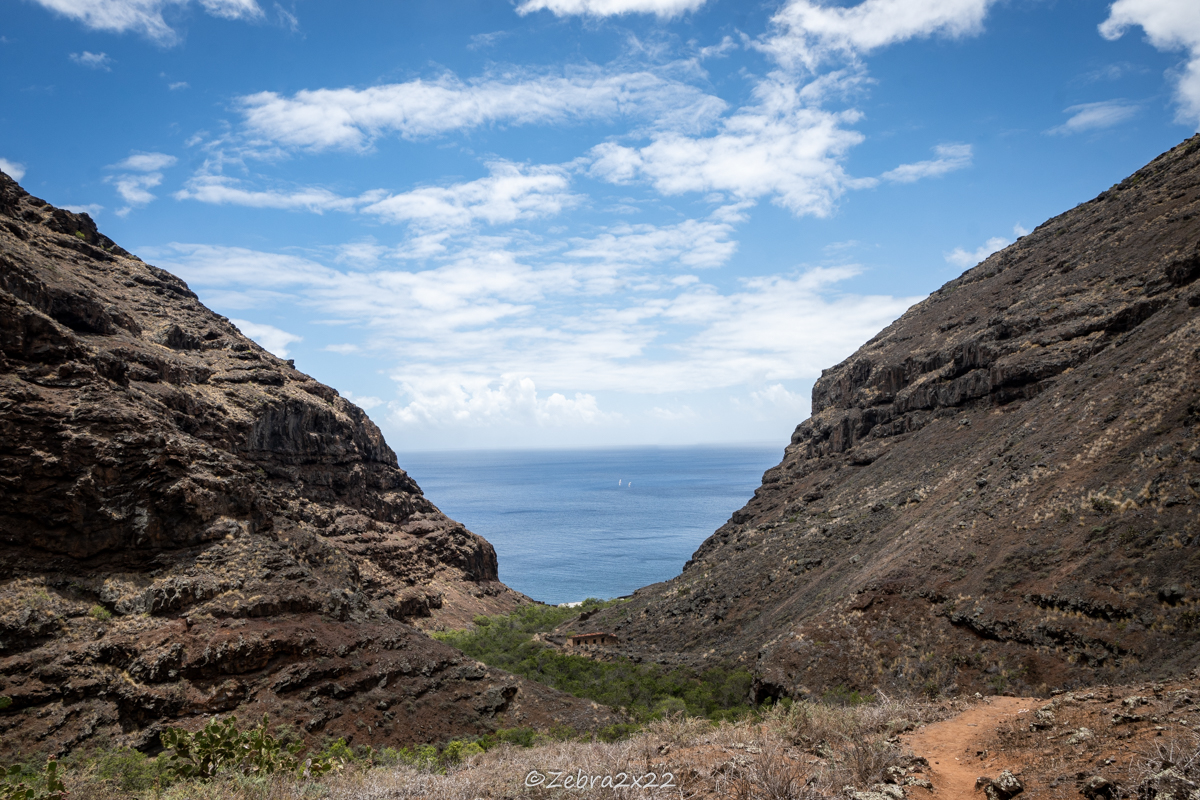
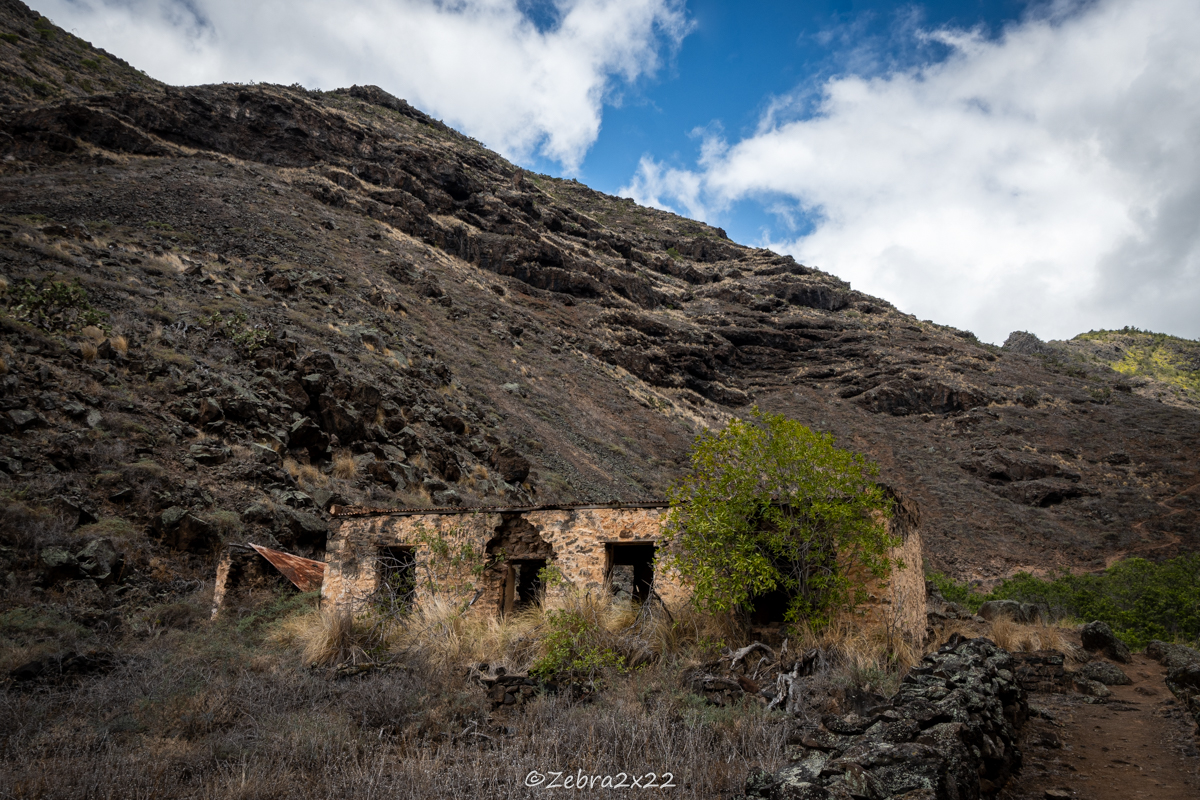
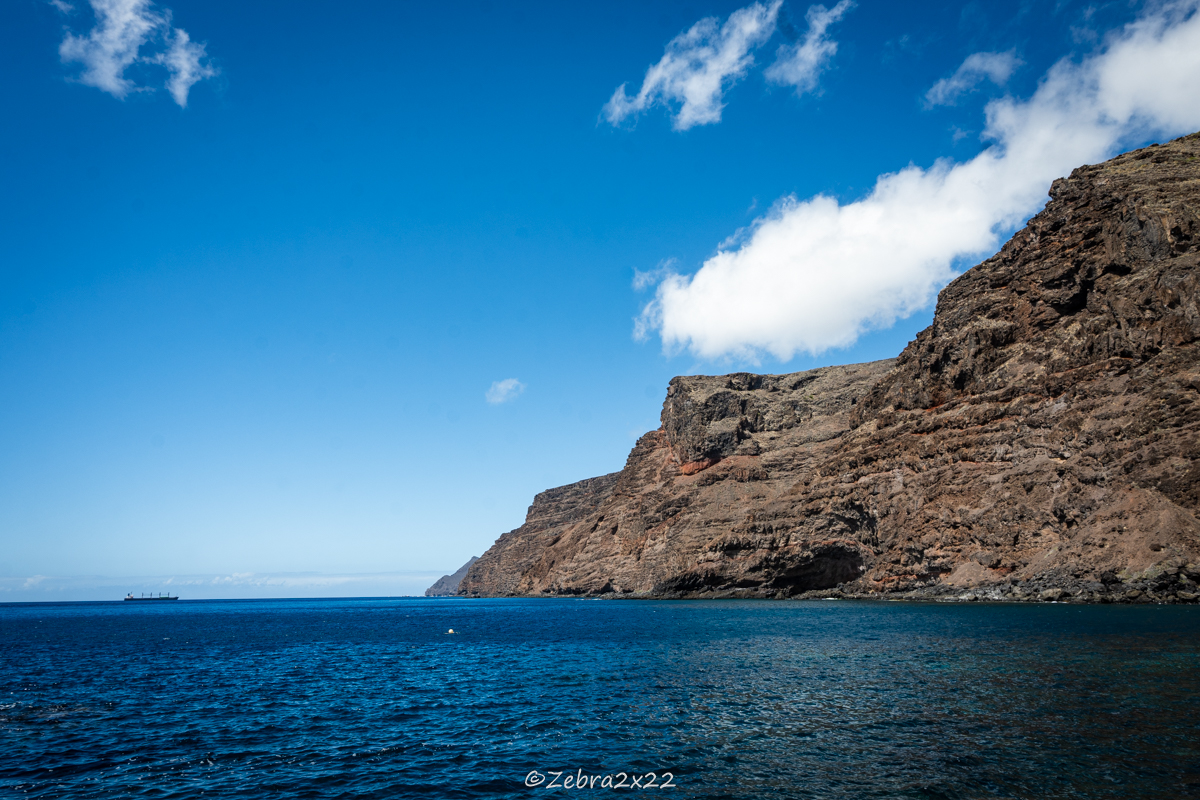
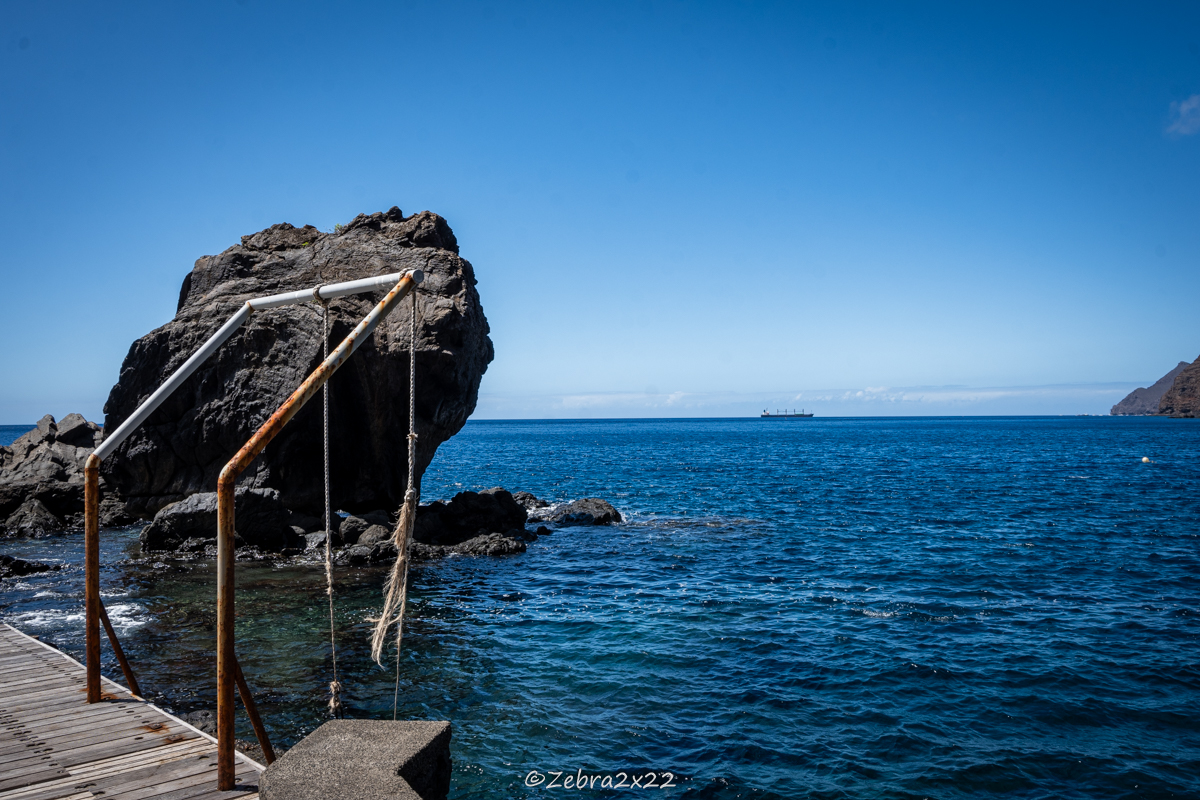


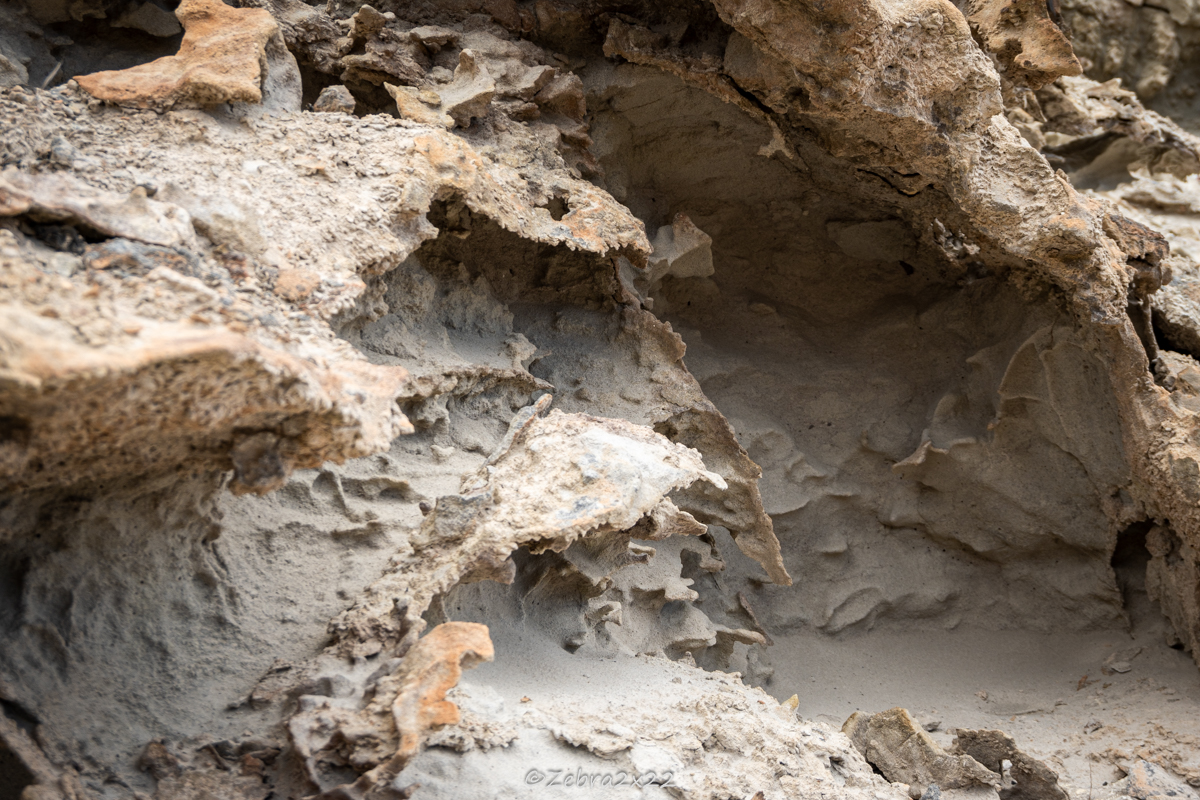
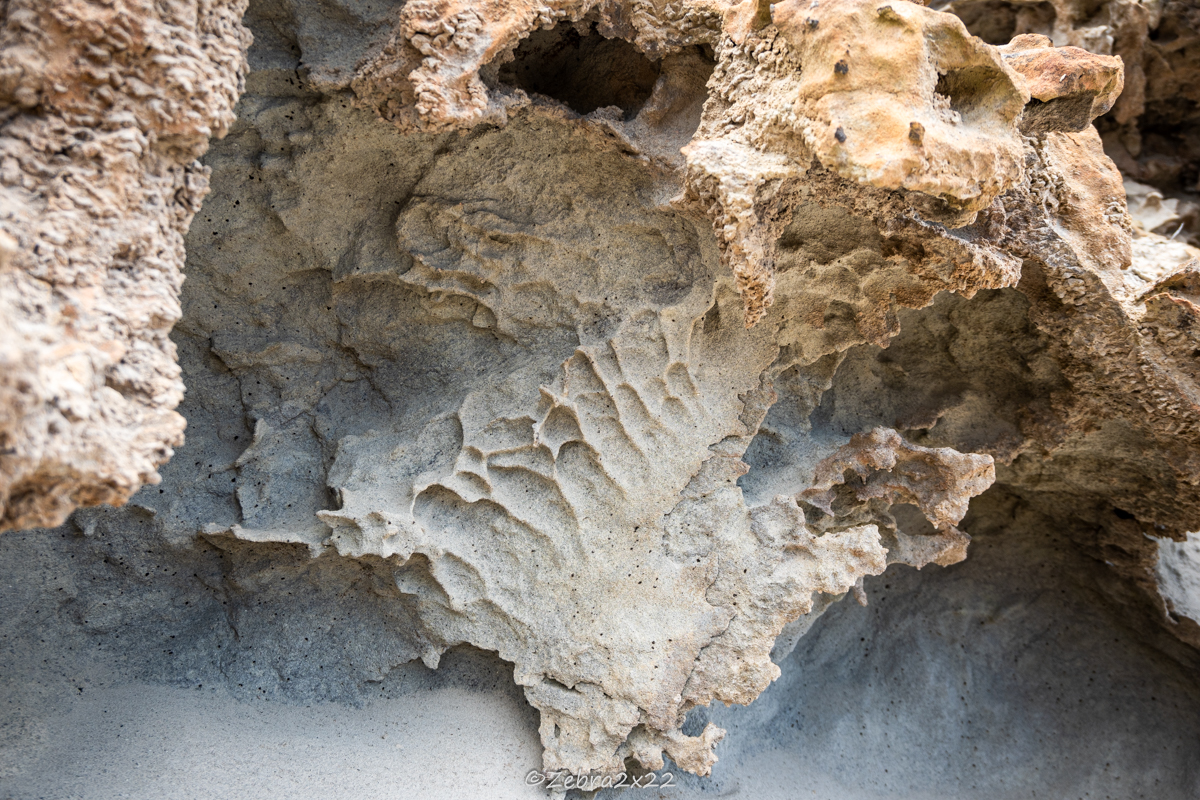
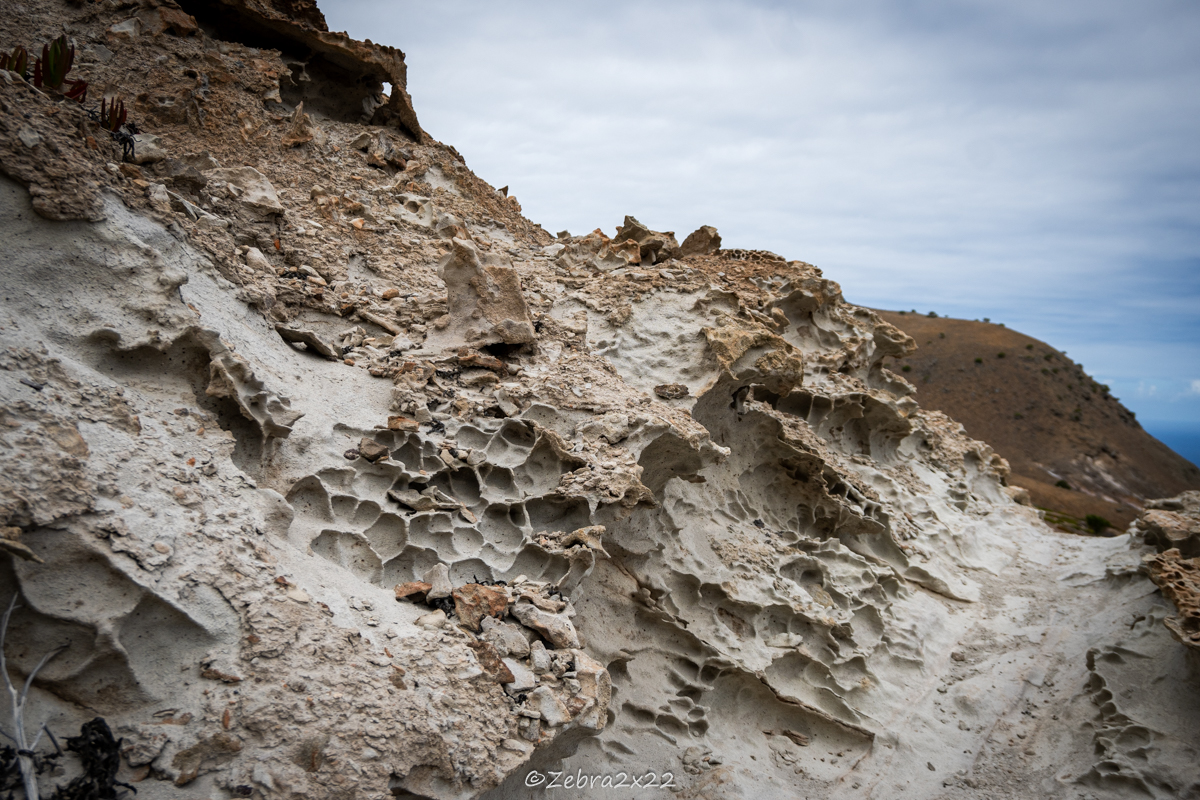
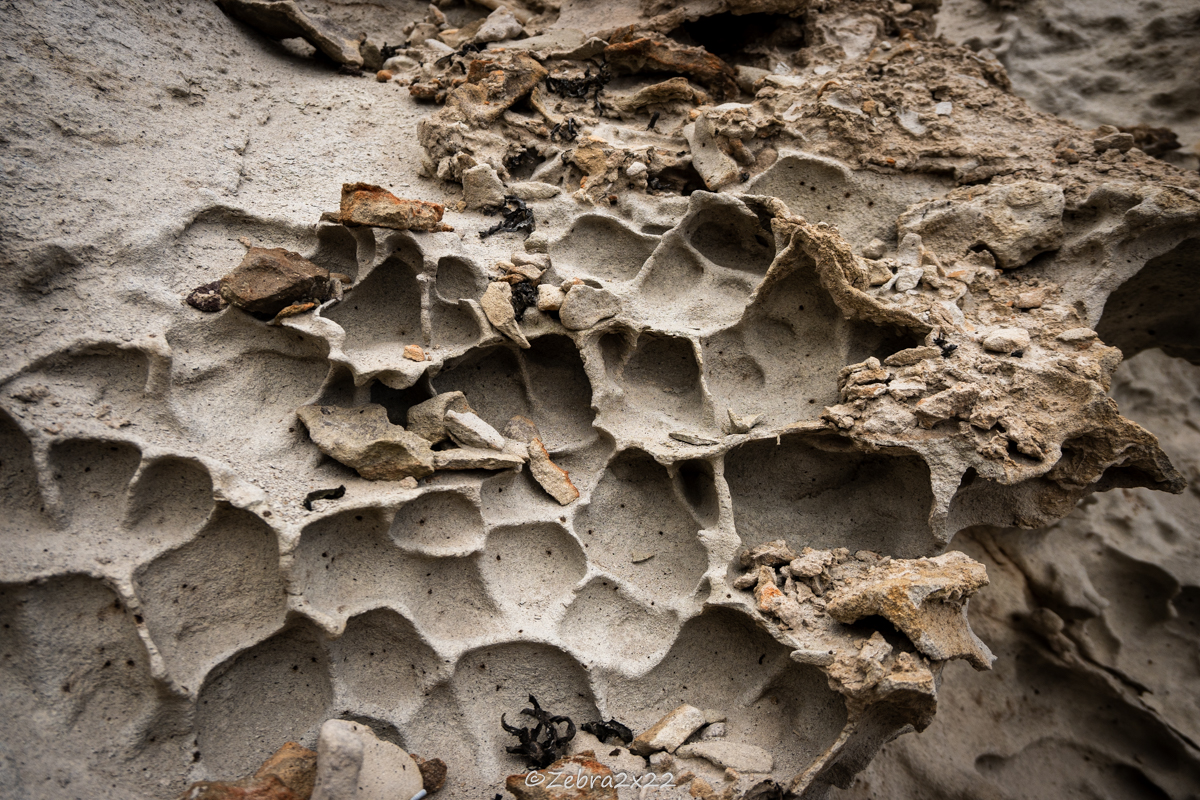
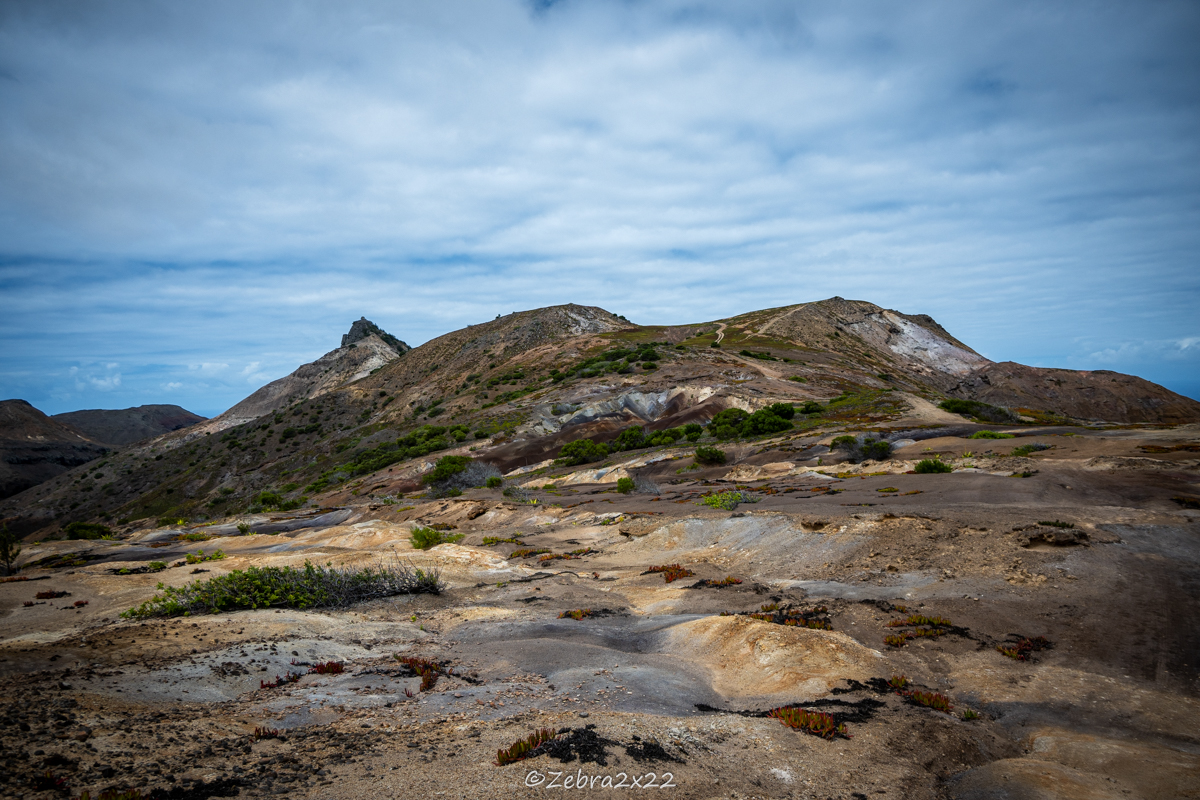
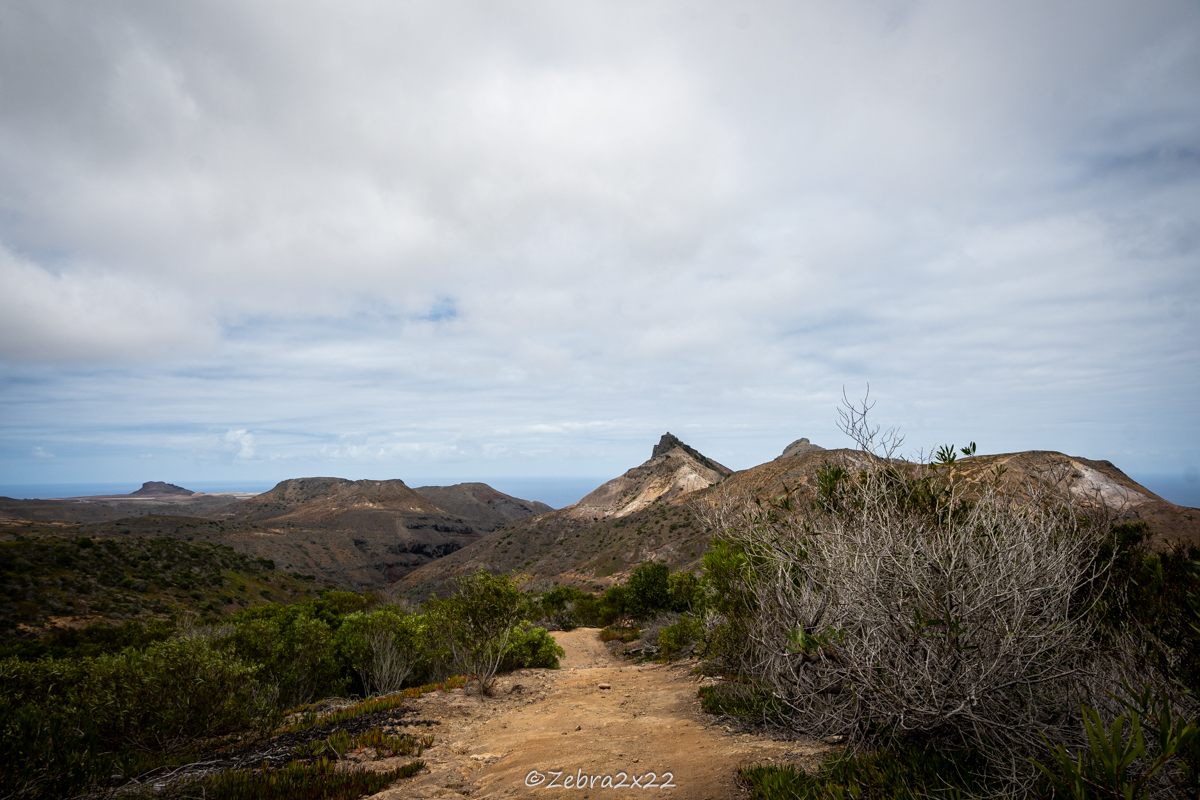
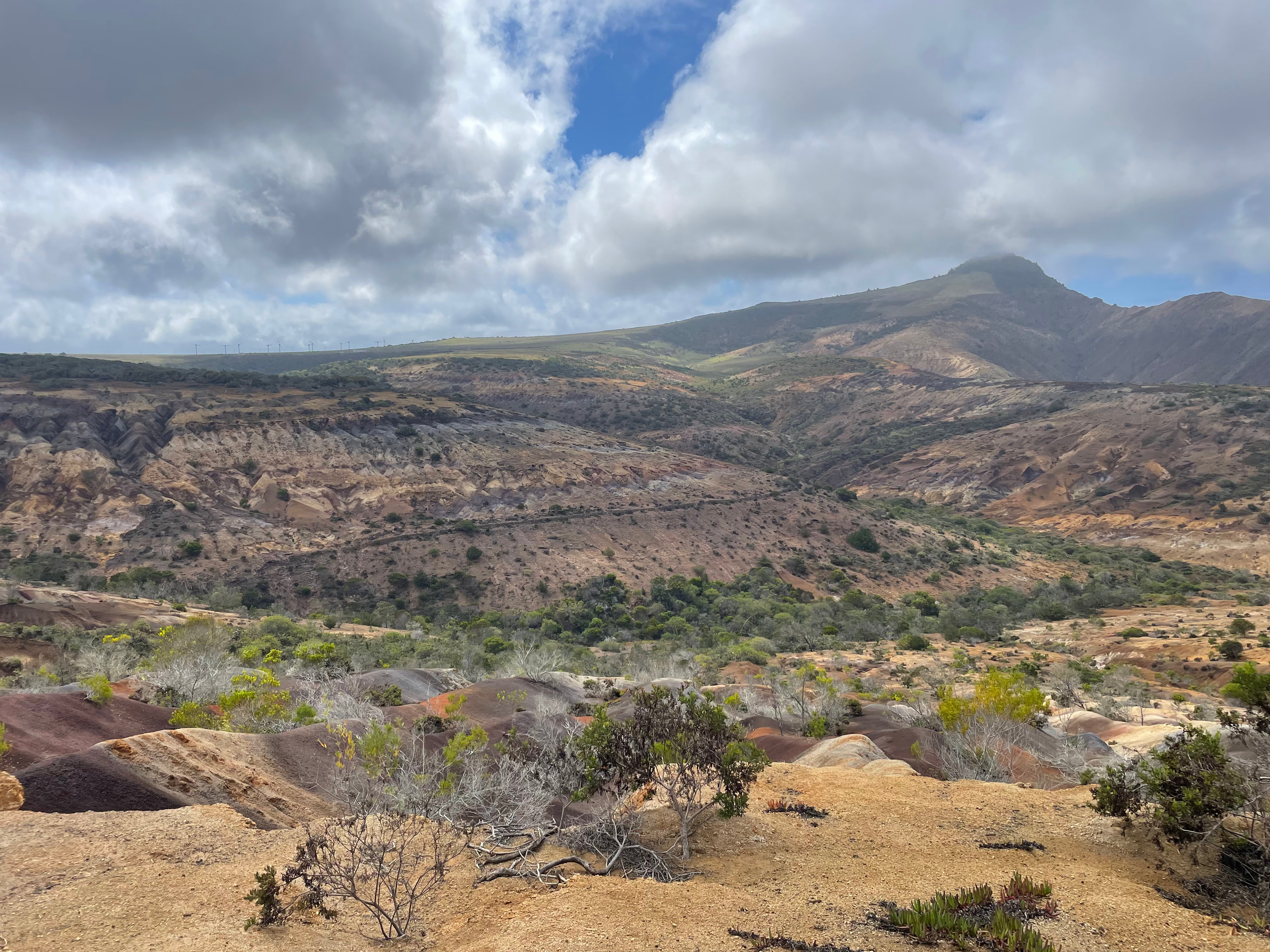
- Cox’s Battery – The walk to Cox’s Battery starts near the garbage dump, which isn’t the most inspiring location – despite being close to colorful dongas and offering interesting views of the land legs.


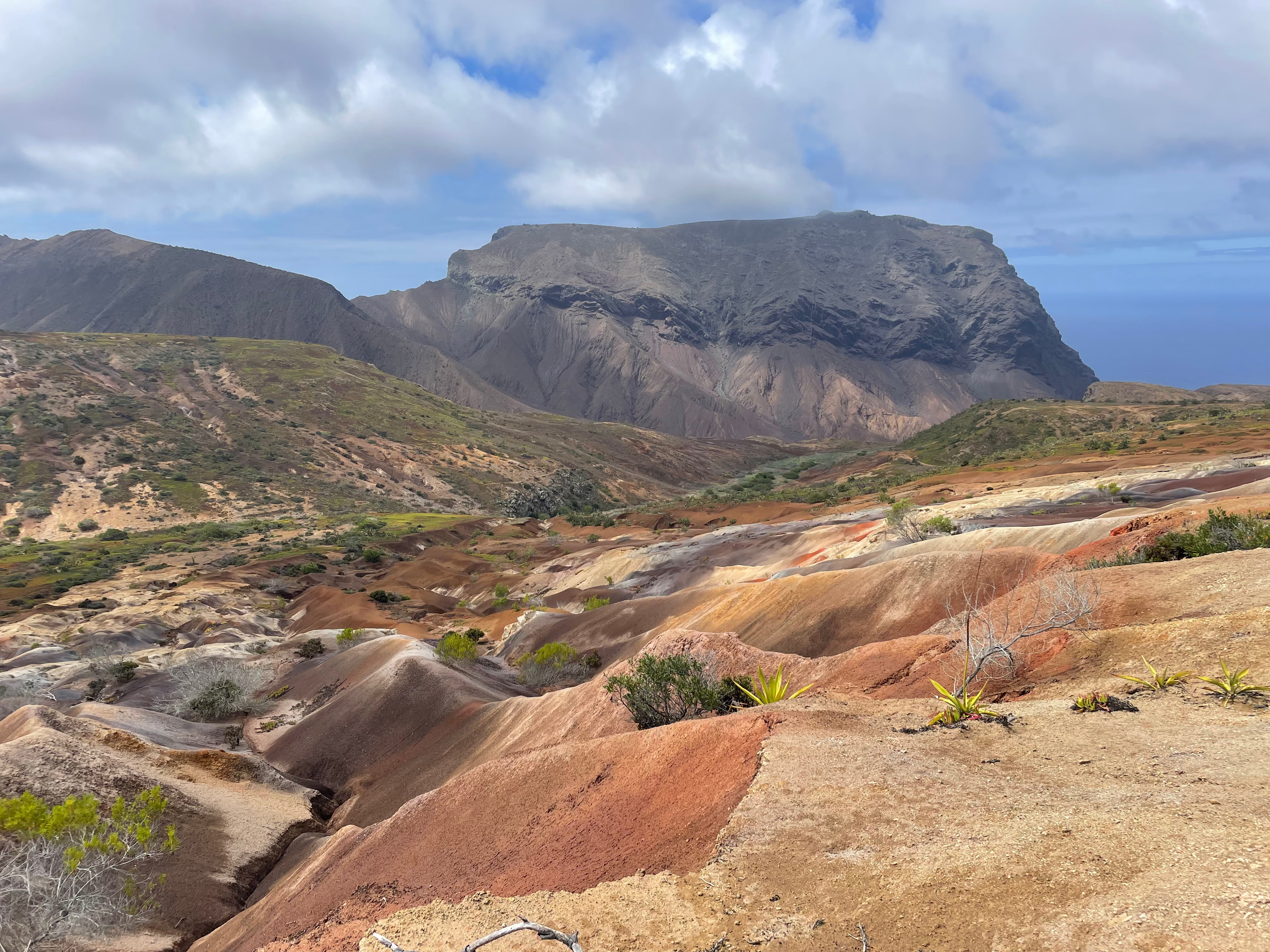
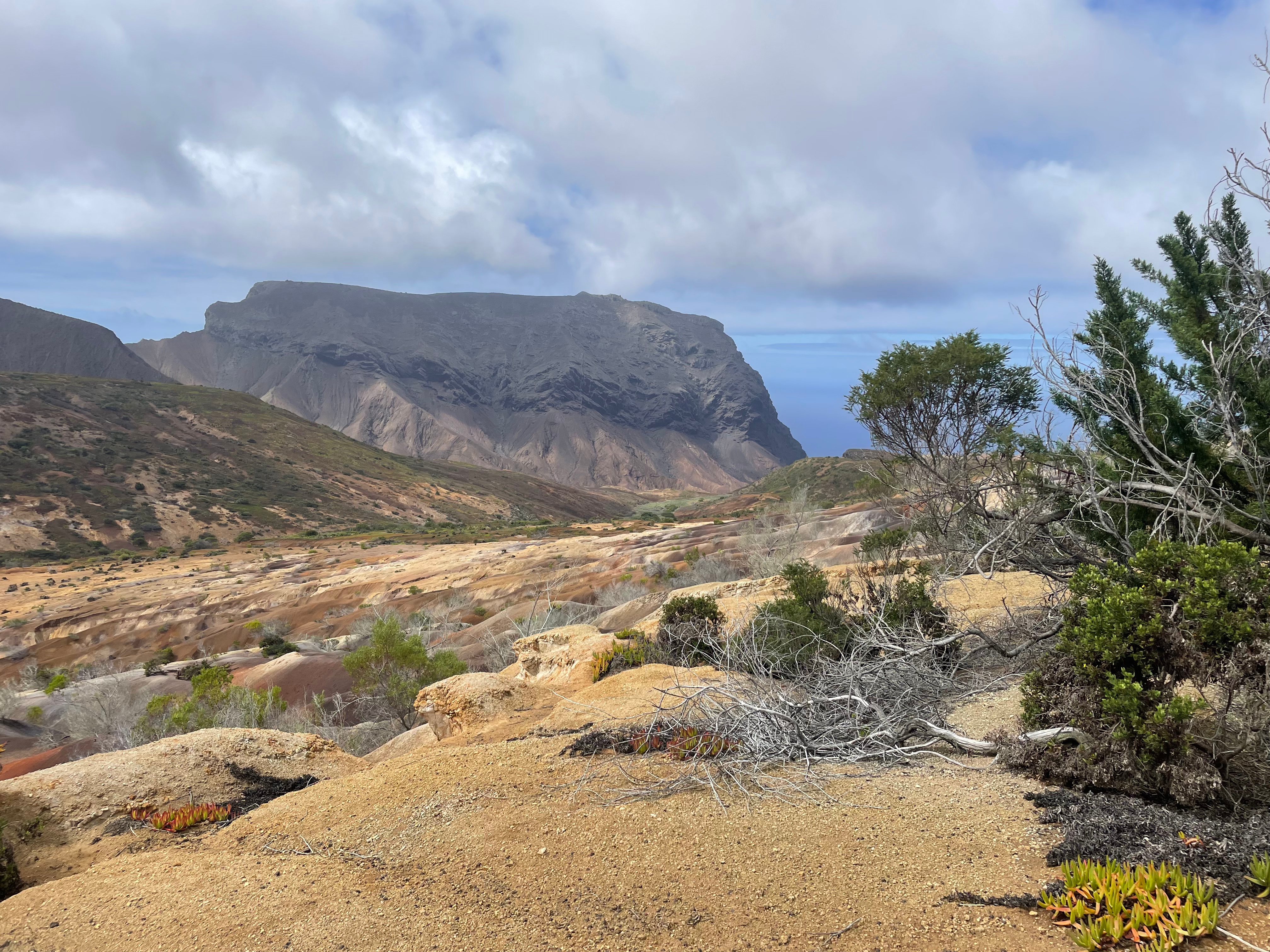
Discovering the kindness of the Saints and their public transportation
I wasn’t able to complete Cox’s battery walk due to time constraints. But this led me to one of the more unexpected adventures of my trip: experiencing public transportation on the island and getting a glimpse of the kindness of the locals.
First, you have to discover the public transportation by going at the tourist office. They provide a bus schedule and helpful explanations about where to catch the bus—since there are almost no bus stops or information signs. The system is flexible; you can stop at a location convenient for you. However, there are only a few buses in operation, and the number of trips per day is very limited.
That day, I needed to take the bus to Millennium Forest, where I had decided to volunteer with the Saint Helena National Trust.
I first heard about this opportunity through an article in the local newspaper, written by a tourist who spent a month on the island and shared his feedback (click on the image below).

So, I spent the day with two staff members who work in Millennium Forest, a reforestation project dedicated to restoring gumwood trees, an endemic species that was completely wiped out by goats.
I got to learn about their conservation efforts, helped replant shoots, trees, and assisted in collecting and planting seeds. They were incredibly welcoming and took the time to explain everything. I tried my best to understand what they called their broken English (quick flow and half the words pronounced), a challenge, if you ask me.
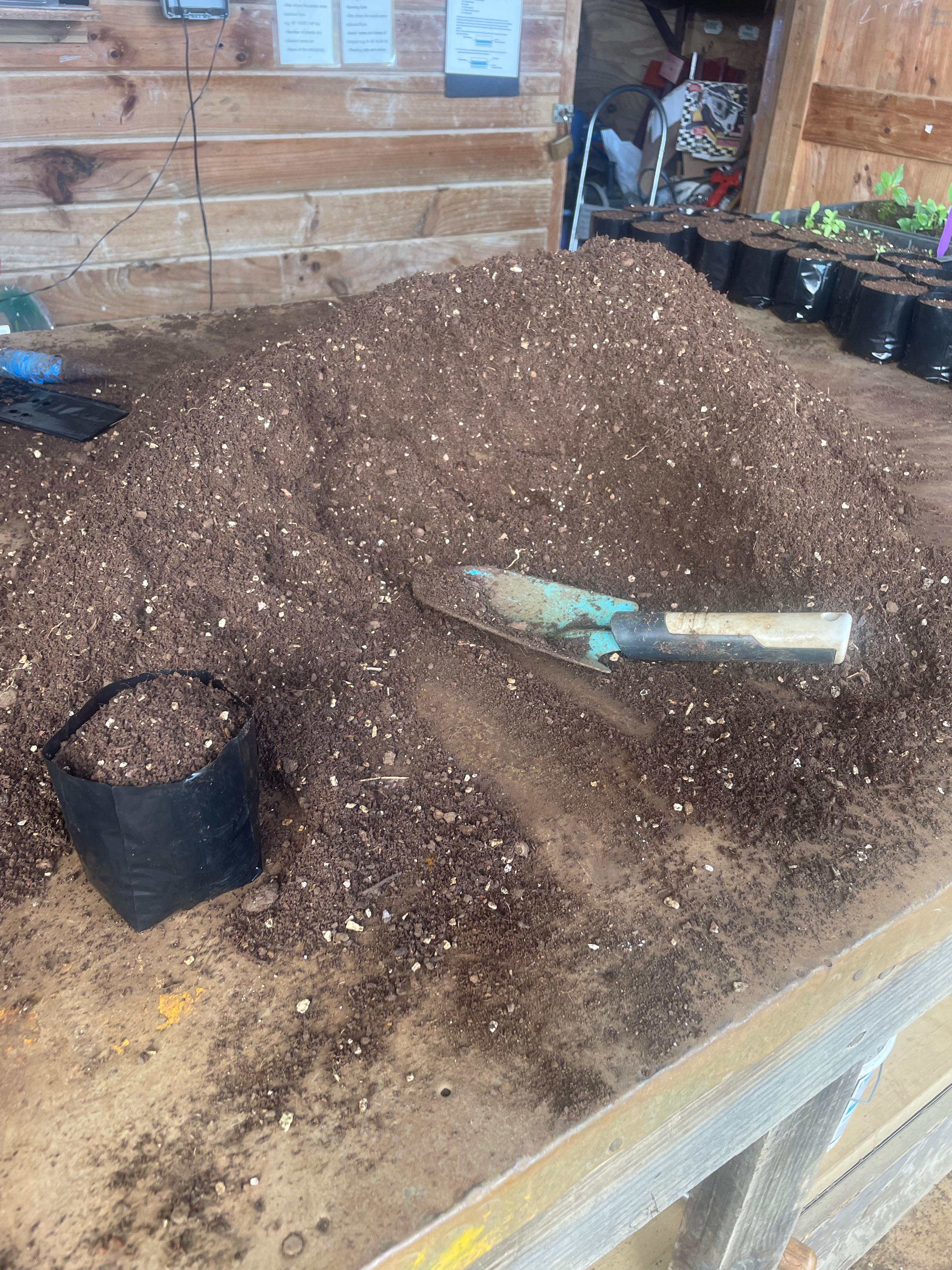
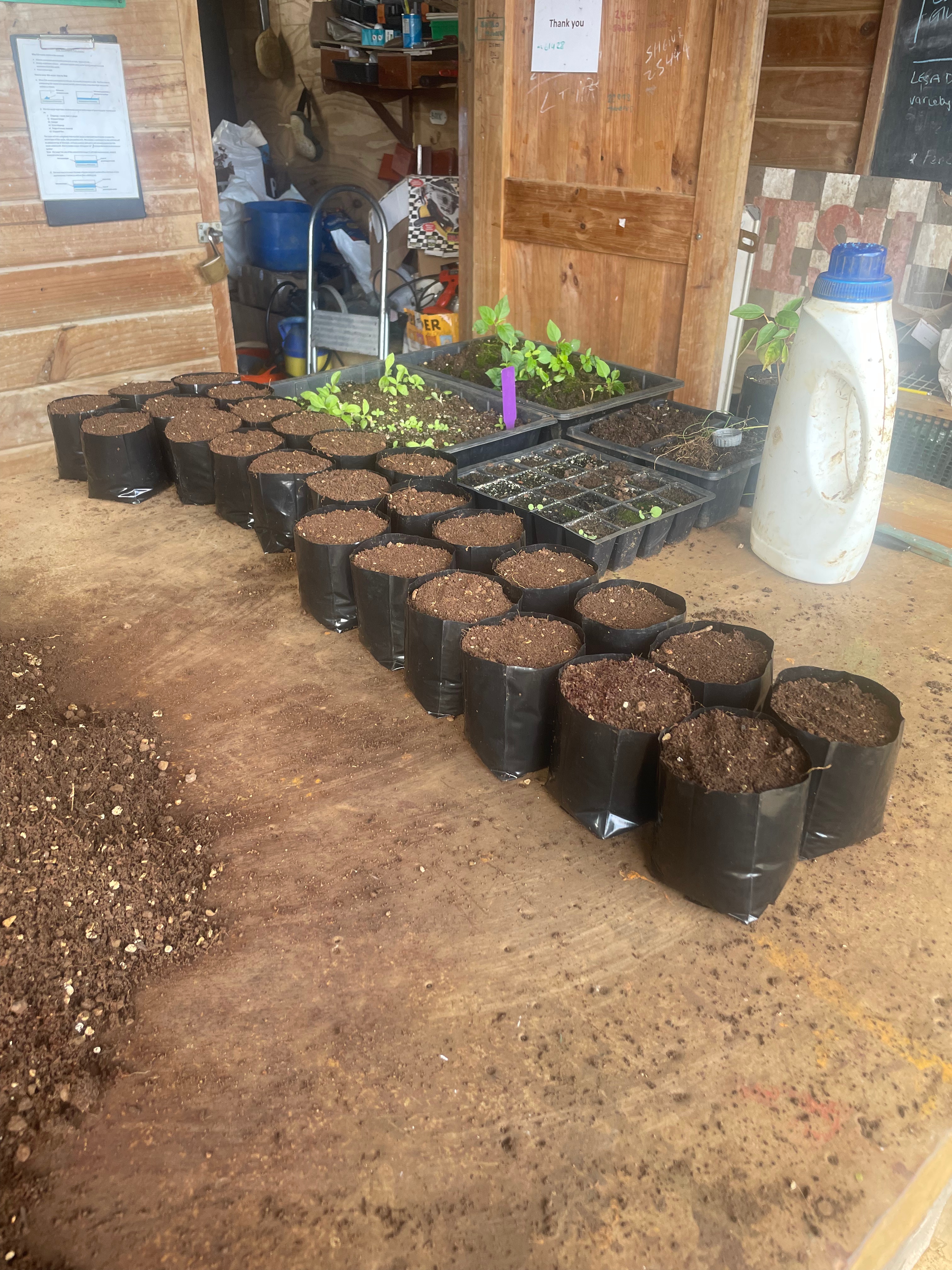


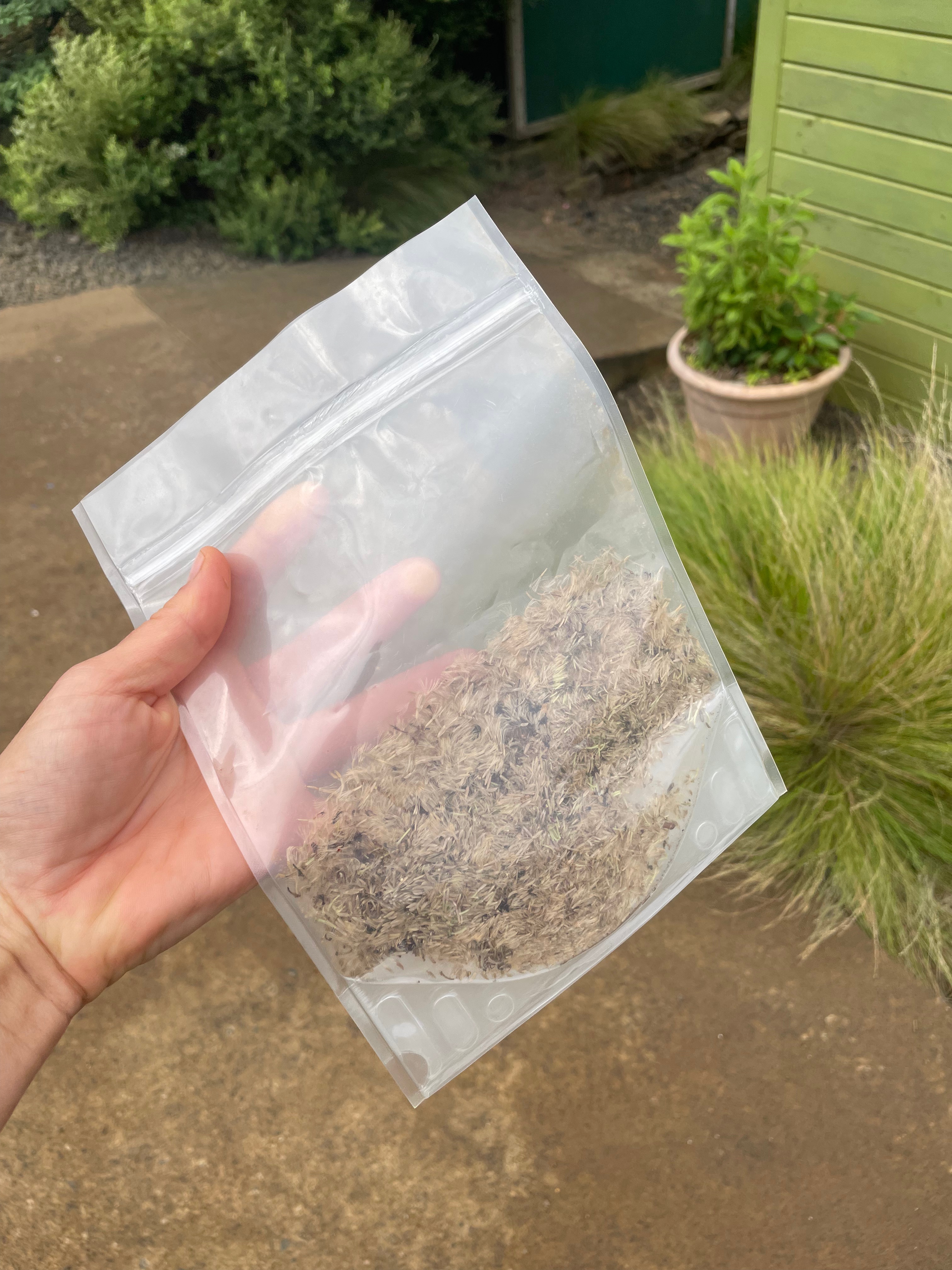

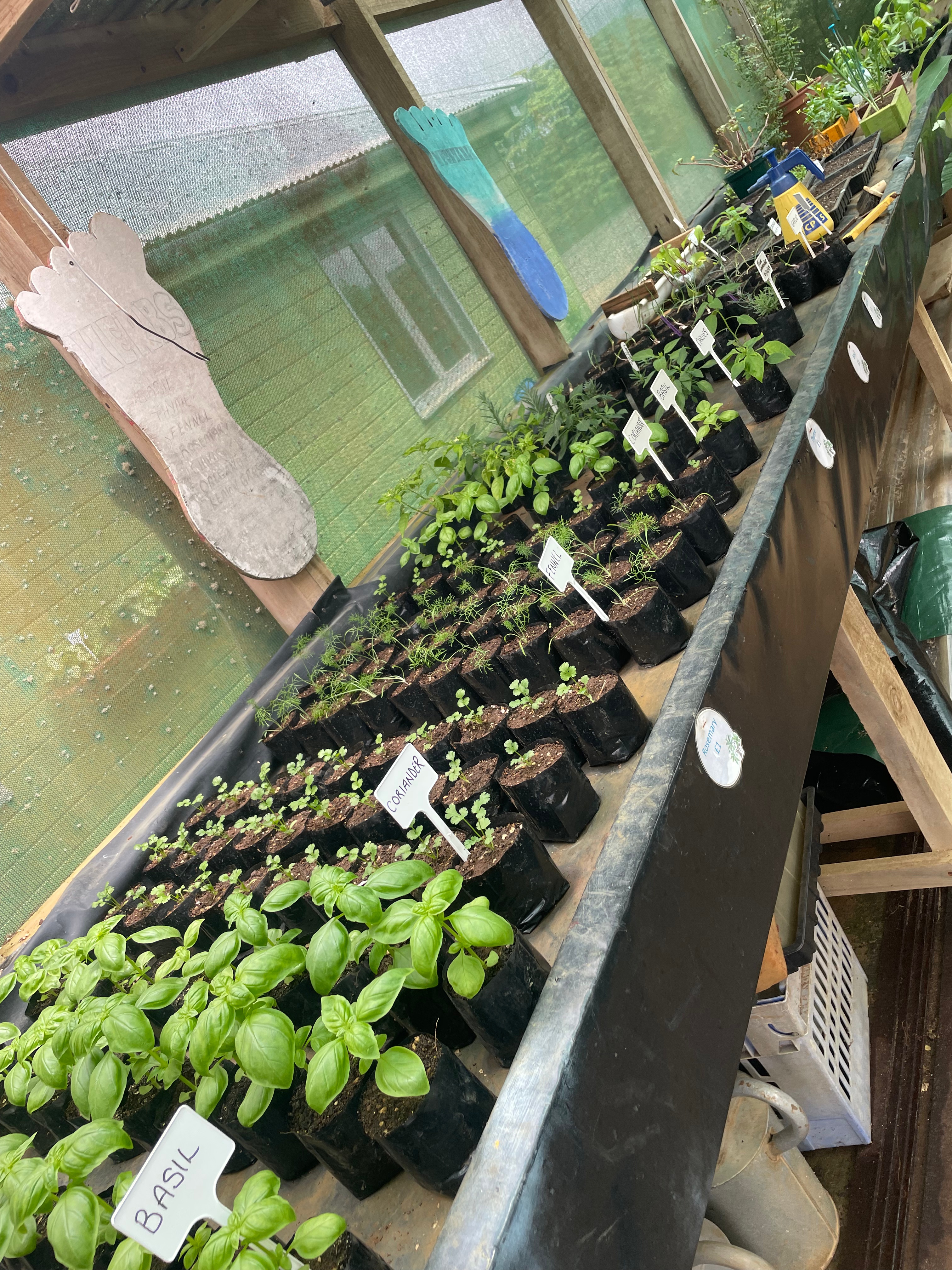
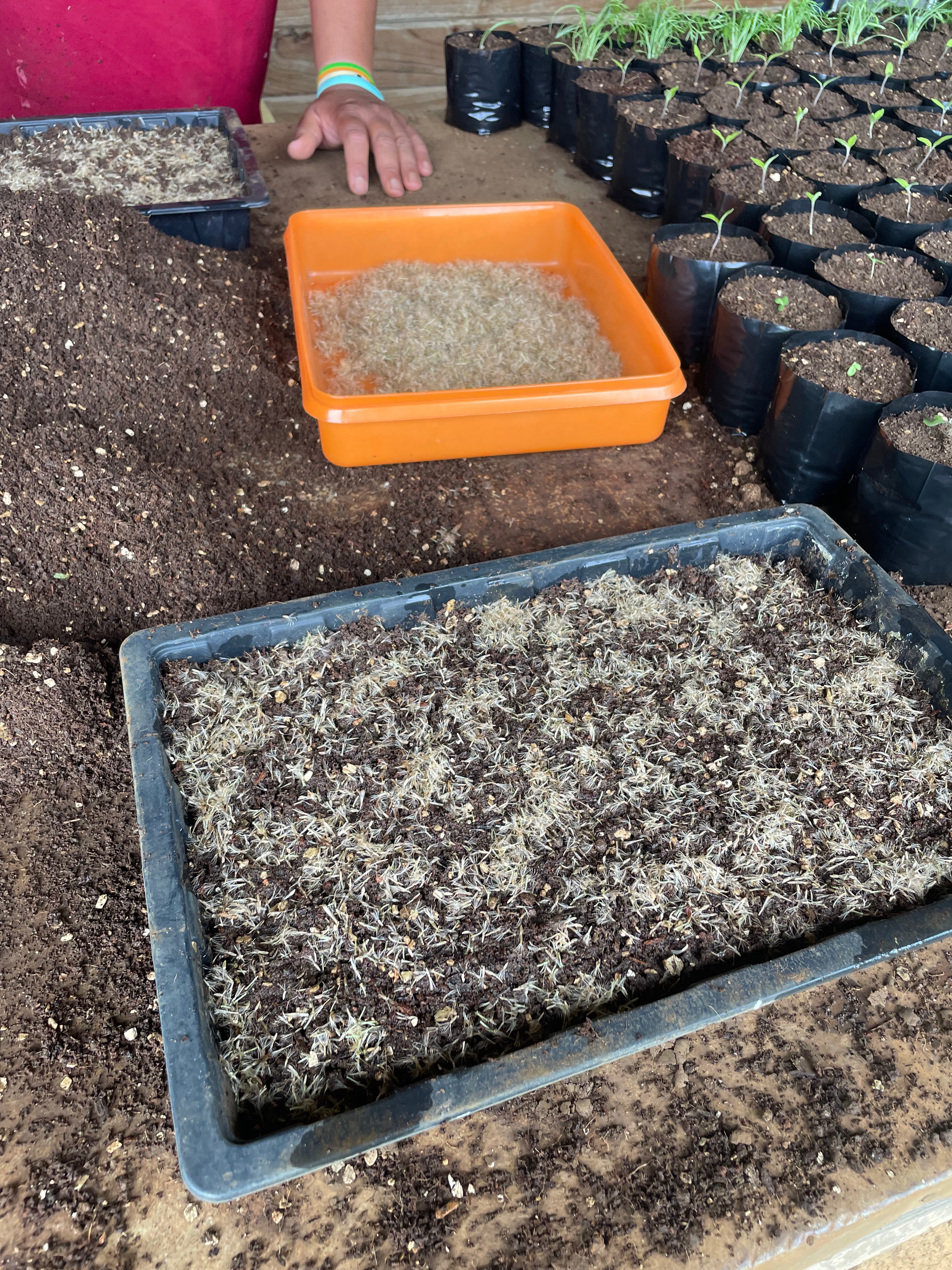
Their workday runs from 7:00 AM to 2:30 PM, and my return bus was scheduled for 3:40 PM or, if I missed it, 7:40 PM. Missing the first one meant either waiting for hours or walking 3–4 hours back to town (which, honestly, I probably would have attempted).
After a few small misadventures—wandering through cattle fields and eventually making it to the bus stop on time—I saw the minibus approaching. I waved at the driver, and he let me know that he would pick me up on his way back.
So, I waited.
When the minibus returned, I waved again—but this time, the driver didn’t see me. He completely forgot about me and drove past! I continued waving and even started running after the bus, but it was no use.
Luckily, a Saint on a motorbike saw me and stopped to ask if I was waiting for the bus. When I confirmed, he smiled and said, “Let me see what I can do for you.”
He chased after the minibus and, within a few minutes, the driver returned to pick me up. The driver presented a lot of excuses, he got distracted by the fuel gauge and forgot about me.
At the petrol station, I finally got the chance to thank my “mystery knight”—it was a fun and unforgettable moment. I had mentally prepared myself for a long walk back, but thanks to the kindness of a stranger, my afternoon took a much better turn!
Jamestown’s Ladder
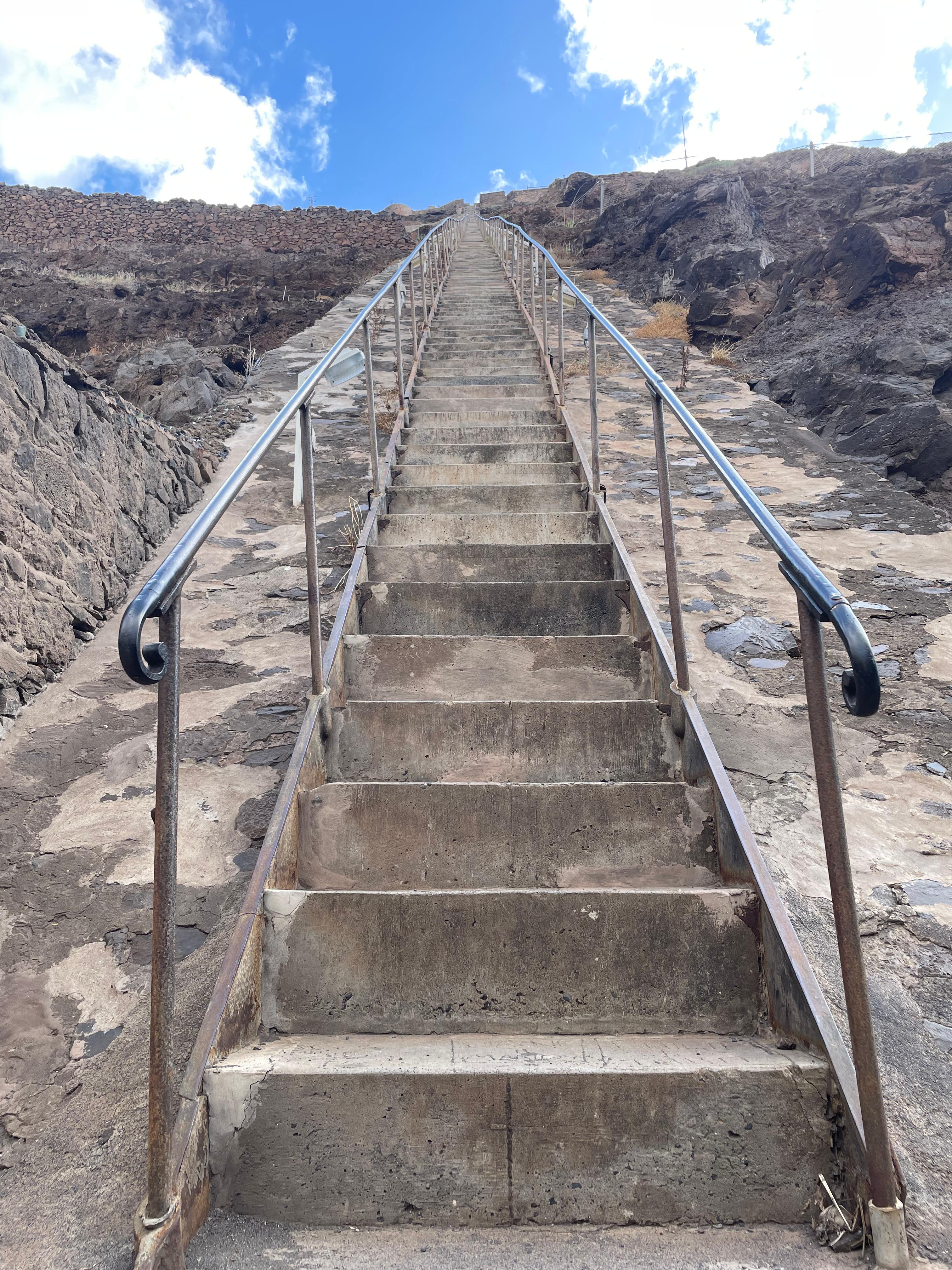
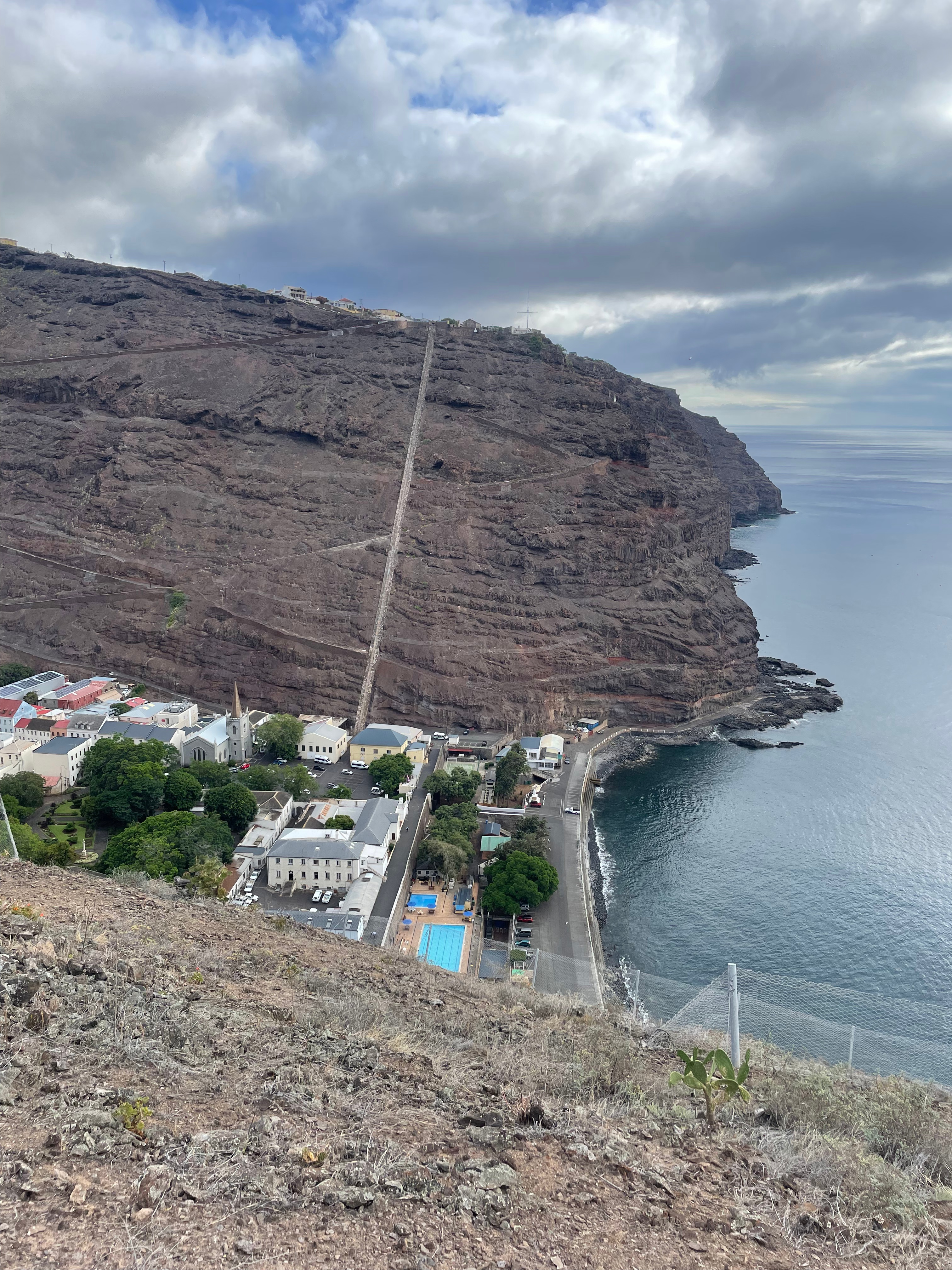
I can’t end this article without mentioning Jacob’s Ladder located in Jamestown.
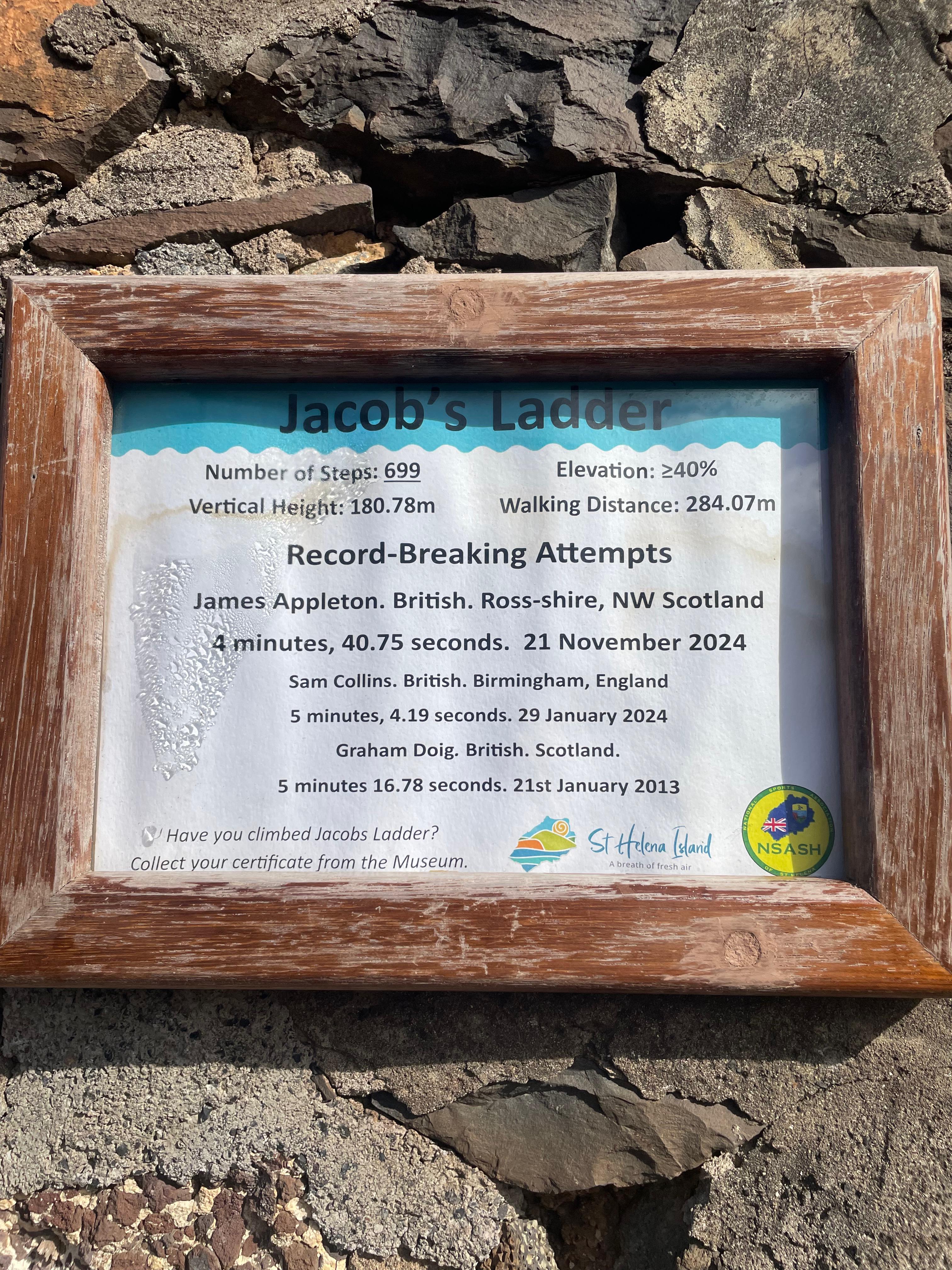
Originally built to connect the city center to the fort above, this steep staircase consists of 699 steps and is one of the well-known attractions of the town. If you climb it, you can even get a certificate from the local museum!
To receive the certificate, you must pay a fee and declare your time—but you can’t claim a time faster than the official records (which stand at around 7 minutes for women and just under 5 minutes for men).
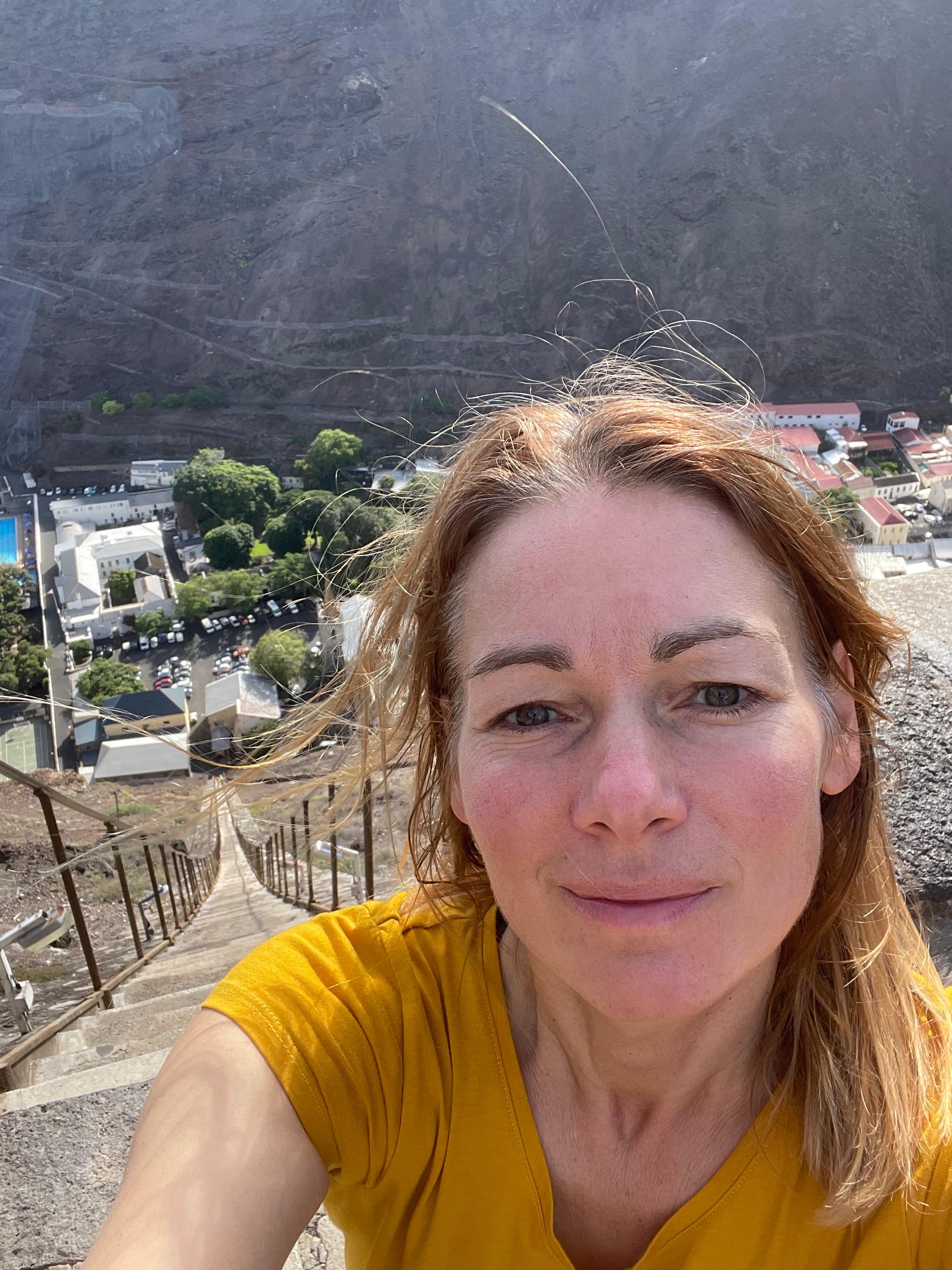
I managed to climb it in 15 mn, taking my time, enjoying the views, catching my breathe.

Final thoughts
Saint Helena is one of those unique experiences that leaves a permanent mark and will never be forgotten. I left the island with a feeling of “reviens-y” (or “a willingness to come back”), this remote sense, the kindness of the inhabitants, the breathtaking landscapes, the wildlife, the missing stamps in my book, the unpredictable weather, and the feeling that so much remains to be done, where one can carve out their own space.
I have the feeling I will return one day, maybe to explore the question that lingered with me during my stay. I heard that people felt punished when sent to Saint Helena for a few years of work assignments, which might explain the high level of alcoholism. I feel this couldn’t happen to me—the island is amazing, and there will always be something new to discover about the local people, or an activity to create for myself. I may never fully understand it, as I’ve never been stuck anywhere. I’ve been lucky enough to have non-repetitive jobs where my daily tasks were unpredictable, allowing me to learn something new every day. I’ve had the freedom to travel the world without boundaries. I guess it’s a different feeling if you have no choice.
My walking partner in crime suggested that I should come back for a longer stay to try and understand this sentiment and experience it for myself, as she could completely relate to it.
And, of course, I need to return to collect my missing stamps. 🙂
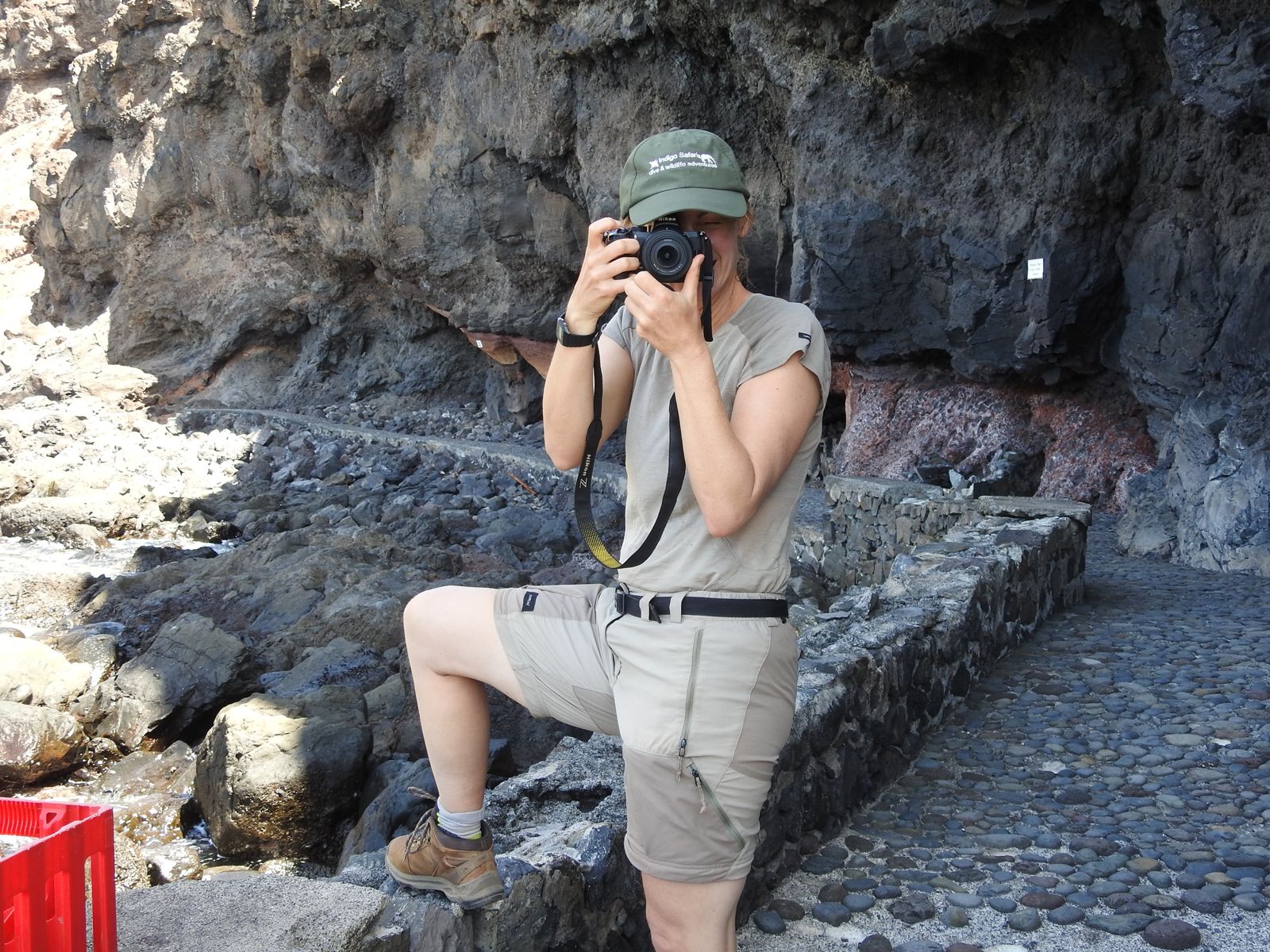
(All photos and videos of me taken by another person in this article have been taken by Sue)

 Zebra2x22
Leave a comment