More Than Just Volunteering
During the summer of 2025, I spent a month volunteering with Imvelo Safari Lodges. It was a truly enriching experience. I think this organisation is special because it genuinely brings together communities, conservation, and tourism in a meaningful and practical way.
I witnessed this firsthand.
After returning home, I decided to take it further. In December 2025, I committed to organising two voluntourism trips with Imvelo to share this experience with others. Stay with me until the end of this post to understand Imvelo’s actions, why it matters, and why it is an incredible place for a safari. You will find more details at the end.
One of Imvelo’s proudest achievements is the reintroduction of rhinos into the communal areas bordering Hwange National Park, a project that took a decade to realise and that has progressed alongside the development and strengthening of local communities.
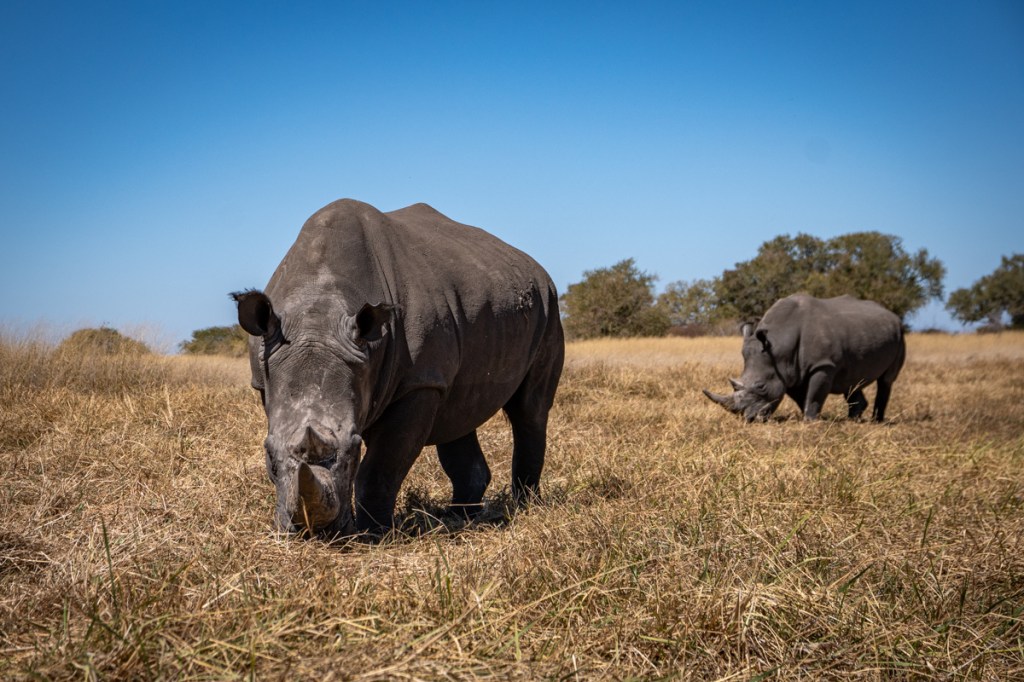
Imvelo supports and empowers local communities by ensuring that people directly gain from wildlife conservation. When communities benefit from the presence of wildlife, especially the rhinos, protection becomes a shared responsibility.
Meet Mark Butcher, the Visionary Behind the Project
In March 2025, I spent a few weeks in Zimbabwe on an educational trip, discovering the services and experiences offered near Hwange National Park.
During that time, I met Mark Butcher, the Managing Director of Imvelo Safari Lodges.
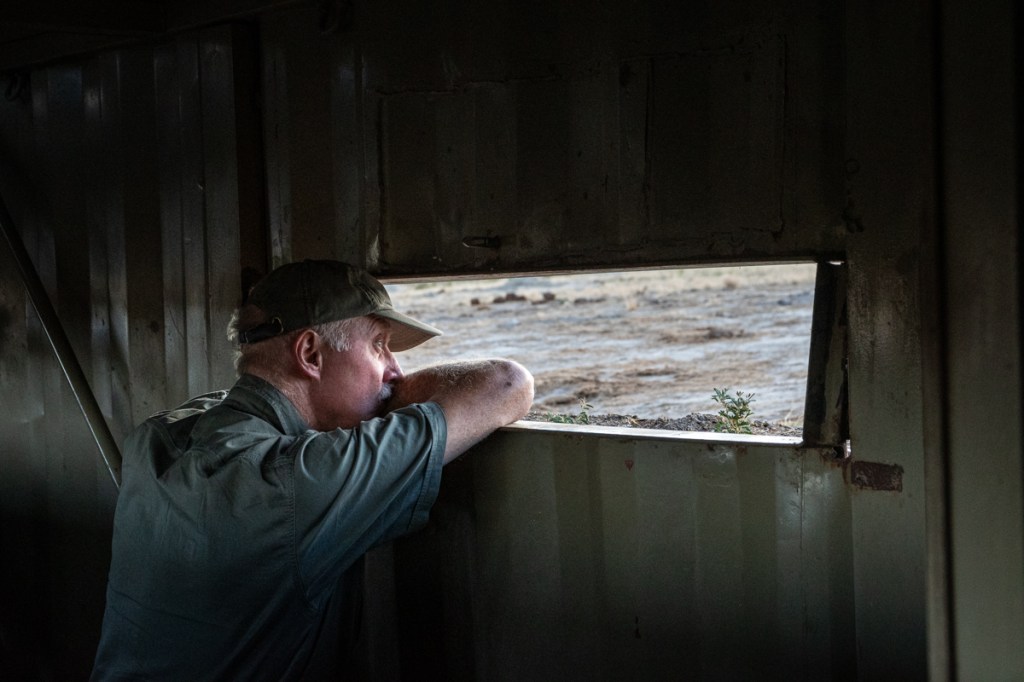
There is no better way to describe Mark than to say he is a true hero of conservation and community projects in Zimbabwe.
He drove us between the different lodges, deep inside Hwange National Park along thick sand tracks.
Those long hours on the road became the best opportunity to understand his vision, Imvelo’s projects, and the philosophy behind his organisation.
That was worth it.
Mark has a profound love for wildlife and communities. He began his career as a ranger in Hwange National Park, confronting elephant and rhino poaching directly in the field. He later became a Provincial Wildlife Officer within the Zimbabwe Forestry Commission, where he started linking wildlife conservation with community development initiatives. Eventually, he founded Imvelo to integrate conservation, tourism, and community impact under one structure.
Everything is designed to combine nature, tourism, and community, with the objective of generating meaningful value for surrounding communities and empowering them to become guardians of their wildlife.
The Context and Reality at the Edge of the Park
To understand the project fully, it is necessary to look at the broader context and the challenges the region is facing.
The area is historically surrounded by impoverished communities and marked by harsh environmental conditions. Unemployment reaches 85 to 90 percent. The soil is infertile, and the long dry season places pressure on both people and wildlife. The park is unfenced, which leads to constant human wildlife conflict. Elephants can destroy crops overnight, while lions, jackals, and hyenas prey on livestock. In these conditions, poaching, often for bushmeat, may become a means of survival.
This part of Hwange was once home to white rhinos but had lost them all by 2002. A successful reintroduction in the late twentieth century had allowed 150 individuals to thrive. However, poaching driven by demand in Asia for rhino horn, valued for its supposed medicinal or status-related properties, led to their disappearance once again. The last rhino bull was killed by poachers in 2002.
Returning the Rhinos to the Hwange Landscape
In this context, Mark envisioned a project in which rhinos would be reintroduced onto communal land in a way that would directly support nearby communities while operating independently.
The journey began with a visit to Malilangwe Reserve, founded by Paul Tudor Jones, a hedge fund investor and wildlife supporter who successfully reintroduced both black and white rhinoceros into Zimbabwean landscapes. In 1998, fifteen white rhinoceros and twenty-eight black rhinoceros were reintroduced. Today, approximately five hundred rhinos are thriving within this carefully managed reserve.
How was this performed?
By providing the right approach, an armed and highly trained anti-poaching unit that patrols every part of the reserve at least once a month, supported by efficient governance and organisation.
This has unfortunately proven to be one of the most reliable ways to ensure rhino safety and limit poaching incidents.
Malilangwe Reserve agreed to give two white rhinoceros to the project. The transportation of the two rhinos was organised and covered 750 kilometres over 17 hours, with regular breaks to check on the rhinos’ conditions. For them, it is a very long and demanding journey, during which they must remain partially sedated in order to stay standing.
The Hurdles Behind the Project
Before the project could officially begin, several conditions had to be met:
- The buy-in from the communities
- Government approval for the rhinoceros to be established on communal land and transported across the country
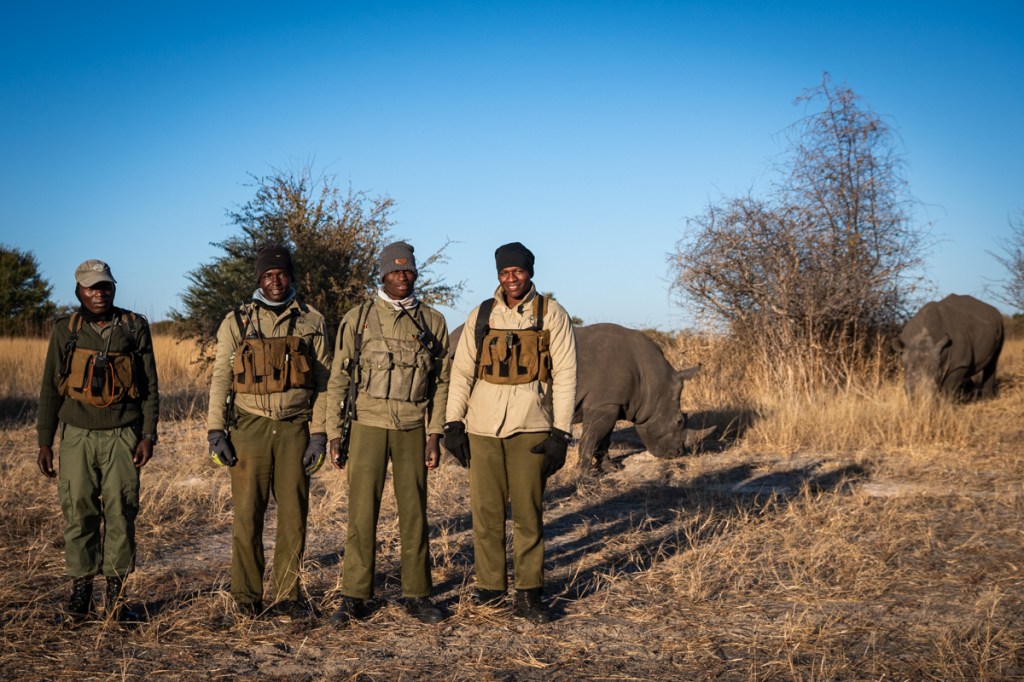
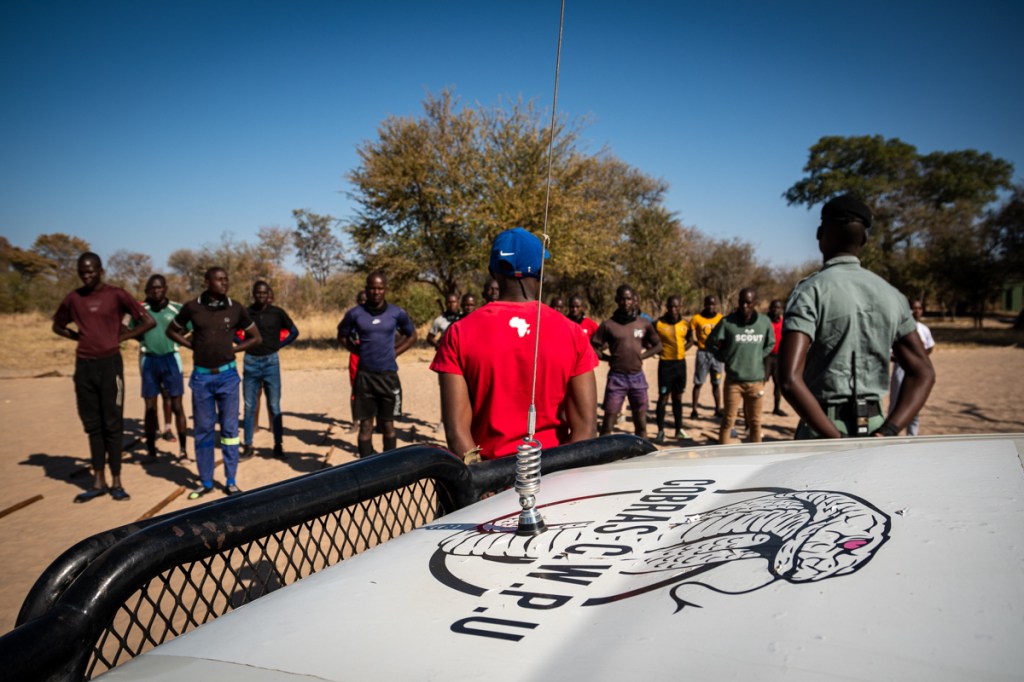
- The training of the specialised anti-poaching team known as the Cobras
- Approval from Malilangwe Reserve
- The construction of the sanctuary and the lodges
Several gatherings and meetings took place with neighbouring communities. The aim was to present the project and secure their support. The proposal involved dedicating communal land to rhino conservation, creating a buffer zone between the community and the park, and generating income for the communities through a conservation fee charged for each visit in exchange for the use of the land. This was not easy.
This process took several years, and eventually all the hurdles were overcome.
Impact on Local Communities
The proof of concept was a success.
Additional communities agreed to extend the land dedicated to wildlife. As a result, two sanctuaries were created, covering a total of 12 square kilometres and hosting four white rhinos guarded around the clock by the Cobras team.
An additional third sanctuary has been built and is waiting for the right conditions to receive more rhino males and females planned for 2026, when road conditions will allow for their transfer.
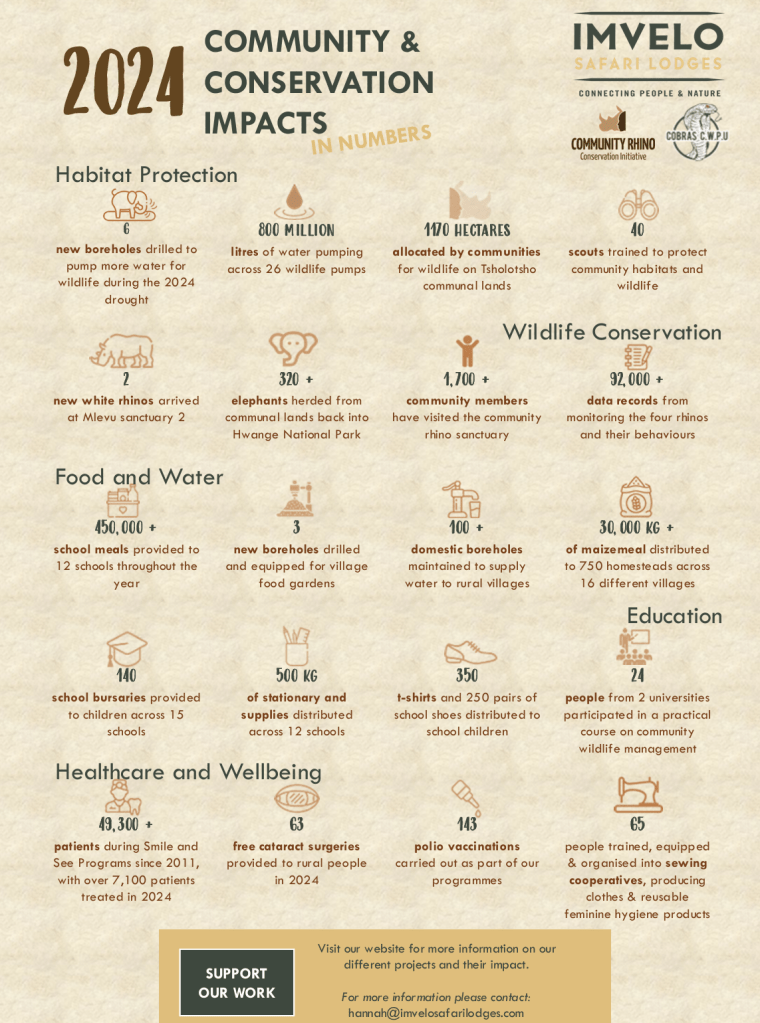
This entire project contributes to addressing the challenges faced in the region through the Community Rhino Conservation Initiative and the Imvelo Trust, which bring together the related community and wildlife programmes.
| Issue | Solution |
|---|---|
| Unemployment rate | – Creation of job opportunities – Employment created by the lodges and the anti-poaching unit, the sanctuary is the biggest employer in this area |
| Health | – Free healthcare via the construction of Ngamo clinic and payment of salary, transport, medication – Smile and See project to deliver free eye and dental care once a year |
| Education | – Awareness workshops and sanctuary visits for community members – School meals for children – Students Scholarship – Stationery packs – Construction of school classrooms and teacher cottages |
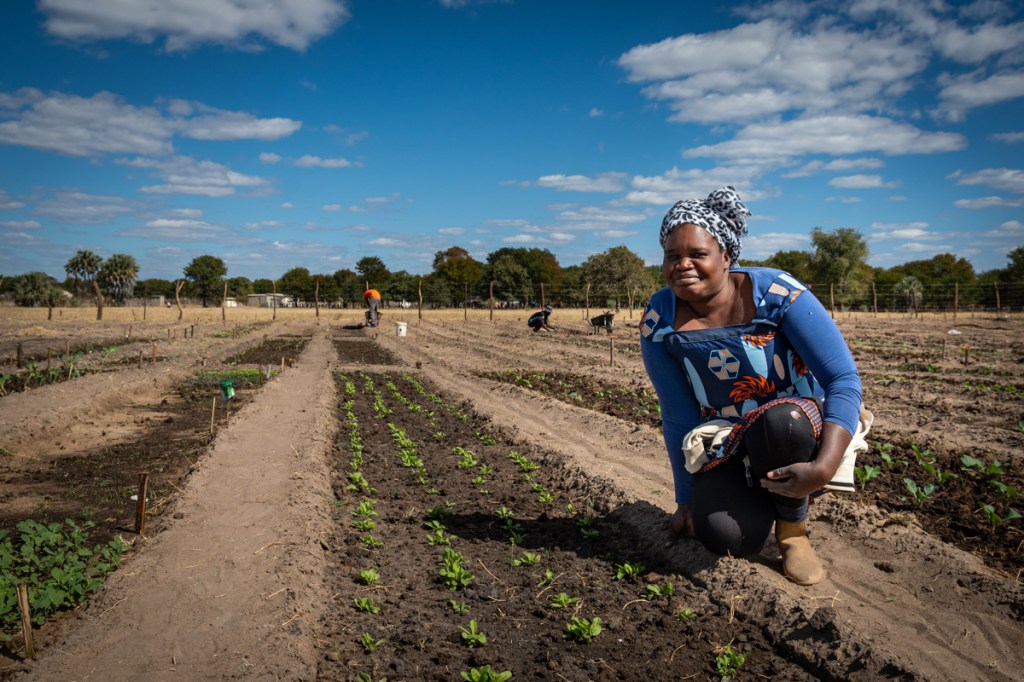
| Food security | – Creation of Community gardens – Boreholes drilled in different area – School meals for children |
| Human-wildlife conflict | – Buffer zone created by the sanctuary between Hwange National Park and the communities to prevent elephant and predators’ raid – Creation of job opportunities decreasing the need for bush meat – Prevention via the cobras team presence and patrol – Prevention via tourist presence in the national park, deterring poachers – Creation of firebreaks to preserve the park and the sanctuary |
| Extinction of white rhinoceros species in the Hwange National Park | – Introduction of white rhinoceros in the rhino sanctuary on communal land |
| Wildlife conservation | – Installation and maintenance of solar pumps and pans in the National Park – Rhino sanctuary guarded by cobra team – Introduction of a canine unit to fight against poaching – Creation of awareness workshops with local communities – Former poachers have been hired as cobras |
| Gender inequality | – Creation of sewing workshops and delivery of materials to empower local women – Women selling handmade artefacts to tourists at the local market increasing source of revenue – Incorporation of cheetahs, female rangers in the sanctuary anti-poaching team |
Beyond the First Two Sanctuaries
This project is meant to scale up in the area with the creation of additional sanctuaries, establishing a proper buffer zone between the park and the communities, as well as the introduction of additional male and female rhinoceros.
The vision also includes training additional ranger teams and eventually introducing black rhinoceros, which would require a different operational approach to ensure their safety, as black rhinoceros have a very different temperament and are not compatible with close security.
The dream is to extend this concept to other national parks and impoverished areas, inspiring other lodges and contributing to the survival of the rhino species while at the same time improving the lives of local communities.
It is one of those rare projects that truly combines wildlife conservation with human empowerment. Communities are empowered in a way that allows them to benefit independently and directly from wildlife, especially the rhinos, and they now have a clear reason to protect them.
Living the Project
Volunteering there gave me the chance to witness this powerful dynamic firsthand.
I had two distinct experiences during my time there:
- the first week with my family,
- the remaining two weeks on my own.
It was a truly authentic experience.
A Week with Family
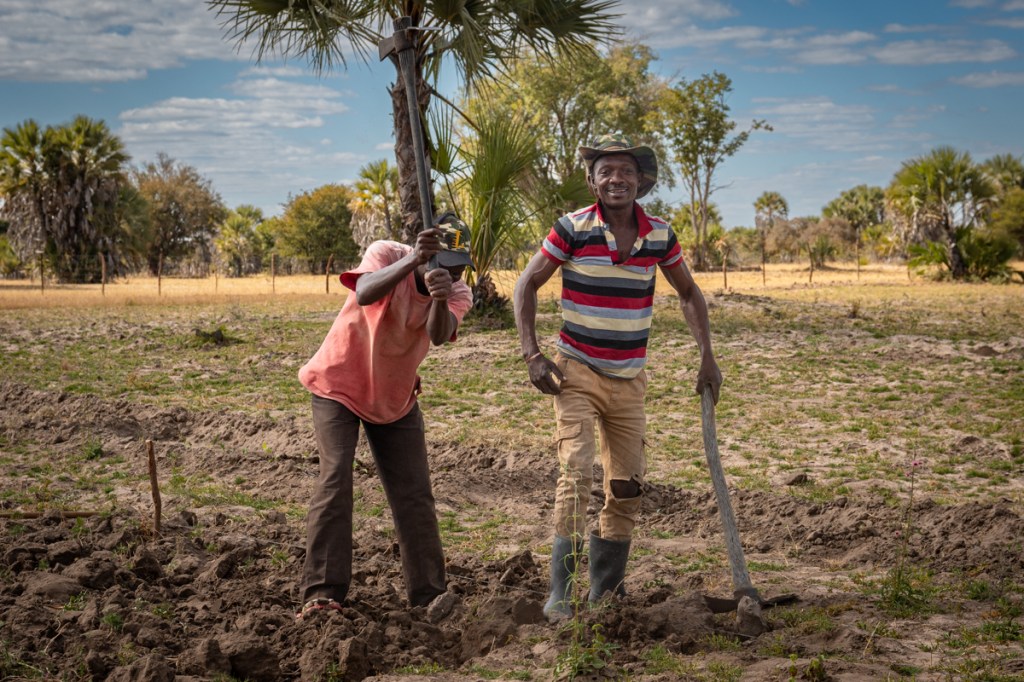
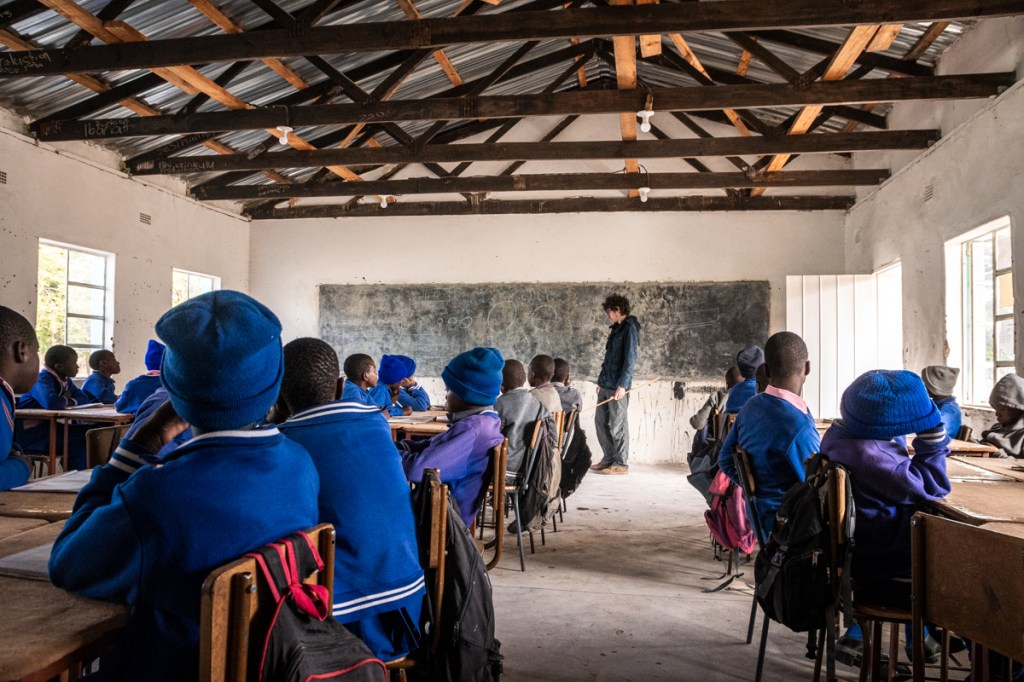
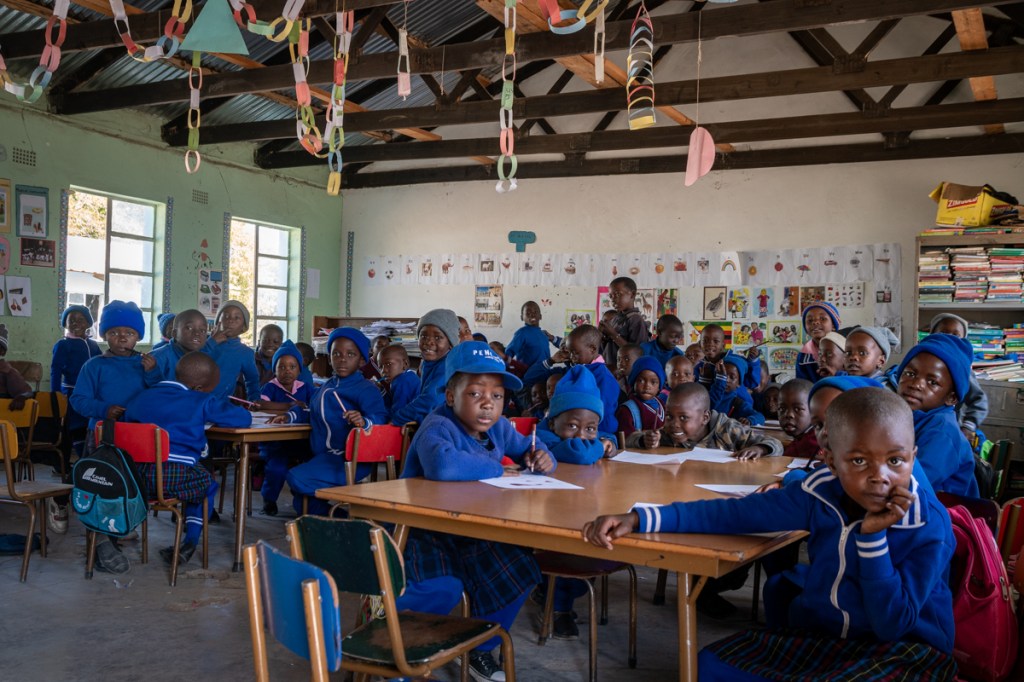
My family week was a perfect mix of discovery and engagement. We spent half days on game drives and nature walks, learning about the remarkable ecosystem and its wildlife. It is no exaggeration to say that the nature there is breathtaking. The rest of our time was dedicated to understanding the initiative’s impact by visiting nearby facilities and speaking with community members. We saw tangible results of the programme at local clinics, schools, food gardens, and boreholes.
We also contributed directly through several hands-on projects:
- Fireguards: We helped create fireguards in communal areas to prevent wildfires from spreading into the rhino sanctuary during the dry season. With very limited tools, just blowers, shovels, and sand, it became a fascinating lesson in controlled burning. I learned that it takes only one flaming leaf to ignite a wider fire. As a team, we worked slowly and carefully to keep everything under control. It was a powerful lesson in teamwork.
- School activities: We organised talks at local primary schools.
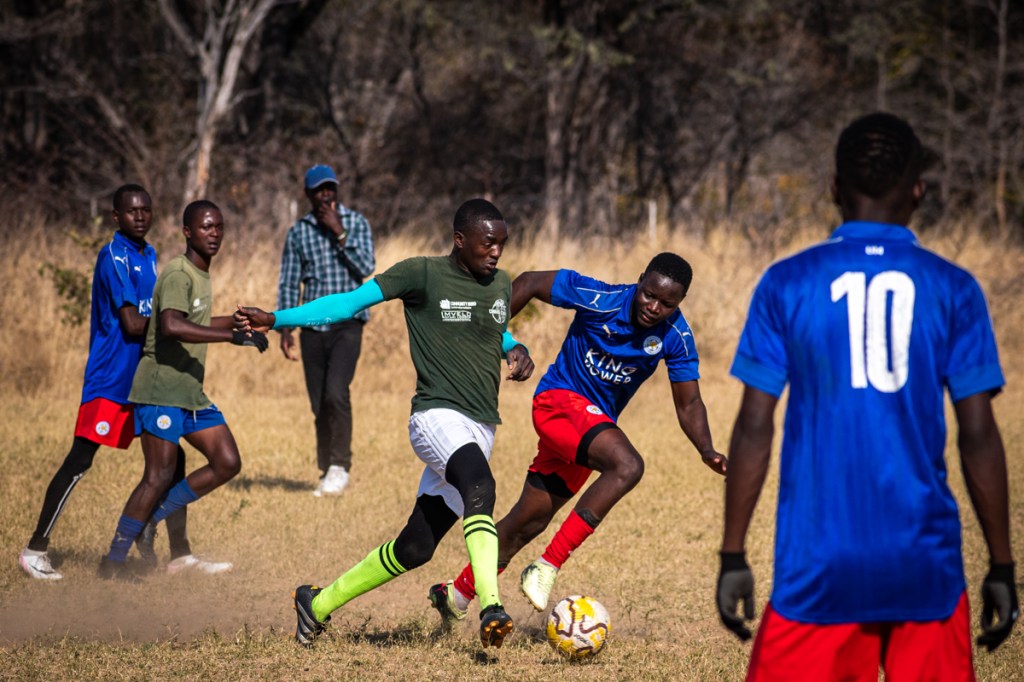
- Sports activities: We held training sessions at the local sports academy. It was rewarding to introduce new games such as cricket and Frisbee, and to play football together.
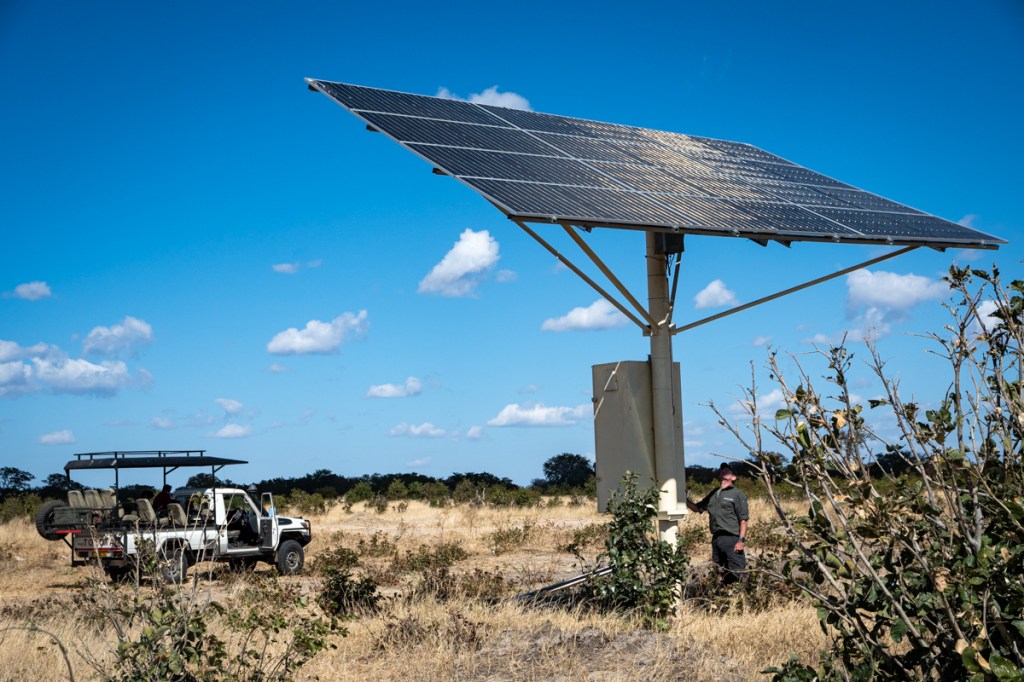
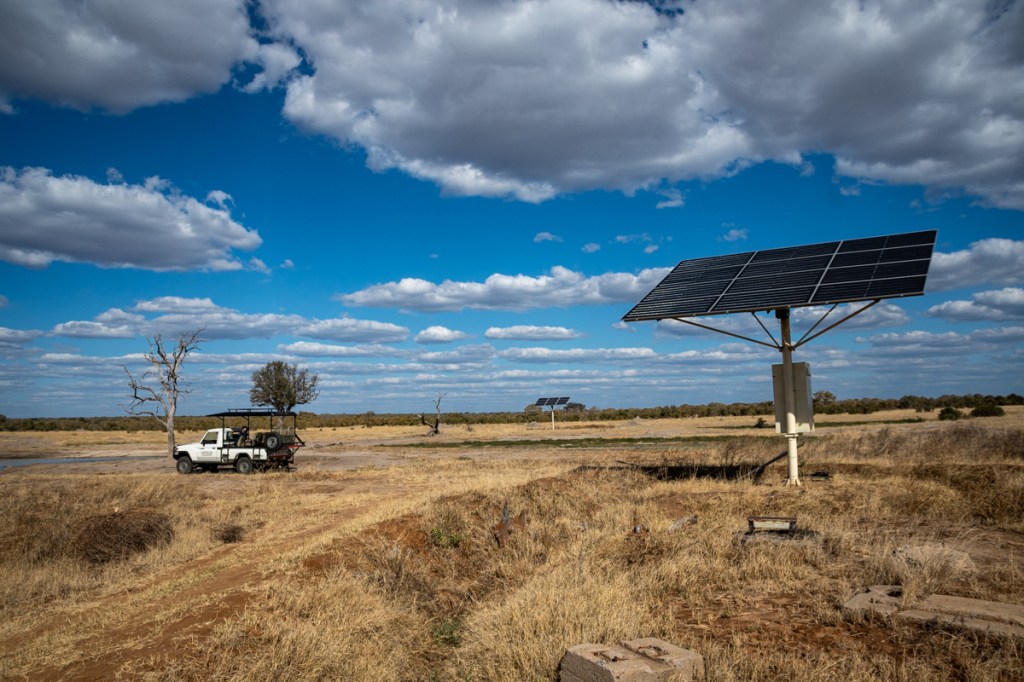
- Water pump checks: We inspected the park’s wildlife water pumps and discovered that two required quick maintenance. One had a cable chewed by a hyena, and another had a pipe dug up by elephants.
Two Weeks on My Own
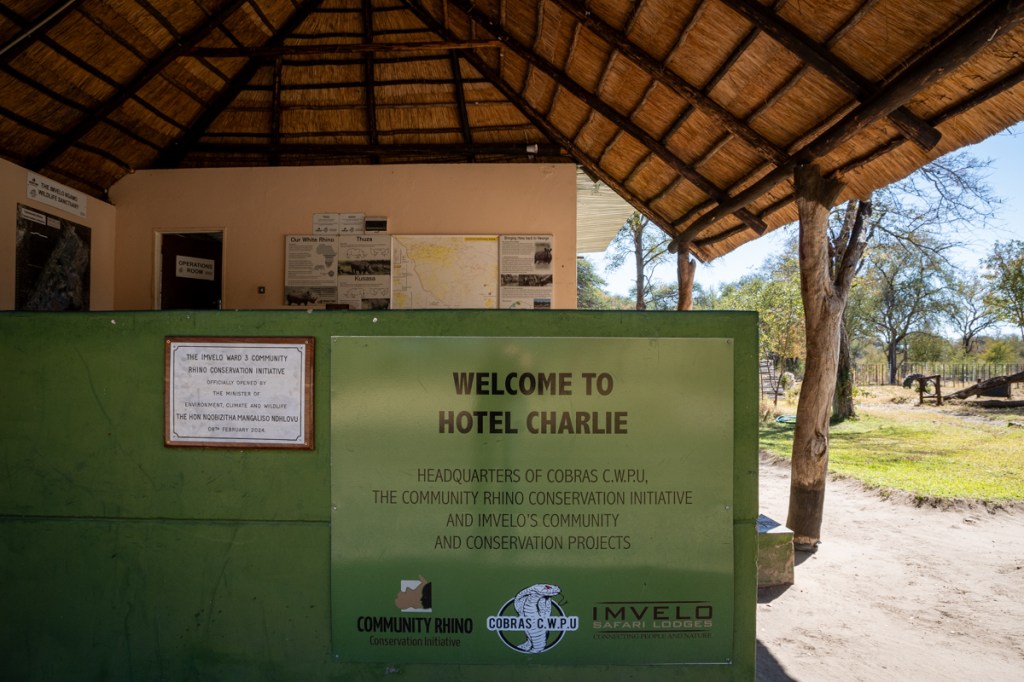
For two weeks, I was on my own and based at Hotel Charlie, the visitor centre in the rhino sanctuary.
Due to the nature of my trip, I was able to create my own experience based on my interests, skills, the time of year, and the length of my stay. The golden rule was to remain open minded and flexible, as resources are limited and precious.
I moved around with minimal impact, either by walking within the sanctuary or joining a game viewer heading in that direction.
I was able to use my skills in photography, social media content writing, and fundraising.
I also delivered presentations about the rhino initiative to visiting guests and took photographs of their unique rhino encounters. My goal was to capture meaningful moments that would inspire them to contribute to the project.
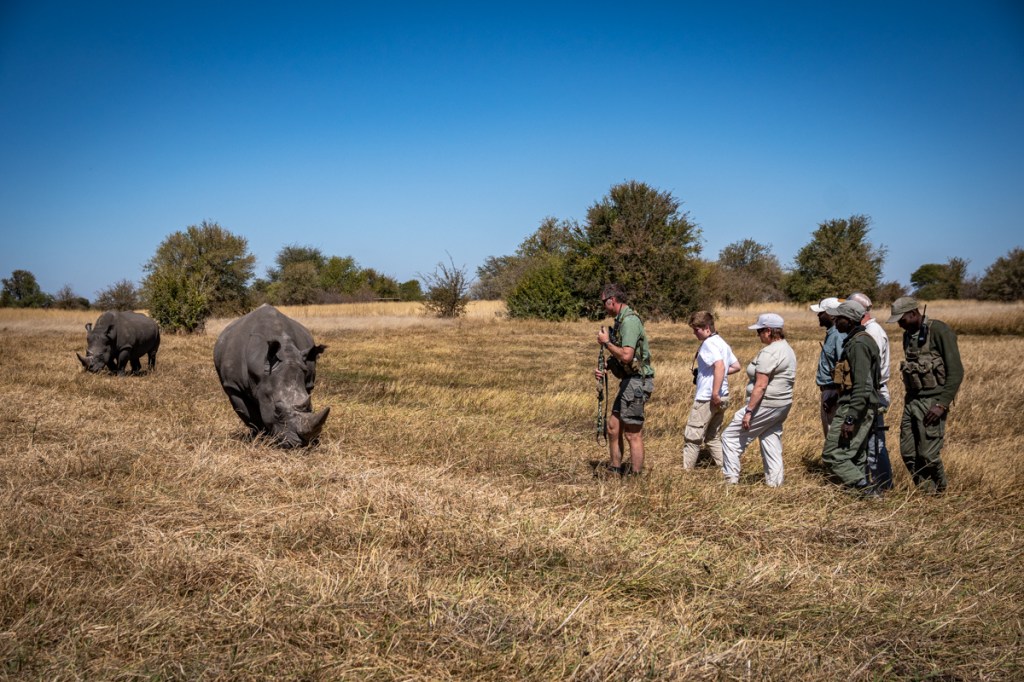
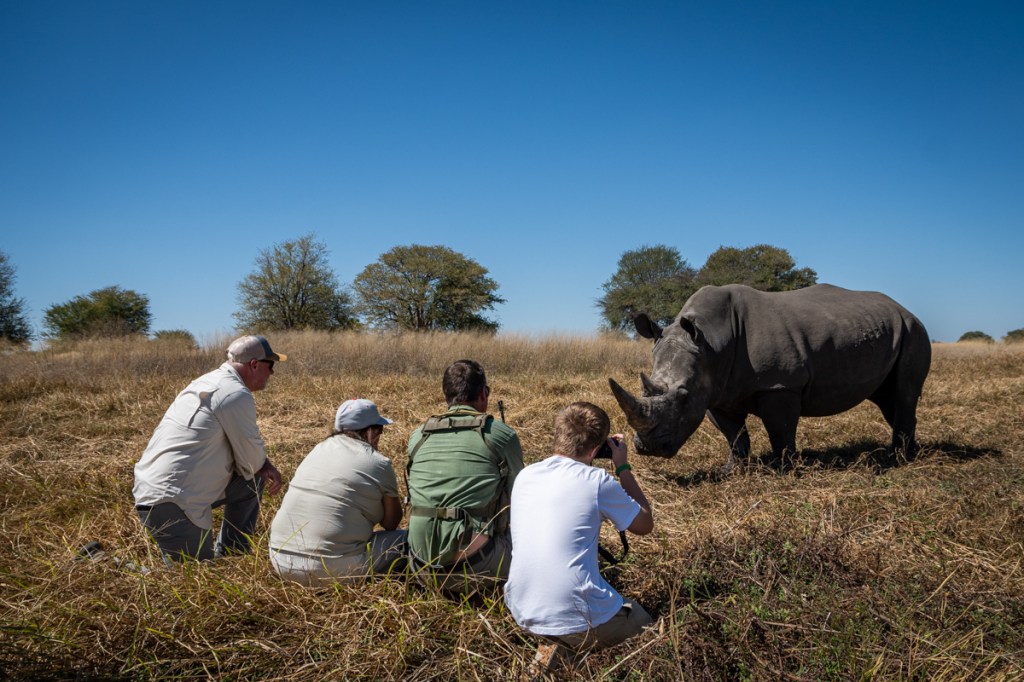
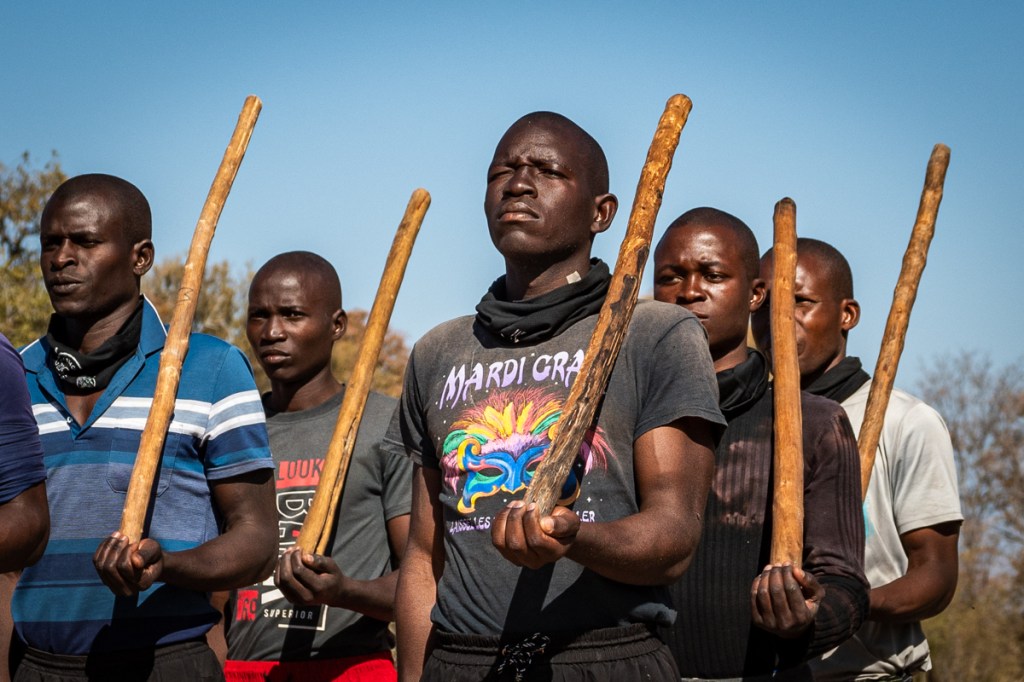
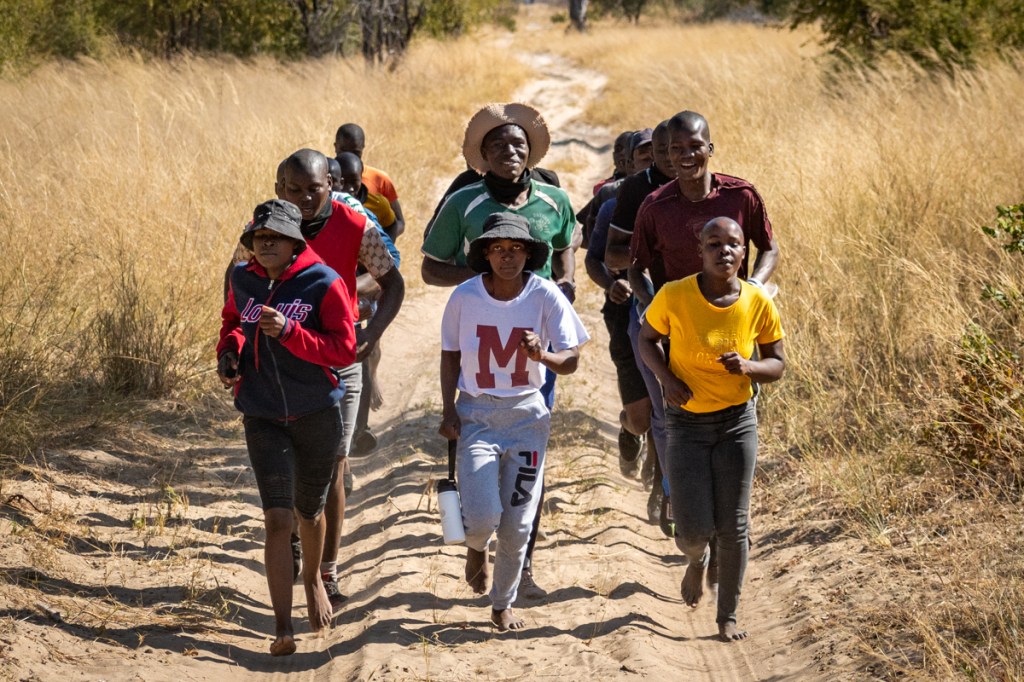
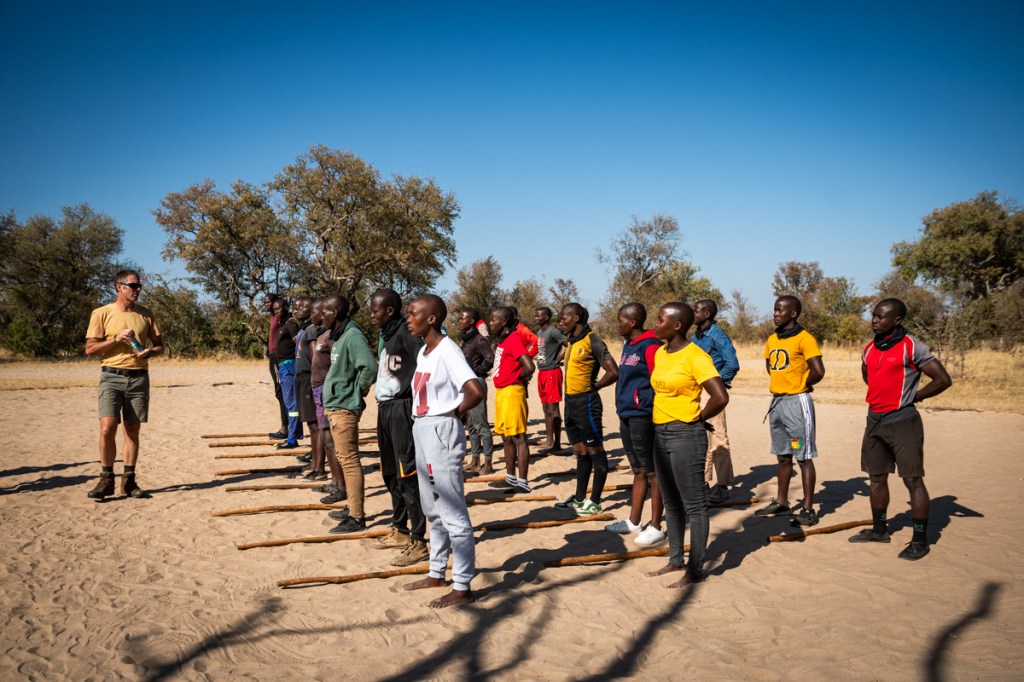
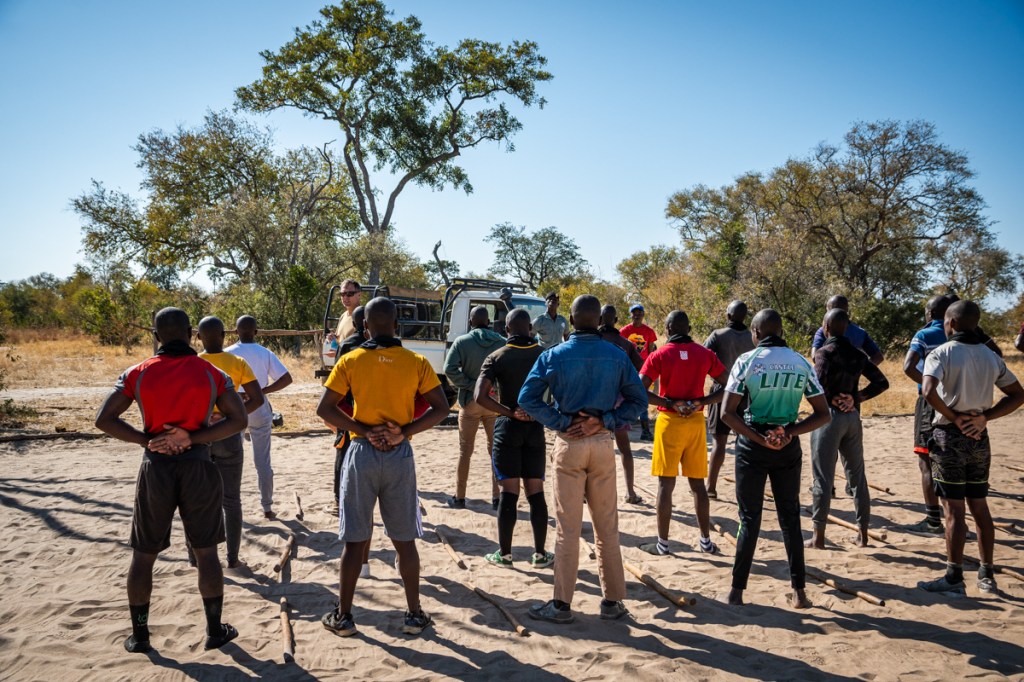
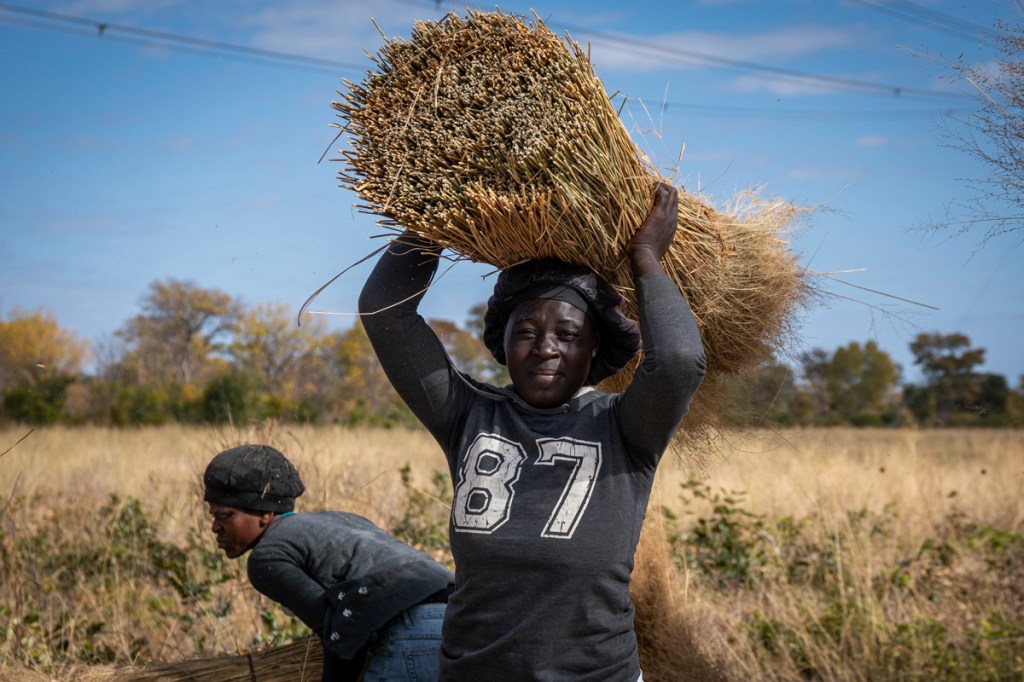
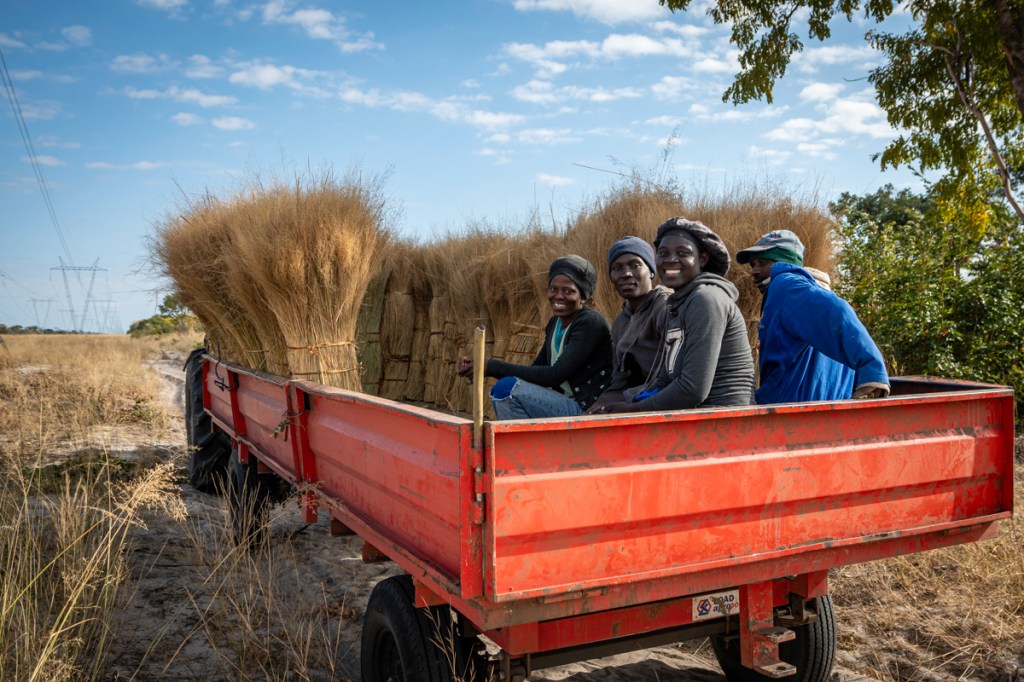
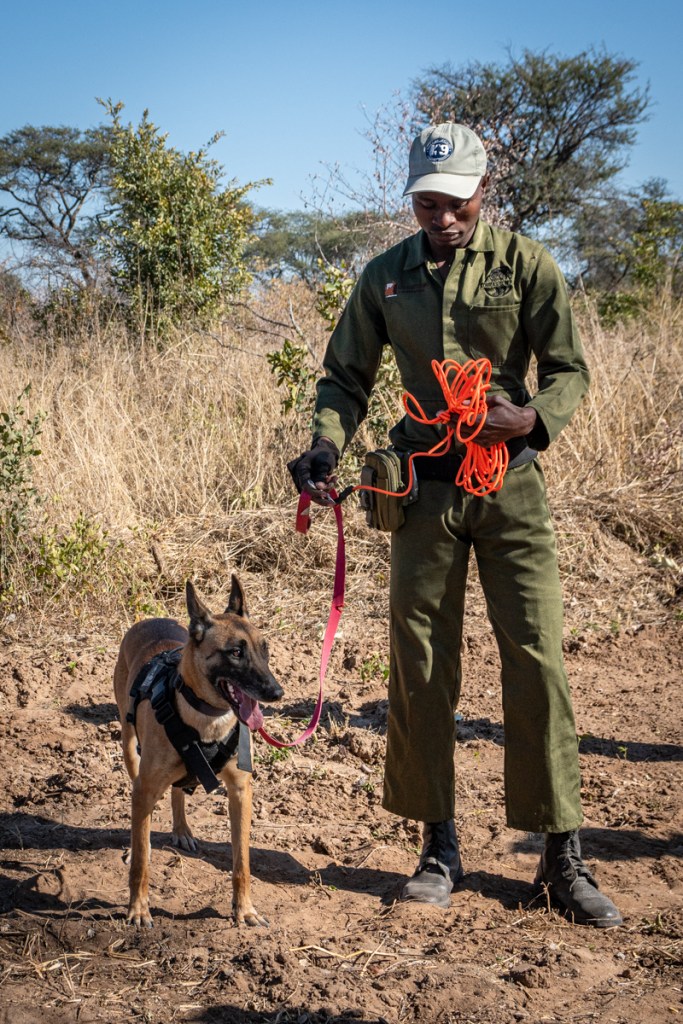
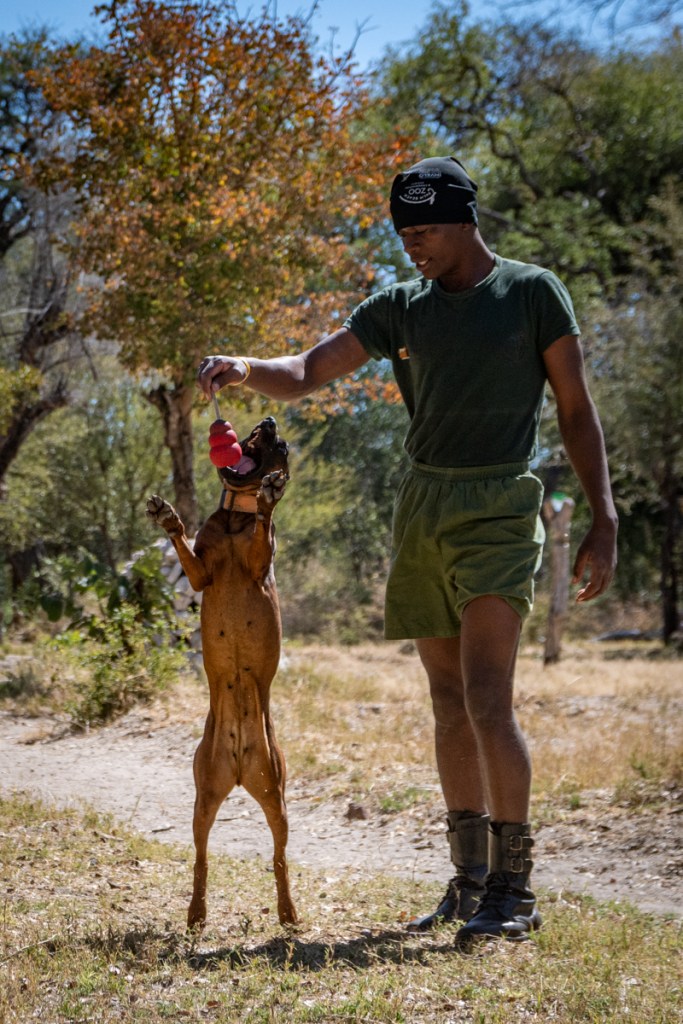
While working alongside the Cobras, the anti-poaching unit, I witnessed several remarkable activities:
- The training of new recruits.
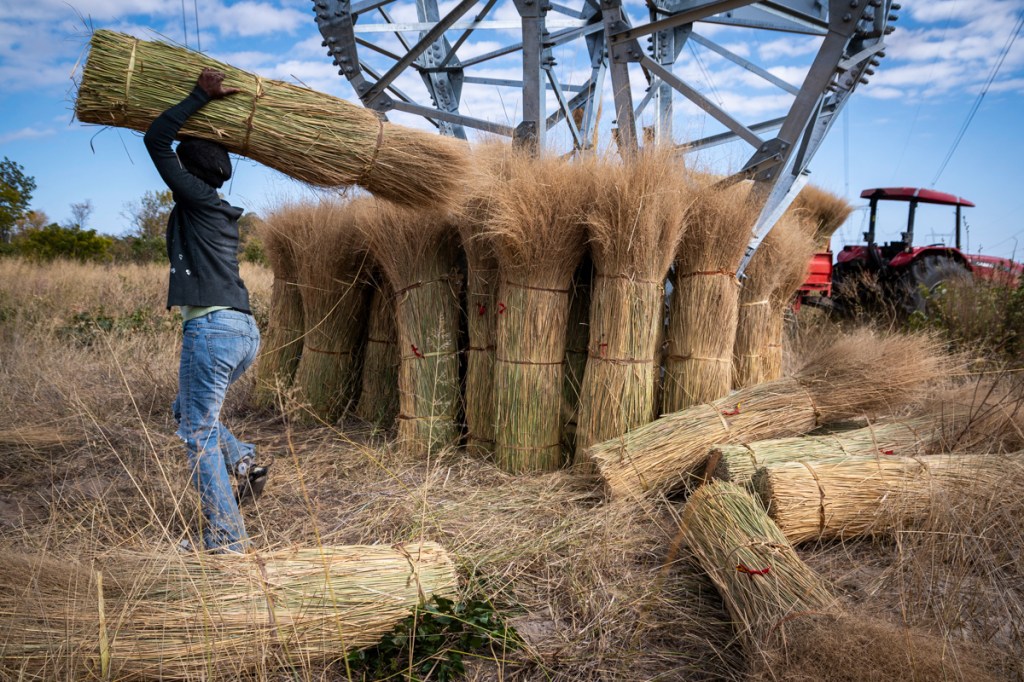
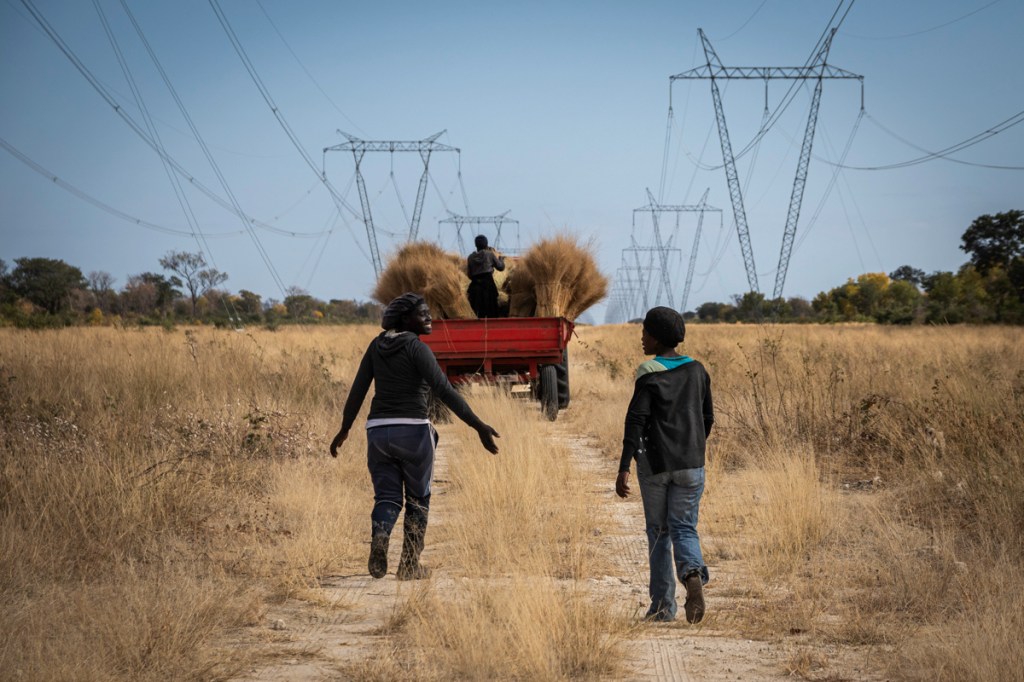
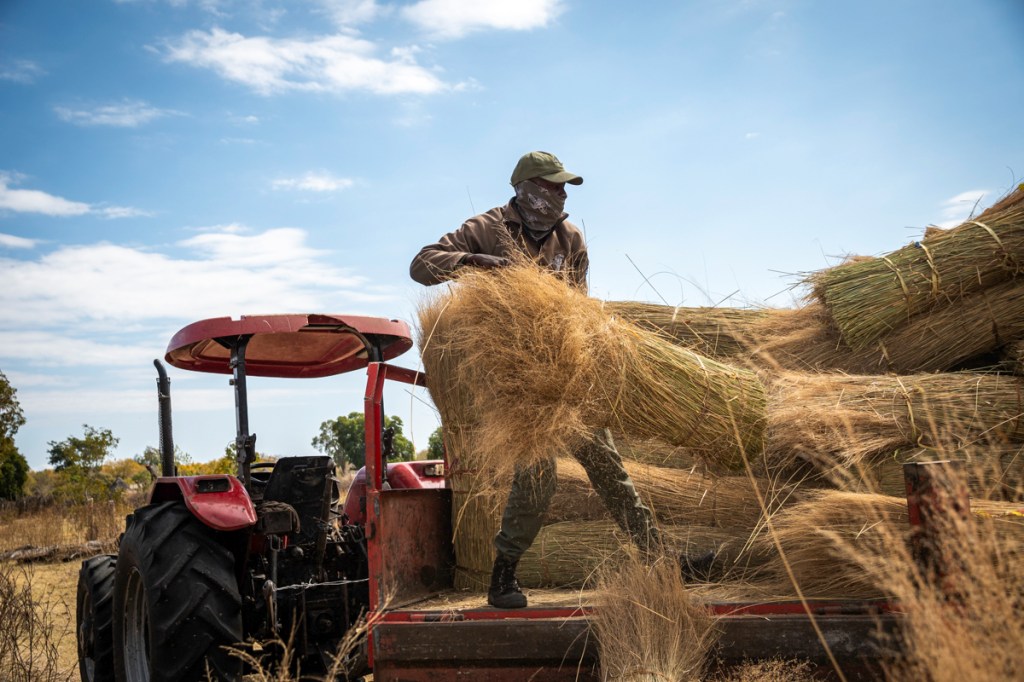
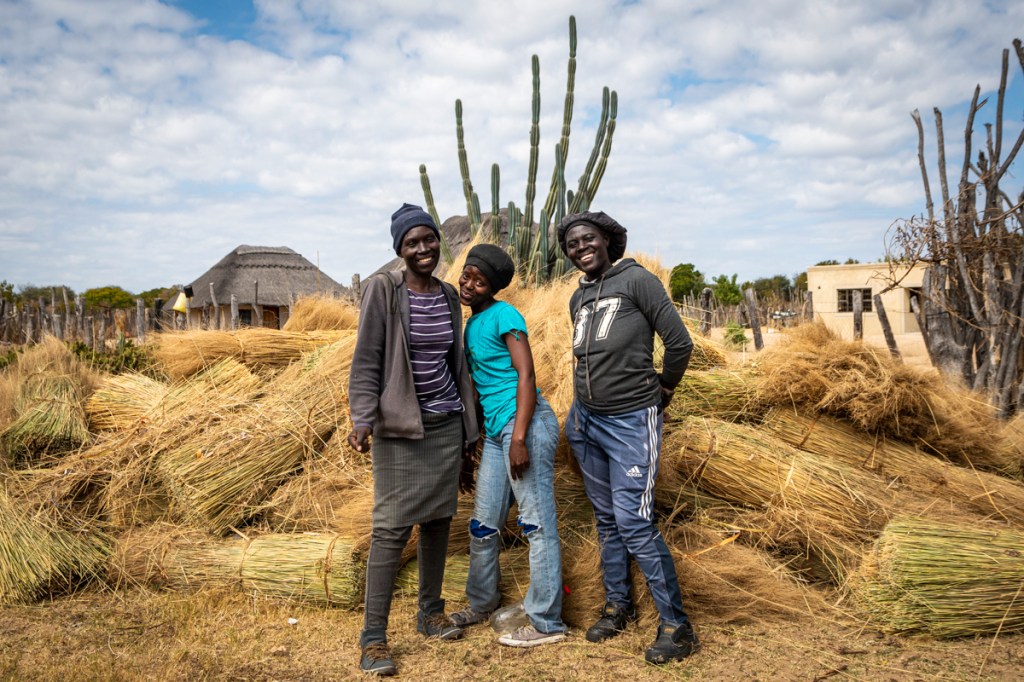
- The support they provided to the community, including helping families collect thatching grass for their roofs.
- The preparation of the trough for a new sanctuary under construction.
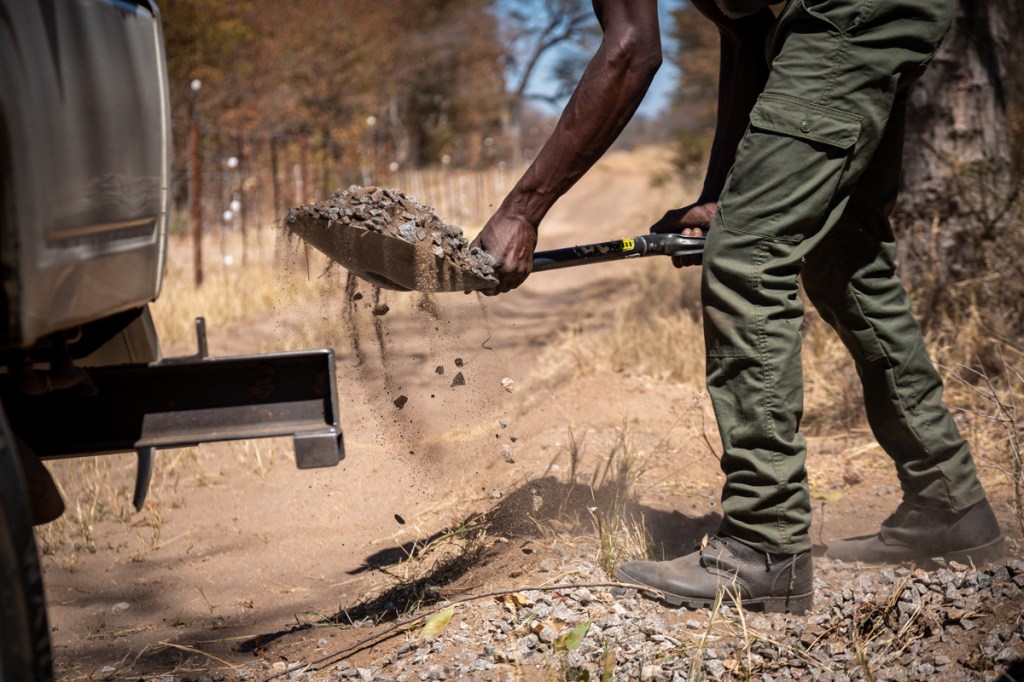
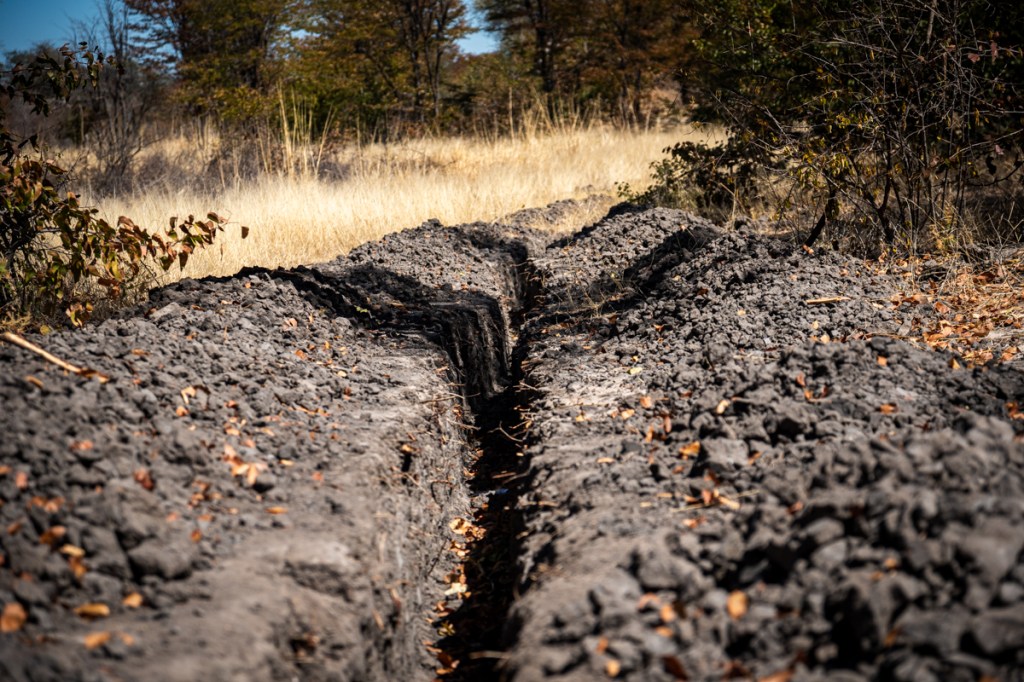
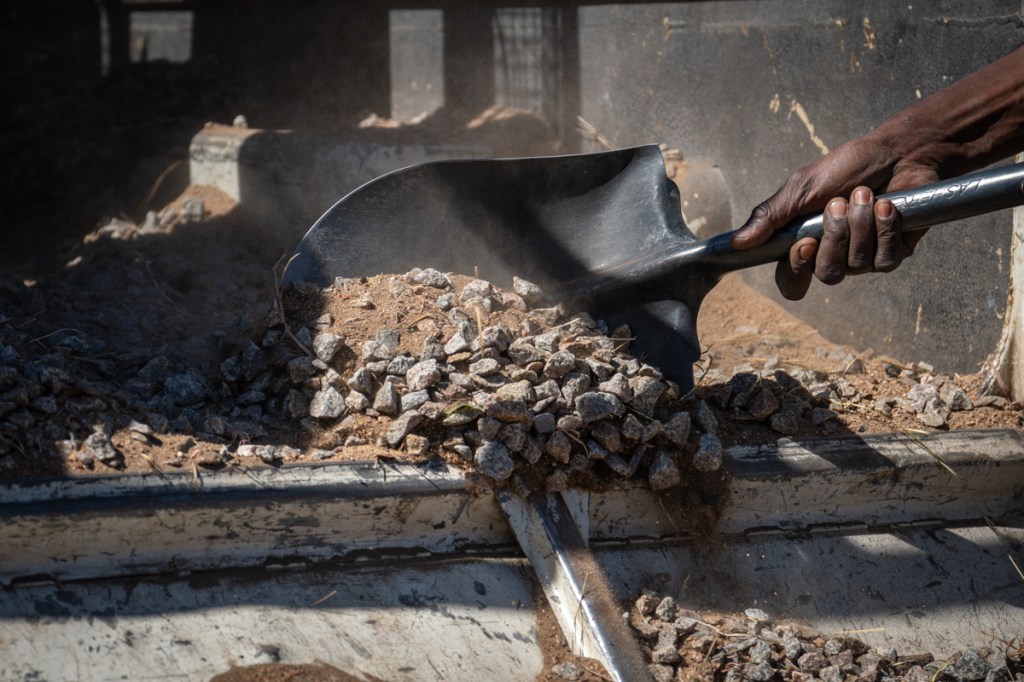
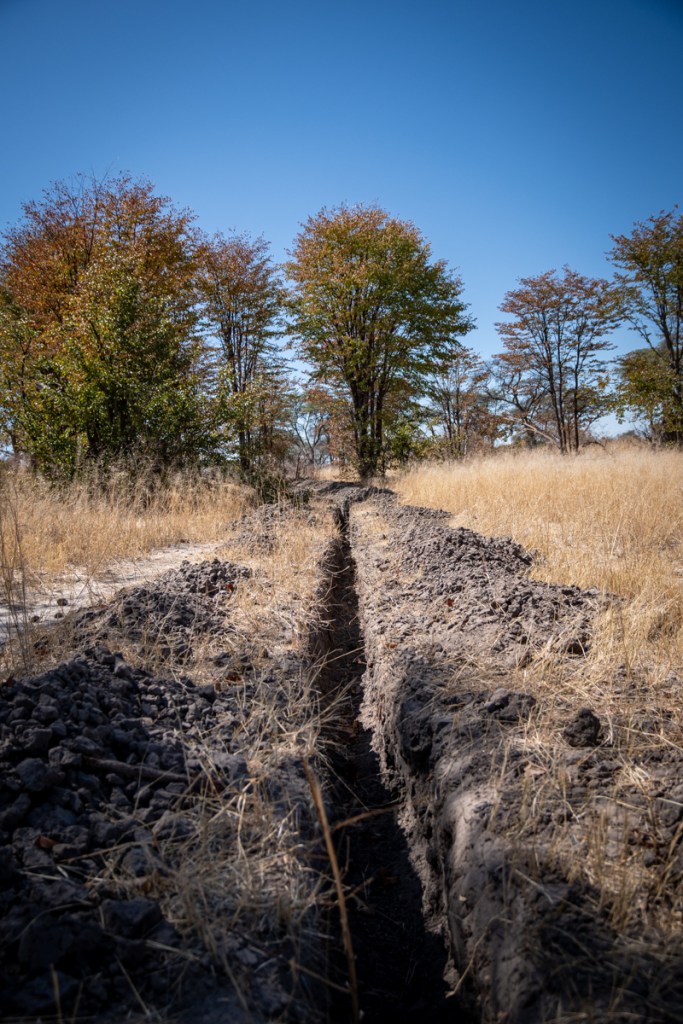
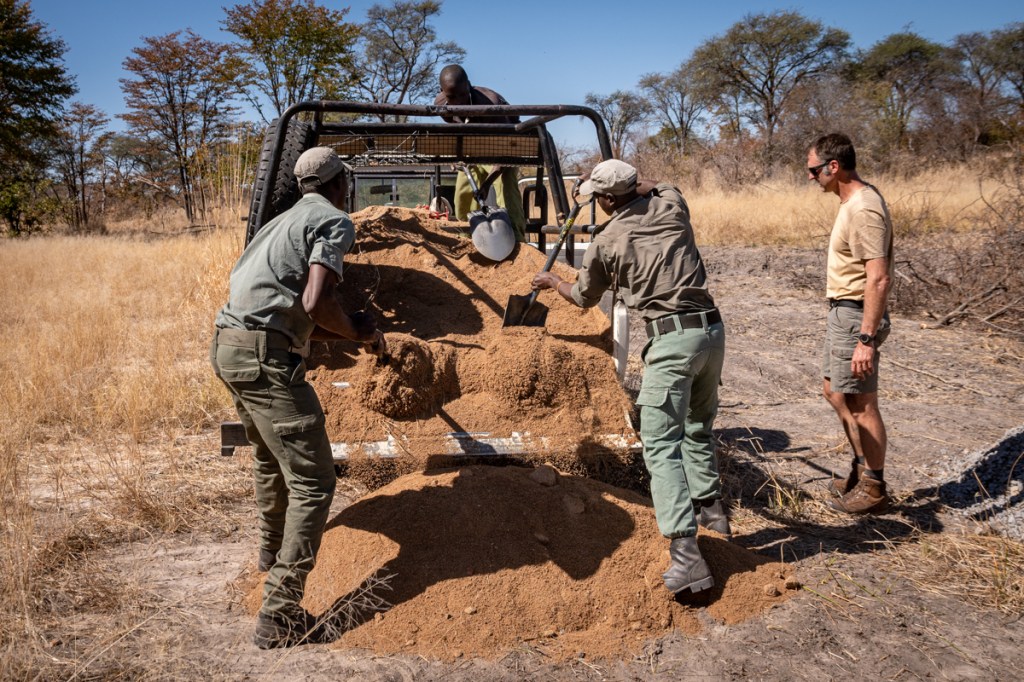
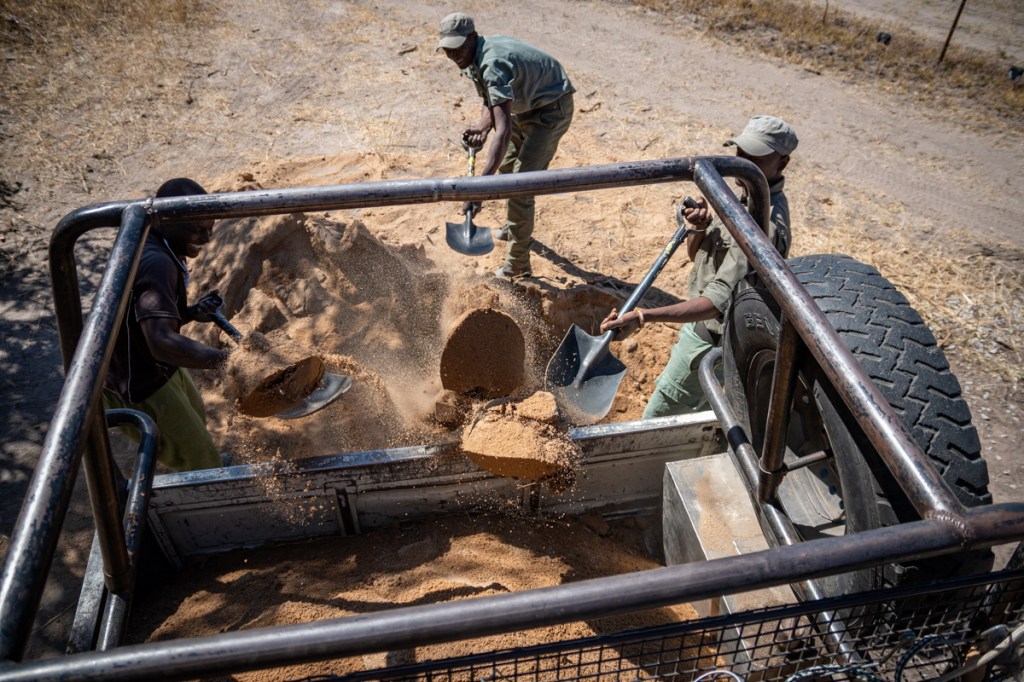
- The training of the K9 unit.
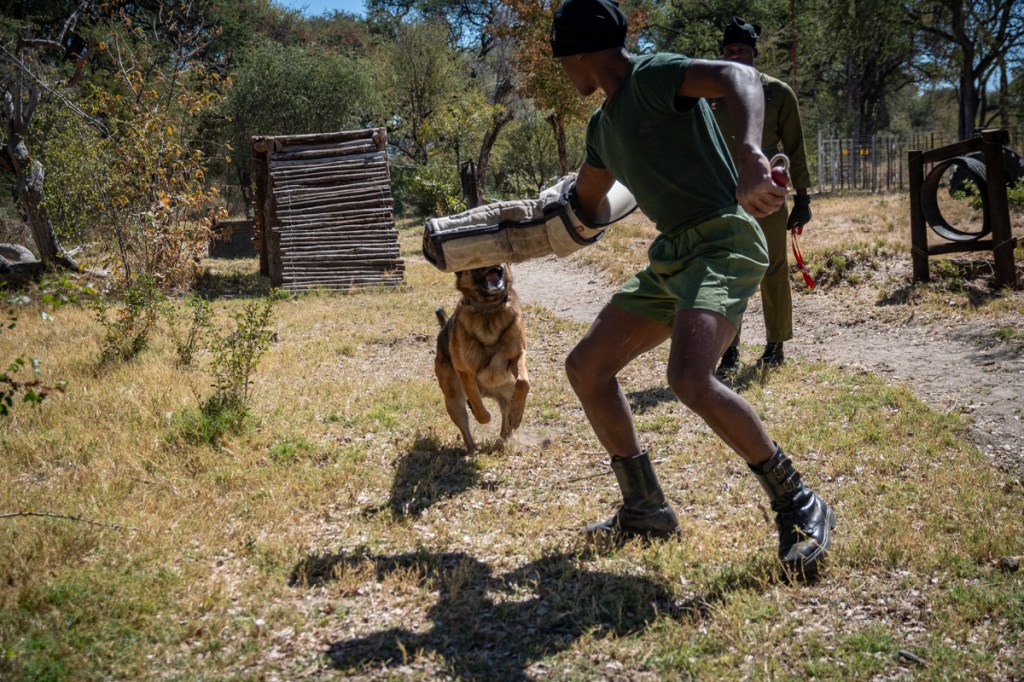
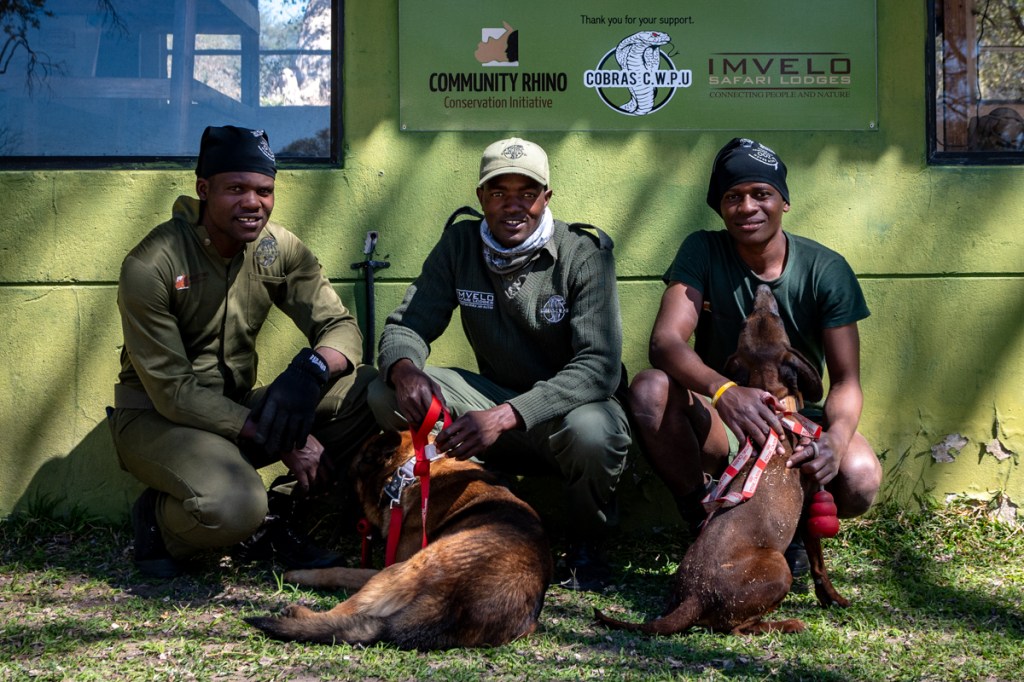
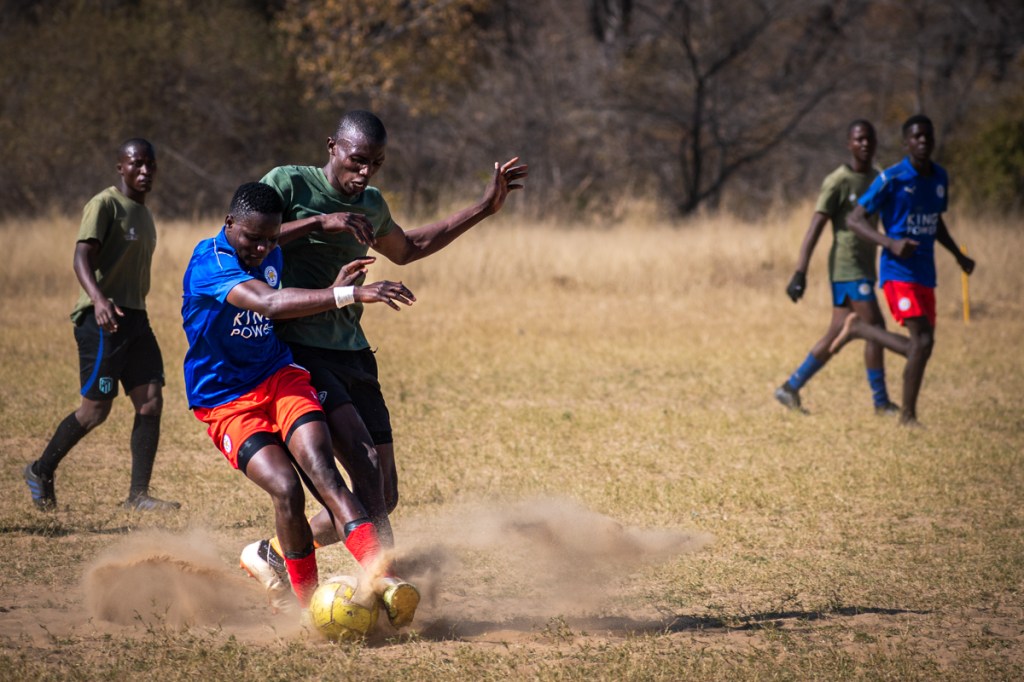
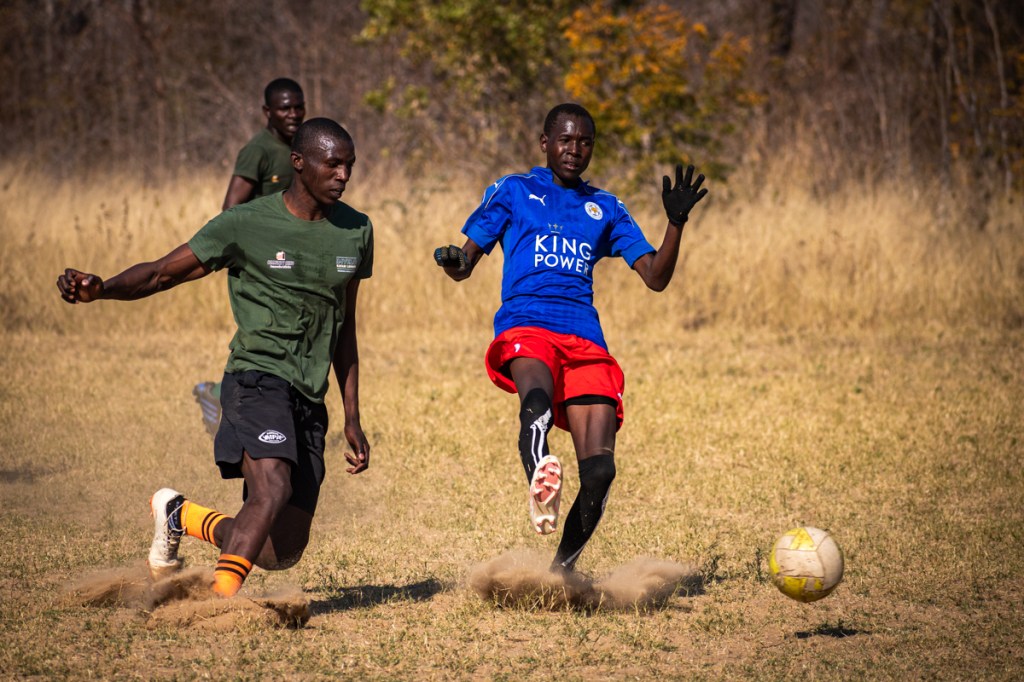
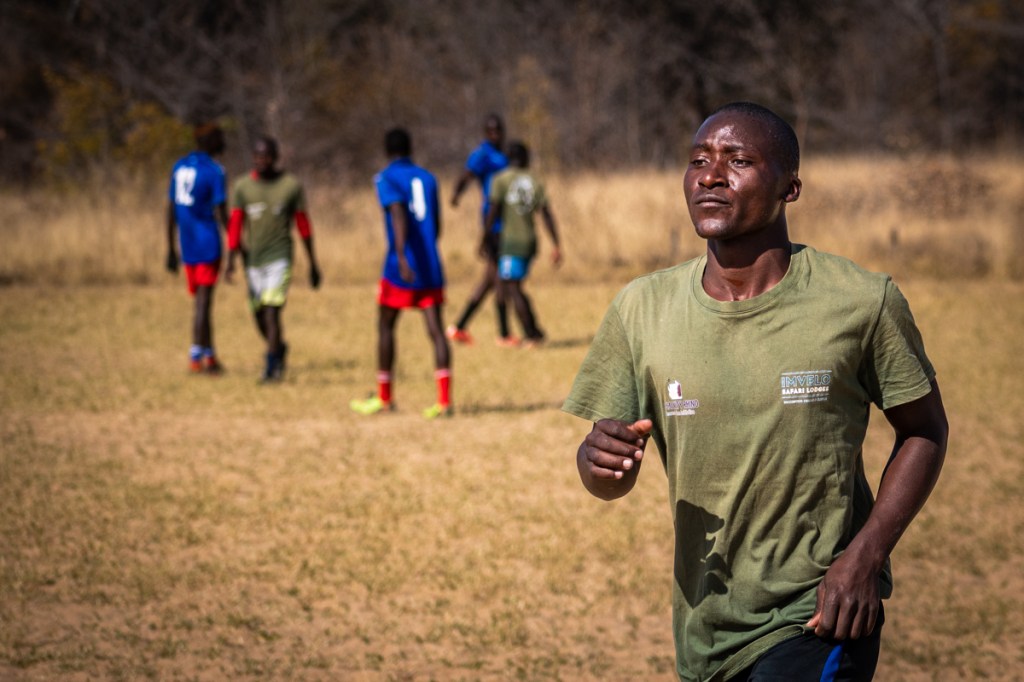
- A local football tournament.
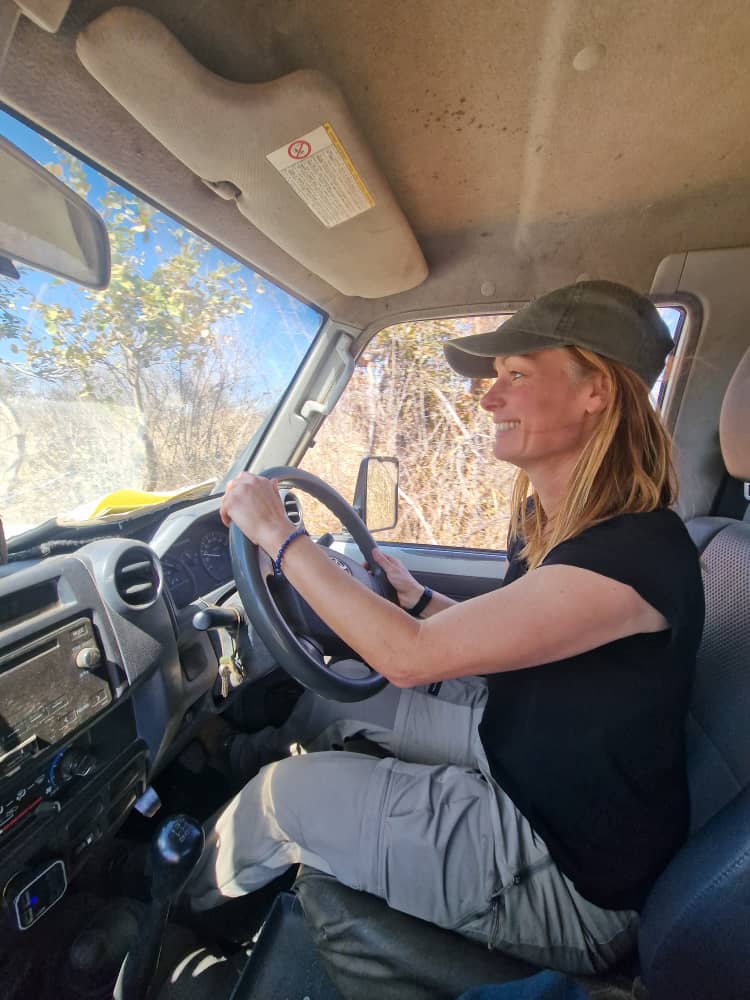
And, as an additional highlight, I practiced how to drive in thick sand.
My Direct Contributions
One of the most powerful parts of my time there was creating a fundraising programme that involved interviewing several members of the Cobras. Through these conversations, I learned about their lives and what it truly means to be part of this unit. Some were former poachers, and their stories were incredibly powerful.
I am sharing one of the most striking stories I encountered. It shows how some former poachers are now contributing to wildlife conservation instead of hunting, while earning a stable and dignified income.
Q. has one of the most powerful stories in the Cobra team. He comes from Ziga, a nearby village, and was raised by his grandparents along with his two younger sisters. When his grandfather passed away, Q., still young, took on the heavy responsibility of caring for his family.
He tried to grow food in their small garden, but when elephants destroyed his crops, he felt he had no choice but to poach to survive. He was arrested twice and even served time in jail, already a father at the time. That chapter taught him hard but valuable lessons: how to treat people with respect, manage emotions, stay calm under pressure, and use communication to solve conflict.
In one of his last poaching incidents, Q. was injured and gored by a buffalo. He was rescued by Imvelo’s guide team and taken to the clinic, a turning point in his life. After that, he made the courageous decision to change his path. He joined the Cobra training in 2019 and became one of the first official Cobras in 2020. He dedicated himself to patrolling and building work, steadily rising through the ranks. Today, he is a Senior Black Belt Cobra, managing his teammates and taking on leadership responsibilities.
At home, Q. is a proud father of five children with his wife N.
Q. lives at his grandmother’s homestead and takes care of her. He hopes to build his own home in the same village, to offer security for his children, and expand as a farmer.
His passion is running and physical fitness, which he expresses daily as part of the Cobra team, a living symbol of transformation and second chances.
I also contributed to the Adopt a Rhino programme and created a leaflet for guests, see below. I believe it is important for guests to receive a well-designed leaflet when they choose to adopt a rhino and support the initiative.
Final Thoughts on My Voluntourism Experience
All in all, I had the opportunity to use my skills in a friendly and welcoming environment, learn more about rhinos each day, and contribute to a cause I truly believe in. I enjoyed every single moment.
I was grateful to get to know the Cobra team, spend time alongside them, use my camera in a photojournalistic approach, live these remarkable experiences, and discover so much in such a short period.
I cannot wait to return, and I hope this encourages you to consider your own journey to Zimbabwe, and especially to this unique place.
My Safari Experience
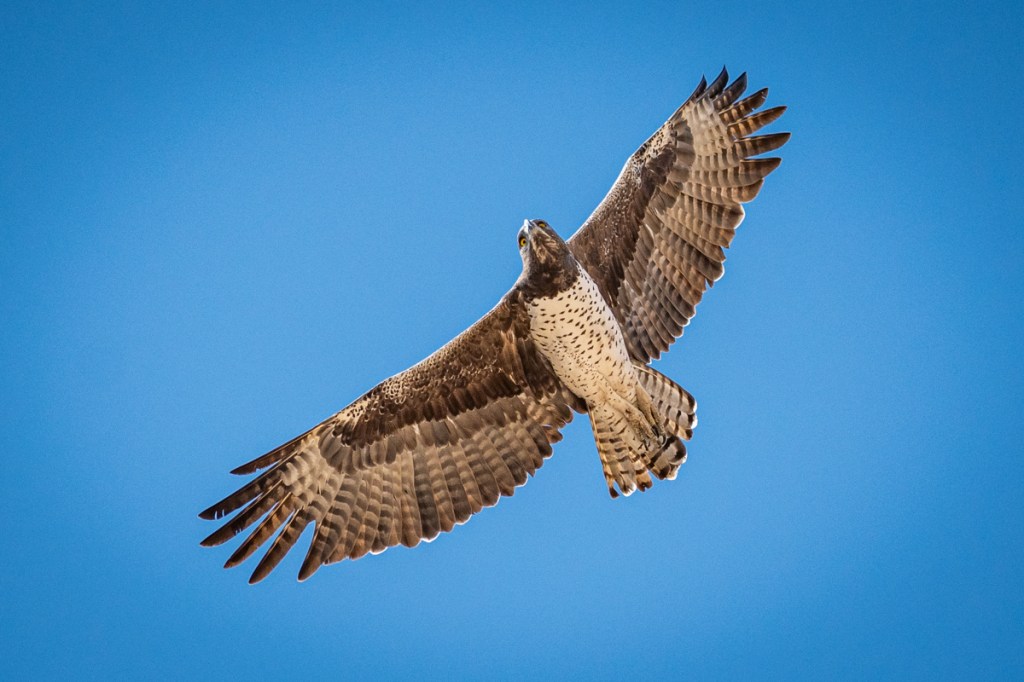
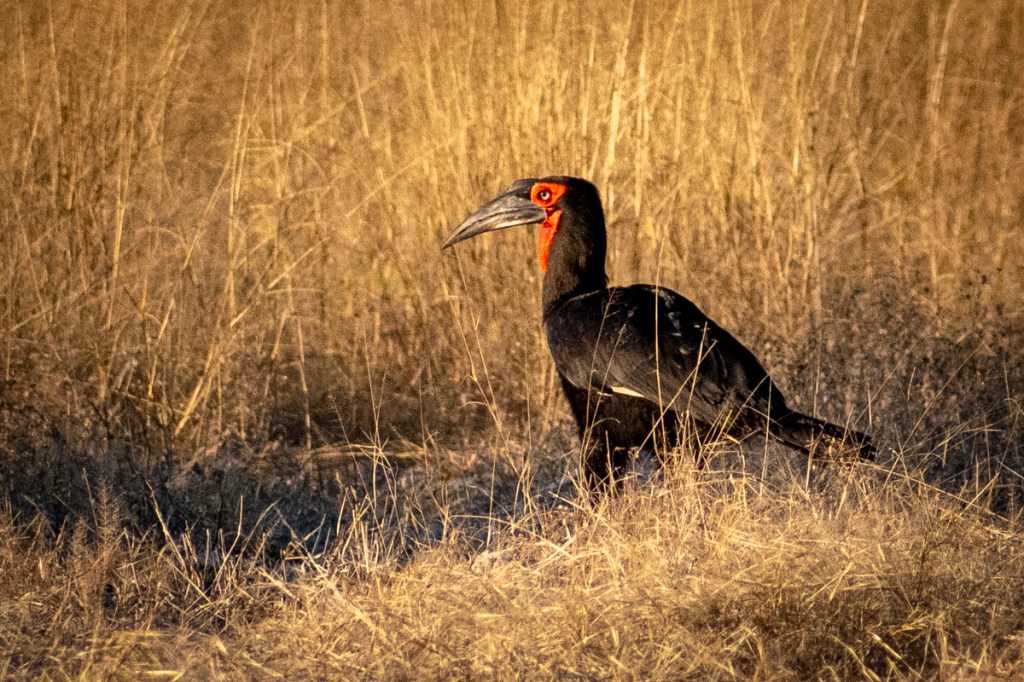
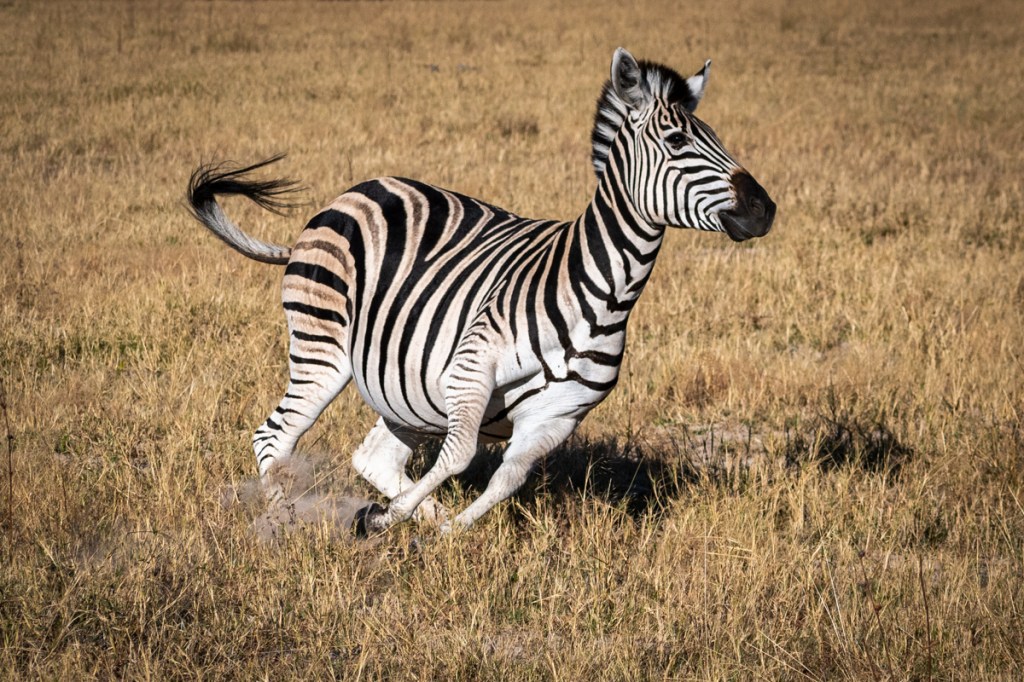
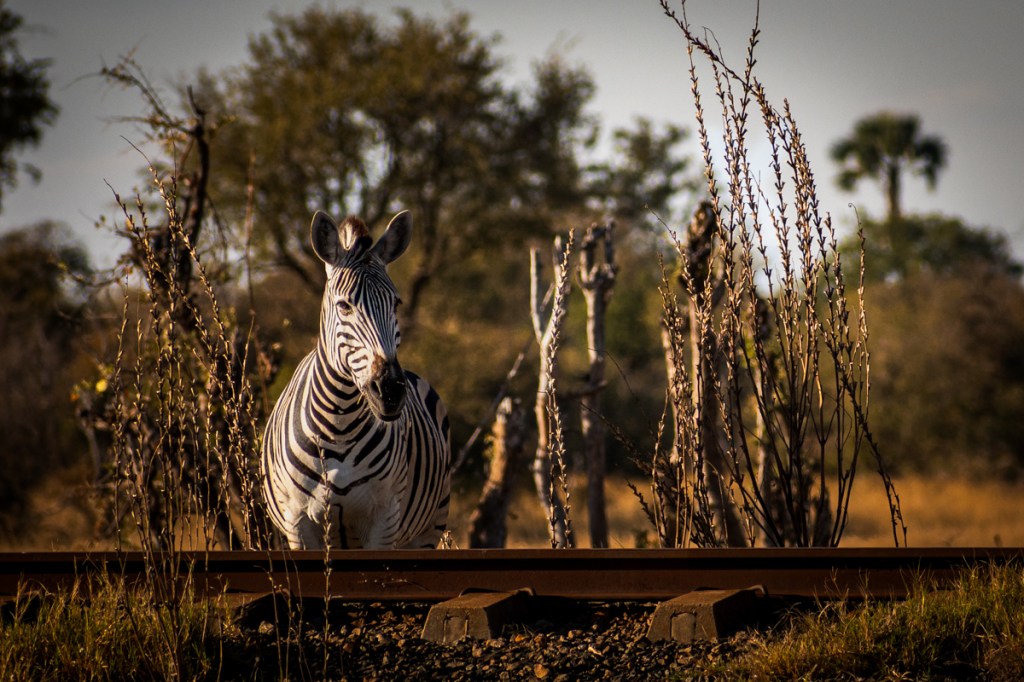
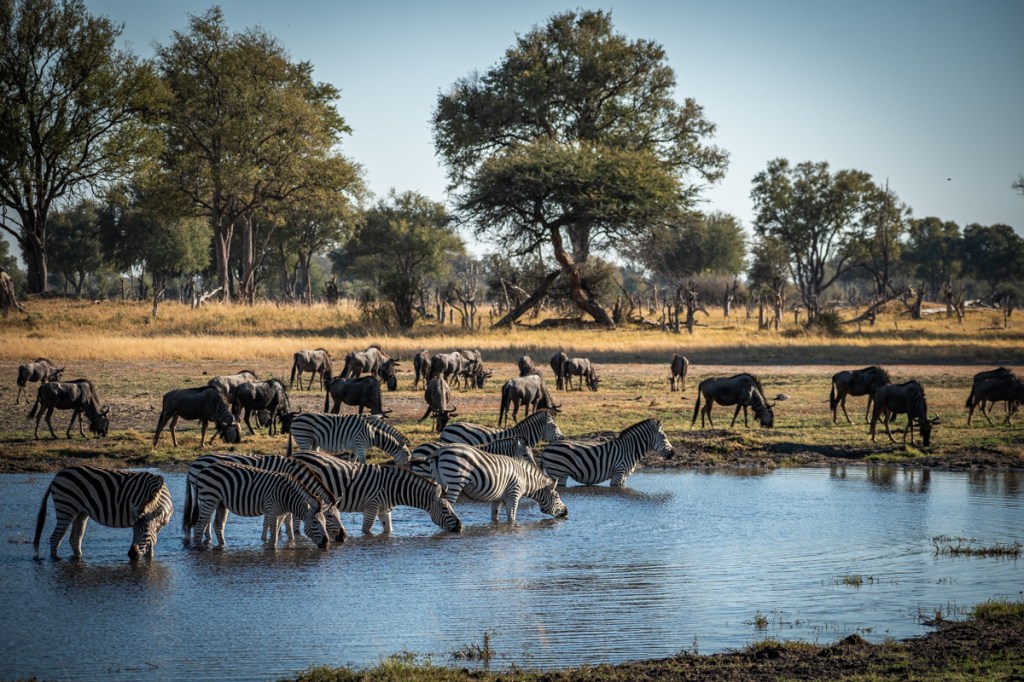
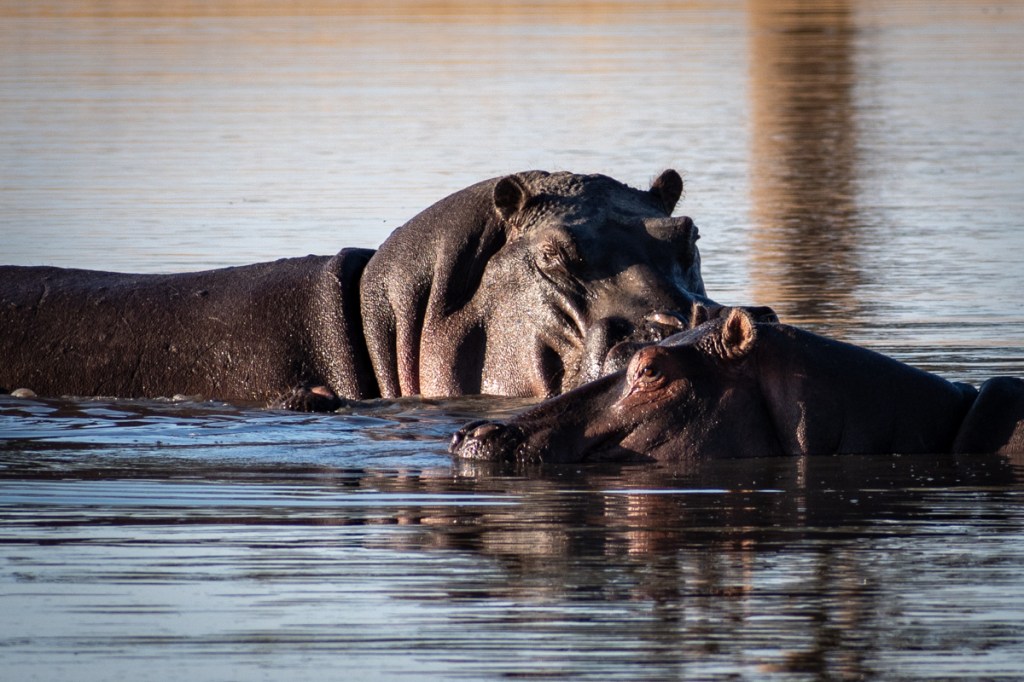
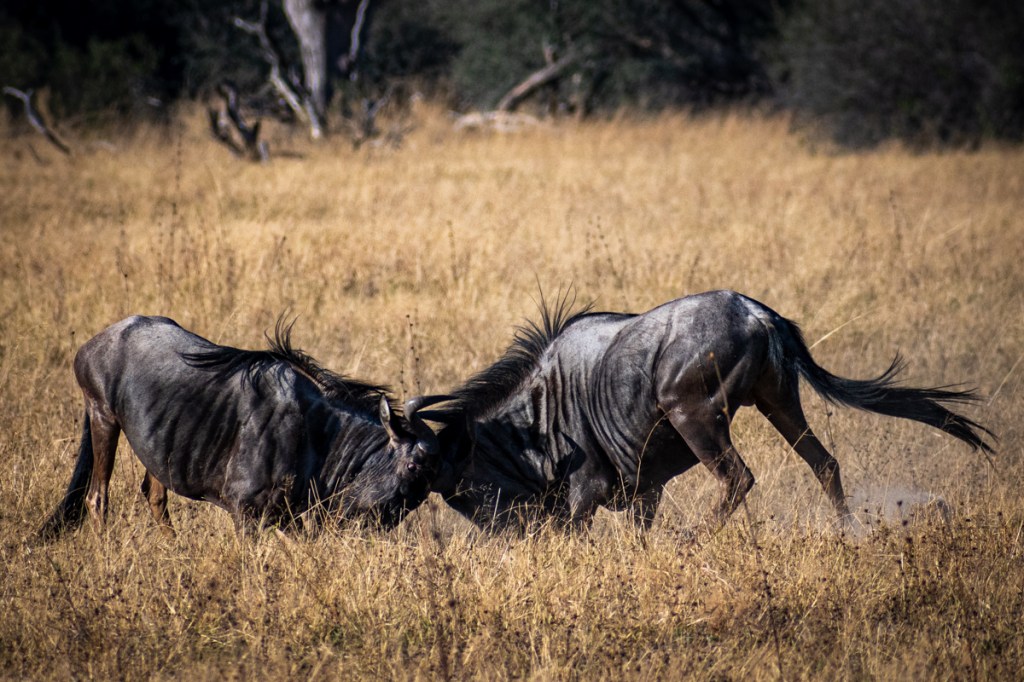
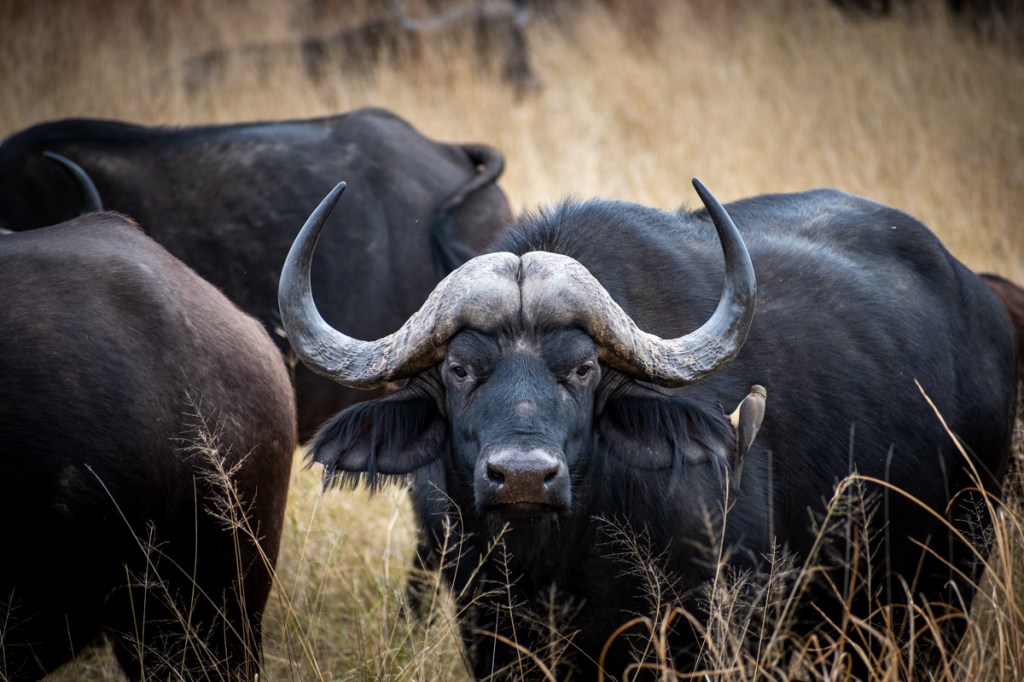
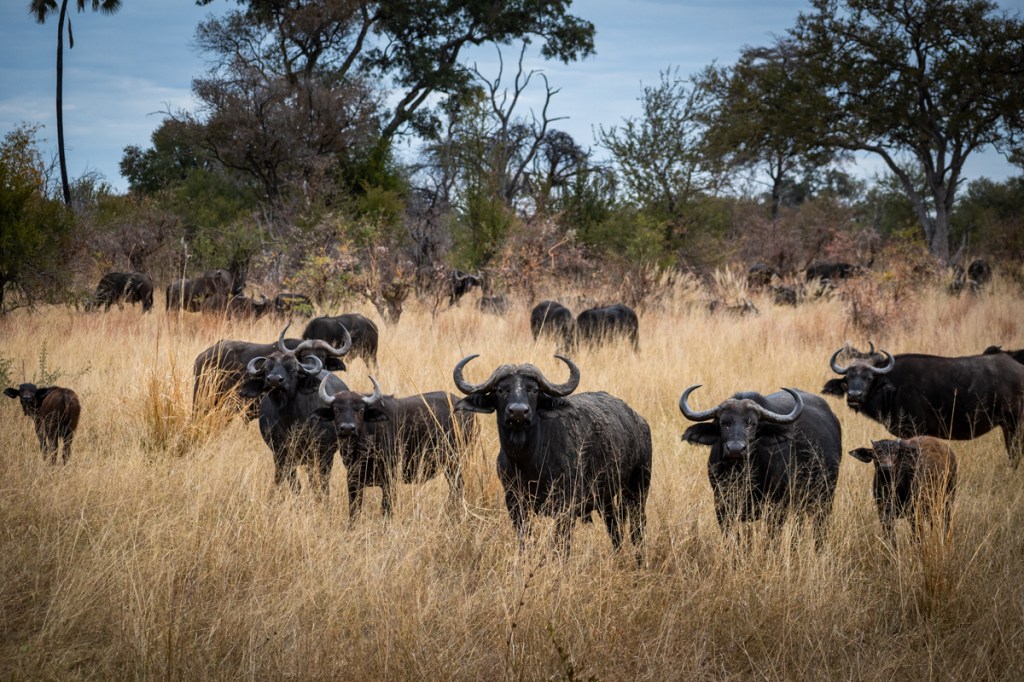
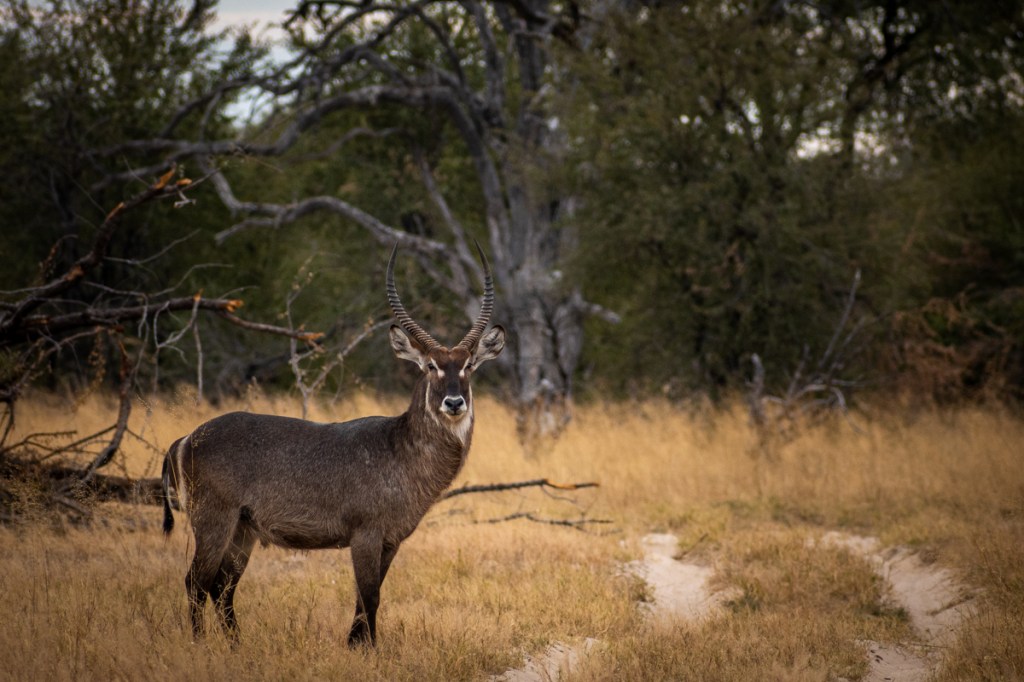
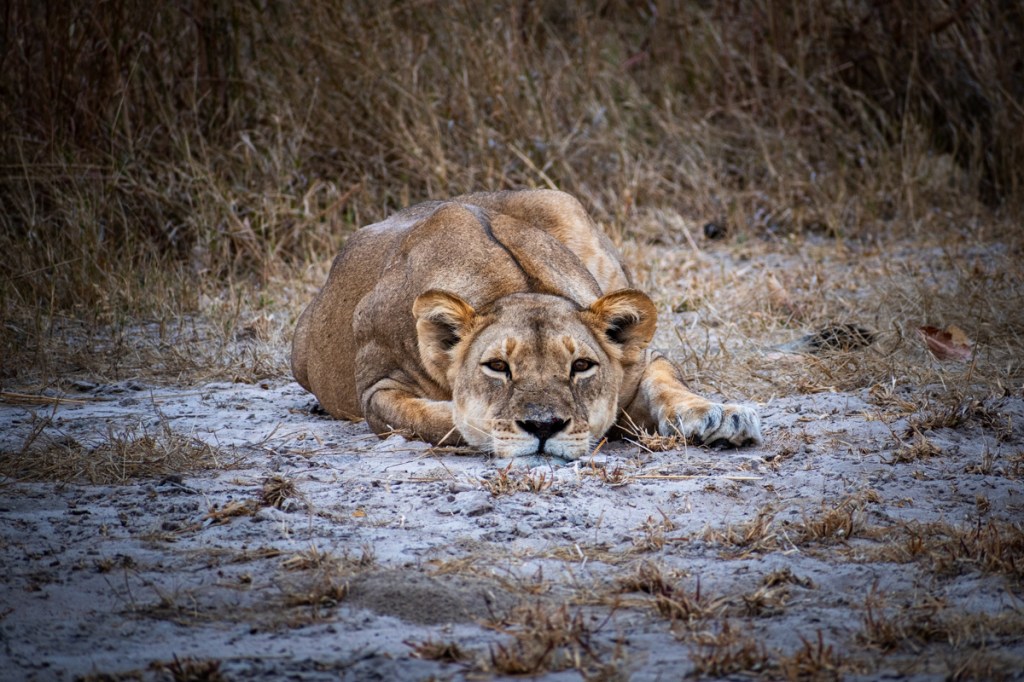
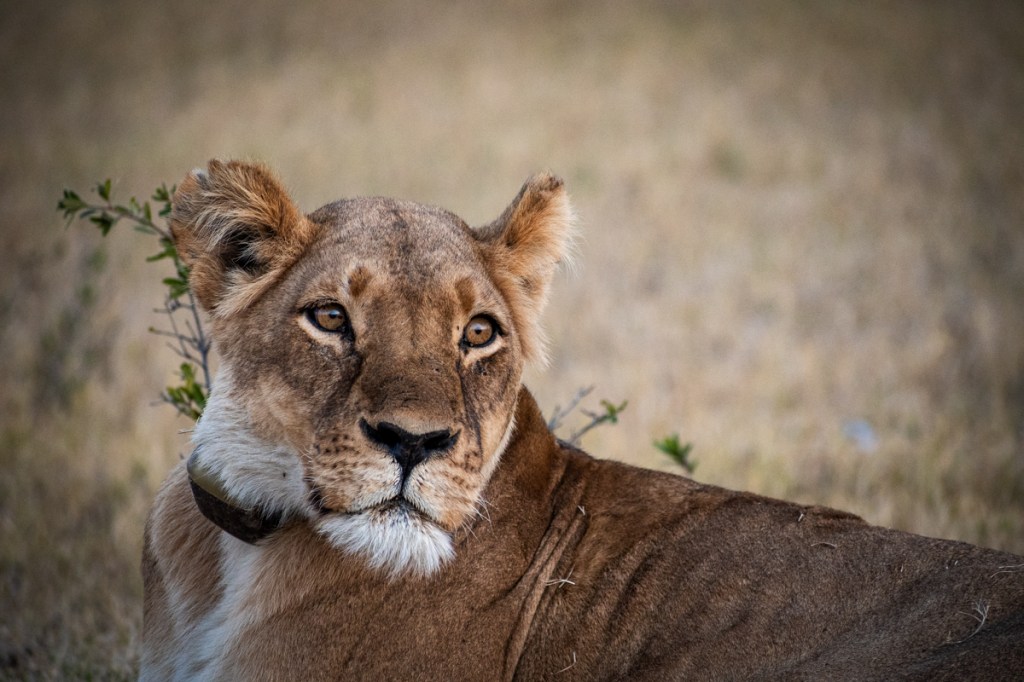
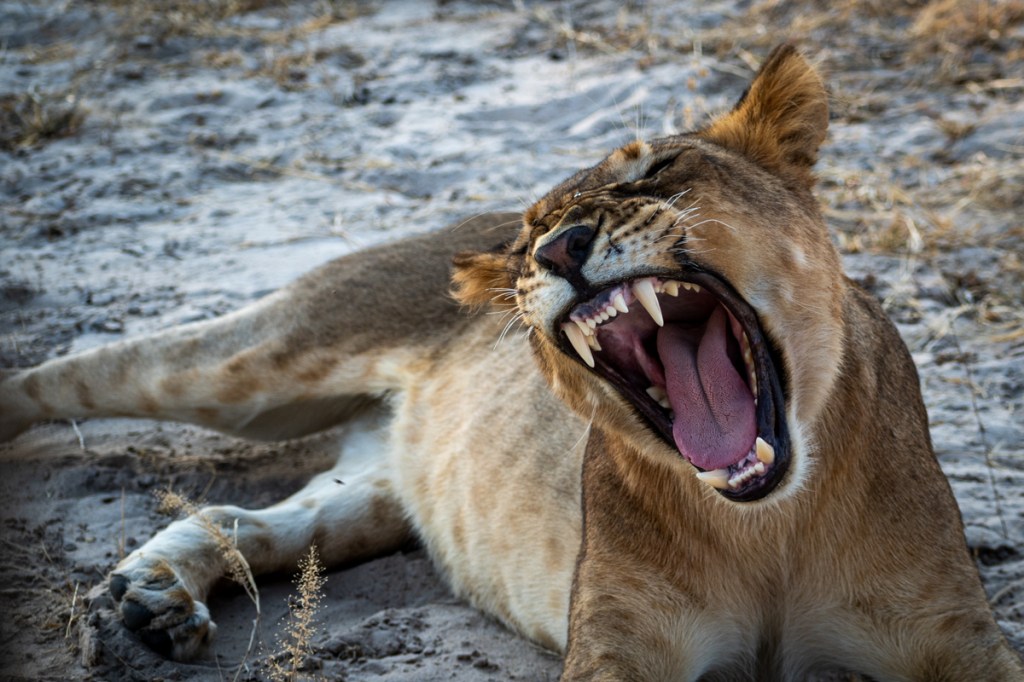
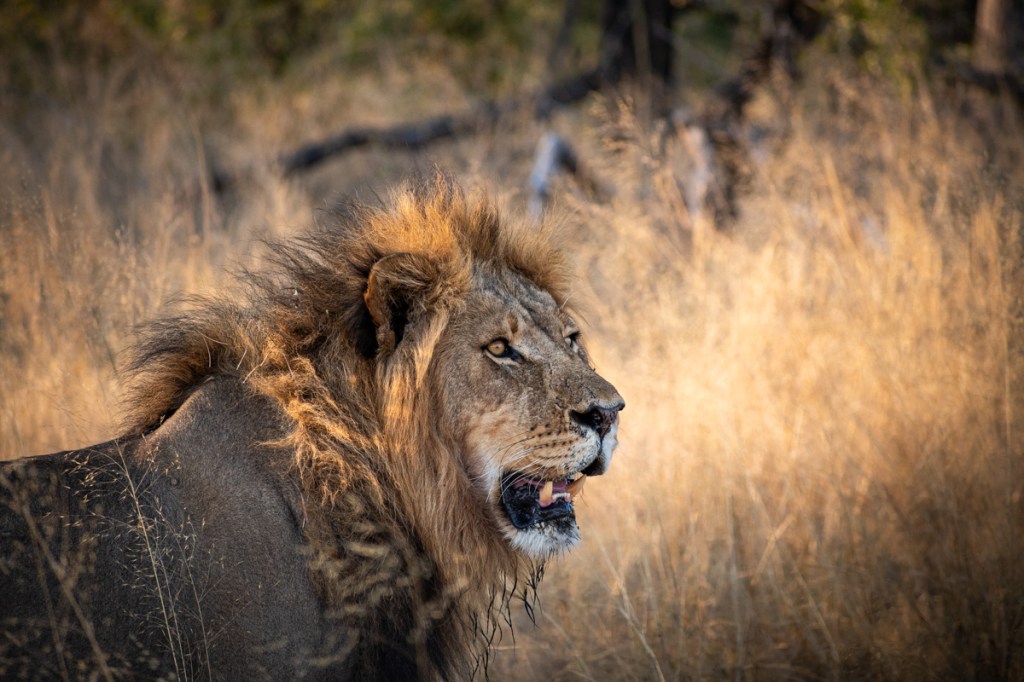
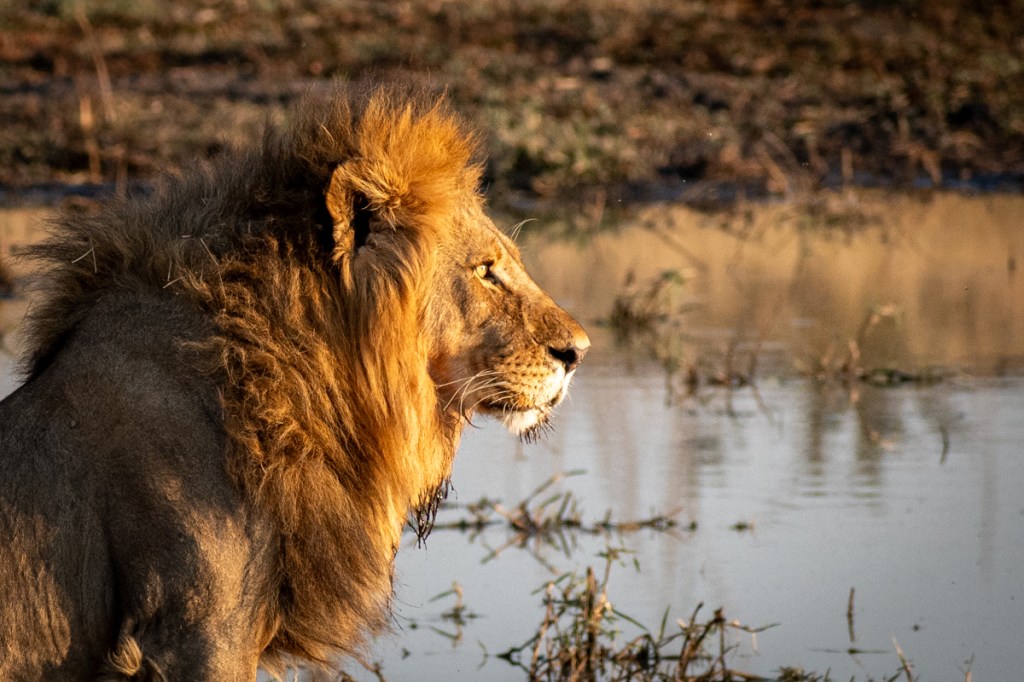
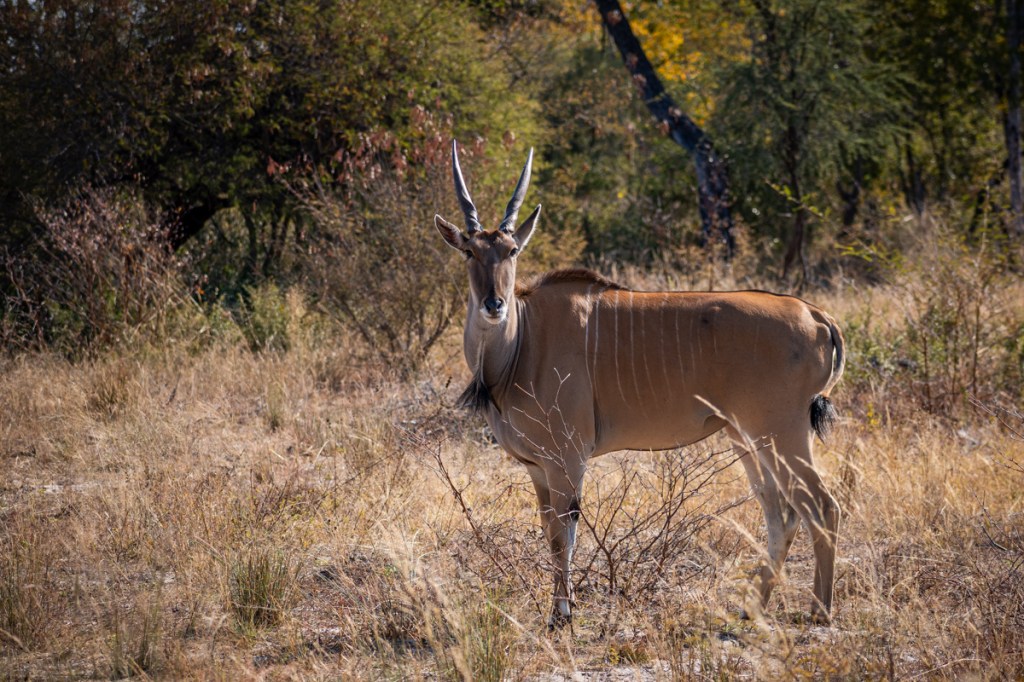
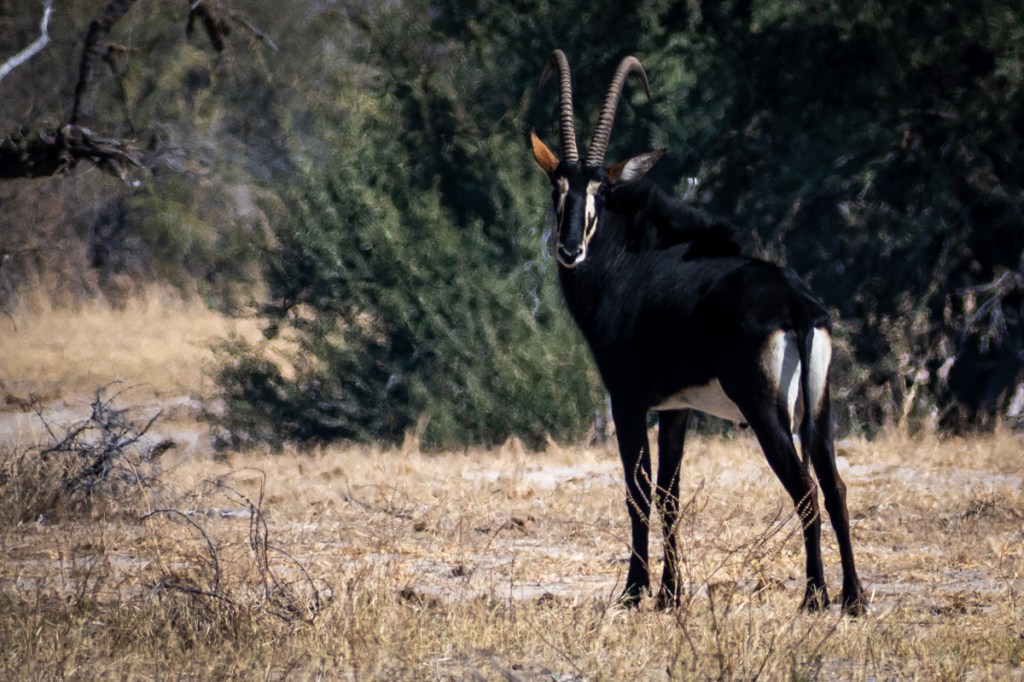
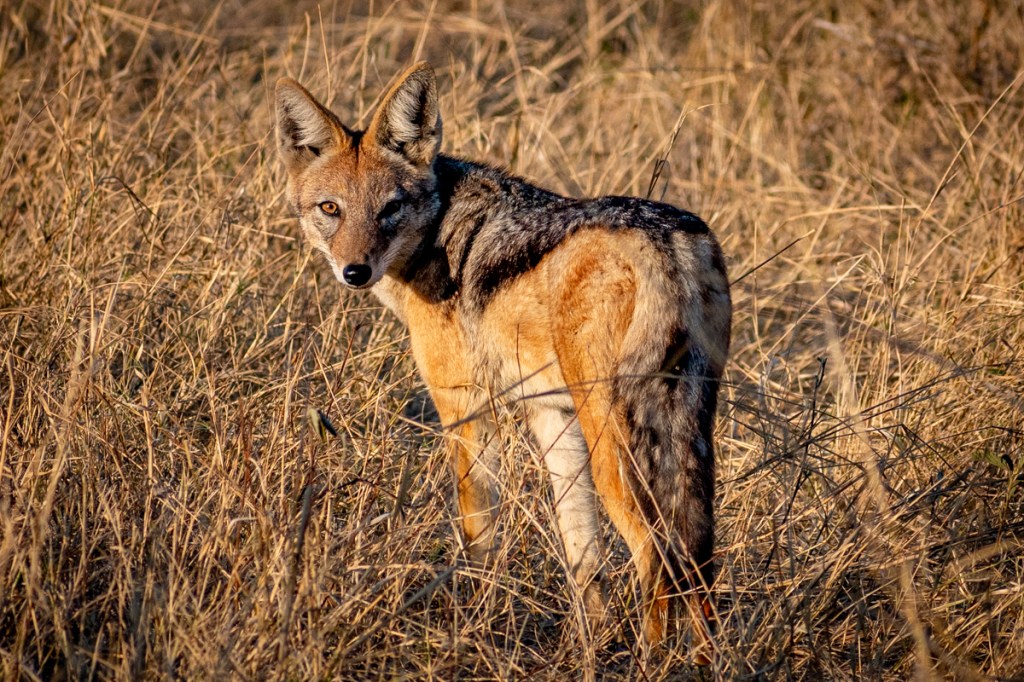
This post would not be complete without mentioning my safari experiences. The wildlife viewing is great, and you can find a wonderful overview in my photographs.

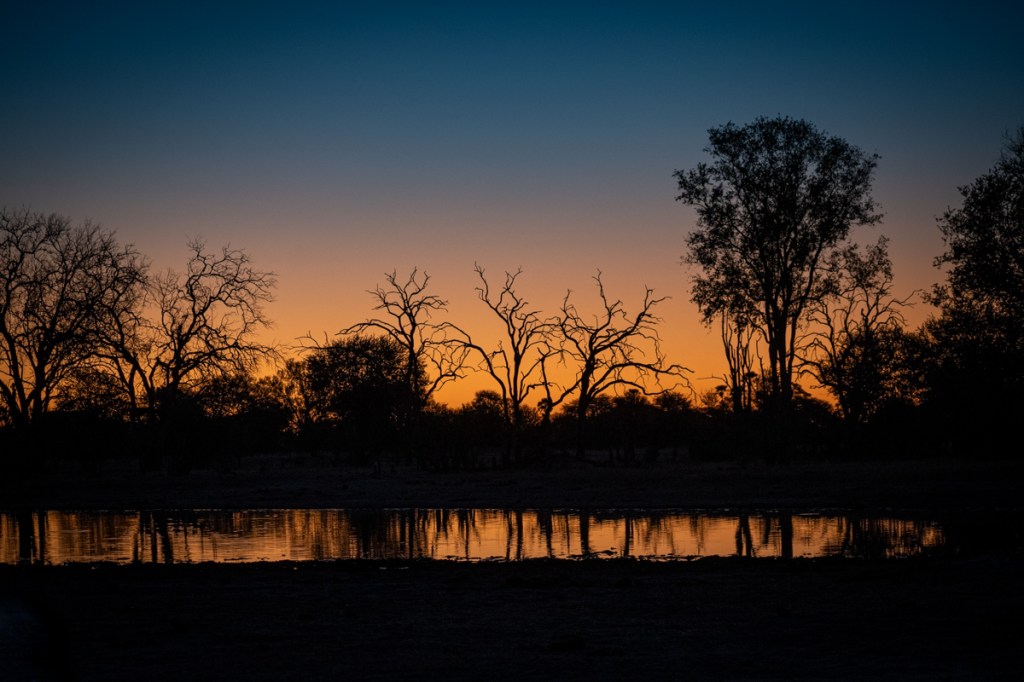
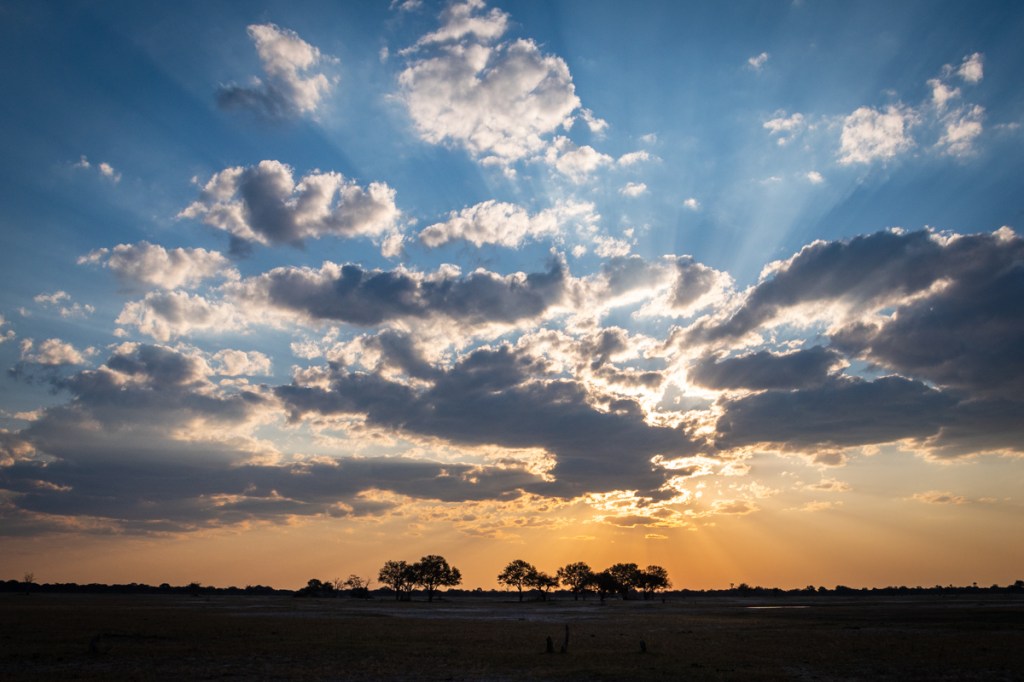
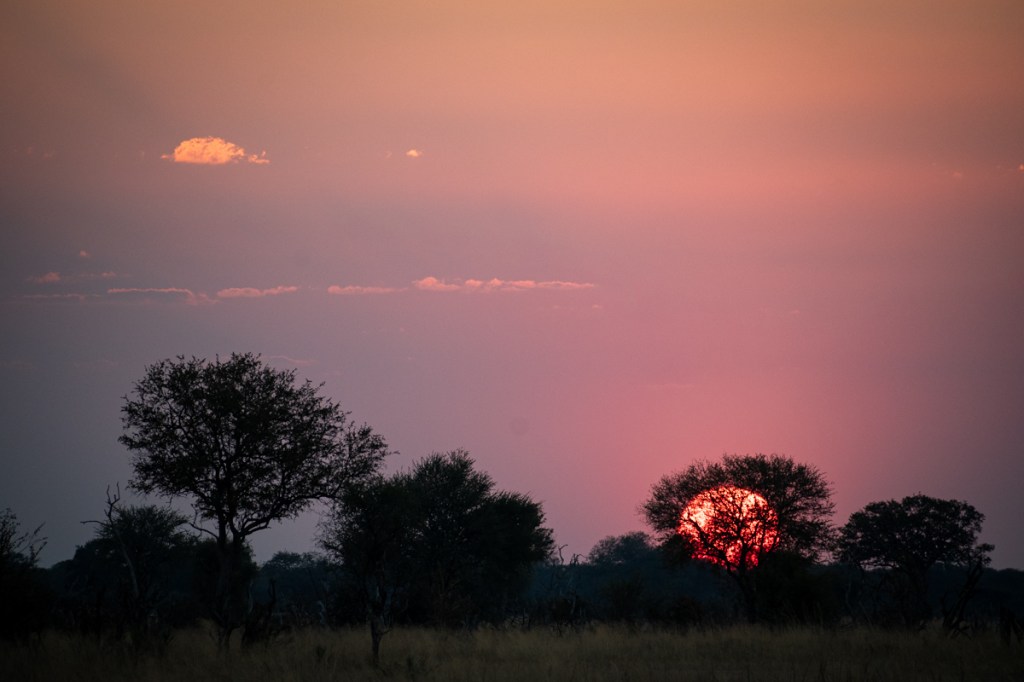
The sunsets are amazing.
The moon sometimes provides a nice addition to the sky.
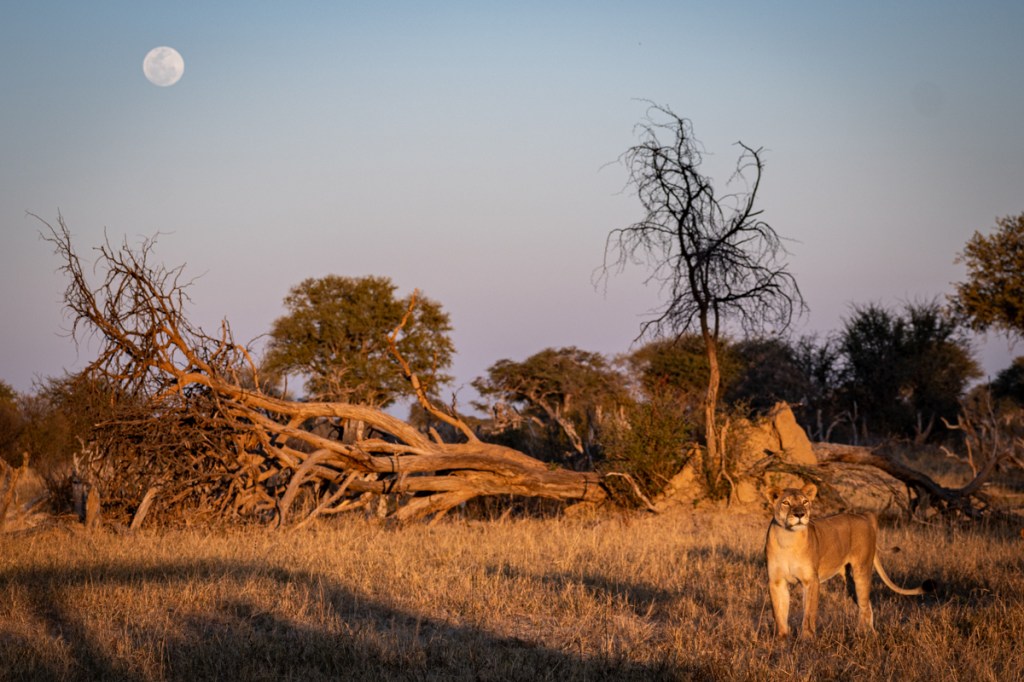
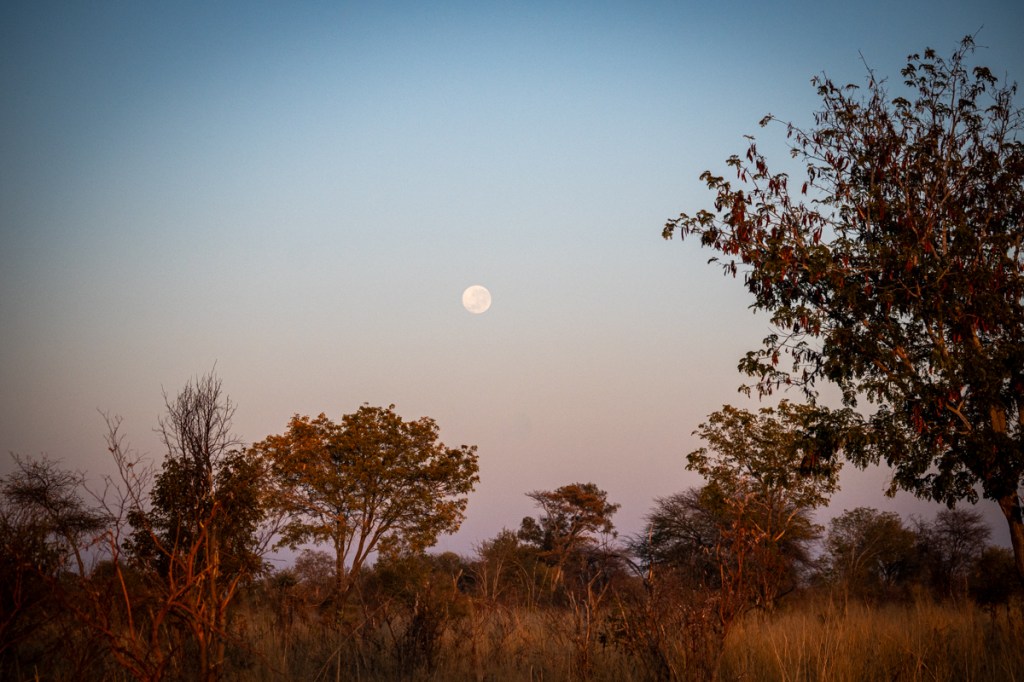
What was particularly memorable was my time at Jozibanini Safari Tented Camp in the heart of Hwange National Park.
The camp is remote and isolated. It is the only camp within at least twenty kilometres, meaning you are the sole guests in the area. The silence and the sense of distance from the outside world make it an ideal place to disconnect and become fully present in nature.
The Elephant Hide Experience
What an incredible experience it is to see through the eyes of an elephant.
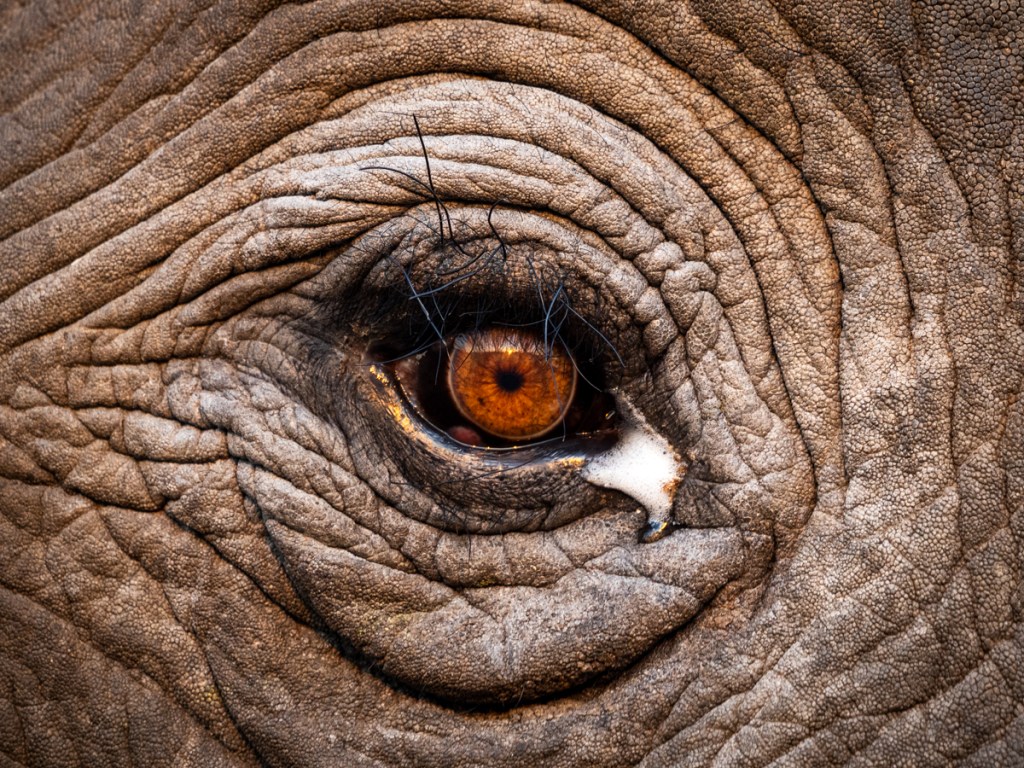
Just a few metres from the camp lies a unique hide, an old shipping container buried in the ground. From there, your eyes are level with the freshwater trough that elephants love so much.
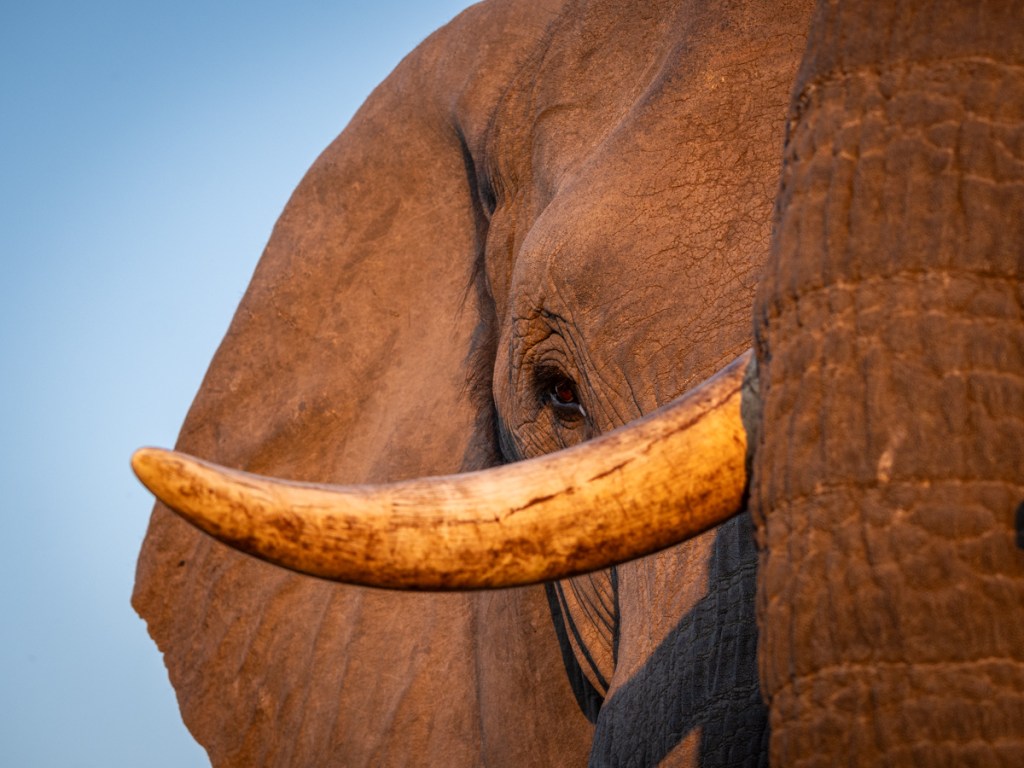
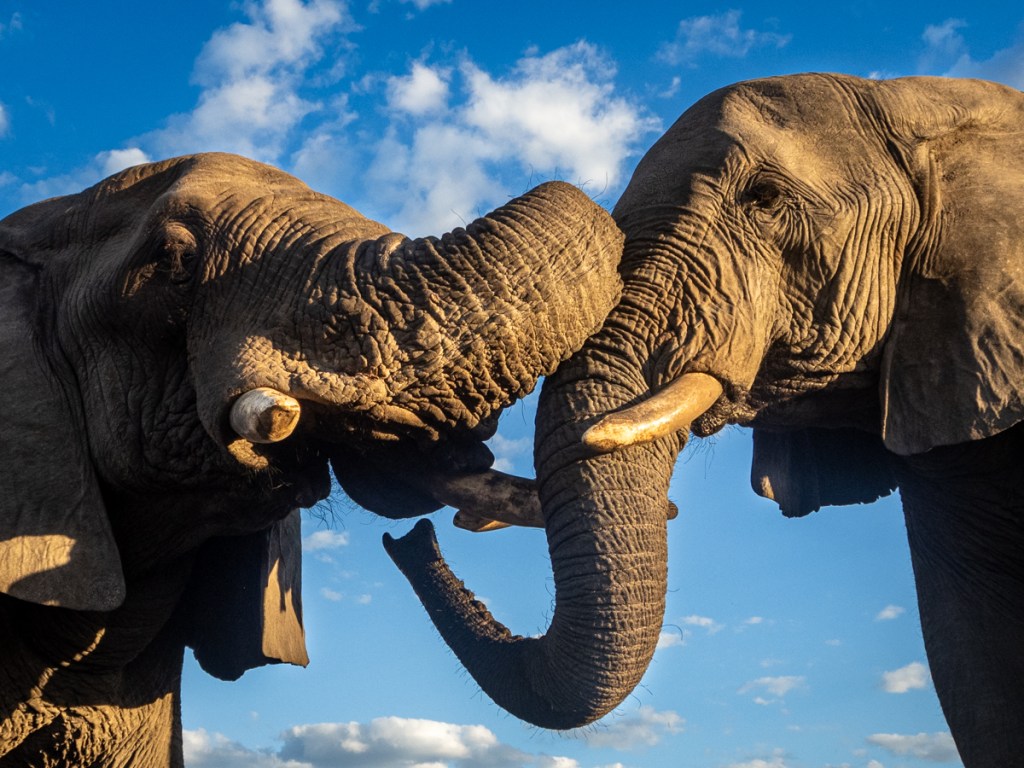
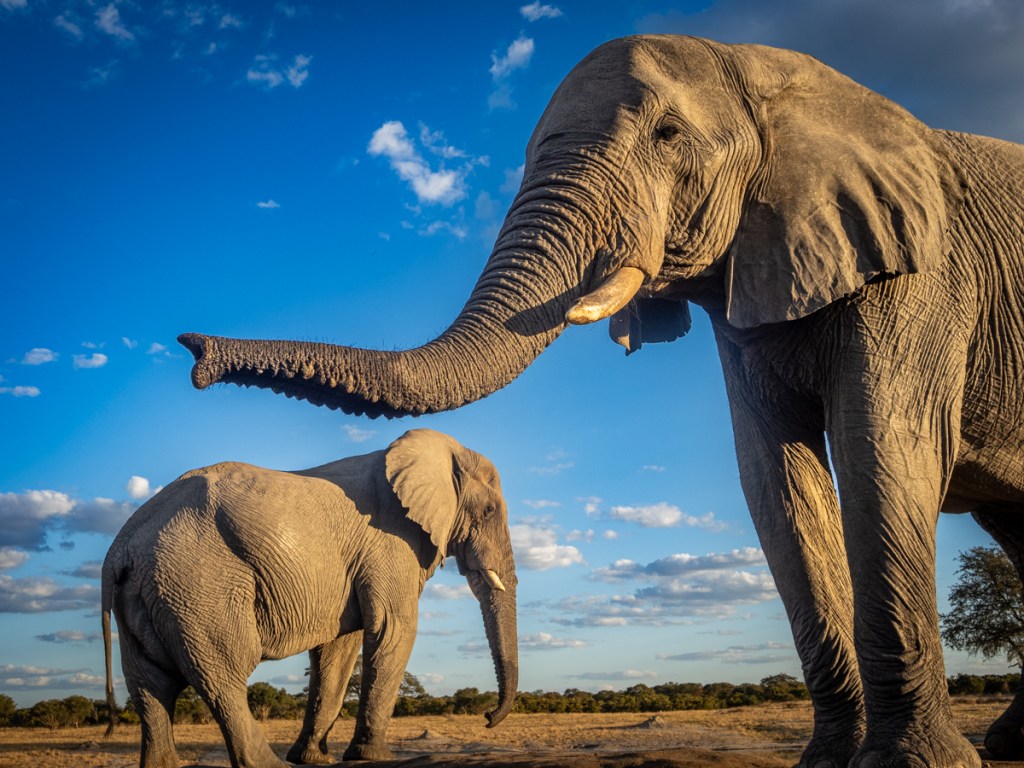
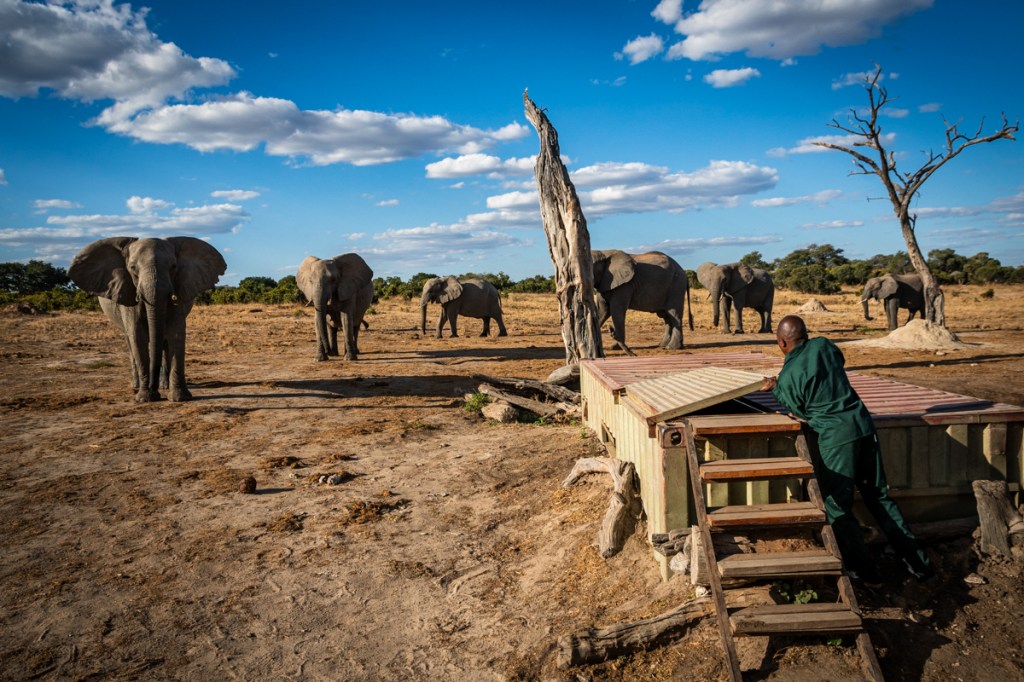
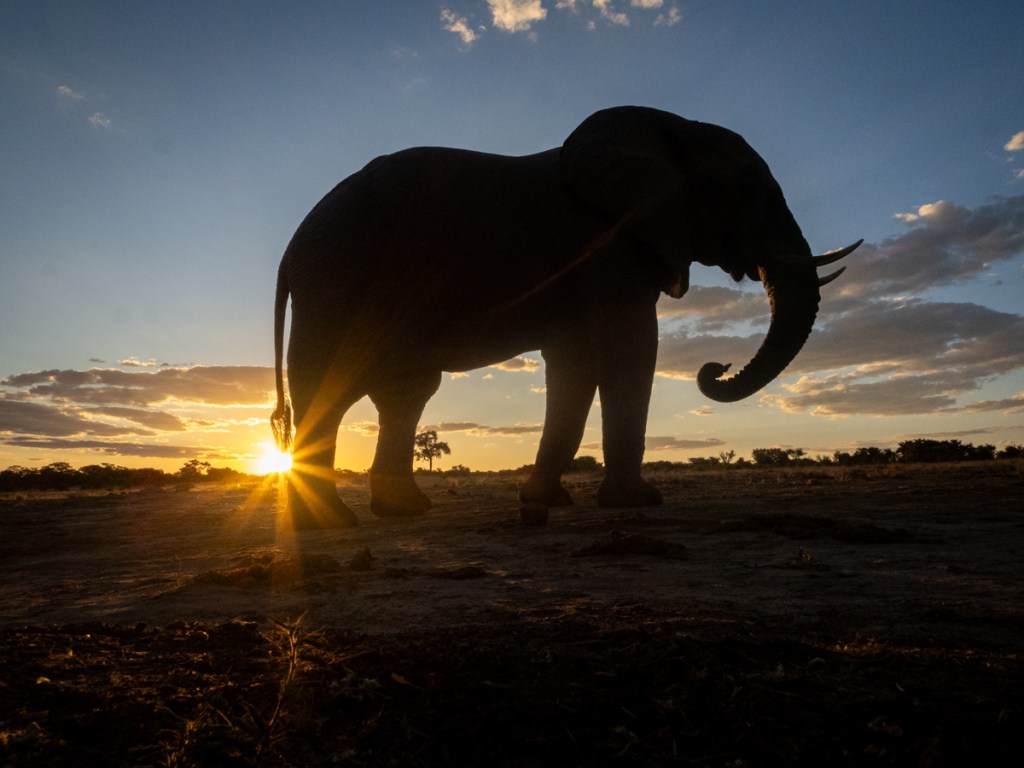
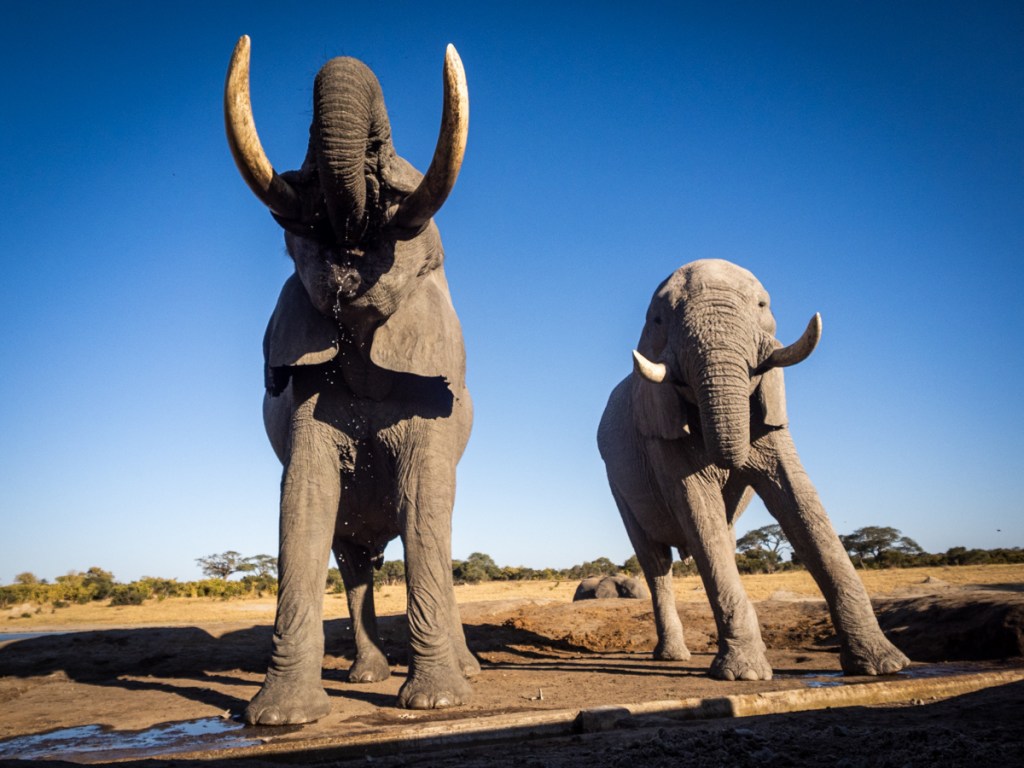
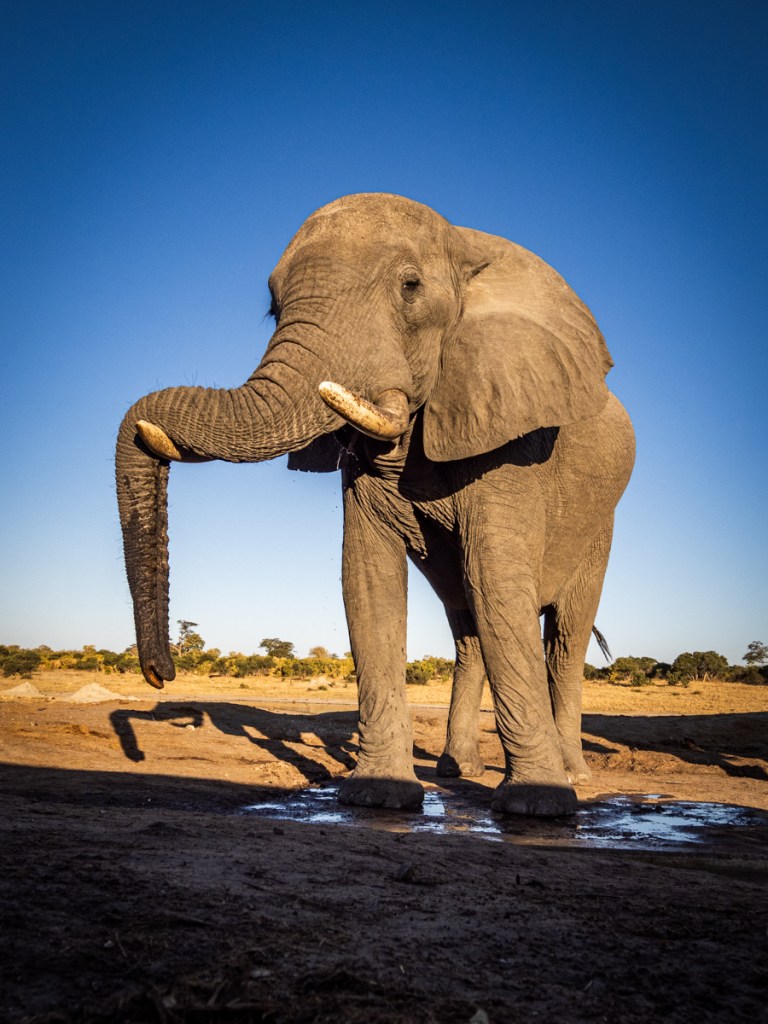
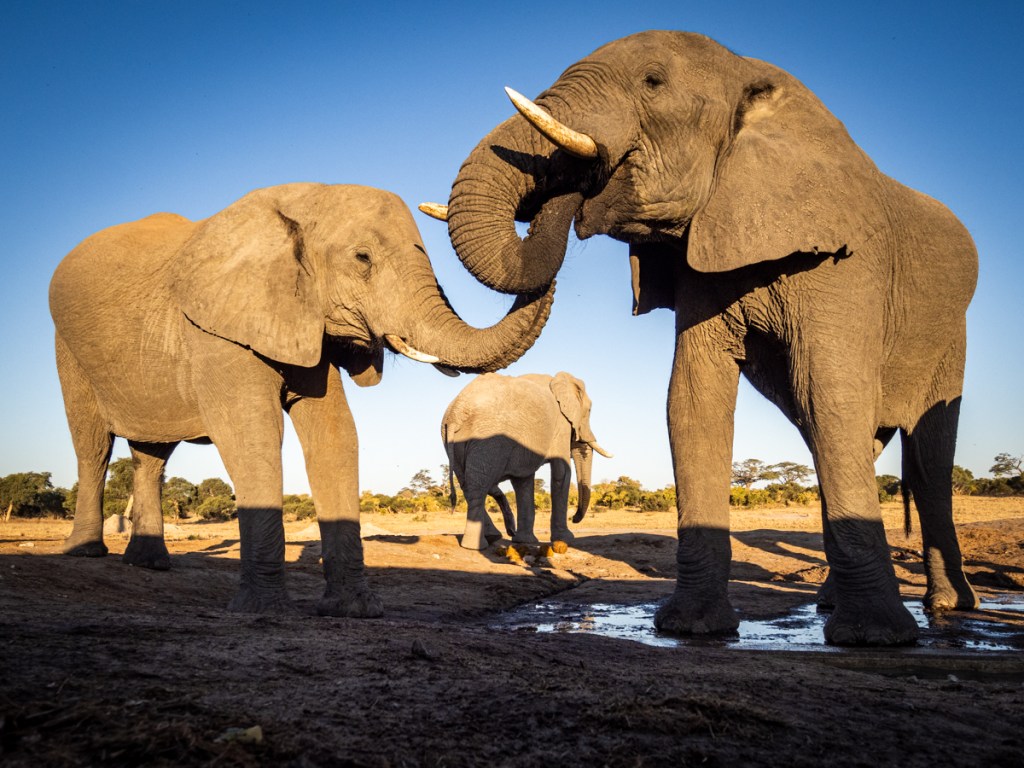
On warm days, they come quickly, eager to drink, play, and rest, while you watch unseen. You are only metres away. Sometimes only centimetres. Close enough to touch them, yet of course you do not. No interference is allowed.
From this intimate vantage point, you quietly observe breeding herds and solitary bulls. You begin to recognise their interactions, the unspoken rules of their hierarchy, and the way they move together.
You do not just watch the herd. You feel it.
You hear them.
Their deep rumbling calls resonate through your chest.
And then there are the details.
Those small and often overlooked wonders of nature slowly reveal themselves.
Most striking of all are their eyes.
A deep red-orange shade, framed by long protective eyelashes, a natural shield against sun, wind, dust, and debris.
Elephants do not see well, but their hearing and sense of smell are extraordinary.
You can see them.
They do not see you.
And so you linger, absorbed in their presence.
What have these eyes witnessed. What stories do they carry. What is it truly like to be an elephant.
It is difficult to put the feeling into words.
It humbles you.
It shifts something inside.
You are left reflecting, not only about them, but about yourself.
One thing is certain. They leave an imprint on you, silent, gentle, and immense.
Join the Journey
For all these reasons, and because contributing to wildlife conservation and community development is central to my life goals, I have decided to organise a charitable trip to Zimbabwe in July 2026 and October 2027.
All profits from these trips will be donated to Imvelo at the end of each journey, and I very much look forward to leading them.
🌊 Discover the iconic Victoria Falls
🦏 Volunteer near Hwange National Park
🦁 Experience safari in one of its most remote areas, Jozibanini
You can explore the full itineraries below. Please feel free to reach out if you would like additional information.
#Voluntourism #Zimbabwe #ImveloSafariLodges #CommunityRhinoConservationInitiatives #Safari #WildlifeConservation #RhinoConservation #HwangeNationalPark #CommunityDevelopment #SustainableTourism #ResponsibleTravel #TravelWithPurpose #IndigoSafaris

 Zebra2x22
Leave a comment