After my week-long vacation, I returned to camp to continue my six-month program course. The rhythm of the course was the same as I described in the article “My First Month as a Field Guide Trainee in South Africa.”
This month’s focus included:
Two weeks of study covering the following modules:
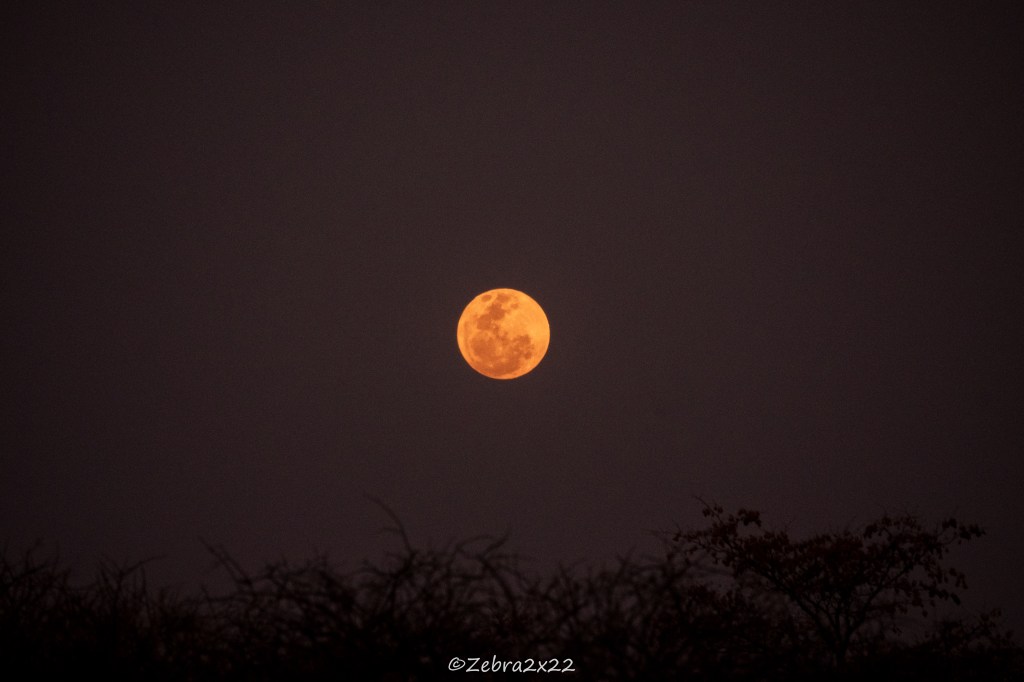
- Astronomy
- Weather and Climate
- Fish
- Arthropods
- Amphibians
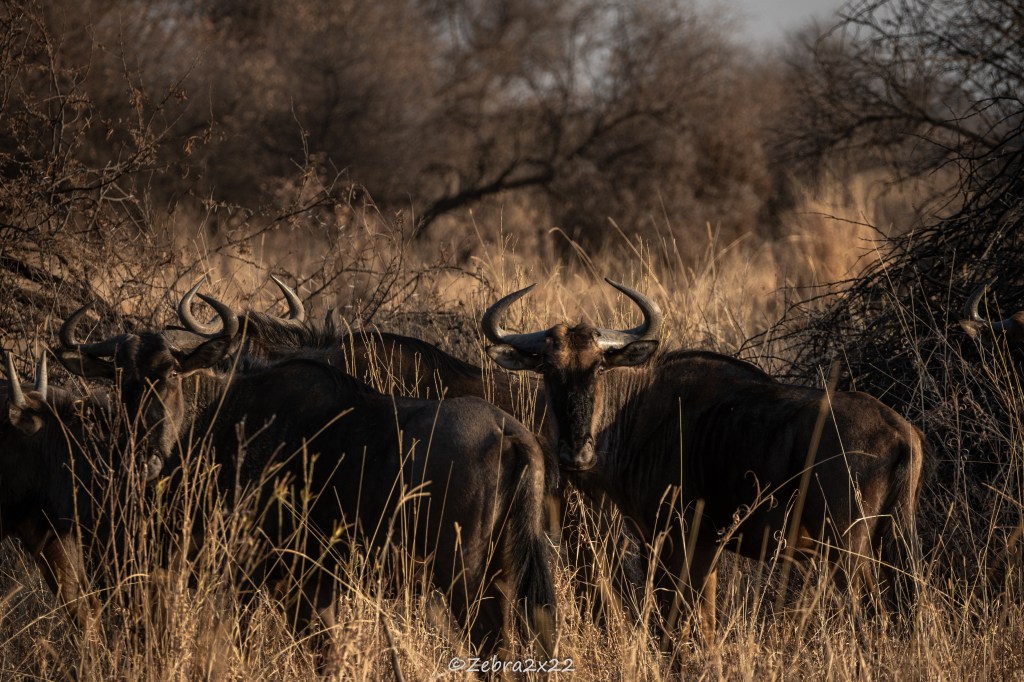
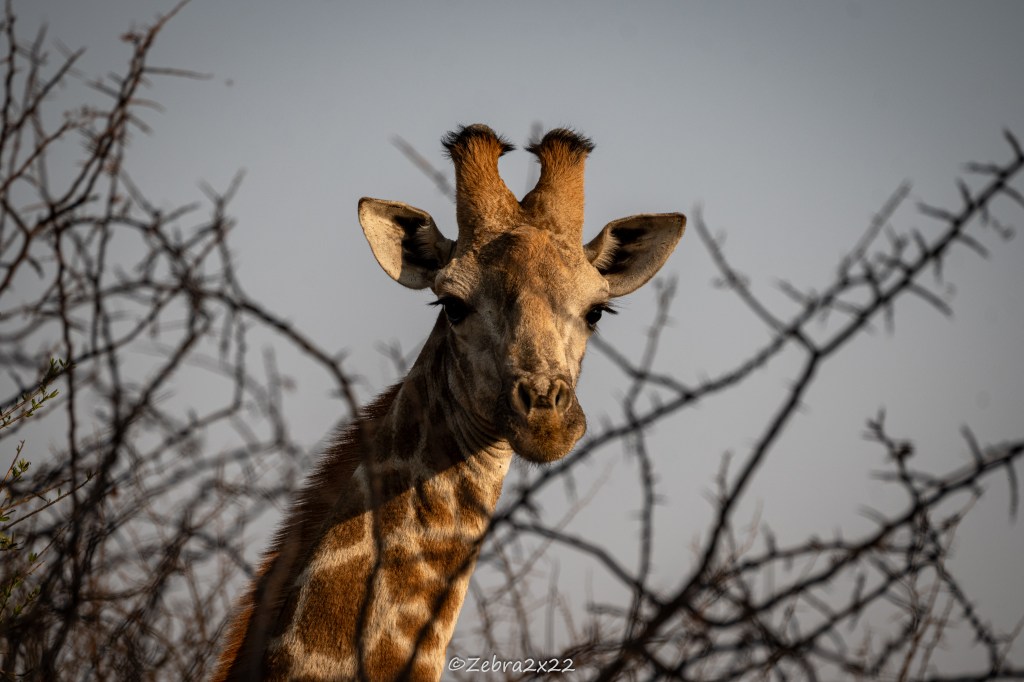
The focus was on studying theory and going on game drives or walks each morning and evening. Reviewing previous modules was also part of the program, as we were preparing for the official FGASA exam at the end of the two weeks.
These are the unforgettable memories I will carry with me for years to come:
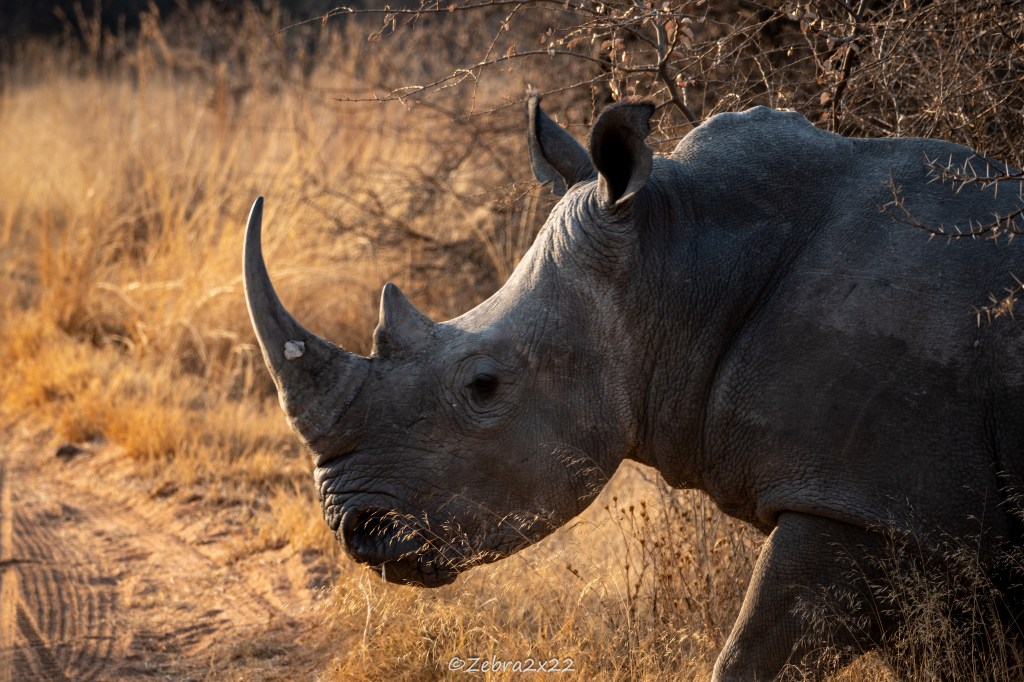
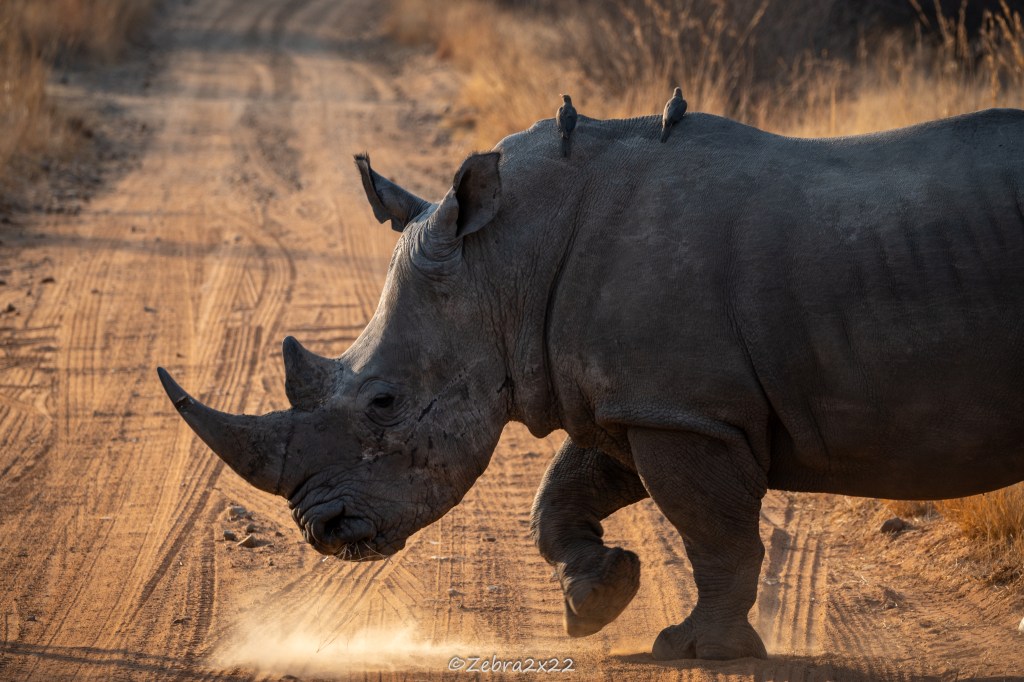
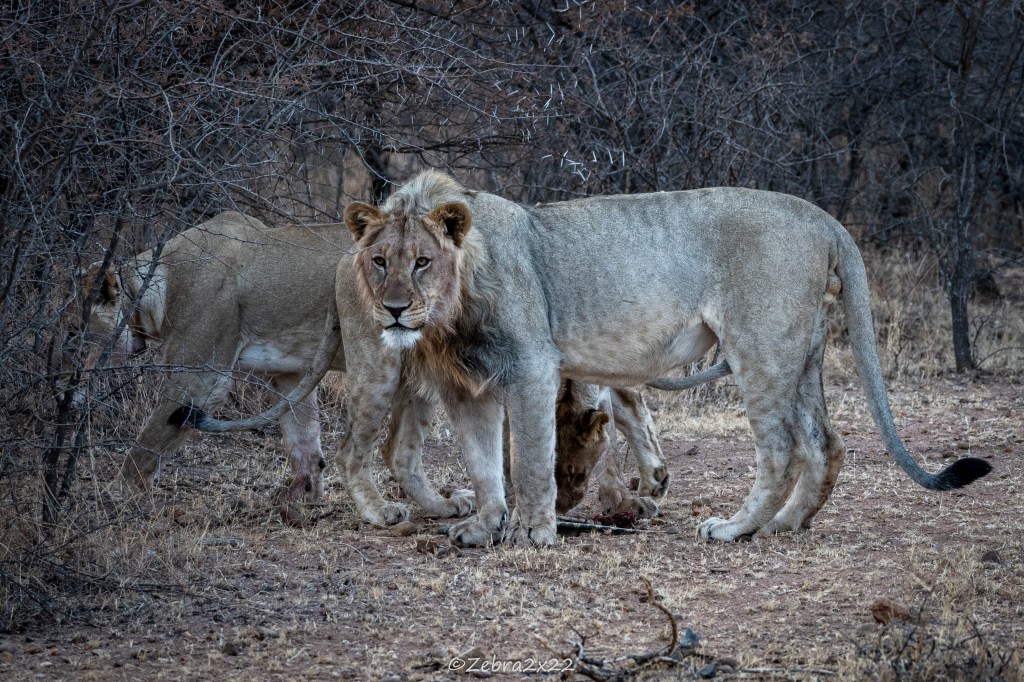
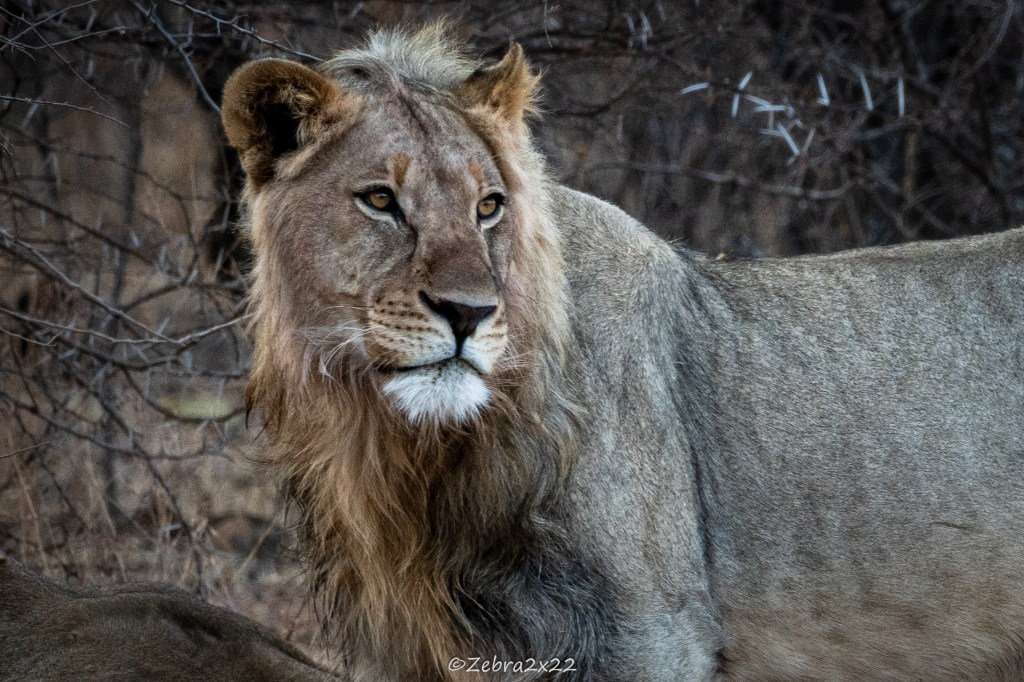
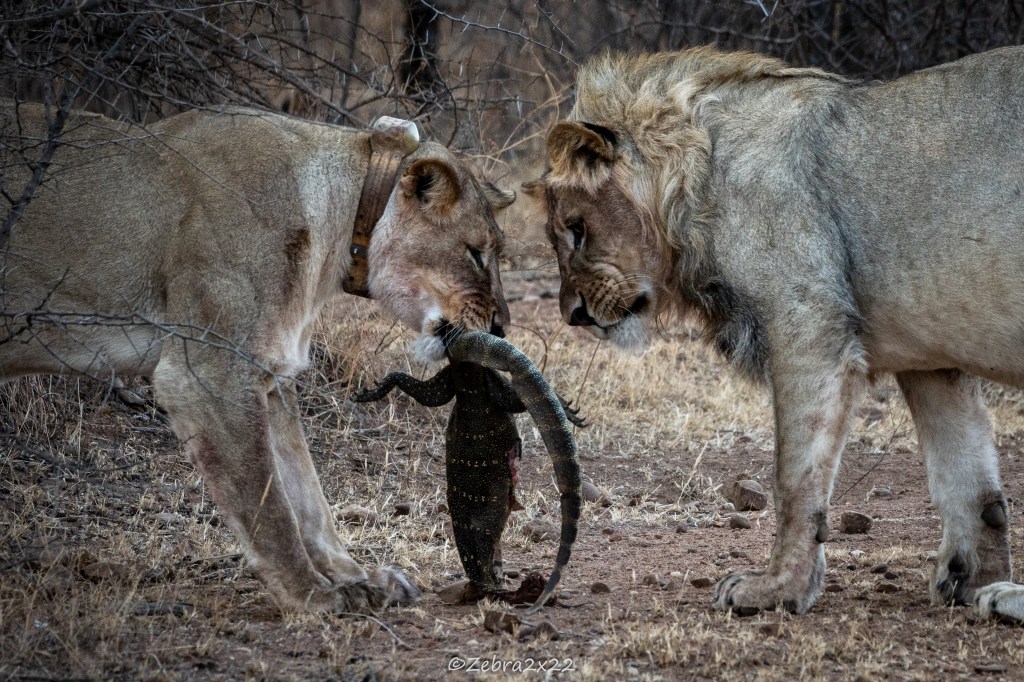
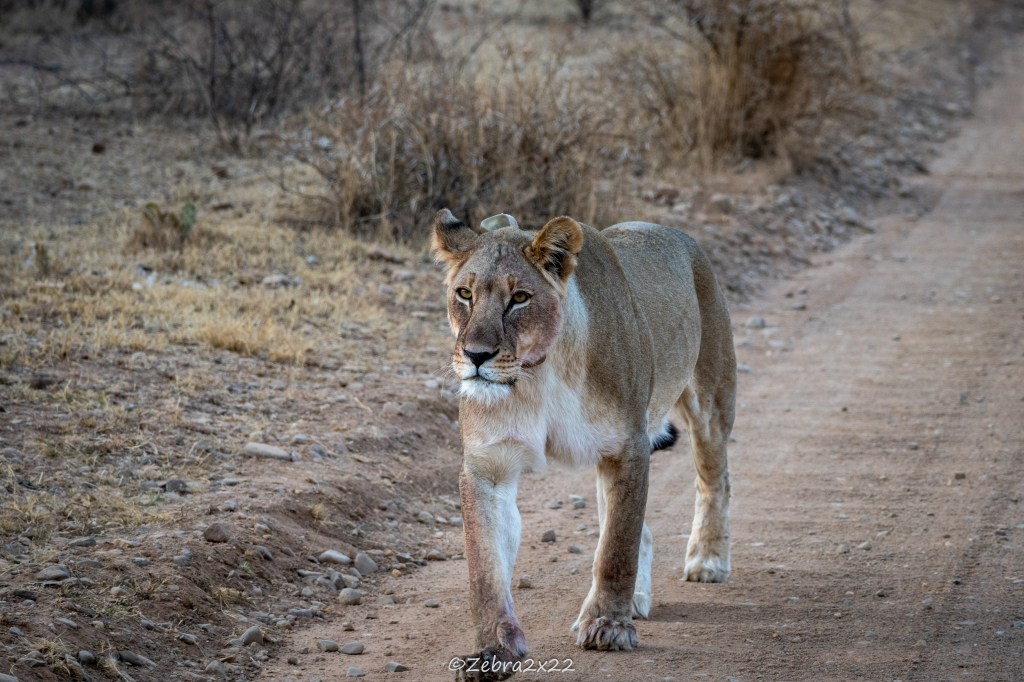
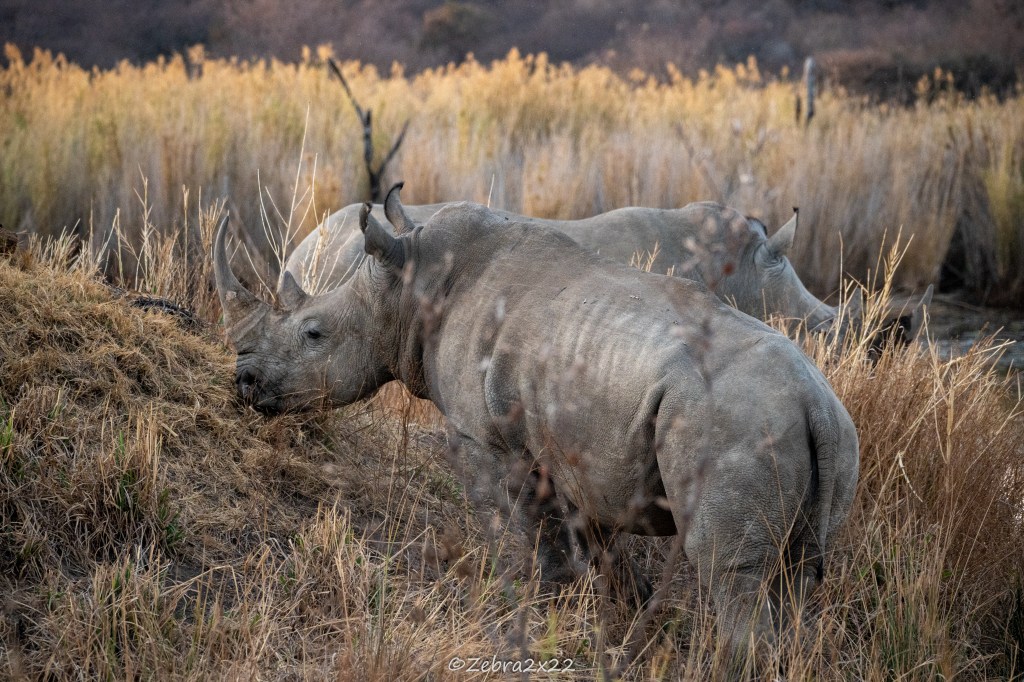
- Walking with lions, hippos, buffalo, and white rhinos on foot. I vividly remember when a lioness growled just a few meters from us. Her call reverberated through my body, tensing everything in an instant. She left with the male, but I was fascinated by experiencing my automatic response to danger. I had been afraid I would flee instinctively and lose control of my reactions, but I was proud to stand my ground.

- The death of Marakele, the dominant male lion of the reserve, which I wrote about in one of my previous article.

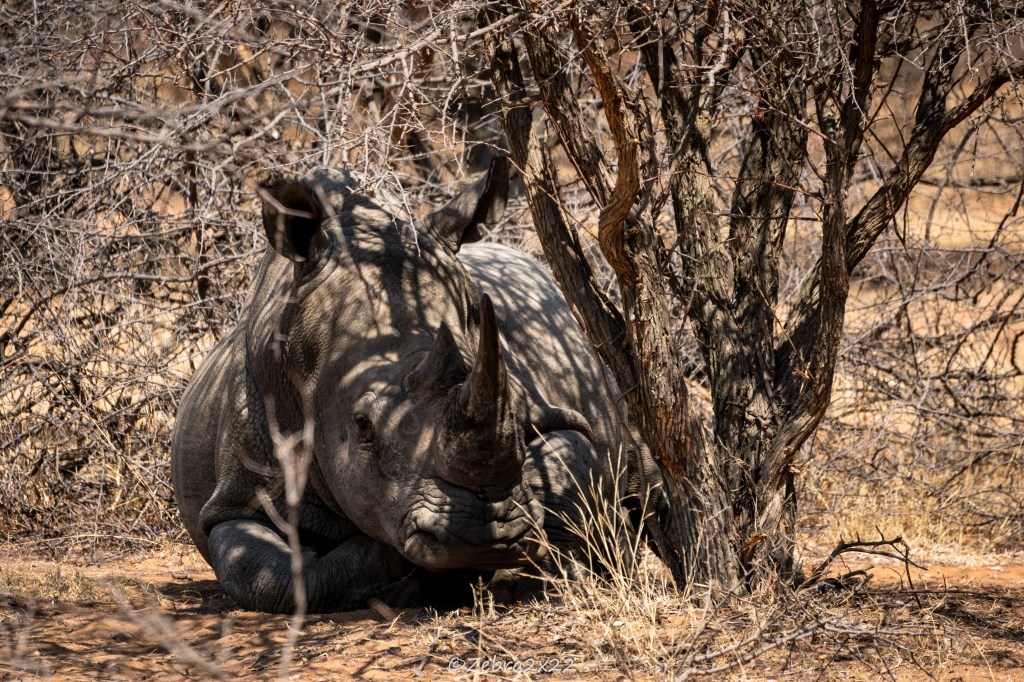
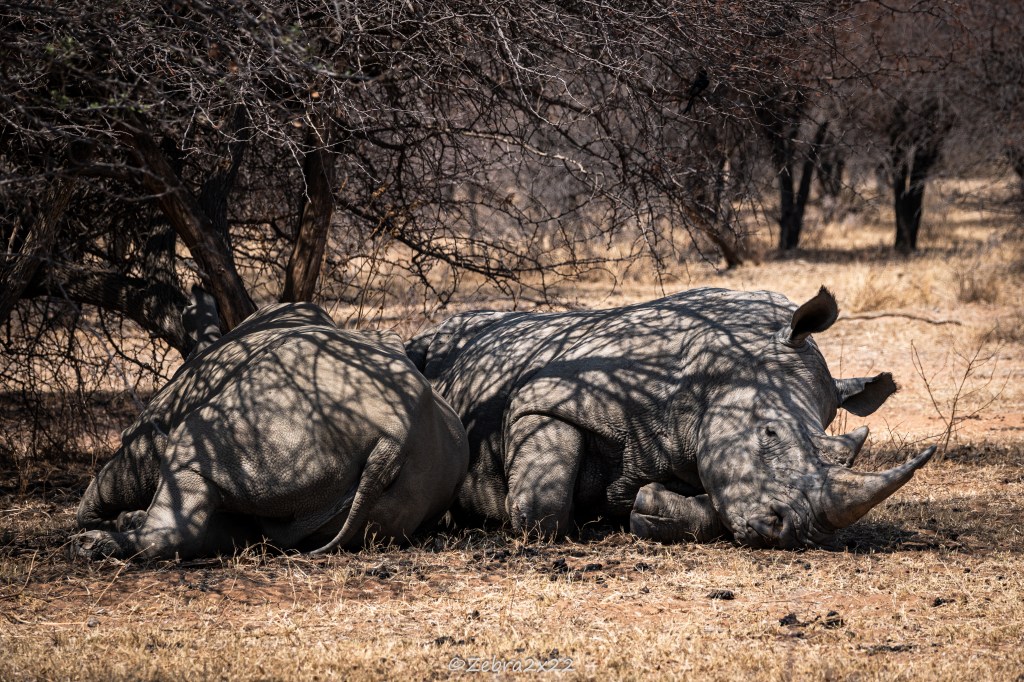
- Coming across a white rhino taking a nap while two subordinate bulls approached him.


- A close encounter with a black rhino, which are more skittish and harder to find.

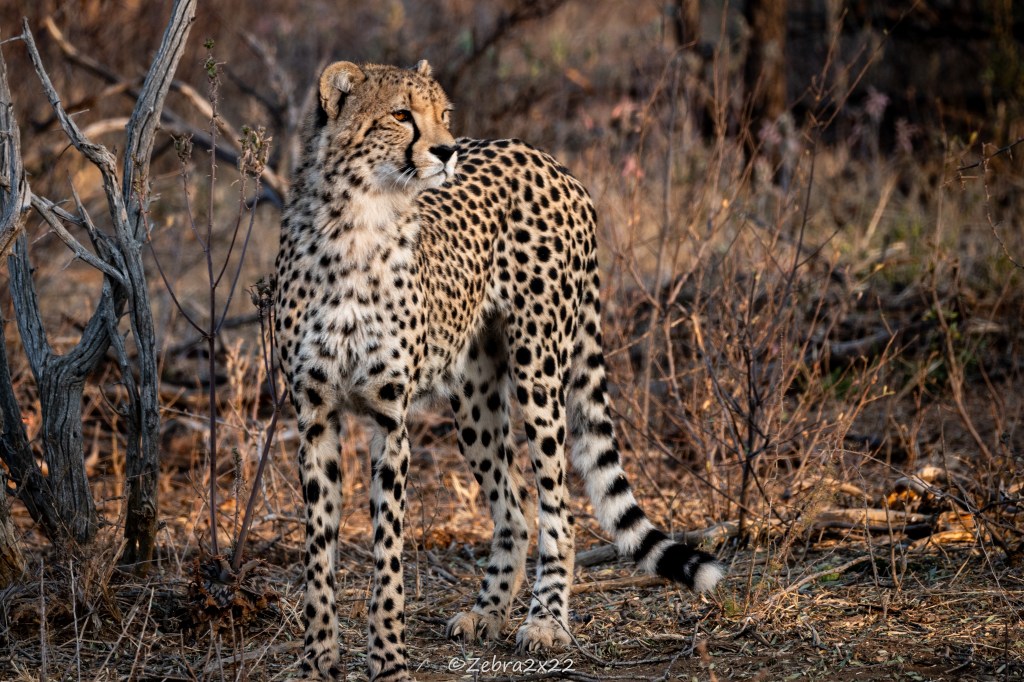
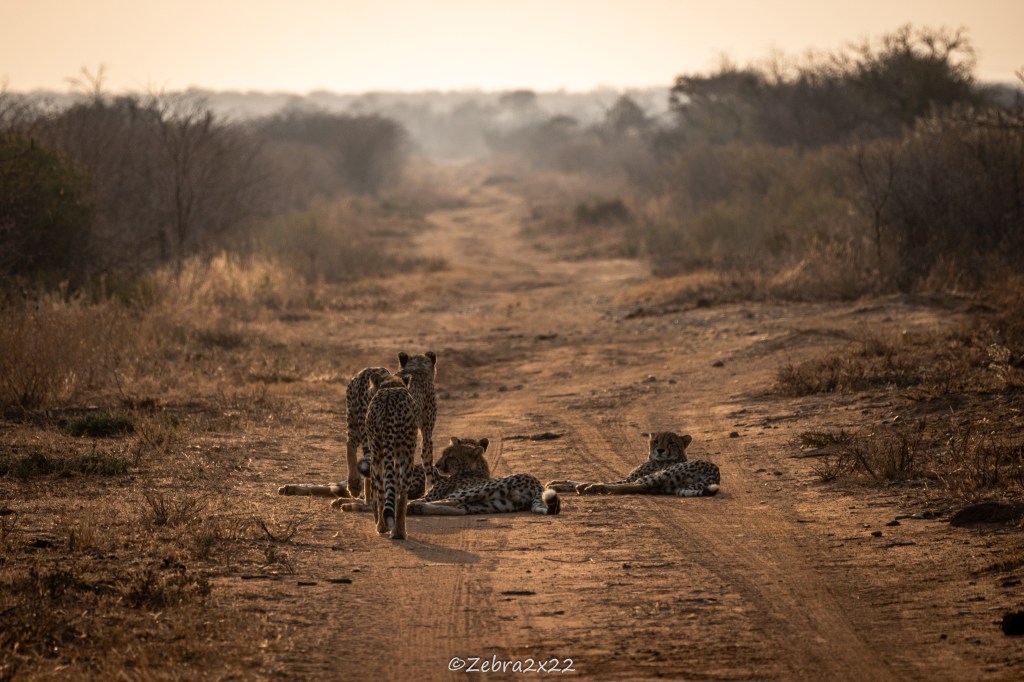
- Sitting on the tracker seat as we encountered five cheetahs, a mother and her nearly grown cubs.

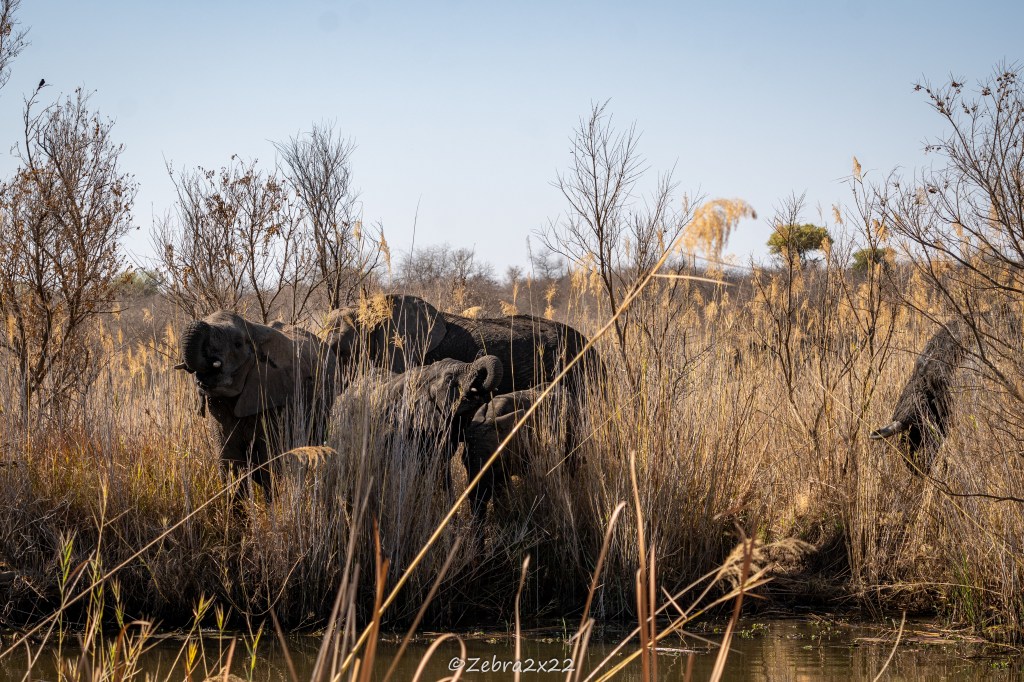
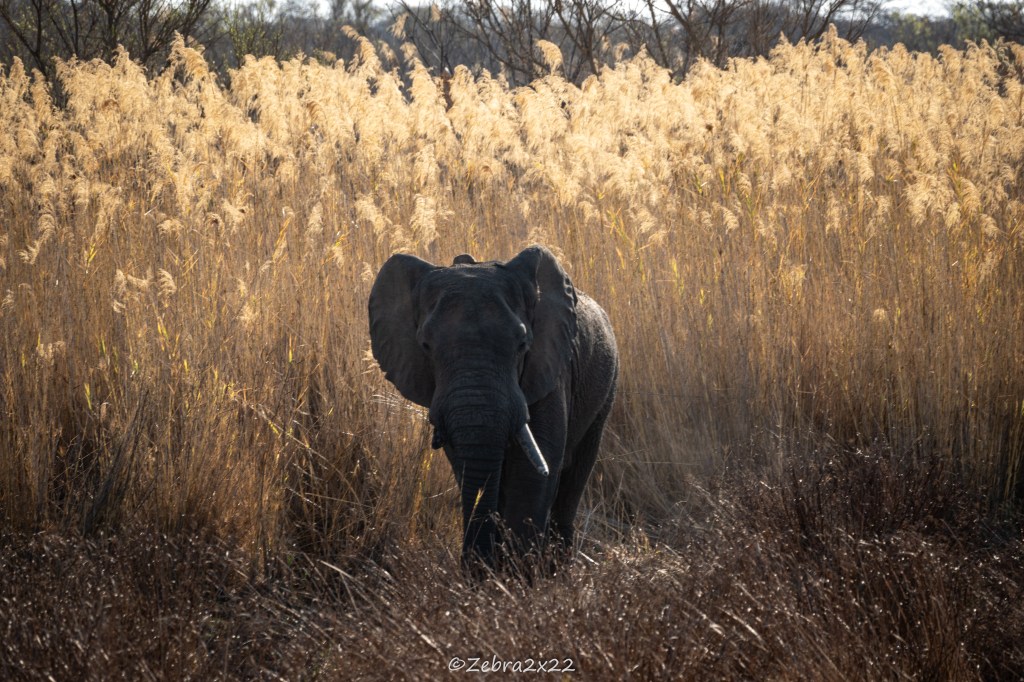
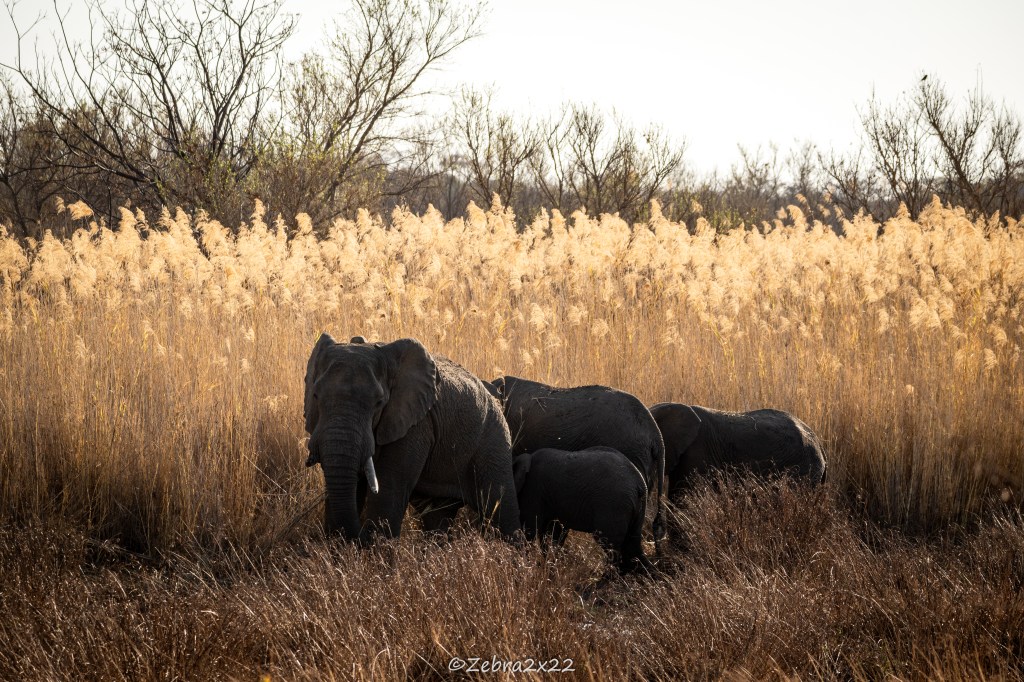
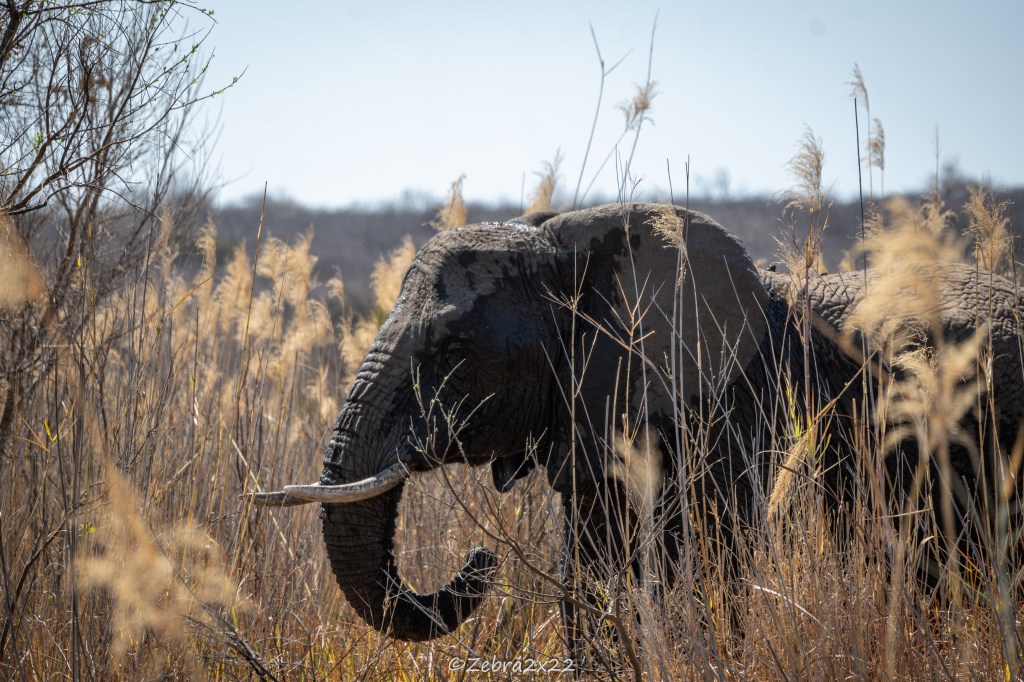
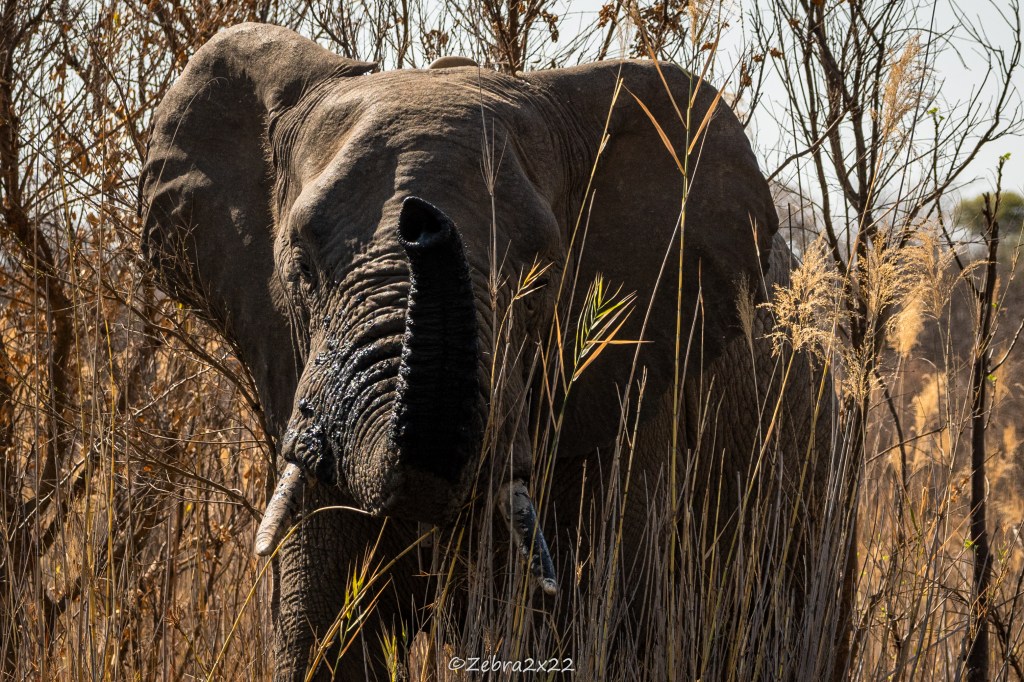
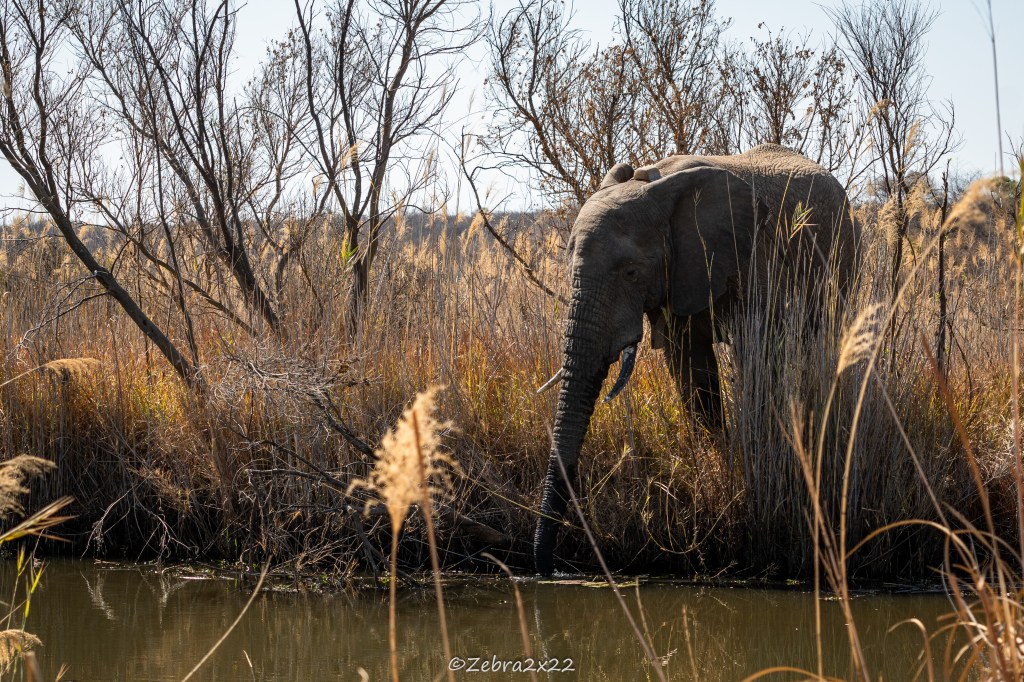
- An intense encounter with elephant herds that began to charge our vehicle. One student was on the tracker seat as the matriarch, followed by two other cows, approached, and then we were close to the dominant bull. Our instructor, however, held her ground, speaking calmly, apologizing, and projecting an intention to handle things quietly. It worked, and that day was a major lesson in learning to manage such situations with composure.
I passed the written exam and was thrilled to receive a good mark. We received the results two weeks after the exam, as it was a prerequisite to be assessed for the practical.
The final two weeks of training focused on:
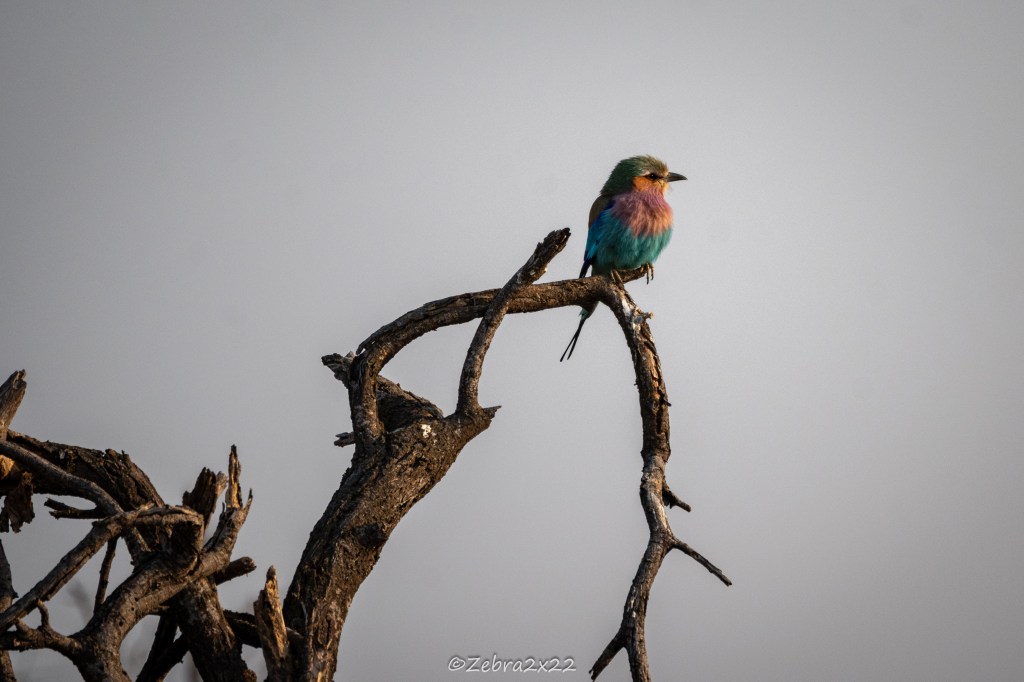
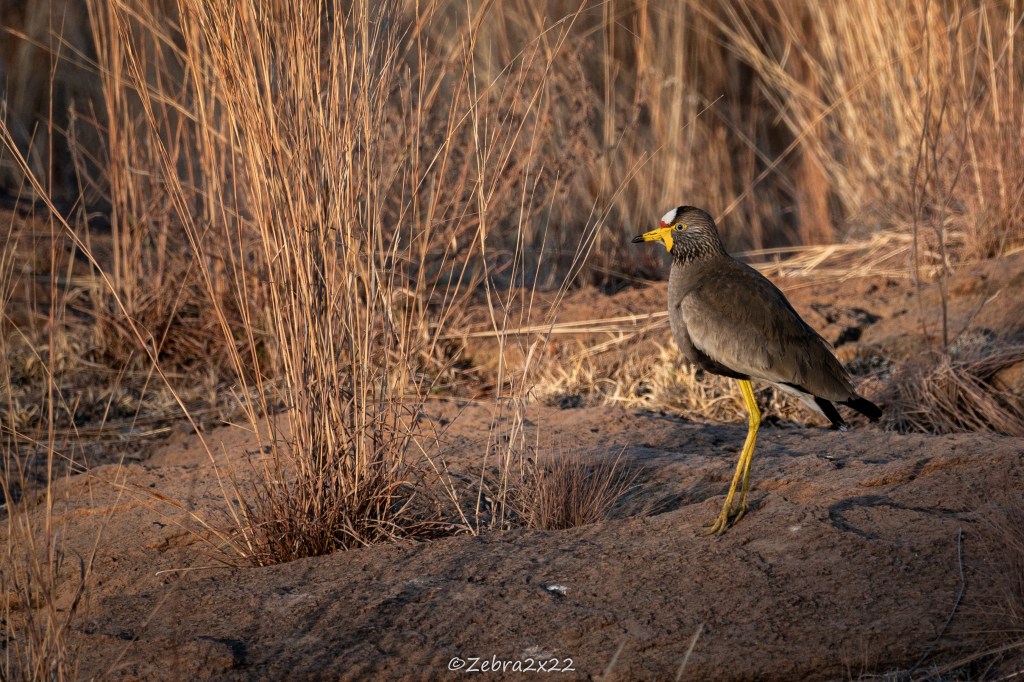
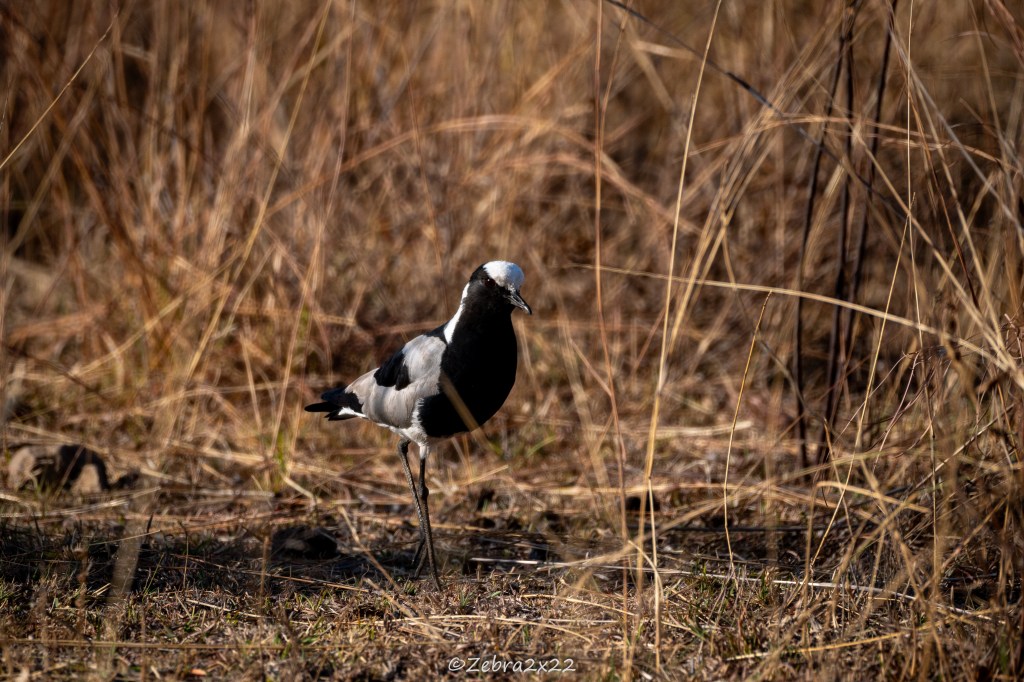
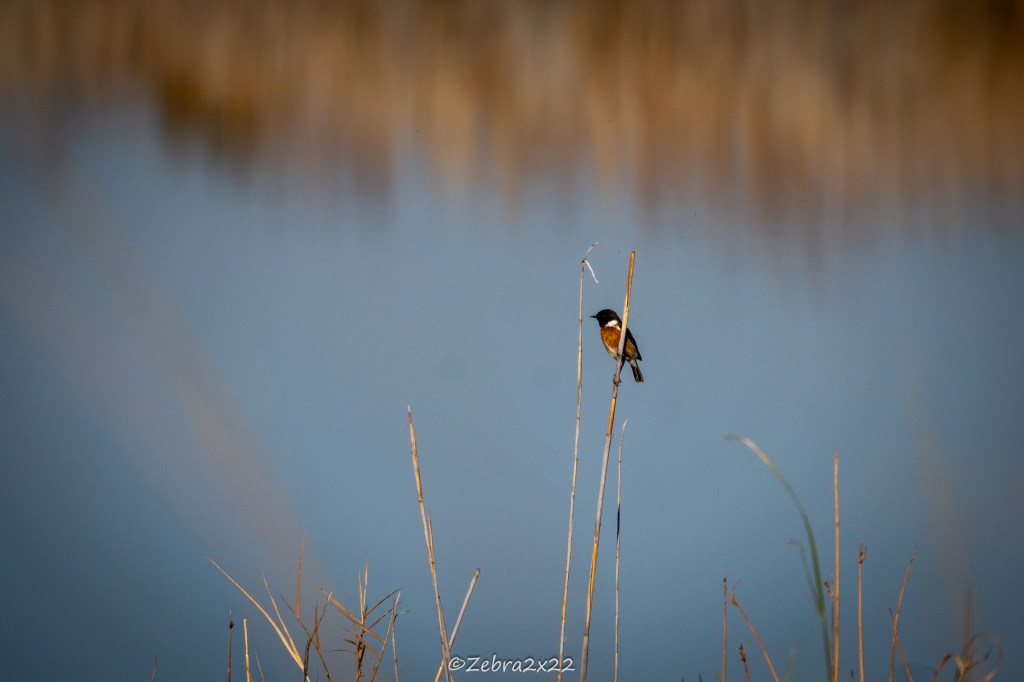
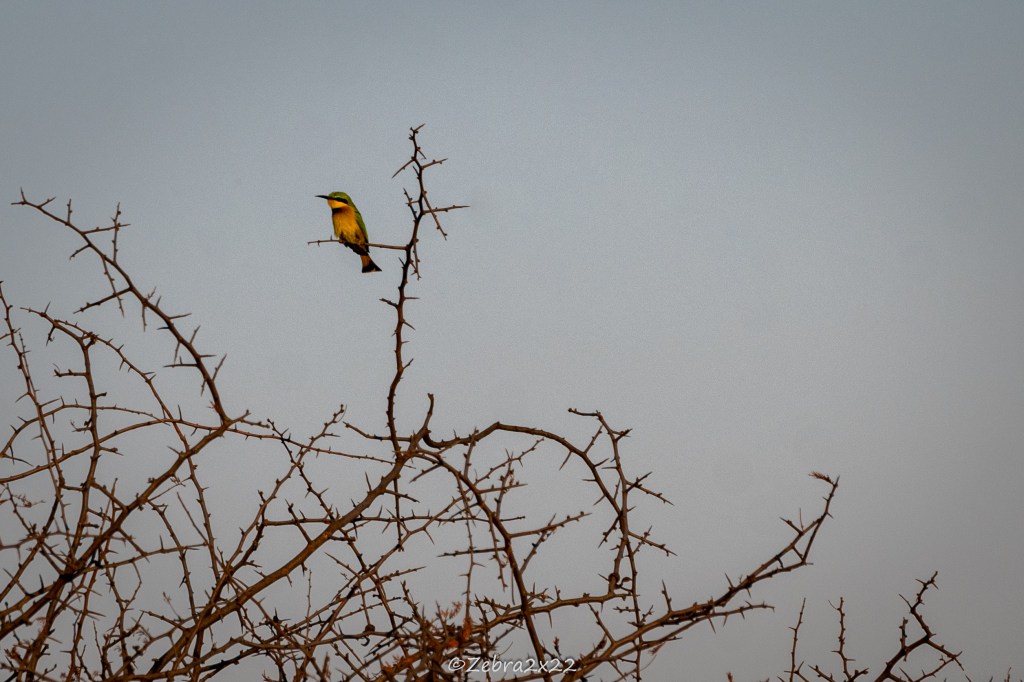
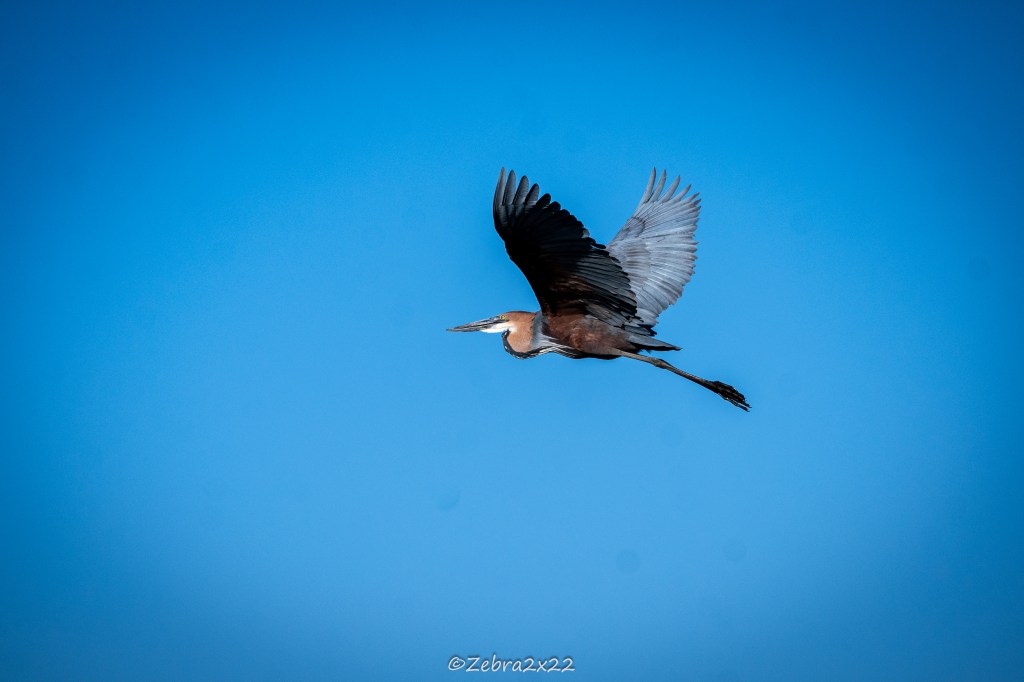
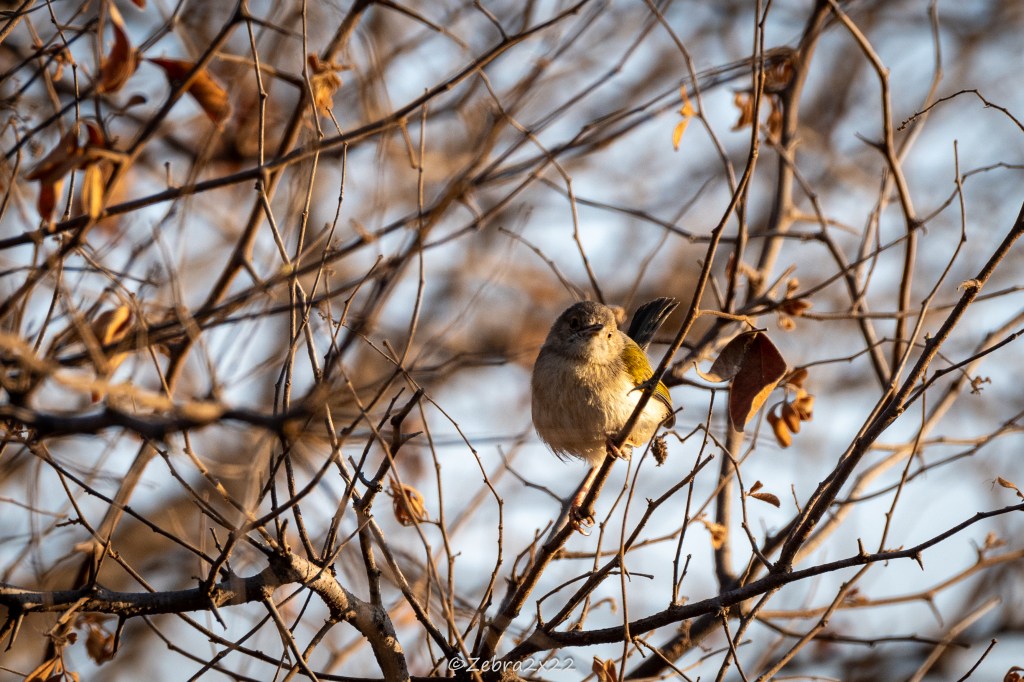
- A full week dedicated to birds, including recognizing their calls and identifying them
- Preparation for the practice drive and assessment, where we guided the assessor and other students for 60 to 90 minutes
Both of these weeks involved very intense work. We were required to study and identify a wide range of bird species, so I created a PDF to aid my learning process. This document gives a good idea of what we were covering.
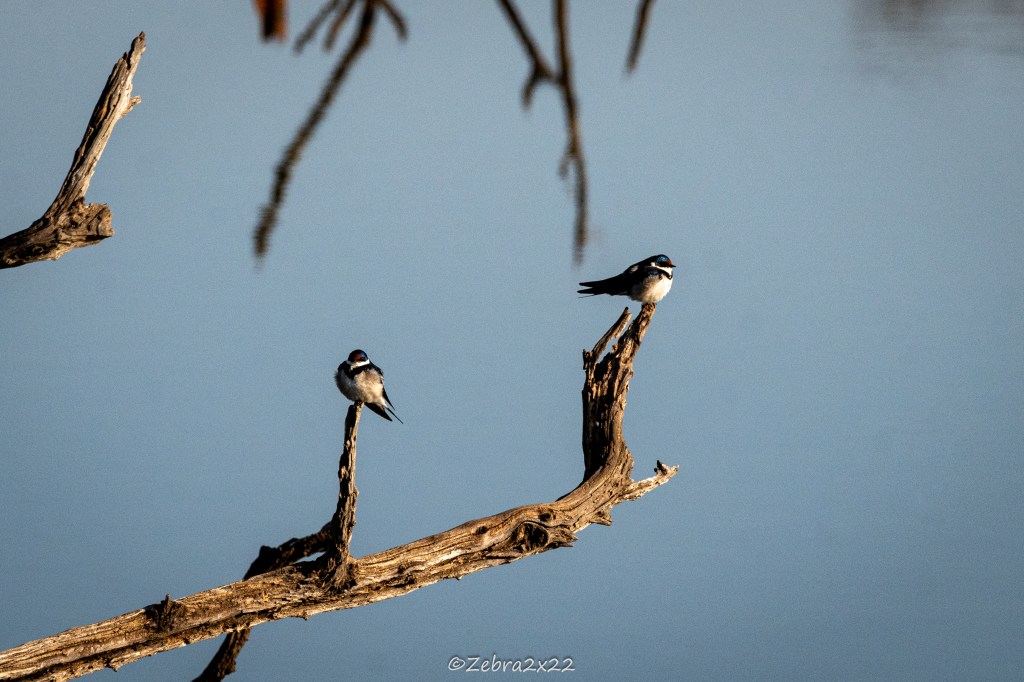
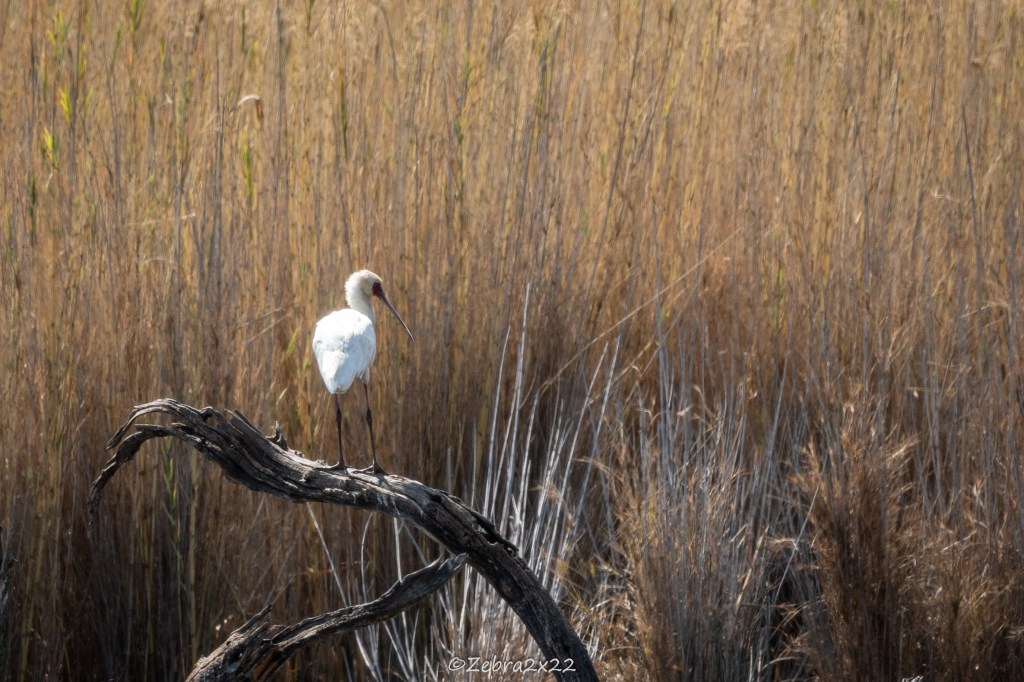
Recognizing bird calls was by far the hardest part. Eventually, all the calls started to blend together, so we had to associate stories or phrases with each call to help recall them. Our instructors gave us useful tips; for example, the burnt-necked eremomela’s call sounds like it’s burning itself on a stove, and for the hamerkop, we were told it sounds like a monkey and a seagull mating. Eventually, you get it, and you can practice with an app or directly in nature, trying to identify every sound. Fortunately, I had anticipated this learning curve and began practicing during my vacation, so I was already familiar with most of the calls by the end. I’m proud to be able to recognize birds by their calls, even when they’re out of sight. Now, I know where to look and can talk about them and their behaviors in advance.
Preparing for the practice drive was also a huge amount of work. To deliver an engaging drive, you need to be able to discuss a variety of species and explain how they’re interconnected. I reviewed different types of grass, trees, birds, mammals, tracks, and insects found in the area, even researching termites for two days. At one point, I felt like I knew nothing and would have nothing to say during the drive—I almost broke down. But with support from my instructors and classmates, I pulled through.
I prepared pancakes to enhance the experience! During the drive, I felt comfortable and was able to discuss topics like termites, conservation, reserve management, carcasses, rubbing trees, warthogs, elephants, impala dung, and various alarm calls. It’s not all about the Big Five; chances of encountering them are low, so we need to be ready to discuss the complexity of the ecosystem from a holistic perspective. I managed to recognize some bird calls, though not all, and made a few mistakes, which we reviewed together afterward. It was an excellent learning opportunity, even though I realized I had stressed about it too much. I was told I appeared very stressed, and although I thought I was hiding it, my classmates confirmed that I hadn’t. It’s something to work on for the future.
In the end, I qualified as a nature guide, and I’m extremely proud. I started with no knowledge of this environment, the animals, or the ecosystem. Learning it all was both a challenge and a joy. I’m happy to see my mind can still absorb and retain information—even 20 years since my last formal study. And I did it!
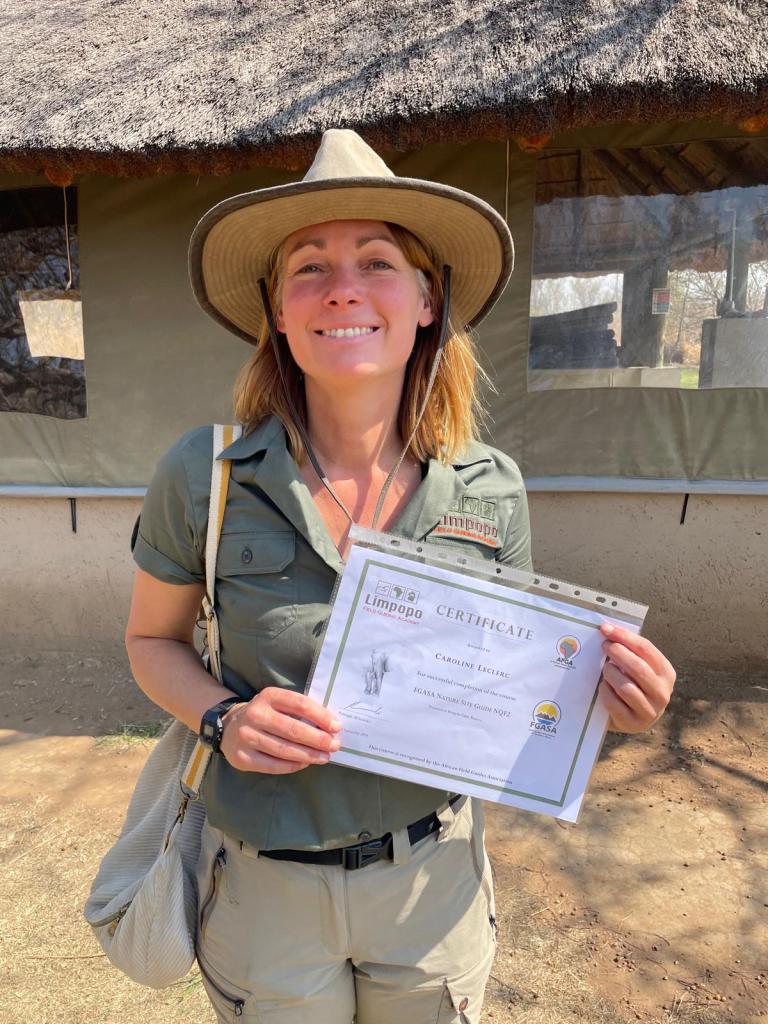
We had a small group of students and wonderful instructors, and we all got along really well, supporting each other throughout. Here’s a glimpse of how our nights looked—a truly amazing experience.

I’m so grateful for giving myself this opportunity. Being close to nature, learning about all aspects of the environment, and meeting amazing people has been a blessing.
Now, I have a week of vacation planned with some fellow students, and we’ll be visiting Pilanesberg and Kruger National Park. After that, I’ll continue with trail guide training, where I’ll learn how to lead guests safely on foot in a dangerous environment, with the possibility of encountering the Big Five.
I can’t wait!
















 Zebra2x22
Leave a comment