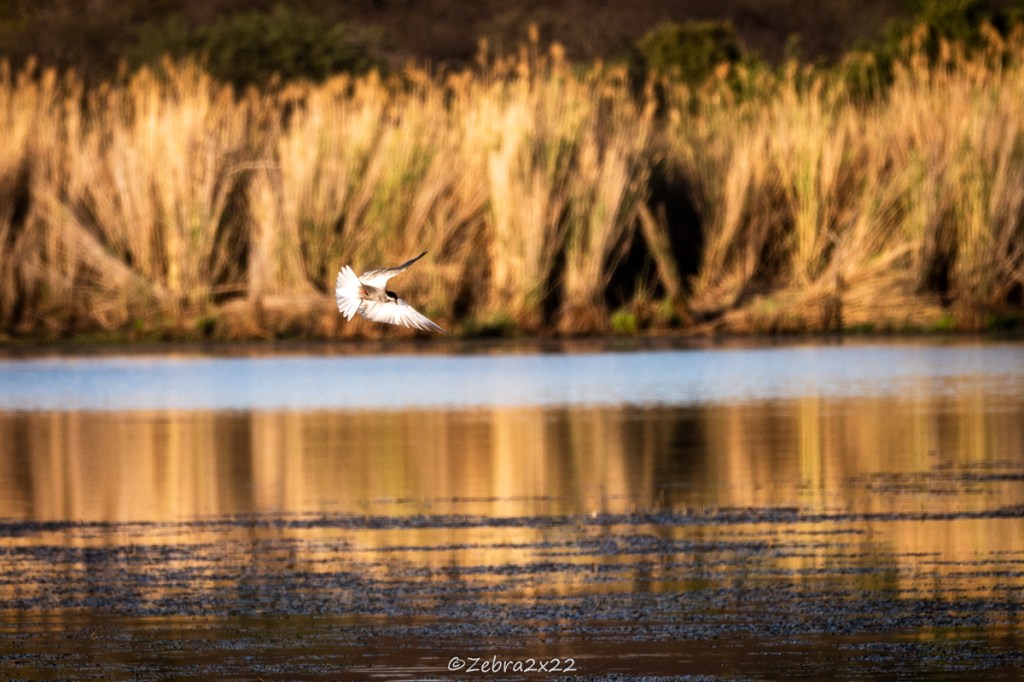
On the Move as Always
My training with Limpopo Field Guide Academy has just ended, and I’m now heading towards the next phase of my program and internship.
After my Advanced Rifle Handling test, which I mentioned in my previous article, I was transferred directly to the airport. I didn’t get the chance to see all the students finish their tests or enjoy a cold beer with them before I was already on the plane.
The plan was to spend a week in London, make a short stop in Barcelona, and then head to Mozambique for another week.
I won’t go into too much detail, but that test had drained and stressed me to the point where my body needed time to rest and recover. I was unwell and needed a proper timeout. It was the physical manifestation of all the stress I had been carrying. I realize now that I need to work on managing stress better to avoid ending up in the same situation again. No matter how difficult the task, I need to take it easy.
I tend to put myself under immense pressure, which obviously impacts my health and well-being. I always strive for perfection and set high expectations for myself. The rifle handling test added to this pressure, as I had to go against my personal principles to meet the challenge. But don’t get me wrong—I was motivated to go through this process. I chose to do the training of my own free will. I believe it was worth the effort, as there’s nothing I love more than being outdoors, immersed in the bush, and encountering the great and legendary animals of the wild.
That said, carrying a rifle is now part of my life, though my intention is to never have to use it.
After my vacation, I returned to LFGA for what was supposed to be a three-week internship involving community drives, game drives, and setting up camera traps, followed by a fourth week dedicated to completing my apprentice trail guide training.
However, when I arrived, the plan had changed. The first week was now focused on passing the practical test for apprentice trail guide certification. This required completing 10 hours of mentorship while carrying the rifle in either the second or first rifle position.
At first, it felt strange to walk with a rifle, but I eventually found my rhythm. The protocol is to carry the rifle without a sling, as a sling can get caught in the bush and delay your response time. You must hold it with both hands, always maintaining awareness of safe muzzle direction.
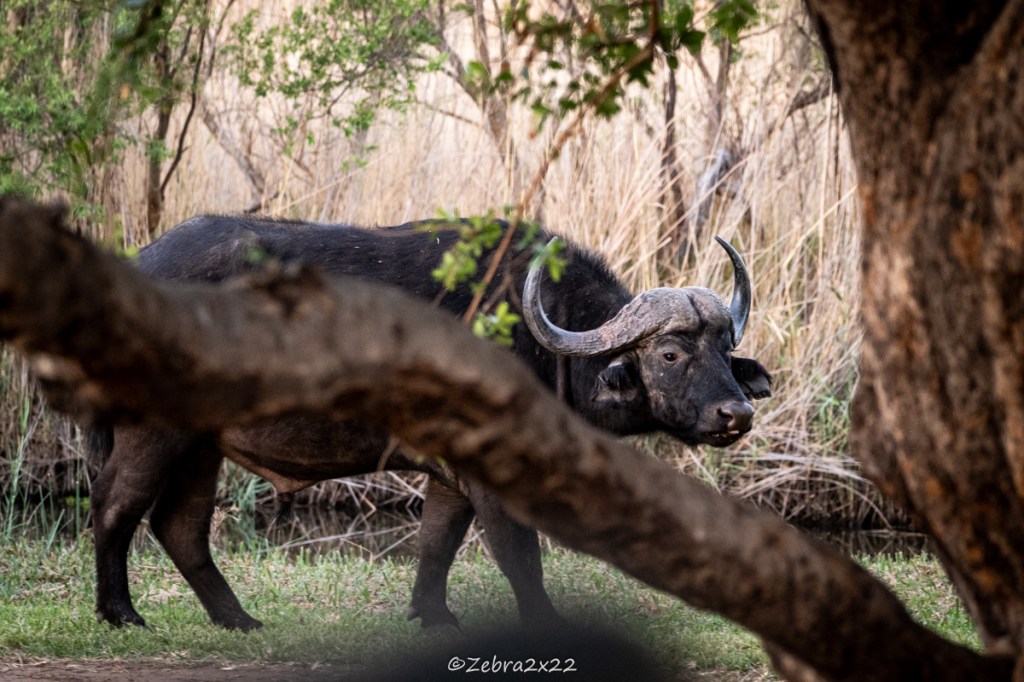
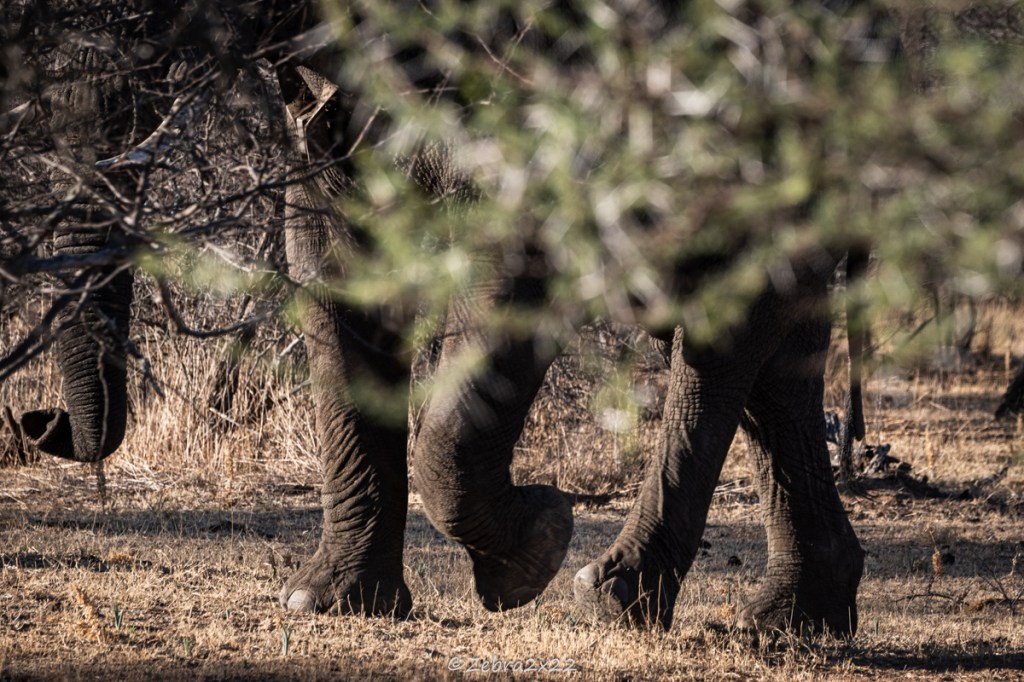
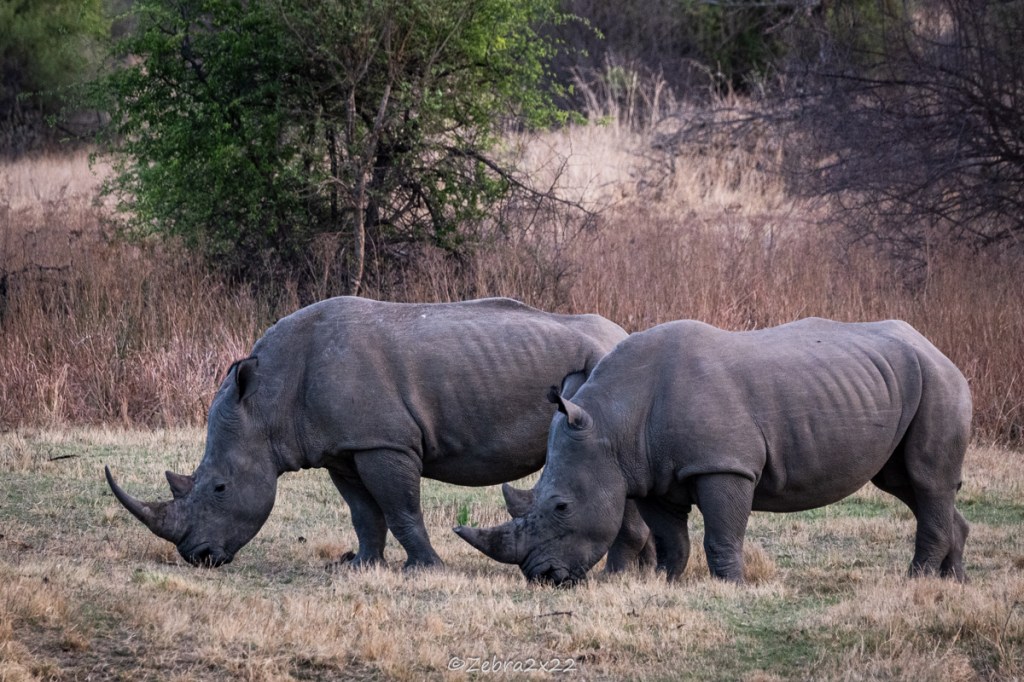
That week, we had some incredible encounters. Due to the drought, most activity revolved around the camp and the dam. On nearly every bush walk, I encountered buffalo, elephants, and white rhinos.
Typically, bush walks involve far fewer dangerous game encounters, but luck was on our side. Out of all the bush walks I participated in, only one ended without any encounters. This was fortunate, as it provided plenty of opportunities to practice animal approach techniques and consider all the critical factors in each situation.
Additionally, we had several unexpected visits from lions, buffalo, and elephants right in the camp itself, which added to the excitement and practice opportunities.

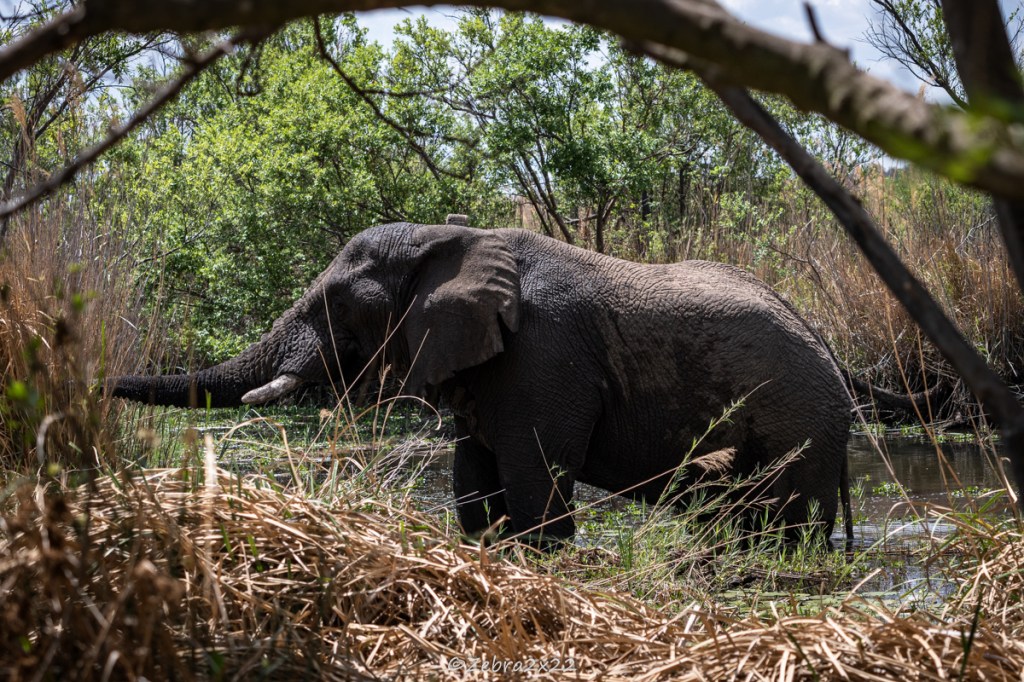
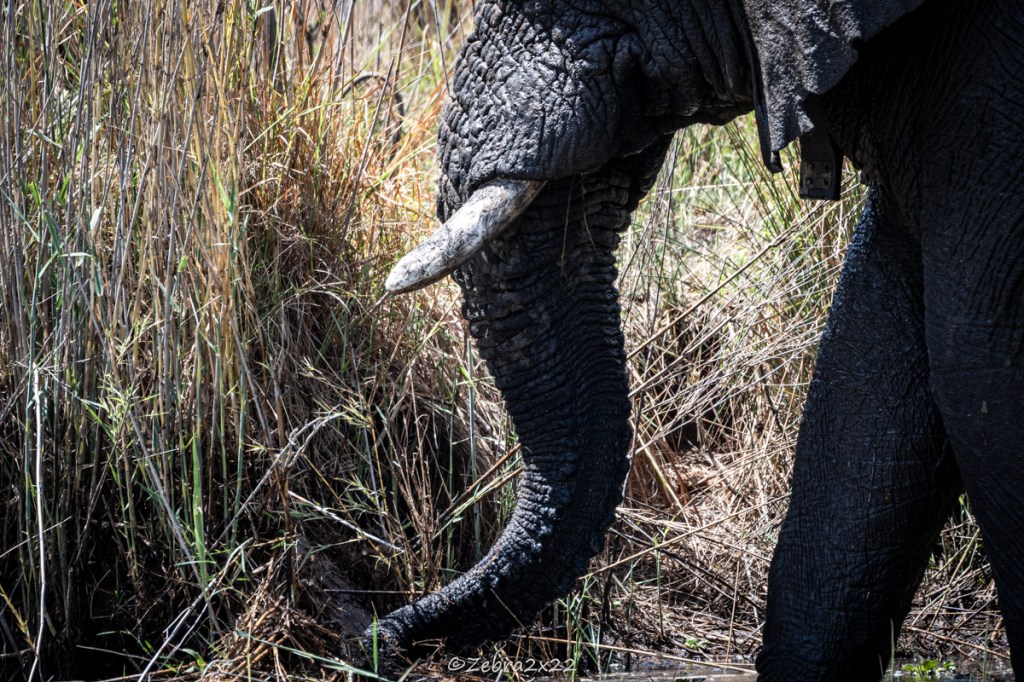

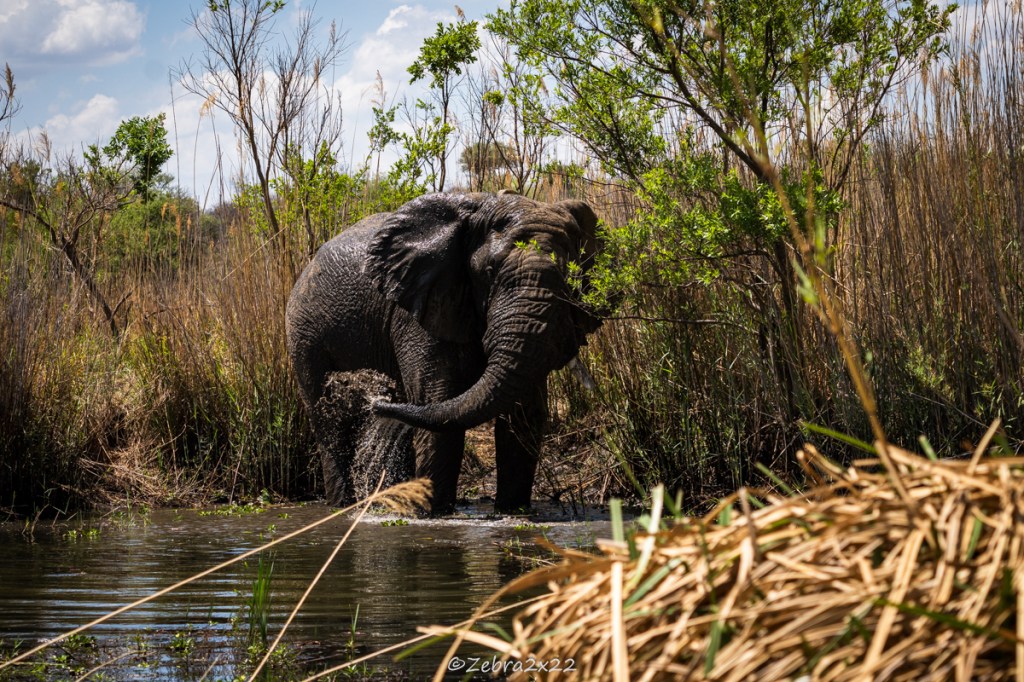


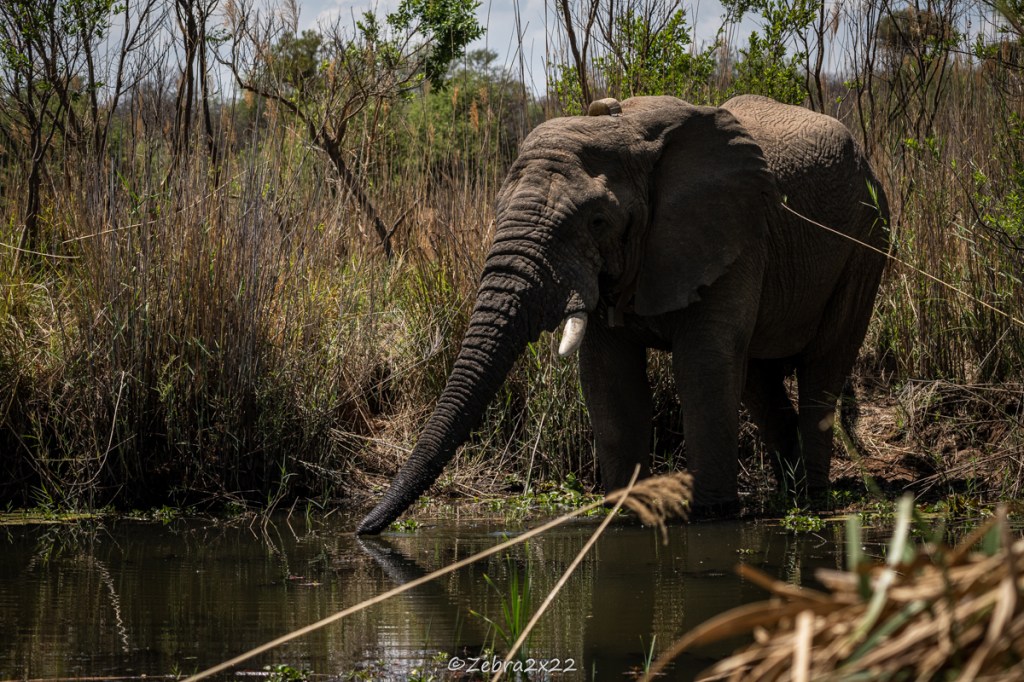
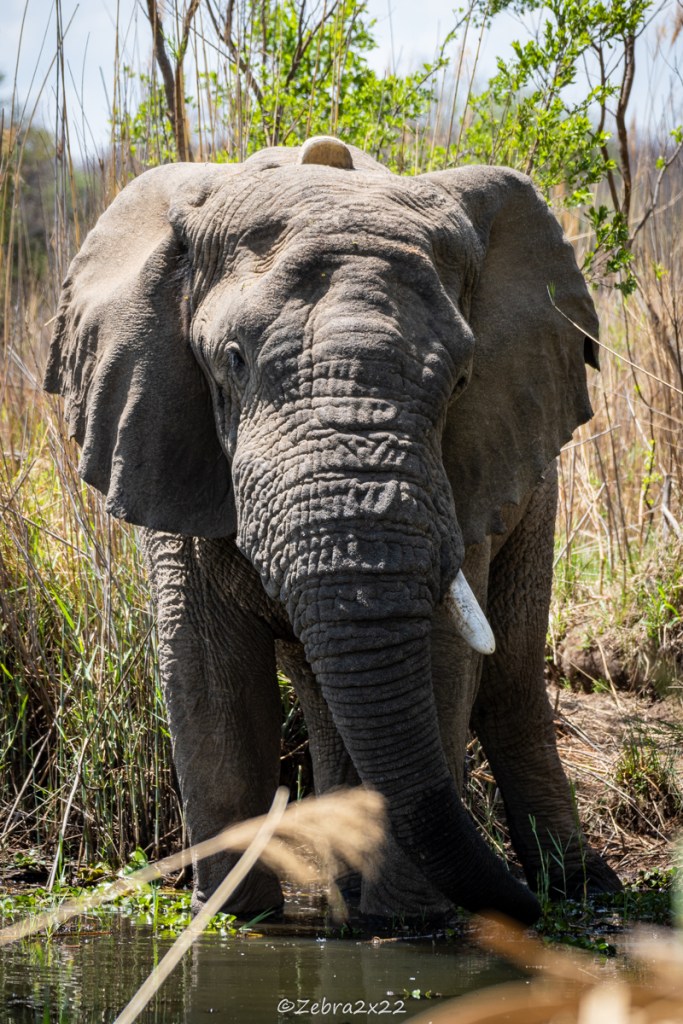
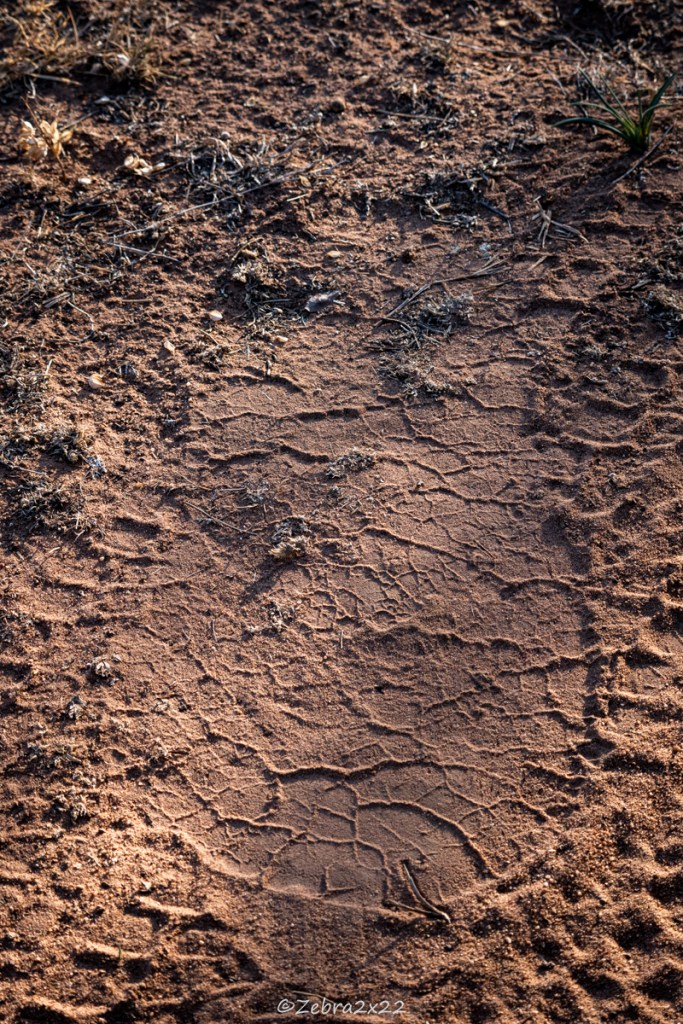
During the training, I also had the opportunity to practice trailing an elephant. Knowing that the elephant bull was not nearby, we decided to trail it as part of our apprenticeship. It was a fascinating experience. When trailing, you don’t just follow each spoor step by step; you need to adopt a forward vision to anticipate where the grass or soil has been flattened and understand the general direction and activities of the elephant. It’s like stepping into the elephant’s shoes.
At the same time, situational awareness is crucial—you must always be prepared for unexpected encounters.
Apparently, trailing lions and elephants is particularly challenging because they have soft feet, which leave less distinct tracks compared to rhinos or buffalo, whose hooves create very recognizable patterns on the ground. The exercise was incredibly enjoyable, and I’m looking forward to the day when I finally encounter the animal I’ve been trailing.
Then came the practical assessment. It was a wonderful three-hour bush walk. Two students, including myself, were being assessed. We started in the second rifle position and were later tested on our ability to lead the group in the first rifle position, with guidance from the lead trail guide.
In the first rifle position, you are responsible for choosing the path, ensuring the group’s safety, and potentially leading the group to an encounter. This is a position I find daunting, as my greatest fear is making a poor decision that could compromise the safety of the group or the animal.
While leading, we had to demonstrate our knowledge of dangerous game by identifying signs of their presence, such as spoor, broken branches, and dung, and pointing them out to the group. At one point, we came across fresh buffalo tracks and were tasked with locating them. Following the tracks, we found the buffalo near the dam. We managed our approach carefully, getting as close as 60 meters while staying downwind, using good cover, and remaining unnoticed.
During the walk, we also had other incredible encounters, including an elephant bull and a lion with two lionesses that we stumbled upon unexpectedly.
The objective of the assessment was to evaluate our readiness to enter the apprentice trail guide mentorship program. After the walk, we had a debriefing. Both of us passed, as we remained calm during the encounters, maintained safe muzzle direction at all times, scanned the area thoroughly, and demonstrated situational awareness.
However, there are areas I need to improve, such as:
- Ensuring I check on the guests behind me while in the first rifle position.
- Avoiding any loose items (like binoculars) hanging from my equipment.
- Acquiring a multifunctional tool.
- Scanning open areas more carefully.
- Continuing to build my confidence and refine my skills through practice.
Being in the first rifle position was a significant challenge. Suddenly, you’re in charge, processing a vast amount of information: scanning the area, deciding the route, reading tracks and signs of dangerous game, and keeping an eye on the guests.
To manage all this, I had to slow my pace considerably compared to my usual walking speed, giving myself time to process everything. The lead trail guide provided excellent support, making the experience both enjoyable and highly educational.
Please find some photos and videos of our assessment to get a glimpse of how it went.
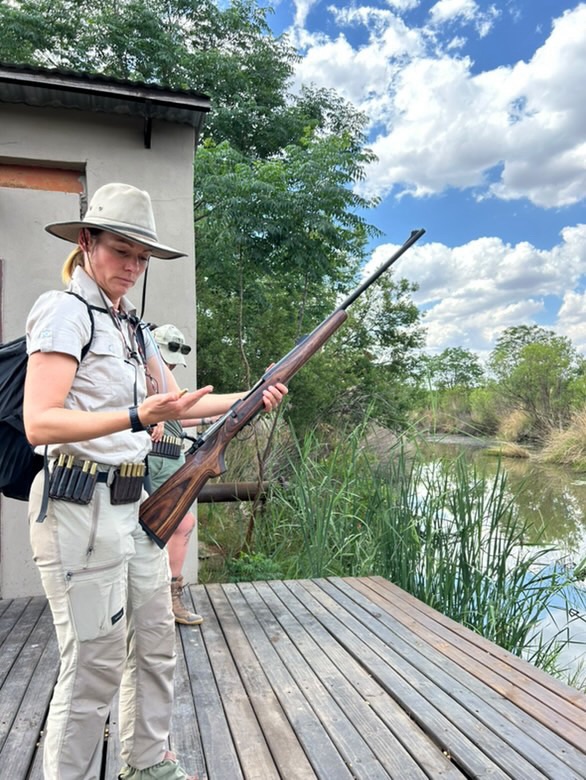
Photo from M. Stavrakis
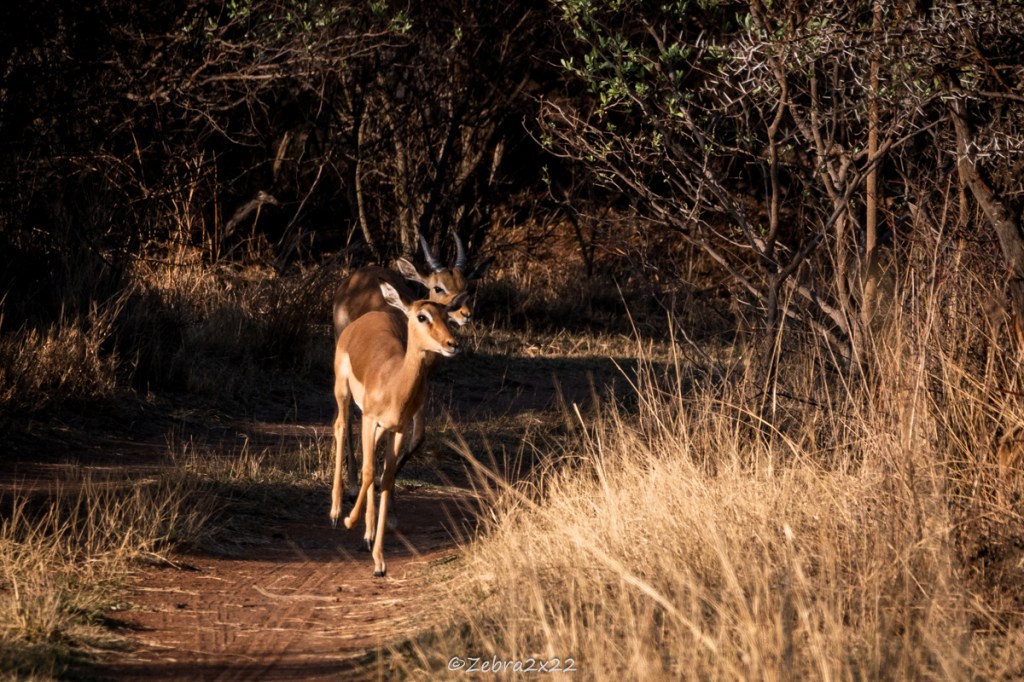
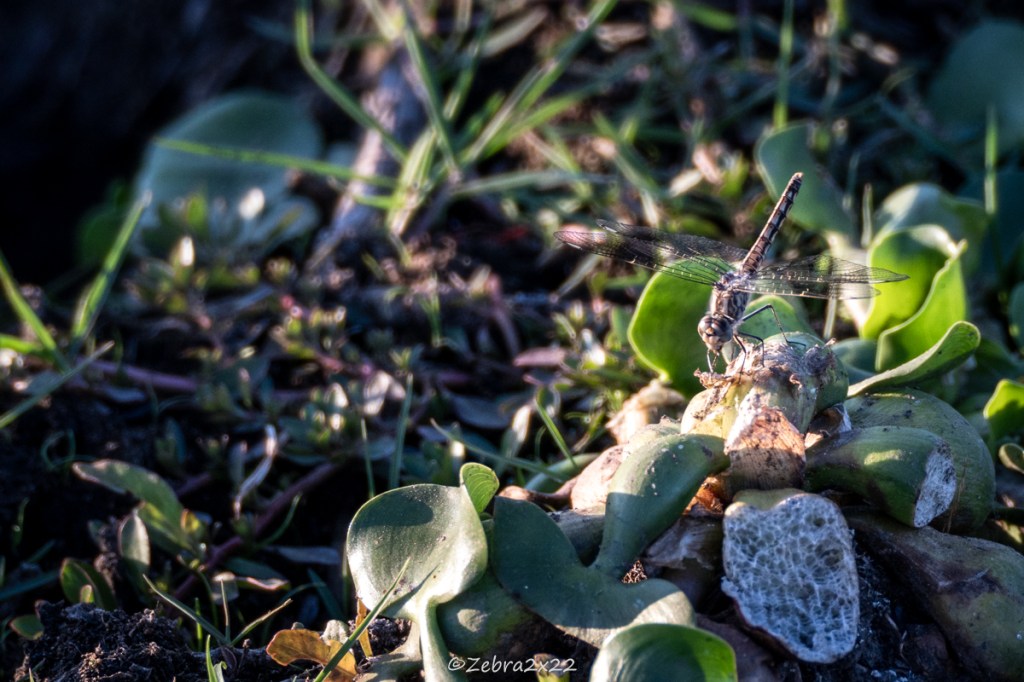
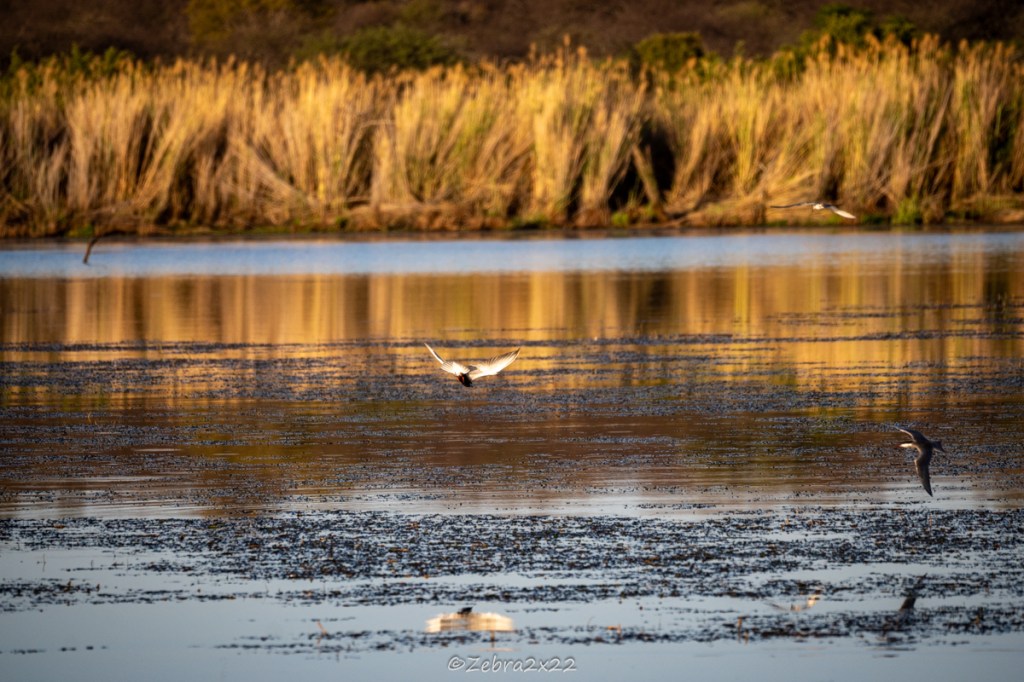
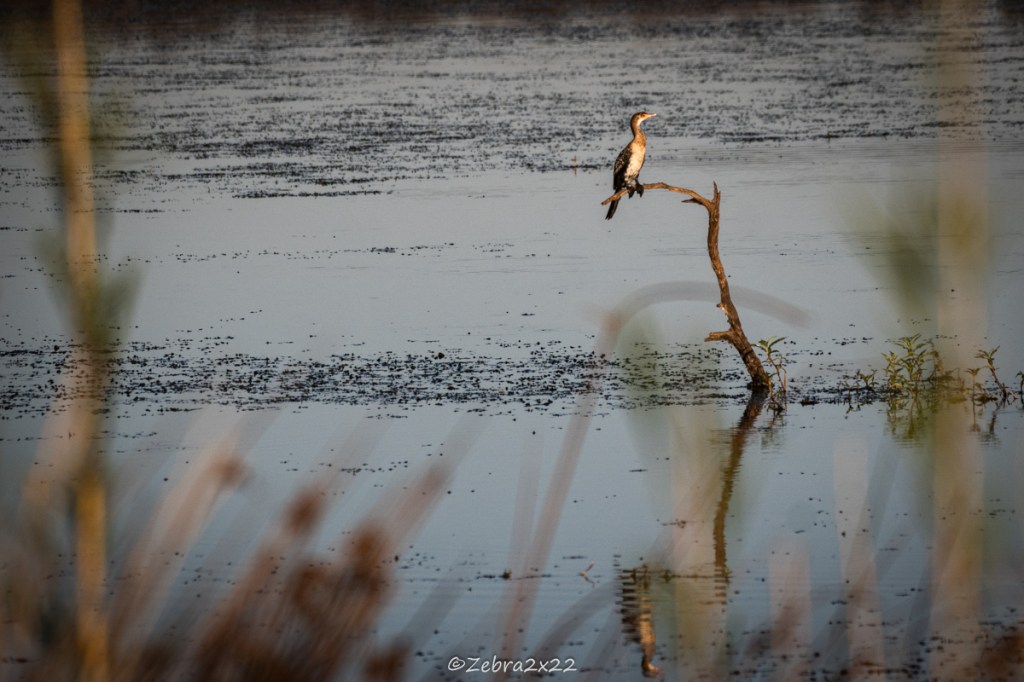
During this week, the pace was less intense, with walks lasting only two to three hours in the mornings. This gave me the chance to catch up on editing my photo backlog.
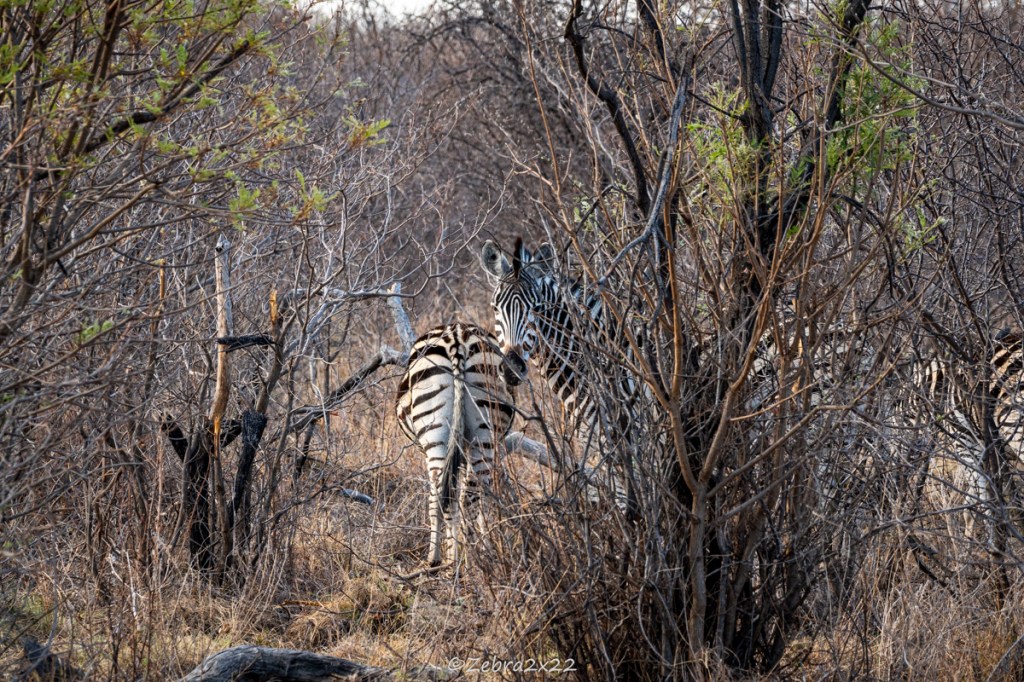
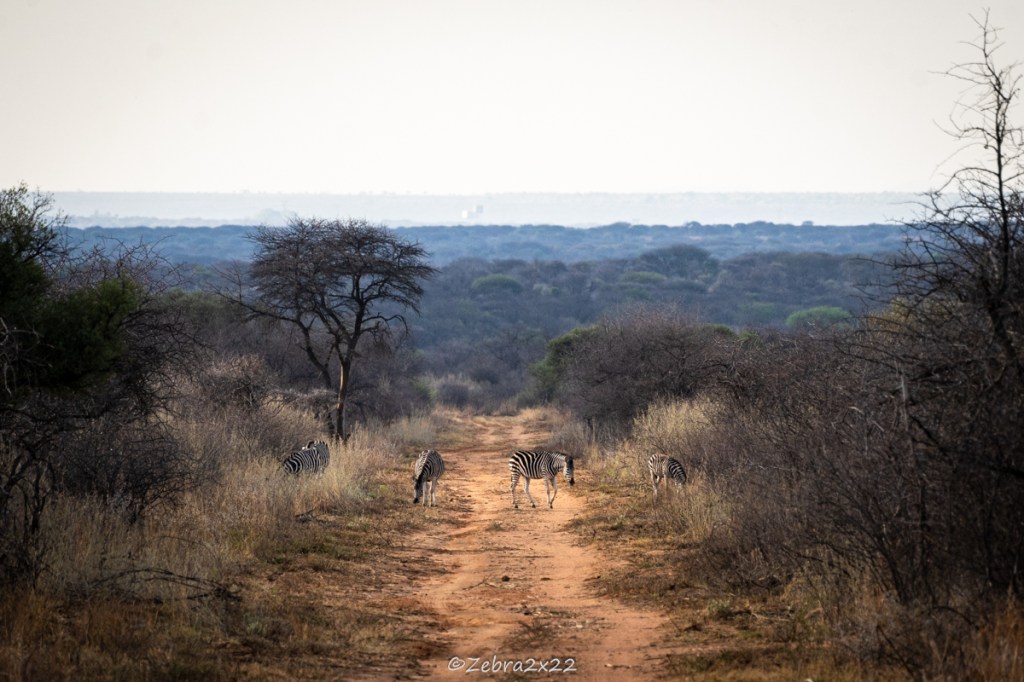
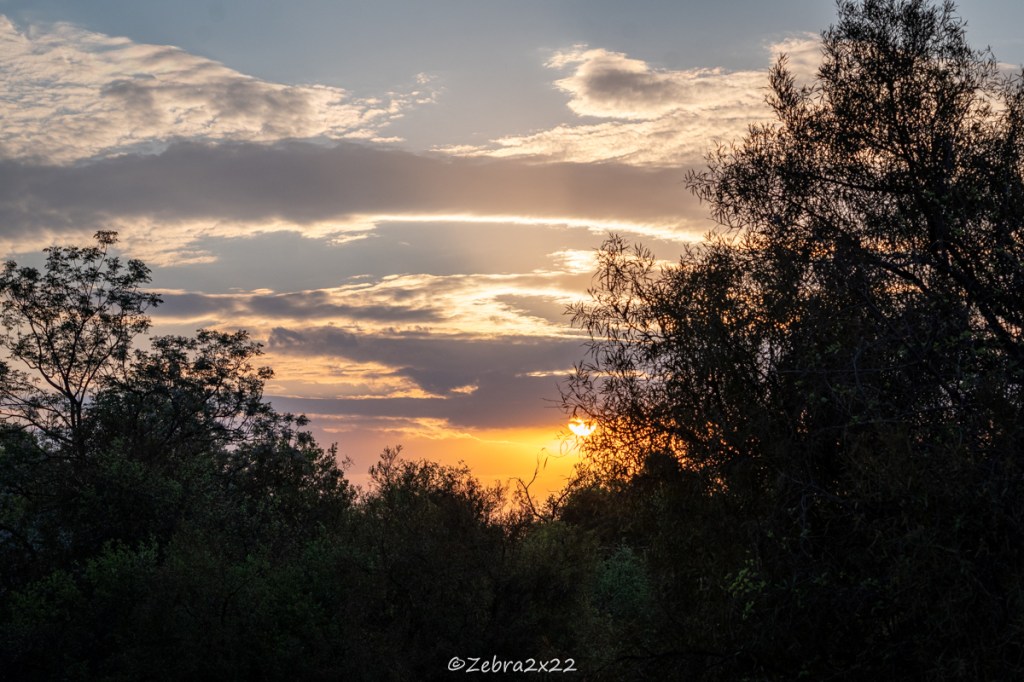
Here’s an overview of the week:



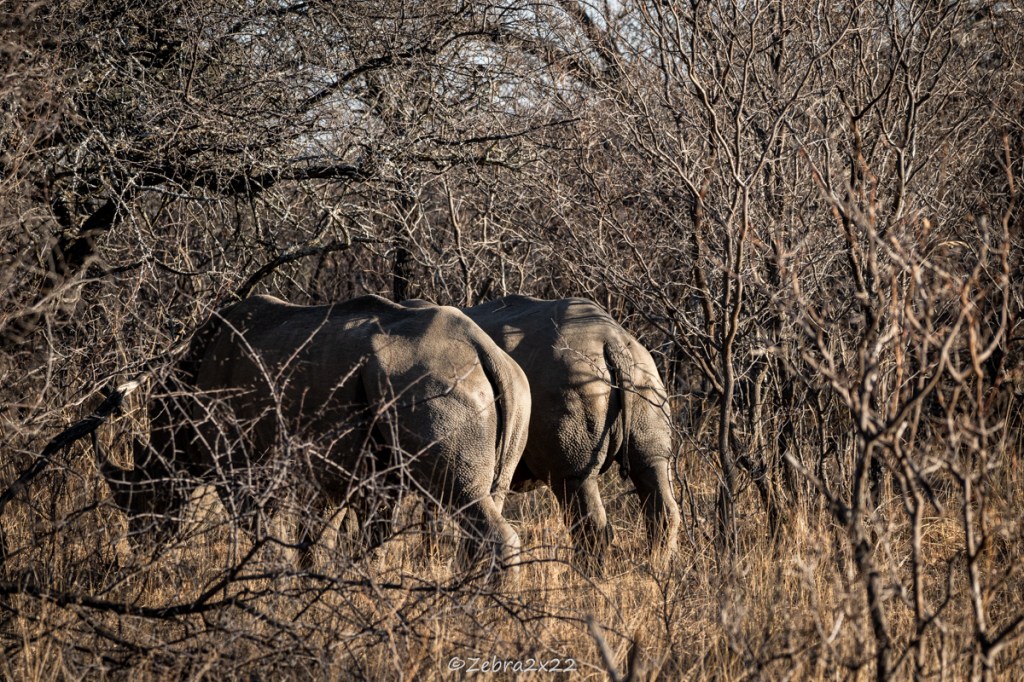


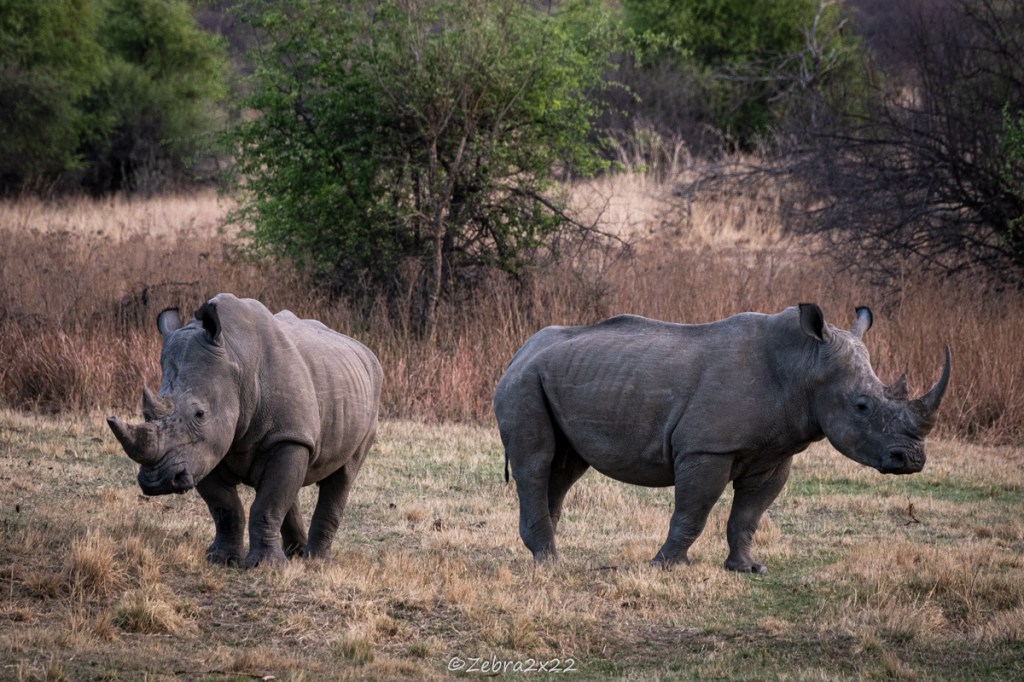
Now, I’m heading in a reserve in South Africa. I’m about to begin an internship in a volunteer program dedicated to wildlife conservation in support of reserve management.
My internship will be a mix of fieldwork and office tasks, including:
- Monitoring collared animals.
- Managing volunteers.
- Assisting during bush walks.
- Setting up a fundraising project.
- Supporting digital marketing activities.
- Creating ID kits.
- Performing maintenance work (e.g., fences).
- Checking camera traps.
- Collecting snares.
- Feeding data into their database.
- Cooking as part of daily life.
The schedule is expected to be very intense. The area is full of mosquitoes, and daytime temperatures can reach nearly 40°C.
I’m excited to begin this internship, as I’m confident it will be an incredible and intense learning experience. Initially, I had planned to do an internship in the guiding industry, believing it might be my only chance. However, upon reflection, I decided to stay true to the path I’ve set for myself—working in wildlife conservation. This internship is one of the best opportunities to align with my future goals.
That said, I admit I felt sad leaving LFGA. I’ll miss the instructors, my fellow students, and the camp itself. It marks the end of a significant phase in my journey. I truly enjoyed my time there and felt at home in that environment.
Now, it’s time to move forward and focus on meaningful conservation work that aligns with my objectives. Wish me luck!


Leave a Reply